Skip to content
Overview of Bananas as a Safe Treat for Chickens
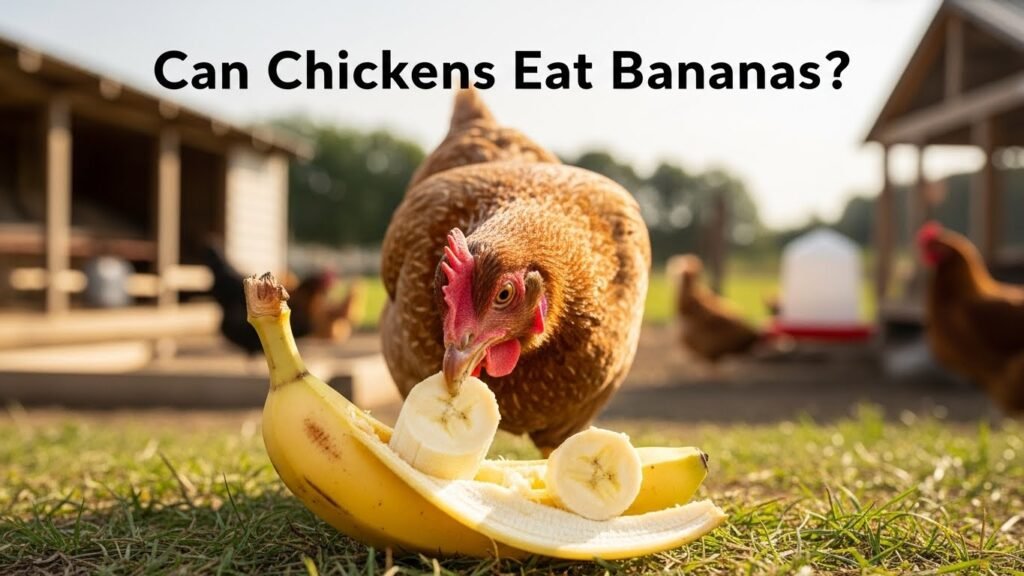
Chickens can safely eat bananas, but like any treat, moderation is key. Bananas are a highly nutritious fruit, rich in various vitamins and minerals. They are a great source of carbohydrates, fiber, and essential nutrients, but they should not replace the core diet of your chickens. Understanding how to properly incorporate bananas into your chicken’s diet will help ensure they remain healthy while enjoying this sweet treat.
Nutritional Value of Bananas for Chickens
Bananas are packed with nutrients that are beneficial to chickens. Here are some of the key nutrients found in bananas:
- Potassium: Vital for muscle function and nerve regulation.
- Magnesium: Supports bone health and is important for overall metabolic processes.
- Vitamin B6: Aids in metabolism and supports the immune system.
- Vitamin C: Helps boost immunity and protect against illnesses.
- Fiber: Supports digestion and helps regulate gut health.
These nutrients contribute to the overall well-being of your chickens and support their health, including bone development and egg production.
Benefits of Bananas for Chickens

Carbohydrates for Energy
Bananas are a good source of carbohydrates, which provide energy to chickens. This is especially helpful for chickens that are active or laying eggs. The energy from bananas can be used for daily activities and supports the overall health of your chickens.
Fiber for Digestion and Gut Health
Fiber is crucial for maintaining a healthy digestive system in chickens. Bananas contain both soluble and insoluble fiber, which helps regulate bowel movements and prevent constipation. Additionally, the fiber content supports the growth of beneficial bacteria in the chicken’s gut, contributing to a healthy microbiome.
Potassium for Muscle and Nerve Function
Potassium is an essential mineral that plays a significant role in muscle function and nerve transmission. Chickens need adequate potassium to maintain proper muscle contractions and overall physical health. Bananas are an excellent source of potassium, making them a beneficial treat for chickens.
Magnesium for Bone Health and Egg Production
Magnesium is another mineral found in bananas that is important for chickens. It plays a key role in maintaining strong bones and eggshell quality. Adequate magnesium intake helps prevent issues like brittle bones or weak eggshells, which are common problems in chickens that are not receiving proper nutrition.
Vitamins like B6 and C for Metabolism and Immunity
Bananas are rich in vitamin B6, which aids in the metabolism of proteins and supports the immune system. Vitamin C, on the other hand, helps strengthen the chicken’s immune system, protecting it from diseases. Regular intake of these vitamins helps keep chickens healthy and active.
Can Chickens Eat Banana Peels, Leaves, and Processed Banana Products?

Bananas are a versatile treat for chickens, but not all parts of the banana or banana-based products are equally safe. Here, we’ll break down which banana components are safe and how to feed them to your chickens, as well as the dangers of certain processed banana products.
Banana Peels
Are Banana Peels Safe for Chickens?
Yes, banana peels are safe for chickens to eat, but there are a few things to keep in mind. Banana peels contain many of the same nutrients found in the fruit itself, including potassium, magnesium, and fiber. They are also high in antioxidants, which can help support your chickens’ overall health.
However, banana peels are tougher than the fruit and may be difficult for chickens to digest in large quantities. It’s best to feed banana peels in moderation and cut them into smaller pieces to make it easier for chickens to consume and digest.
How to Safely Feed Banana Peels to Chickens
To feed banana peels safely to chickens, it’s essential to follow these best practices:
- Wash the peels: If the banana peel is not organic, wash it thoroughly to remove any pesticides or chemical residue.
- Cut into smaller pieces: Cutting the peel into smaller chunks will help chickens digest it more easily.
- Remove the stem: The stem of the banana peel can be tough for chickens to break down. It’s best to remove it before feeding it to them.
- Limit portions: Since banana peels are fibrous, overfeeding them can cause digestive issues. Aim to feed no more than a small amount of banana peel per chicken at a time.
Banana Leaves
Can Chickens Eat Banana Leaves?
Yes, banana leaves are safe for chickens to eat, but they should be fed sparingly. The leaves are a natural part of the banana plant and are often consumed by animals in tropical regions. They contain a variety of nutrients, including potassium and fiber, which are beneficial to chickens.
Benefits of Banana Leaves for Chickens
Banana leaves provide some additional health benefits for chickens:
- Digestive support: The fiber in banana leaves helps with digestion and promotes gut health.
- Nutrient-rich: Like banana peels, banana leaves also contain essential vitamins and minerals that support the immune system and overall health.
However, banana leaves are relatively tough and may be difficult for chickens to chew, especially if they are not chopped into smaller pieces. If you plan to feed banana leaves to your chickens, ensure they are cut into manageable pieces.
Processed Banana Products
Dangers of Feeding Processed Banana Products (Banana Chips, Banana Bread, etc.)
While fresh bananas are a healthy treat for chickens, processed banana products like banana chips, banana bread, or dried bananas can be harmful. These products often contain added sugars, preservatives, or oils, which can cause health issues for chickens.
- High sugar content: Many processed banana products, especially banana chips, are high in sugar. Excessive sugar intake can lead to obesity, diabetes, and digestive problems in chickens.
- Fats and oils: Some banana products, like banana bread, may be made with added fats or oils, which are not healthy for chickens. These added fats can contribute to obesity and fatty liver disease.
- Preservatives and chemicals: Processed banana products may contain preservatives, artificial flavorings, or coloring agents that are not safe for chickens. These chemicals can negatively affect your chickens’ health.
Why Processed Banana Products Are Not Recommended
Processed banana products should be avoided in your chickens’ diet due to the following reasons:
- Imbalanced nutrients: Processed foods often lack the balance of nutrients that chickens need. They may be high in sugars or fats but low in essential vitamins and minerals.
- Health risks: Feeding processed banana products regularly can lead to health issues such as obesity, liver problems, or digestive disorders. It’s important to focus on fresh, whole foods for your chickens.
Ripe vs Unripe Bananas
When it comes to feeding bananas to chickens, not all bananas are created equal. Ripe bananas and unripe bananas differ in their nutrient composition and how easily they are digested by chickens. Understanding these differences will help you decide which type of banana to feed your chickens and how to do so safely.
Differences Between Ripe and Unripe Bananas
- Ripe Bananas: Ripe bananas are soft, sweet, and contain more sugar. As bananas ripen, the starch in them converts into sugar, making them sweeter and higher in carbohydrates. The sugar content in ripe bananas is great for providing energy to active chickens, but it also means they should be given in moderation.
- Unripe Bananas: Unripe bananas are firmer and less sweet than ripe bananas. They contain more starch and less sugar, which means they are lower in calories and sugar content. Unripe bananas are also higher in resistant starch, which is harder for chickens to digest. This makes unripe bananas a better option for chickens that need a treat with fewer sugars, but they may not enjoy the taste or texture as much as ripe bananas.
Which is Better for Chickens?
Both ripe and unripe bananas can be fed to chickens, but each has its pros and cons:
- Ripe Bananas: These are more palatable to chickens, and they are packed with quick energy from the sugars. However, they should be given in moderation due to their high sugar content.
- Unripe Bananas: While they are lower in sugar, unripe bananas can be harder for chickens to digest due to their high starch content. Chickens may not find unripe bananas as appealing, and feeding them too often could cause digestive discomfort.
How to Use Both Types for Treats
You can feed both ripe and unripe bananas to your chickens, but you should consider the following guidelines:
- Ripe Bananas: Slice ripe bananas into small pieces or mash them for easier consumption. You can mix the mashed banana with other treats like yogurt, oats, or seeds to make it more interesting for your chickens.
- Unripe Bananas: If you have unripe bananas, you can try mashing them or cutting them into thin slices. However, keep in mind that unripe bananas may not be as popular with your chickens due to their taste and texture.
Can Chicks (Young Chickens) Eat Bananas?
While adult chickens can enjoy bananas as a treat, young chicks (baby chickens) have different nutritional needs. It’s important to be cautious when feeding bananas to baby chicks, as their digestive systems are still developing.
How to Feed Bananas to Baby Chicks
When feeding bananas to baby chicks, it’s essential to keep portions small and carefully monitor their intake. Baby chicks have delicate digestive systems, and too much sugar or fiber can cause digestive upset. Here are some tips:
- Limit portions: Start with a very small amount of banana. You can mash it or slice it into tiny pieces so that the chicks can easily eat it.
- Mix with chick starter feed: To ensure baby chicks get a balanced diet, mix the banana with their regular chick starter feed. This ensures that they get all the essential nutrients they need while still enjoying the banana as a treat.
Why It’s Better to Limit Banana Intake for Young Chickens
Baby chicks are growing rapidly, and they need a diet that is rich in protein, vitamins, and minerals to support their development. Banana, while nutritious, is not a complete source of these essential nutrients. Feeding bananas in excess to chicks can lead to:
- Nutrient imbalances: Too many bananas can replace the nutrients from their chick starter feed, leading to deficiencies.
- Digestive issues: Baby chicks are more sensitive to sugars and fibers, which could lead to issues like diarrhea or bloating.
To maintain a healthy diet for your chicks, it’s best to offer bananas as an occasional treat, not a regular part of their diet.
Risks and Downsides of Feeding Bananas to Chickens
While bananas are a healthy treat, there are some risks associated with overfeeding them. Like any treat, bananas should be fed in moderation, and you should always be mindful of their impact on your chickens’ overall diet.
High Sugar Content and Its Effects
Bananas are high in sugar, and excessive sugar intake can have negative effects on chickens. Here are some risks associated with high sugar content:
- Obesity: Feeding too many sugary treats like bananas can contribute to weight gain and obesity in chickens.
- Fatty liver disease: High sugar intake can also contribute to fatty liver disease, a common issue in chickens fed too many sugary treats.
- Diabetes: Just like in humans, too much sugar can lead to insulin resistance and other metabolic issues in chickens.
Digestive Issues and Obesity Risk
Overfeeding bananas can lead to digestive problems in chickens. Bananas are high in fiber, which can be good for digestion, but too much fiber can cause:
- Diarrhea: Excessive fiber from bananas can upset the balance of bacteria in the chicken’s digestive system, leading to diarrhea.
- Bloating: Overeating bananas can also cause bloating, discomfort, and digestive stasis, which can affect the chicken’s overall health.
Potential Choking Hazard from Soft Banana Texture
Bananas are soft and squishy, but in large chunks or without proper preparation, they could pose a choking hazard for your chickens. It’s essential to cut bananas into small, manageable pieces before feeding them to prevent choking.
Impact on the Balance of Chicken Diet
Bananas, while healthy, should not replace the core nutrients that your chickens need. Overfeeding bananas can lead to:
- Unbalanced diet: Chickens need a balanced diet consisting of protein, vitamins, minerals, and other nutrients. Relying too heavily on bananas can cause an imbalance in their diet and affect their overall health.
Why Overripe Bananas Can Be Harmful
Overripe bananas contain even more sugar than ripe bananas, making them a high-calorie treat. While chickens might enjoy them, feeding overripe bananas too frequently can lead to:
- Excessive sugar intake: Overripe bananas are especially high in sugar, which can contribute to obesity and metabolic issues in chickens.
- Loss of nutrients: As bananas ripen, some of the nutrients, like vitamin C, start to degrade. Overripe bananas are less nutritionally valuable compared to fresh ones.
How Much and How Often Should You Feed Bananas to Chickens?
Bananas are a great treat for chickens, but they should be given in moderation to maintain a healthy diet. It’s important to understand the right portion sizes and frequency to avoid any negative health effects. In this section, we’ll discuss how to balance banana treats with a chicken’s main diet, and how often to offer them.
Recommended Portion Sizes for Adult Chickens
For adult chickens, bananas should be considered a treat, not a main food source. The general recommendation is to feed bananas in small portions. Here’s a guide on how much to feed:
- Small serving: A small portion of banana (about 1-2 tablespoons) per chicken is sufficient. You can slice the banana into small pieces or mash it to make it easier for the chickens to eat.
- Limit to 1-2 times per week: Bananas should be offered no more than 1-2 times per week. This helps ensure that chickens get a balanced diet without overloading on sugars or carbohydrates.
Feeding bananas in moderation will allow chickens to benefit from the vitamins and minerals without compromising their nutritional balance.
Frequency of Banana Treats
While bananas are a nutritious snack, they are best given sparingly. Here’s how often you should feed bananas to your chickens:
- Adult chickens: 1-2 times per week is enough. Since bananas are rich in sugar and carbohydrates, overfeeding can lead to obesity or digestive issues.
- Baby chicks: If you’re feeding bananas to baby chicks, limit them to a tiny portion once a week. Baby chicks have more delicate digestive systems and can easily develop issues if given too much sugar or fiber.
Bananas are best used as an occasional treat to provide variety in your chickens’ diet, not as a daily staple.
How to Balance Banana Treats with a Main Diet of Commercial Feed
Chickens need a well-balanced diet to stay healthy and produce eggs. Their main source of nutrition should come from high-quality commercial feed, which is specifically formulated to provide all the essential nutrients.
When feeding bananas to chickens, it’s important to:
- Ensure the main diet remains balanced: Commercial layer feed or starter feed should make up the bulk of your chickens’ diet. This provides them with essential proteins, fats, and vitamins that bananas alone cannot supply.
- Supplement with other healthy treats: In addition to bananas, you can offer other healthy treats such as fresh vegetables, mealworms, or greens. These treats should also be given in moderation to avoid disrupting the balance of their diet.
- Avoid overfeeding: Treats like bananas should never make up more than 10% of your chickens’ total diet. The remaining 90% should come from their main feed.
This balance ensures your chickens get the necessary nutrients for optimal health, egg production, and overall well-being.
How to Feed Bananas Safely
Feeding bananas to chickens is simple, but there are a few best practices to keep in mind to ensure they are fed safely and enjoy the treat.
Best Practices for Feeding Fresh Bananas
- Wash before feeding: If you’re feeding a non-organic banana, make sure to wash it thoroughly before peeling. This will remove any pesticide residue that could harm your chickens.
- Peel the banana: While banana peels are safe, many chickens may not enjoy the tough texture. It’s a good idea to peel the banana and chop it into smaller pieces to make it easier for your chickens to eat.
- Cut into small pieces: Bananas should be cut into small, manageable pieces for easier consumption. This will also help prevent choking.
How to Peel and Cut Bananas for Chickens
- Peel the banana: Start by peeling the banana, as chickens may not be able to eat the peel, or it may be tough for them to digest.
- Slice or mash: Depending on the preference of your chickens, you can either slice the banana into small pieces or mash it into a soft texture. Mashing the banana can make it easier for chickens to consume, especially if you are feeding baby chicks or older chickens with dental issues.
- Avoid waste: If you have multiple chickens, ensure that the portions are enough for each one to have a share, but not too much to avoid wasting food.
Feeding Methods: Scattering, Using a Feeder, and Freezing for Summer
- Scattering: One of the simplest ways to feed bananas is to scatter the pieces around the chicken yard. This mimics natural foraging behavior and gives your chickens the opportunity to search for the treat.
- Using a feeder: If you prefer a more controlled feeding method, you can place the banana pieces in a chicken feeder. This can help prevent other animals from accessing the bananas and allows you to monitor how much each chicken is eating.
- Freezing for summer: Frozen banana pieces make for a refreshing summer treat. Freezing the bananas not only makes them more enjoyable during hot weather but also slows down the rate at which chickens consume the treat. Frozen banana pieces can be scattered or placed in a feeder for your chickens to enjoy.
The Health Benefits of Bananas for Chickens
Bananas are more than just a sweet treat for chickens. They offer several health benefits that support various aspects of chicken well-being, from muscle function to digestive health. In this section, we’ll explore the key health benefits bananas provide to chickens.
Potassium
Role of Potassium in Egg-Laying and General Health
Potassium is an essential mineral for chickens, and bananas are an excellent source of this nutrient. Potassium plays a crucial role in maintaining healthy muscle function, nerve transmission, and overall body processes. Specifically for egg-laying hens, potassium helps maintain healthy muscle contractions during the egg-laying process, ensuring that eggs are properly formed and passed. Without sufficient potassium, chickens may experience muscle weakness or issues with egg production.
Potassium also supports hydration, which is important for chickens’ overall health, particularly during hot weather. A hydrated chicken is less likely to experience heat stress, which can reduce productivity and health.
Impact on Muscles and Nerve Functions
Bananas, being rich in potassium, help ensure that your chickens’ muscles and nerves are functioning properly. Potassium helps maintain proper fluid balance, which is critical for the health of muscle cells and nerve cells. This, in turn, supports the chicken’s ability to move and maintain normal body functions, which is especially important for active chickens.
Magnesium
Importance of Magnesium for Metabolism and Bone Health
Magnesium is another essential nutrient found in bananas. It plays a key role in metabolism by helping to convert food into energy. Magnesium also supports bone health by aiding in the absorption of calcium and helping to form strong bones and eggshells.
For laying hens, magnesium contributes to the strength of eggshells, reducing the chances of egg breakage. Adequate magnesium levels are also important for muscle function, nerve transmission, and enzyme activity.
Contribution to Eggshell Strength
Magnesium helps maintain eggshell quality by supporting the calcium absorption process. Without magnesium, calcium may not be properly incorporated into the eggshells, resulting in soft or fragile eggs. By feeding bananas to your chickens in moderation, you help provide magnesium for optimal eggshell quality.
Fiber
How Fiber Supports Digestion and Prevents Gut Issues
Bananas are rich in fiber, which is crucial for chickens’ digestive health. Fiber helps to regulate the digestive system by promoting smooth and efficient digestion. It aids in the absorption of nutrients and helps prevent constipation, a common issue in chickens that are not consuming enough fiber.
By incorporating bananas into your chickens’ diet, you can support gut health and prevent digestive discomfort. Fiber also supports the growth of healthy gut bacteria, which is vital for maintaining a balanced digestive system.
Benefits of Fiber for Overall Chicken Health
In addition to improving digestion, fiber also helps prevent other gut issues like impacted crops or digestive stasis. A healthy digestive system ensures that chickens can effectively break down and absorb the nutrients from their food, which contributes to their overall health and productivity.
Vitamins and Minerals
The Role of Vitamin B6, B12, and Vitamin C
Bananas are an excellent source of several important vitamins, including vitamin B6, B12, and vitamin C. These vitamins support chickens’ overall health in various ways:
- Vitamin B6: Aids in metabolism, particularly the metabolism of proteins. It also supports the immune system and helps maintain healthy skin and feathers.
- Vitamin B12: Supports nerve function, red blood cell formation, and DNA synthesis. It is especially important for energy production and overall vitality.
- Vitamin C: Helps boost the immune system and protect against illnesses. It also aids in collagen production, which is important for tissue repair and wound healing.
Essential Minerals like Manganese, Phosphorus, and Iron
Bananas also provide several important minerals like manganese, phosphorus, and iron, which contribute to your chickens’ health in the following ways:
- Manganese: Helps with bone formation and metabolic processes, and is essential for egg production.
- Phosphorus: Supports healthy bones and teeth, and is necessary for energy metabolism.
- Iron: Vital for red blood cell production, iron helps carry oxygen throughout the body and supports overall energy levels.
What Foods Are Toxic to Chickens?
While bananas are a safe treat for chickens, it’s important to remember that some foods can be harmful or even toxic to them. Some common foods to avoid feeding your chickens include:
- Raw potato peels: Can cause digestive upset or even poisoning due to solanine, a toxic substance found in potatoes.
- Avocado: Contains persin, which can be toxic to chickens and cause heart damage.
- Garlic and onions: These can affect chickens’ red blood cells and cause anemia if consumed in large amounts.
- Processed foods: Foods that contain preservatives, artificial sweeteners, or excessive salt should be avoided.
By keeping these toxic foods out of your chickens’ diet and offering them safe treats like bananas in moderation, you can help keep them healthy and happy.
How to Safely Incorporate Bananas into Your Chicken’s Diet
Feeding bananas to your chickens can be a healthy treat if done correctly. Here are some best practices for incorporating bananas into your chickens’ diet:
Best Feeding Practices and Portion Control
- Feed bananas in moderation: Treats like bananas should make up no more than 10% of your chickens’ total diet. The remaining 90% should come from a balanced commercial feed that meets all of their nutritional needs.
- Cut into small pieces: Chop bananas into small, manageable pieces to make it easier for chickens to eat and digest. Avoid serving large chunks that could pose a choking hazard.
- Monitor intake: Keep an eye on how much banana your chickens are eating, especially if they seem to prefer the banana over their regular feed. Make sure they’re getting enough of their regular diet to maintain proper nutrition.
The Impact of Banana Treats on the Chicken’s Digestive System
Bananas are high in fiber, which can help keep chickens’ digestive systems functioning smoothly. However, feeding too many bananas can lead to digestive upset, such as diarrhea or bloating. Always ensure that bananas are offered in moderation and balance them with other healthy treats like greens, seeds, and vegetables.
Tips on Introducing Bananas as a New Treat
If bananas are new to your chickens, introduce them gradually to ensure they adjust well. Start with small portions and observe how they respond. Some chickens may take time to enjoy new foods, so don’t be discouraged if they don’t immediately love bananas. Keep offering them occasionally, and they will likely begin to enjoy the treat.
Key Considerations for Different Chicken Ages
Feeding bananas to chickens depends on their age, as their nutritional needs vary throughout their life stages.
How to Feed Bananas to Older Chickens vs. Younger Chickens
- Older chickens: Older chickens can enjoy bananas as a treat, but they may have more difficulty digesting tougher banana peels or unripe bananas. It’s best to feed ripe bananas in small portions and ensure they’re easily digestible.
- Baby chicks: As mentioned earlier, baby chicks should only be given bananas in small amounts. They have more delicate digestive systems, and too much banana can cause issues. It’s best to offer mashed bananas mixed with their chick starter feed to ensure proper nutrient intake.
The Nutritional Needs of Baby Chicks and the Risks of Banana Intake for Them
Baby chicks require a protein-rich diet to support their rapid growth and development. Bananas are not a high-protein food and should only be fed sparingly to avoid upsetting the balance of nutrients. Excess sugar or fiber can lead to digestive issues in young chicks, so always limit banana portions and prioritize their chick starter feed.
Monitoring Chickens for Any Signs of Dietary Issues
It’s essential to monitor your chickens for any signs of dietary issues when introducing new treats like bananas. Look out for symptoms such as:
- Diarrhea or bloating: These can indicate that your chickens are eating too much banana or not digesting it properly.
- Obesity: Overfeeding bananas and other high-calorie treats can lead to weight gain and related health problems.
- Lethargy or decreased egg production: A poor diet can affect the energy levels and egg-laying abilities of your chickens.
Final Thoughts
Bananas can be a healthy, enjoyable treat for your chickens when fed in moderation. They provide a variety of essential nutrients, including potassium, magnesium, and fiber, which support overall chicken health, bone development, and egg production. However, it’s important to balance banana treats with a proper chicken diet consisting of high-quality feed and other healthy foods.
Feeding bananas to your chickens should be done thoughtfully, keeping their age and health in mind. By following the guidelines for portion control, feeding methods, and moderation, you can offer your chickens the health benefits of bananas while avoiding any potential risks.
Remember, bananas should never replace their core diet but can be a fun, nutritious addition when given correctly.
FAQs
Can chickens eat banana peels every day?
While banana peels are safe for chickens, they should not be fed every day. Banana peels are high in fiber and can cause digestive upset if overfed. It’s best to offer them as an occasional treat, 1-2 times a week.
Are dried bananas safe for chickens?
Dried bananas can be safe for chickens in small amounts, but they are often high in sugar and can cause digestive issues or contribute to obesity if fed regularly. It’s best to limit dried bananas and focus on fresh, ripe bananas instead.
Can chickens eat bananas with mold on them?
No, chickens should not eat bananas or any other food with mold on it. Mold can produce mycotoxins, which can be harmful to chickens and cause digestive problems or even poisoning. Always ensure bananas are fresh and free of mold.
Do bananas help chickens during molting?
Bananas can provide some benefits during molting, as they are rich in vitamins and minerals like potassium and magnesium. These nutrients help support overall health, energy, and recovery. However, they should be given in moderation alongside a balanced diet.
Can chickens eat banana bread or banana muffins?
Banana bread and muffins are not recommended for chickens, especially if they contain added sugars, fats, or other harmful ingredients like chocolate or raisins. These processed foods can cause obesity, digestive issues, and other health concerns in chickens.
Can baby chicks eat banana peels?

Baby chicks can eat banana peels, but it’s important to feed them in moderation and ensure that the peels are cut into small, manageable pieces. Banana peels can be tough for chicks to digest, so it’s best to start with small portions and monitor their digestion.
Is it okay to freeze bananas for chickens?
Yes, freezing bananas is a great way to provide a refreshing treat, especially during hot weather. Frozen banana pieces are a fun and cool snack for chickens, but make sure to feed them in moderation to avoid overfeeding.