Skip to content
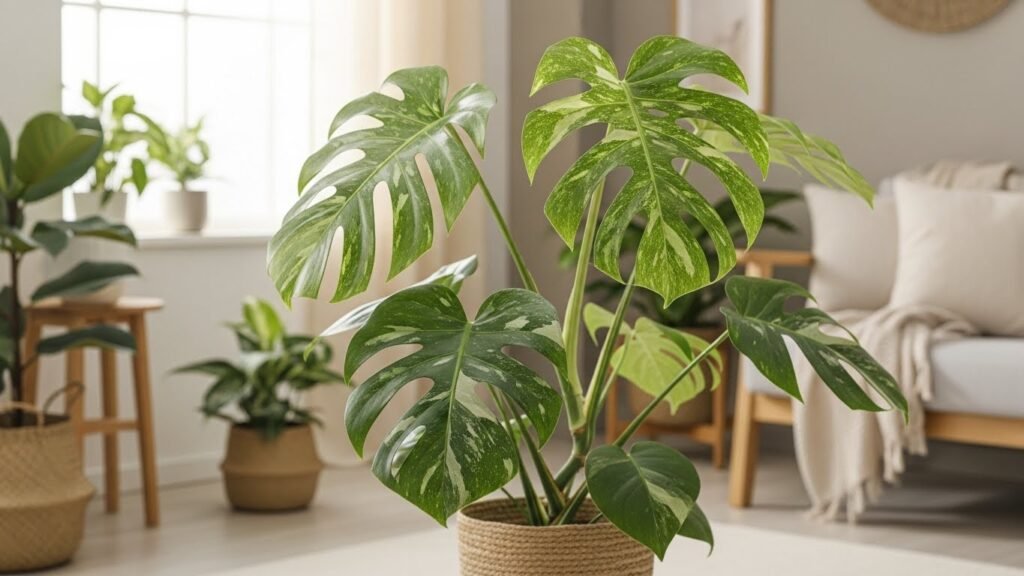
Monstera Thai Constellation is a stunning variety of Monstera deliciosa, prized for its unique creamy white and green marbled leaves. This beautiful plant has become a favorite among plant enthusiasts due to its striking appearance and slow growth. While once considered rare and expensive, it’s now more widely available but still sought after for its rarity and slow-growing nature.
This guide will help you understand everything about caring for a Monstera Thai Constellation. We’ll cover topics like light, temperature, humidity, watering, soil conditions, and more to ensure your plant thrives. If you’re looking to enhance your plant collection and care, this is the ultimate guide to keeping your Monstera Thai Constellation healthy and happy.
Origins and Appearance
Monstera Thai Constellation is a variegated form of Monstera deliciosa, which makes it unique in the Monstera family. Its beautiful, marbled pattern of creamy white and green leaves is what sets it apart from other varieties of Monstera. Unlike some other variegated Monsteras, the Thai Constellation has stable variegation, meaning it won’t revert to solid green as some variegated plants tend to do.
The plant is characterized by large, fenestrated (splitted) leaves, which is a common feature of Monsteras. As the plant matures, the fenestrations become more prominent, giving it a striking and architectural look. These plants grow slowly, and their stunning appearance makes them a coveted addition to any indoor garden. The slow growth rate adds to their allure, making them more desirable and rare.
Key Features:
- Large, fenestrated leaves: as the plant matures, the leaves develop splits and holes.
- Stable variegation: creamy white and green marbling, which doesn’t revert to green.
- Slow-growing nature: Monstera Thai Constellation takes time to grow, making it even more desirable.
Light Conditions

Ideal Light Conditions
Monstera Thai Constellation requires bright, indirect light to flourish. Place the plant near an east-facing window or somewhere where it gets filtered sunlight throughout the day. It does not tolerate direct sunlight, which can scorch its delicate variegated leaves.
- Bright, indirect light is the best way to maintain vibrant variegation.
- Low light conditions can cause the plant to lose its variegation and revert to green leaves.
- Ensure the plant gets at least 6 hours of indirect sunlight a day for optimal growth.
Impact of Light on Variegation
The variegation on Monstera Thai Constellation is directly impacted by light. Bright light helps preserve the unique creamy white and green marbling. Without sufficient light, the plant’s variegation will diminish, and the new leaves may be solid green, making them less attractive.
- Increase light exposure if you notice fading or loss of variegation.
- Be cautious with low light; it will affect both growth and the distinctive marbled pattern.
Adjusting Light for Growth
If your plant is not growing as expected, it may not be getting enough light. Adjust the plant’s placement to a spot with better indirect sunlight and watch for more rapid growth and clearer variegation. Thai Constellation needs bright, indirect light to grow and maintain its stunning appearance.
Quick Light Tips:
- Place the plant near an east-facing window for consistent morning light.
- Avoid south or west-facing windows where direct sunlight can scorch the leaves.
Temperature and Humidity
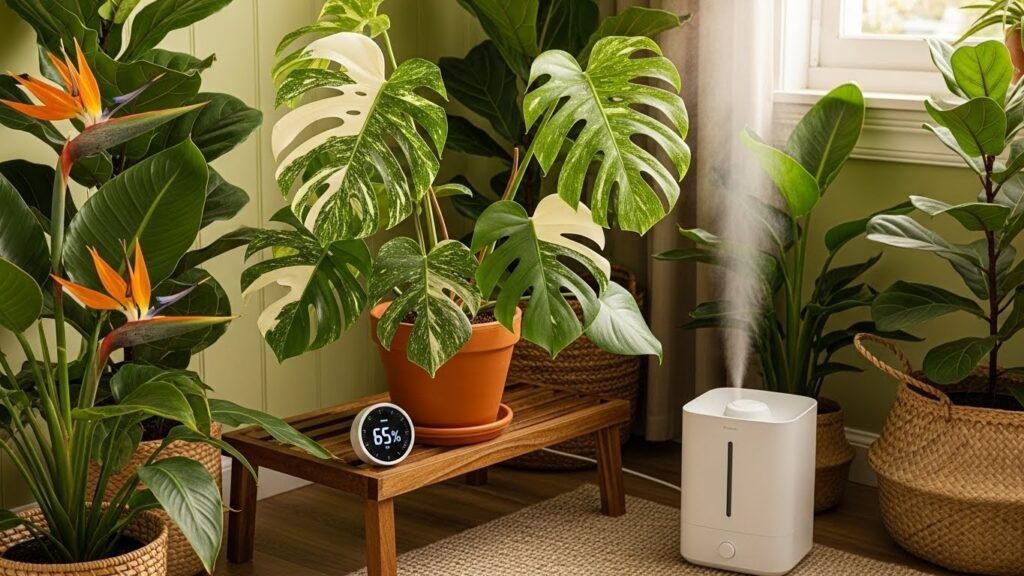
Temperature Requirements
Monstera Thai Constellation thrives in warm conditions. The ideal temperature range is between 65°F to 85°F (18°C to 29°C). This plant dislikes cold drafts or temperatures below 60°F (15°C).
- Ideal temperature: 65°F to 85°F (18°C to 29°C).
- Avoid cold drafts or exposure to temperatures below 60°F (15°C).
- Maintain a consistent temperature for healthy growth.
Humidity Preferences
Monstera Thai Constellation prefers moderate to high humidity, around 60–70%. If you live in a dry climate, or the indoor air is dry due to heating or air conditioning, a humidifier can help increase the moisture in the air.
- Humidity above 50% is sufficient for the plant to stay healthy.
- If the air is too dry, the plant’s leaf edges may turn brown, a sign of low humidity.
- Mist the plant lightly if humidity is low, but a humidifier is more effective for maintaining the optimal moisture levels.
Dealing with Low Humidity
If the humidity in your home is too low, you may notice the edges of the leaves turning brown or crispy. Try increasing the humidity by grouping plants together or using a humidifier in the room where the plant is located. Maintaining humidity above 50% is important for this plant’s health.
- Humidity tips: Use a humidifier to keep the air moist.
- Grouping plants together can also help increase humidity levels.
Soil and Potting Conditions

Well-Draining Soil Mix
The key to a healthy Monstera Thai Constellation is using well-draining soil. The best mix includes perlite, orchid bark, and coco coir. These components ensure that water drains quickly from the roots, preventing root rot.
- Recommended soil mix: perlite, orchid bark, coco coir, and a little indoor potting soil.
- Avoid heavy, compacted soils, as they retain too much moisture and can cause root rot.
Choosing the Right Pot
Always choose a pot with drainage holes to allow excess water to escape. Plastic or ceramic pots are ideal because they provide stability and prevent water from sitting at the bottom. If your plant is becoming root-bound, it’s time to repot into a slightly larger container.
- Use pots with drainage holes to ensure water flows freely.
- Plastic or ceramic pots are best for stability and root health.
- Avoid pots without drainage as this can lead to root rot.
When to Repot
Monstera Thai Constellation doesn’t need frequent repotting, but you’ll need to repot it every 1–2 years or when the plant has outgrown its current pot. Signs that your plant may need repotting include:
- Root-bound plant: If you see roots coming out of the drainage holes or circling the pot, it’s time to repot.
- Slow growth: If your plant has slowed down or stopped growing, it may be struggling in its current pot.
- Overcrowded roots: When roots take up too much space, they can restrict the plant’s growth and cause water retention problems.
How to Repot
- When repotting, choose a pot 2–4 inches larger than the current one to give the roots room to grow.
- Check the roots: Trim any damaged or dead roots before placing the plant in its new pot.
- Use fresh, well-draining soil for repotting to ensure proper aeration and drainage.
Repotting should be done in spring or early summer, when the plant is in its active growing phase. Avoid repotting in the colder months, as this can cause transplant shock.
Tips for Successful Repotting
- Water the plant thoroughly before repotting to reduce stress.
- Place the plant in a location with bright, indirect light to help it adjust to its new pot.
- Allow the plant time to recover after repotting. Don’t fertilize immediately; wait for the plant to settle into its new pot first.
Watering Strategy

Proper Watering Technique
Water your Monstera Thai Constellation when the top 2–3 inches of the soil feel dry. It’s better to under-water than over-water, as over-watering can lead to root rot.
- Water when the soil is dry: wait until the top 2–3 inches of soil are dry before watering.
- Water thoroughly: ensure water drains from the bottom of the pot.
- Avoid over-watering, as the plant is sensitive to waterlogged soil.
Watering Frequency and Common Mistakes
Water only when necessary. The plant doesn’t like to stay in wet soil for too long. The frequency of watering depends on temperature, humidity, and pot size. In warmer, more humid conditions, you may need to water more frequently.
- Moisture meter: Use it to check the moisture level in the soil before watering.
- Over-watering is harmful: ensure the pot has good drainage and that you’re not leaving water standing in the saucer.
Fertilization
Fertilizer Recommendations
Monstera Thai Constellation benefits from periodic fertilization during its growing season, typically in spring and summer. A balanced, water-soluble fertilizer will provide the necessary nutrients to keep the plant healthy.
- Fertilizer Frequency: Apply fertilizer every 4-6 weeks during the growing season.
- Dilution: Always dilute the fertilizer to half strength to avoid overfeeding the plant.
- Fertilizer Type: Choose a balanced, water-soluble fertilizer with low salt content to avoid harming the plant.
- Avoid over-fertilizing: Too much fertilizer can lead to fertilizer burn, which can damage the plant, especially the variegated parts.
During the fall and winter, when the plant’s growth slows, you should reduce or skip fertilization. Since the plant isn’t actively growing, it doesn’t require the extra nutrients.
Slow Growth Rate
One of the unique characteristics of Monstera Thai Constellation is its slow growth rate. This slow pace can be frustrating for gardeners used to fast-growing houseplants. However, it adds to the appeal and rarity of the plant.
- Growth Expectation: Don’t expect rapid growth; it may take several months before you see new leaves or noticeable size changes.
- Leaf Development: The leaves will grow slowly and are likely to have more pronounced variegation as they mature.
Supporting Growth
- Patience is essential: It can take time for new growth to appear, so don’t rush the process.
- Proper care: Ensuring the plant receives the right light, humidity, and fertilization will support its slow growth.
Common Problems and Troubleshooting

Root Rot and Prevention
Root rot is a common problem with Monstera Thai Constellation, mainly caused by over-watering or poor drainage. It’s essential to prevent water from accumulating in the pot, as stagnant water can cause the roots to rot.
- Signs of root rot: Yellowing leaves, wilting, and soft, mushy roots.
- Prevention: Use a well-draining potting mix, ensure your pot has drainage holes, and avoid over-watering.
- If root rot occurs, remove the plant from the pot, trim any affected roots, and repot it in fresh, well-draining soil.
Leaf Issues: Yellowing, Browning, and Crispy Edges
If the leaves of your Monstera Thai Constellation are showing signs of yellowing, browning, or crispy edges, it may indicate an underlying care issue. Here’s what to look for:
- Yellowing leaves: Usually a sign of over-watering, under-watering, or a nutrient deficiency.
- Browning edges: This could be caused by low humidity, too much direct sunlight, or over-fertilizing.
- Crispy edges: Low humidity or dry air often leads to this issue, especially in the winter months when indoor air tends to be drier.
To solve these problems:
- Adjust watering: Water only when the top 2–3 inches of the soil are dry. Ensure proper drainage.
- Increase humidity: Use a humidifier or place a humidity tray near the plant to boost moisture levels.
- Trim damaged leaves: Cutting off affected leaves will help the plant focus energy on new growth.
Loss of Variegation (Reversion to Green)
One of the most sought-after features of Monstera Thai Constellation is its variegated leaves. However, if the plant is exposed to low light or poor care, it may start to lose its variegation and revert to solid green leaves. This is typically caused by insufficient light or improper care.
To prevent variegation loss:
- Increase light exposure to bright, indirect light to encourage variegation.
- Avoid low light conditions, as this will lead to the loss of the distinctive creamy white markings.
If your plant has started to lose its variegation, don’t worry. Just adjust the care routine and provide bright, indirect light, and over time, new leaves may regain their marbled appearance.
Propagation

How to Propagate
Monstera Thai Constellation can be propagated through stem cuttings. To propagate, you’ll need a cutting that includes:
- At least one node (where the roots and new leaves will form).
- Some aerial roots to help with the rooting process.
Steps for Propagation
- Cut a healthy stem: Use a clean, sharp knife to make a cut just below a node.
- Place the cutting in water: Ensure the node and aerial roots are submerged in water, and leave the cutting in a bright, indirect light spot.
- Wait for roots to form: This may take a few weeks to a couple of months. Change the water regularly to prevent stagnation.
- Transfer to soil: Once the roots are well-established, transplant the cutting into a well-draining soil mix.
Success Rates for Propagation
The success rate of propagation can vary, especially when dealing with variegated Monsteras. Not all cuttings will produce variegated offspring. However, with patience and the right conditions, you can grow a new Monstera Thai Constellation to add to your collection.
- Patience is essential: Propagating Monstera Thai Constellation can be a slow process, but it’s rewarding once you see new growth.
The Right Pot for Thai Constellation
Pot Size and Type
When choosing a pot for Monstera Thai Constellation, make sure it has drainage holes to allow excess water to escape. This will help prevent root rot and ensure the plant’s roots stay healthy.
- Plastic or ceramic pots are ideal for Monstera Thai Constellation because they are sturdy and allow for proper air circulation around the roots.
- Choose a deep pot that gives the roots room to grow. Monstera roots grow deep, so a shallow pot is not recommended.
Pests and Diseases
Common Pests
Although Monstera Thai Constellation is generally resistant to pests, it can still be susceptible to a few common houseplant pests, especially if it’s not cared for properly.
- Mealybugs: These pests appear as small, white, cotton-like clusters on leaves or stems. They can cause damage by sucking sap from the plant.
- Spider mites: These tiny pests are usually found on the undersides of leaves. They may cause speckling, yellowing, and webbing around the plant.
- Thrips: These are small, slender pests that can be difficult to spot. They feed on plant tissue, leading to silvery streaks and damage to leaves.
How to Manage Pests
- Inspect your plant regularly for signs of pests.
- Use a damp cloth or cotton swabs dipped in rubbing alcohol to remove visible pests.
- If the infestation is severe, use insecticidal soap or a natural neem oil solution to treat the plant.
- Isolate the infected plant to prevent pests from spreading to your other plants.
Prevention Tips
- Keep your plant in a clean environment and avoid overcrowding.
- Ensure that the plant gets the proper light, humidity, and air circulation to keep it healthy.
- Quarantine new plants for a week before introducing them to your collection, as pests can often come with newly bought plants.
Diseases and Treatment
Monstera Thai Constellation can also be susceptible to diseases, primarily caused by improper care.
- Fungal diseases: These often result from over-watering or humidity levels that are too high.
- Bacterial infections: These can be caused by water sitting on the leaves for too long, especially if the plant is kept in humid, low-light conditions.
Managing Diseases
- Proper watering techniques: Avoid letting the plant sit in water or allow water to collect on the leaves.
- Remove affected leaves: If the plant shows signs of disease, remove the damaged parts immediately to prevent the spread.
- Sterilize your tools: Clean your pruning tools before using them on other plants to avoid transmitting diseases.
- Increase air circulation: Ensure the plant has enough airflow to help reduce humidity around the plant and prevent fungal growth.
Maintaining Optimal Health
Regular Inspection
Regularly check your Monstera Thai Constellation for any signs of stress, pests, or diseases. Early detection allows you to take prompt action before the problem spreads.
- Look for yellowing leaves, which could indicate over-watering or a nutrient imbalance.
- Check for wilting: While occasional wilting can be normal due to natural watering cycles, consistent wilting can signal root rot or a water shortage.
- Inspect new growth: Healthy new leaves should be vibrant with clear variegation.
Proper Pruning
Pruning is important for the health of your Monstera Thai Constellation and can help encourage new growth.
- Remove dead or damaged leaves: This not only improves the appearance of the plant but also directs energy to healthier areas of the plant.
- Cut back leggy growth: If your plant is growing unevenly or too tall, prune the top part to encourage a more bushy growth pattern.
- Sterilize your tools before pruning to avoid transferring diseases or pests to the plant.
Support and Training for Growth
Monstera Thai Constellation is a climbing plant by nature, and it can benefit from support structures as it grows.
- Use a moss pole or trellis to give the plant a place to climb.
- Train the vines gently around the pole to encourage upward growth.
- Provide support as the plant grows to help it reach its mature height of up to 16 feet (4.8 meters) in optimal conditions.
Seasonal Care Adjustments
Spring and Summer Care
Spring and summer are the growing seasons for Monstera Thai Constellation. During this time, the plant will need more attention and care.
- Increase watering: Since the plant is actively growing, it will require more water during the warmer months.
- Increase fertilization: Fertilize your plant every 4–6 weeks with a balanced water-soluble fertilizer.
- Ensure proper humidity: These months typically have higher humidity, which is great for your Monstera Thai Constellation, but you may still need to adjust if your home is dry.
Fall and Winter Care
During fall and winter, Monstera Thai Constellation enters a resting phase, so it doesn’t require as much attention as it does in the growing season.
- Reduce watering: Water less frequently during the cooler months since the plant’s growth slows down.
- Stop fertilizing: Fertilizing during this time can lead to nutrient burn since the plant is not actively growing.
- Maintain humidity: Though the plant grows slower, it still needs proper humidity to thrive. If you have dry indoor air during winter, use a humidifier to maintain the necessary moisture levels.
Slow Growth and How to Encourage Faster Development
Promoting Faster Growth
While Monstera Thai Constellation is known for its slow growth, there are ways to encourage more rapid development.
- Increase light exposure: Providing the plant with bright, indirect light will help boost its growth.
- Use a nutrient-rich soil mix: Ensure the soil is well-draining but also provides enough nutrients to support healthy growth.
- **Consider adding a liquid seaweed-based fertilizer to the plant’s care regimen during the growing season to promote growth.
Slow Growth Considerations
Understand that Monstera Thai Constellation is naturally slow-growing. This can be frustrating, but it’s part of its charm. It’s important to have patience while caring for the plant, as it will reward you with beautiful, variegated leaves over time.
- Slow growth isn’t a sign of poor care: It’s just how the plant grows. The plant may not put out new leaves immediately, but with the right care, it will continue to thrive.
- Don’t expect instant results: It may take months for the plant to produce new leaves or to show significant growth.
Summary of Key Care Tips
Taking care of Monstera Thai Constellation involves understanding its needs and adjusting your care routine accordingly. Here’s a quick summary of the most important tips to ensure your plant stays healthy:
- Light: Ensure it gets bright, indirect light for at least 6 hours a day. Avoid direct sunlight, as it can scorch the delicate variegation.
- Watering: Water when the top 2–3 inches of soil feel dry. Always make sure the plant has proper drainage to prevent root rot.
- Humidity: Keep the humidity level at 60–70% to help the plant grow strong and healthy. If the air is dry, consider using a humidifier.
- Temperature: Monstera Thai Constellation thrives in warm temperatures between 65°F to 85°F (18°C to 29°C). Avoid exposing it to temperatures below 60°F (15°C).
- Soil: Use a well-draining soil mix that includes perlite, orchid bark, and coco coir. This helps ensure that water drains quickly and does not sit in the pot, which can lead to root rot.
- Repotting: Repot your Monstera every 1–2 years or when the plant becomes root-bound. Be sure to use a pot 2–4 inches larger than the current one.
By following these tips, you can ensure that your Monstera Thai Constellation continues to thrive in your care.
Conclusion
Monstera Thai Constellation is a beautiful and unique plant that can be a bit more challenging to care for compared to other houseplants. However, with the right care, it can thrive and reward you with stunning, variegated leaves. The key to success is providing it with the right balance of light, humidity, and watering while avoiding common pitfalls like over-watering and poor drainage.
By following the tips and advice outlined in this guide, you can ensure your Monstera Thai Constellation stays healthy and continues to grow. Whether you’re new to caring for Monsteras or an experienced plant parent, patience and attention to detail will be your best tools for success.
With proper care, your Monstera Thai Constellation will become a beautiful and thriving part of your indoor plant collection, bringing elegance and beauty to your space for years to come.
FAQs: Troubleshooting Common Issues
Why are the leaves of my Monstera Thai Constellation turning yellow?
Yellowing leaves are often a sign of over-watering, under-watering, or a nutrient deficiency. Check the soil moisture and ensure it’s well-draining. If the problem persists, consider adjusting your fertilization routine.
How do I fix brown spots on my Monstera Thai Constellation’s leaves?
Brown spots are usually caused by sunburn, over-watering, or a fungal infection. Move the plant out of direct sunlight, water it properly, and ensure the leaves are not sitting in stagnant water. If the spots worsen, prune the affected leaves.
Why is my Monstera losing variegation?
Low light is the most common cause of variegation loss. Provide your plant with more bright, indirect light to restore its creamy white and green marbled leaves. If this doesn’t work, consider adjusting the temperature or humidity levels.
My Monstera’s leaves are turning brown and crispy at the edges. What can I do?
Crispy edges are often a result of low humidity or dry air. Increase the humidity around the plant by using a humidifier or placing a humidity tray near the plant. You can also mist the leaves occasionally to help maintain moisture levels.
How can I propagate Monstera Thai Constellation?
Monstera Thai Constellation can be propagated via stem cuttings. Ensure the cutting has at least one node and some aerial roots. Place the cutting in water or soil and allow it to root before transplanting it into a new pot.
Is Monstera Thai Constellation prone to pests?
Monstera Thai Constellation can be affected by pests like mealybugs, spider mites, and thrips, though it’s generally resistant. Regularly inspect the plant for pests, and if you notice an infestation, treat it with insecticidal soap or neem oil. Prevent future infestations by keeping the plant in a clean environment and maintaining proper care.
Why is my Monstera growing so slowly?
Monstera Thai Constellation is naturally a slow-growing plant. However, slow growth can also be caused by insufficient light, humidity, or nutrients. Ensure the plant is getting enough bright, indirect light, and adjust your watering and fertilization schedule accordingly.
Can I grow Monstera Thai Constellation in low light conditions?
Monstera Thai Constellation requires bright, indirect light to maintain its variegation. While it can tolerate low light for short periods, prolonged exposure to low light will cause the plant to lose its variegated leaves and slow down growth.
What type of fertilizer should I use for Monstera Thai Constellation?
Use a balanced, water-soluble fertilizer during the growing season (spring and summer). Dilute the fertilizer to half strength to avoid overfeeding the plant. In the fall and winter, skip fertilizing since the plant is not actively growing.
How often should I water Monstera Thai Constellation?
Monstera Thai Constellation should be watered when the top 2–3 inches of soil feel dry. Water thoroughly until it drains out from the bottom, but ensure the plant doesn’t sit in standing water. Watering frequency will depend on the temperature, humidity, and the size of the pot, but in general, it needs watering every 7–10 days during the growing season (spring and summer) and less frequently in fall and winter.
What type of pot is best for Monstera Thai Constellation?
Monstera Thai Constellation requires a pot with drainage holes to prevent water from accumulating at the bottom and causing root rot. Plastic or ceramic pots are ideal as they are sturdy and allow for proper root growth. Choose a pot that is deep enough for the roots and about 2–4 inches larger than the current one when repotting.
Can I grow Monstera Thai Constellation outside?
Monstera Thai Constellation is a tropical plant that thrives in warm temperatures and humidity. While it can be grown outdoors in tropical climates, it is best kept indoors in most places, as it is sensitive to cold temperatures. If you live in a climate where temperatures regularly fall below 60°F (15°C), it is best to grow this plant indoors.
Is Monstera Thai Constellation pet-friendly?
Monstera Thai Constellation is toxic to pets, including dogs and cats. The plant contains calcium oxalate crystals, which can cause irritation and discomfort if ingested. Keep the plant out of reach of pets or consider using non-toxic alternatives if you have animals that tend to chew on plants.
What is the ideal humidity for Monstera Thai Constellation?
Monstera Thai Constellation thrives in humidity levels of 60–70%. The plant enjoys moderate to high humidity, which helps it grow vigorously and maintain its stunning variegation. If your home is dry, especially during winter, consider using a humidifier or placing the plant on a humidity tray with water and pebbles.
Can I prune Monstera Thai Constellation?
Yes, you can prune Monstera Thai Constellation to remove damaged, yellowing, or dead leaves. Pruning also helps shape the plant and encourage bushier growth. Use clean, sharp scissors or pruning shears to cut back any unwanted stems or leaves. Always cut above a leaf node to promote new growth.
How do I propagate Monstera Thai Constellation?
Monstera Thai Constellation can be propagated through stem cuttings. Ensure the cutting has at least one node (the part of the stem where roots and new leaves grow). Place the cutting in water or soil to root. Once roots form, you can transplant the cutting into a well-draining potting mix. Keep the cutting in bright, indirect light to encourage successful rooting.
Why is my Monstera Thai Constellation growing slowly?
Monstera Thai Constellation is naturally a slow-growing plant, but if its growth has significantly slowed down or stopped, there may be a problem. Possible causes include:
- Insufficient light: The plant needs bright, indirect light to grow well.
- Inconsistent watering: Ensure you’re not over- or under-watering the plant.
- Low humidity: The plant requires moderate to high humidity, which encourages growth.
What can I do if my Monstera Thai Constellation leaves are turning brown?
Brown leaves or crispy edges can result from several factors:
- Low humidity: Increase humidity using a humidifier or by misting the plant.
- Direct sunlight: The plant may be exposed to too much direct sunlight, causing burn marks.
- Over-watering or under-watering: Ensure the plant is watered properly and that the pot has good drainage.
How can I improve the variegation in Monstera Thai Constellation?
To enhance the variegation in your Monstera Thai Constellation:
- Provide bright, indirect light: Adequate lighting is essential to maintain the variegated pattern. The plant may lose variegation if placed in low-light conditions.
- Avoid too much direct sunlight: While the plant needs light, too much direct sunlight can damage the variegation and cause leaf burn.
How can I prevent pests on my Monstera Thai Constellation?
To prevent pests like mealybugs, spider mites, and thrips:
- Inspect your plant regularly for signs of pests such as webbing or white, cotton-like clusters.
- Use insecticidal soap or neem oil to treat infestations.
- Keep the plant in a clean environment and maintain proper care conditions to prevent pests from taking hold.
- Quarantine new plants for a week before introducing them to your collection to avoid introducing pests.
Why are the new leaves on my Monstera Thai Constellation solid green?
If the new leaves are solid green, it may be a sign of insufficient light. The variegated parts of the plant need plenty of bright, indirect light to develop their characteristic creamy white and green colors. Move the plant to a brighter location or increase light exposure, but avoid direct sunlight, which can scorch the delicate leaves.
What size pot should I use for Monstera Thai Constellation?
For Monstera Thai Constellation, choose a pot that is 2–4 inches larger than its current one when repotting. The pot should have drainage holes to prevent water accumulation, which can lead to root rot. Use a deep pot to accommodate the plant’s growing root system. Avoid using a pot that is too large, as it can hold excess moisture and lead to root rot.