Skip to content
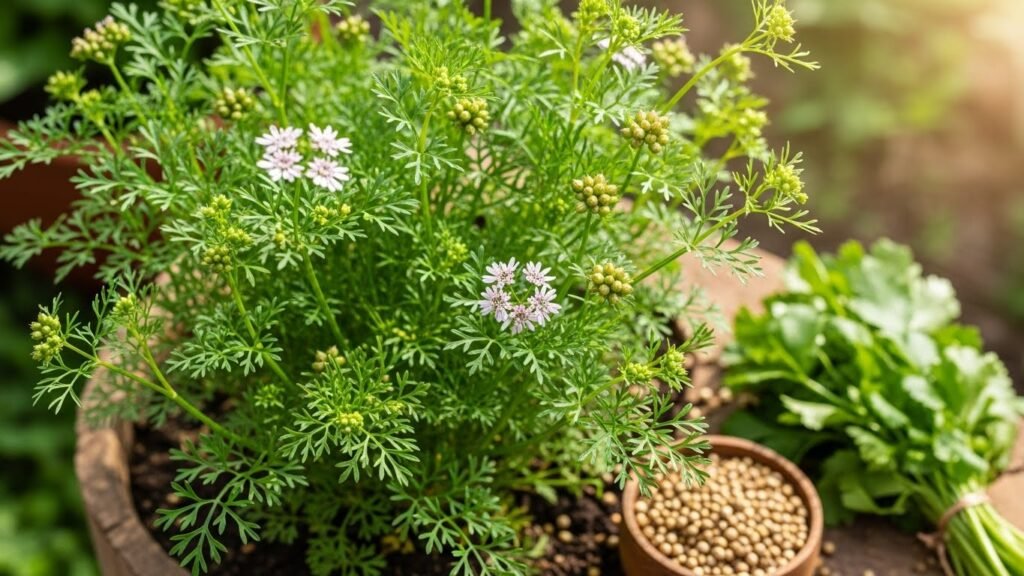
Growing Koriandri at home is one of the easiest ways to enjoy fresh, flavorful herbs straight from your garden. Whether you know it as coriander or cilantro, this fast-growing herb rewards even beginner gardeners with fragrant leaves and aromatic seeds. I like growing it because it takes very little space, grows well in garden beds or containers, and can be harvested several times during the season with the right care.
In this guide, I’ll show you how to grow Koriandri from seed, choose the best growing location, prepare the soil, avoid common mistakes, and harvest healthy leaves and seeds. The advice is based on established horticultural practices and practical gardening methods that work well in home gardens.
Quick Answer: How to Grow Koriandri
To grow Koriandri successfully, sow fresh seeds directly into well-drained, fertile soil about ¼ inch (6 mm) deep. Place the plants where they receive around 4 to 6 hours of sunlight each day, especially in warm climates where afternoon shade helps delay bolting. Keep the soil evenly moist without making it soggy, thin seedlings to improve airflow, and harvest the outer leaves regularly once the plants are well established. For a continuous harvest, sow a small batch of seeds every two to three weeks during the growing season.
What Is Koriandri?
Koriandri is the common name used in some regions for Coriandrum sativum, a fast-growing annual herb in the parsley family. It has been grown for centuries for both its fresh leaves and its aromatic seeds, making it one of the most useful herbs in home gardens.
One reason gardeners enjoy growing Koriandri is that every part of the plant has a purpose. The tender leaves add fresh flavor to meals, while the mature seeds are harvested as the spice known as coriander. The delicate white or pale pink flowers also attract pollinators such as bees and other beneficial insects, making the plant valuable beyond the kitchen.
Coriander vs. Cilantro
Many beginners think coriander and cilantro are different plants, but they come from the same species.
The names simply refer to different parts of the plant, although usage varies by country.
- Cilantro usually refers to the fresh green leaves and stems.
- Coriander usually refers to the dried seeds used as a spice.
- In the UK and many other countries, the entire plant is commonly called coriander.
- In the United States, the leaves are more often called cilantro while the seeds remain coriander.
Knowing this difference helps when buying seeds or reading gardening advice from different countries.
Plant Characteristics
Koriandri is a cool-season herb with a relatively short growing cycle.
Some of its main characteristics include:
- Botanical name: Coriandrum sativum
- Plant type: Annual herb
- Mature height: Around 12 to 24 inches (30 to 60 cm)
- Spread: Around 8 to 12 inches (20 to 30 cm)
- Flower color: White to pale pink
- Leaf type: Soft, bright green, and feathery
- Seed color: Light green when young, turning brown as they mature
Because the plant grows quickly, you can often begin harvesting leaves within a month under favorable conditions.
Why Grow Koriandri at Home?
Growing Koriandri offers much more than fresh herbs. I always recommend it to beginner gardeners because it grows quickly, fits into small spaces, and teaches many basic gardening skills without requiring complicated care.
Fresh Flavor All Season
Freshly picked cilantro has a stronger aroma and brighter taste than store-bought herbs. Regular harvesting encourages the plant to keep producing new leaves, especially during cool weather.
Budget-Friendly Herb
A single packet of coriander seeds can produce many plants throughout the season. By sowing small batches every few weeks, you can enjoy a steady supply of fresh herbs without buying them repeatedly.
Supports Pollinators
If allowed to flower, Koriandri attracts bees, hoverflies, and other beneficial insects that help pollinate nearby vegetables and flowers.
Suitable for Small Gardens
One thing I appreciate about Koriandri is its flexibility. It grows well in:
- Garden beds
- Raised beds
- Containers
- Balcony planters
- Windowsill pots
- Indoor herb gardens with enough light
Even gardeners with limited space can grow healthy plants.
Best Time to Grow Koriandri
Timing plays a big role in growing healthy Koriandri. Unlike many herbs that enjoy hot weather, coriander grows best during cool, mild conditions.
| Climate | Best Months to Sow | Main Harvest Period |
| Cool climates | April to August | May to October |
| Temperate climates | March to May and August to September | April to June and September to November |
| Warm climates | October to February | November to April |
| Tropical climates | During the coolest months of the year | About 4 to 8 weeks after sowing |
Rather than relying on calendar dates alone, I recommend watching your local temperatures. Koriandri grows best when daytime temperatures stay between about 10°C and 24°C (50°F to 75°F). Once temperatures rise well above this range, plants usually flower much sooner.
Spring
Spring is usually the best season to sow seeds after the danger of severe frost has passed and the soil begins to warm. Mild temperatures encourage steady leaf growth before summer heat arrives.
Autumn
In many regions, autumn provides another excellent growing season. Cooler temperatures often produce better-quality leaves because plants are less likely to flower early.
Growing in Different Climates
Cool Climates
Gardeners in cooler regions can often grow Koriandri from spring through early autumn. Full sun is usually suitable because temperatures remain moderate.
Warm Climates
In hot regions, I prefer planting during autumn, winter, or early spring. Providing afternoon shade helps reduce heat stress and slows premature flowering.
Tropical Climates
Grow Koriandri during the coolest months of the year. Morning sunlight combined with afternoon shade usually gives better results than full-day sun.
Dry Climates
Regular watering and a layer of organic mulch help maintain consistent soil moisture. Mulch also keeps the root zone cooler during warm afternoons.
Ideal Temperature
Koriandri generally grows best when daytime temperatures stay between 50°F and 75°F (10°C to 24°C). Once temperatures rise for extended periods, plants often begin to bolt, producing flowers and seeds instead of fresh leaves.
Choosing the Right Seeds
Starting with high-quality seeds makes a noticeable difference in germination and overall plant health.
Fresh Seeds vs. Old Seeds
Fresh seeds usually germinate more evenly than old ones. If seeds have been stored for several years or exposed to moisture, germination rates often decline.
Whenever I start a new crop, I use fresh seed from a reliable supplier because it reduces empty spots in the garden and saves time.
Slow-Bolting Varieties
Some varieties have been selected to stay leafy for longer before flowering.
Popular slow-bolting varieties include:
- Slo-Bolt
- Santo
- Calypso
- Cruiser
These varieties are especially useful in areas where temperatures warm quickly.
Should You Split or Soak Coriander Seeds?
Many gardeners notice that coriander seeds are actually small fruits containing two seeds joined together.
Some growers gently split the seed before sowing to improve germination. While this can help in some cases, it should be done carefully to avoid damaging the seed inside.
Soaking seeds in clean water for 12 to 24 hours before planting may also speed up germination by softening the outer coating. After soaking, sow them immediately into prepared soil.
Although soaking can encourage faster sprouting, it is optional. Fresh seeds planted in moist soil usually germinate well without any special treatment.
Choosing the Ideal Growing Location
Selecting the right location helps prevent many common growing problems before they begin.

Garden Beds
Traditional garden beds provide plenty of space for roots to spread and make succession planting easy. Choose a location with fertile, well-drained soil and good air circulation.
Raised Beds
Raised beds warm up quickly in spring and offer excellent drainage. They are especially helpful in areas with heavy clay soil where water tends to collect.
Containers
Koriandri grows very well in containers, making it a great choice for patios, balconies, and small gardens. Containers also allow you to move plants into partial shade during hot weather if needed.
Balconies
A sunny balcony with protection from strong afternoon heat can provide an excellent growing environment. Make sure containers have drainage holes and enough room for healthy root development.
Indoor Growing
Indoor Koriandri grows best near a bright south-facing or west-facing window where it receives several hours of direct light each day. If natural sunlight is limited, grow lights can help maintain healthy growth.
Good airflow is also important indoors because stagnant air may encourage fungal problems.
Soil Preparation
Healthy soil forms the foundation of a productive Koriandri crop. Before sowing seeds, I spend a little time preparing the growing area because it leads to stronger roots and healthier plants throughout the season.
Ideal Soil pH
Koriandri grows best in slightly acidic to neutral soil with a pH between 6.2 and 6.8. This range allows the plant to absorb nutrients efficiently while supporting healthy root growth.
Soil Texture
Loose, loamy soil provides the best balance of drainage, moisture retention, and air circulation. Heavy clay soils can stay too wet, while very sandy soils dry out quickly.
Improve the Soil with Compost
Before planting, mix well-rotted compost or other organic matter into the top layer of soil. Compost improves soil structure, adds nutrients, and helps maintain consistent moisture without causing waterlogging.
Ensure Good Drainage
Poor drainage is one of the most common causes of root problems. If water remains on the soil surface after rain or watering, improve drainage before planting by adding organic matter or using raised beds.
How to Grow Koriandri Step by Step

Once your soil is ready and you’ve chosen a suitable location, it’s time to plant. I’ve found that keeping the process simple and consistent produces better results than trying complicated gardening techniques. Koriandri grows quickly when its basic needs are met.
Step 1: Select Fresh Seeds
Always begin with fresh, high-quality coriander seeds. Fresh seeds usually germinate more evenly and produce stronger seedlings than old seeds that have been stored for several years.
If you decide to soak the seeds overnight, drain them well before sowing. The seeds should feel moist but not soggy.
Step 2: Prepare the Soil
Loosen the soil to a depth of about 6 to 8 inches (15 to 20 cm). Remove stones, weeds, and large clumps that may slow root growth.
Mix compost into the soil before planting. Well-rotted compost improves drainage, supplies nutrients, and creates a healthy growing environment for young roots.
Step 3: Sow the Seeds Correctly
Direct sowing is the best method because Koriandri develops a taproot that does not always respond well to transplanting.
For good germination:
- Sow seeds about ¼ inch (6 mm) deep.
- Leave around 6 to 8 inches (15 to 20 cm) between mature plants.
- Space rows about 12 inches (30 cm) apart.
- Cover the seeds lightly with fine soil.
- Water gently after planting without washing the seeds away.
I prefer planting a small section every two or three weeks instead of sowing everything at once. This simple habit gives me fresh leaves for a much longer period.
Step 4: Water Carefully
Newly planted seeds need consistent moisture while they germinate.
Keep the soil evenly moist but never waterlogged. Very wet soil can reduce oxygen around the seeds and increase the chance of fungal problems.
A watering fitted with a fine rose or a gentle hose setting helps avoid disturbing newly planted seeds.
Step 5: Thin the Seedlings
Once seedlings develop their first true leaves, thin crowded plants.
Healthy spacing improves:
- Air circulation
- Light penetration
- Root development
- Leaf production
Instead of pulling unwanted seedlings, I usually snip them at soil level with small scissors to avoid disturbing nearby roots.
Step 6: Feed the Plants
Koriandri is not a heavy feeder.
If compost was mixed into the soil before planting, additional feeding is often minimal.
When growth slows or leaves become pale, a light application of balanced organic fertilizer or liquid seaweed feed can encourage healthy development.
Avoid excessive nitrogen because it may produce lush leaves with reduced flavor and can increase the risk of weak growth.
Step 7: Apply Mulch
Once the seedlings become established, spread a thin layer of organic mulch around the plants.
Suitable mulch materials include:
- Straw
- Shredded leaves
- Compost
- Fine bark
Mulch helps:
- Retain moisture
- Reduce weeds
- Keep roots cooler
- Minimize soil splash during watering
Leave a small gap around the stems to reduce excess moisture near the base of the plant.
Step 8: Harvest the Leaves
Begin harvesting once the plants are well established and have several healthy stems.
Always pick the outer leaves first while leaving the center growing point untouched. This allows the plant to continue producing fresh foliage.
Step 9: Harvest the Seeds
If you want coriander seeds, allow several plants to flower naturally.
After flowering, green seeds gradually become light brown and dry.
Cut entire seed heads and allow them to finish drying indoors before collecting the seeds for cooking or planting next season.
Growing Koriandri in Pots
Koriandri grows exceptionally well in containers, making it one of my favorite herbs for patios, balconies, and small gardens.
Container gardening also allows you to move plants when temperatures become too hot or weather conditions change.
Choose the Right Pot
Select a container that is at least:
- 8 to 10 inches (20 to 25 cm) deep
- 10 to 12 inches (25 to 30 cm) wide
The deeper container gives the taproot enough space to grow properly.
Ensure Good Drainage
Every container should have several drainage holes.
Standing water is one of the quickest ways to damage coriander roots.
Adding a layer of coarse material at the bottom is generally unnecessary if the pot already drains well.
Use a Quality Potting Mix
Avoid using heavy garden soil in containers.
Instead, choose a loose potting mix that drains well while retaining enough moisture for steady growth.
Mixing compost into the potting mix provides additional nutrients and improves moisture retention.
Watering Container Plants
Container-grown Koriandri usually dries out faster than plants growing in garden beds.
Check the soil regularly by touching the top inch.
If it feels dry, water thoroughly until excess water drains from the bottom.
During hot weather, container plants may need watering more often than garden plants.
| Feature | Containers | Garden Beds |
| Best for | Small spaces, balconies, patios | Large gardens and vegetable plots |
| Root space | Limited by pot size | Unlimited root growth |
| Watering | Dries faster, needs more frequent watering | Holds moisture longer |
| Soil control | Easier to control potting mix | Depends on existing garden soil |
| Bolting risk | Can overheat faster in summer | Soil stays cooler with mulch |
| Mobility | Easy to move into shade or indoors | Fixed location |
| Beginner friendly | Excellent | Excellent if good soil is available |
Indoor vs. Outdoor Growing
Both indoor and outdoor growing can produce healthy Koriandri, but each method has its own advantages.
Indoor Growing

Indoor growing works well when outdoor space is limited.
Benefits include:
- Protection from frost
- Easier access for harvesting
- Fewer weather-related problems
- Year-round growing in suitable conditions
Challenges include:
- Limited sunlight
- Slower growth
- Reduced airflow
- Higher risk of leggy plants if light is insufficient
Placing containers near a bright window or using grow lights usually improves indoor results.
Outdoor Growing
Outdoor gardens often produce larger plants with stronger flavor because they receive natural sunlight and better airflow.
Benefits include:
- Faster growth
- Better pollination
- Larger harvests
- Less need for artificial lighting
However, outdoor plants may experience:
- Heat stress
- Heavy rainfall
- Strong winds
- Pest damage
In warm regions, providing afternoon shade helps delay bolting and keeps the leaves tender for longer.
Watering Guide
Watering is one of the most important parts of growing healthy Koriandri. Too little water slows growth, while too much can lead to root rot.
According to university extension recommendations, evenly moist soil during germination improves seed emergence, while mature coriander performs best when the soil is allowed to dry slightly between waterings without becoming completely dry.
Rather than watering on a fixed schedule, I always check the soil first.
During Germination
Freshly planted seeds should remain consistently moist.
Allowing the soil to dry completely during germination may reduce sprouting.
Young Seedlings
Young plants have small root systems and need regular moisture.
Water gently whenever the top layer of soil begins to dry.
Mature Plants
Once established, Koriandri becomes slightly more tolerant of short dry periods.
Deep watering encourages stronger root development than frequent shallow watering.
Summer Watering
Hot weather causes moisture to evaporate more quickly.
Water early in the morning whenever possible. This gives plants time to absorb moisture before temperatures rise.
Mulch also helps reduce evaporation.
Winter Watering
During cool weather, plants grow more slowly and usually require less frequent watering.
Always check soil moisture before adding more water.
Signs of Overwatering
Watch for:
- Yellow leaves
- Soft stems
- Wilting despite wet soil
- Mushy roots
- Slow growth
If these symptoms appear, allow the soil to dry slightly before watering again and improve drainage if needed.
Signs of Underwatering
Dry plants often show:
- Drooping leaves
- Dry soil
- Slow growth
- Crispy leaf edges
- Premature flowering
Consistent watering helps prevent unnecessary stress.
Fertilizer Guide
Koriandri generally performs well without heavy feeding, especially in fertile soil enriched with compost.
Over-fertilizing often creates more problems than under-fertilizing.
When to Feed
If compost was added before planting, many home gardens need only one light feeding during the growing season.
Feed only if growth appears slow or leaves become unusually pale.
Best Organic Fertilizers
Good options include:
- Finished compost
- Worm castings
- Fish emulsion
- Liquid seaweed fertilizer
- Balanced organic vegetable fertilizer
These provide nutrients gradually without encouraging excessive leafy growth.
Compost
Compost remains one of the best natural fertilizers for Koriandri.
It improves soil structure while supporting healthy microbial activity that benefits root growth.
Adding compost before planting is often more effective than relying on repeated fertilizer applications later.
Common Fertilizing Mistakes
Avoid these common problems:
- Applying too much nitrogen
- Fertilizing dry soil
- Feeding too frequently
- Using strong chemical fertilizers unnecessarily
Healthy soil usually produces healthier plants than heavy fertilizer use.
How Long Does Koriandri Take to Grow?

One of the reasons I enjoy growing Koriandri is that it matures quickly. With the right growing conditions, you can begin picking fresh leaves within a few weeks of sowing.
Although the exact timing depends on temperature, sunlight, and care, most home gardeners can expect a fairly predictable growing cycle.
Week 1: Germination
Fresh seeds usually germinate within 7 to 14 days when the soil stays evenly moist and temperatures are mild.
During this stage:
- Keep the soil consistently moist.
- Avoid disturbing the seeds.
- Protect the area from heavy rain if possible.
Week 2: Seedling Growth
Small seedlings begin producing their first true leaves.
This is the best time to:
- Thin crowded seedlings.
- Remove weeds carefully.
- Continue gentle watering.
Weeks 3 to 4: Strong Leaf Growth
The plants grow quickly and develop plenty of fresh foliage.
By the end of this stage:
- Plants become bushier.
- Root systems become stronger.
- You can begin harvesting a few outer leaves from healthy plants.
Weeks 5 to 6: Regular Harvesting
Most plants now produce enough leaves for regular harvesting.
Harvesting often encourages fresh growth, provided you avoid removing too much foliage at once.
Weeks 7 to 10: Flowering and Seed Production
If left unharvested, mature plants begin producing flower stalks.
The small white or pale pink flowers eventually develop into green seed clusters that slowly turn brown as they mature.
Week-by-Week Growth Timeline
Here’s a simple guide that I follow when growing Koriandri:
- Week 1: Seeds germinate.
- Week 2: Seedlings develop true leaves.
- Weeks 3–4: Rapid leaf growth begins.
- Weeks 5–6: Start harvesting fresh leaves.
- Weeks 7–8: Flowers begin to appear if plants bolt.
- Weeks 9–10: Seeds mature for harvesting.
Remember that cooler weather may slow growth slightly, while warm temperatures often speed up flowering.
What Worked Best in My Garden
One habit made a bigger difference than anything else I tried: sowing a small batch of seeds every two tothree weeks instead of planting everything at once. This gave me young plants ready to harvest while older plants naturally began flowering. I also found that giving coriander afternoon shade during hot weather helped the leaves stay tender for longer. Even a few hours of protection from intense summer sun noticeably delayed bolting.
Companion Planting
Koriandri fits well into many vegetable and herb gardens. Good companion plants can improve biodiversity, attract beneficial insects, and make better use of garden space.
Best Companion Plants
Some excellent companions include:
- Lettuce
- Spinach
- Tomatoes
- Onions
- Basil
- Parsley
These plants generally grow well under similar conditions and benefit from the increased activity of pollinators attracted by coriander flowers.
Plants to Avoid
One plant I usually avoid placing nearby is fennel.
Fennel can compete with neighboring plants and may reduce the growth of several herbs and vegetables, including coriander.
Giving both plants their own growing space usually produces better results.
Common Pests and Diseases
Healthy Koriandri plants rarely experience major pest problems, but regular inspection helps catch issues early before they spread.
Aphids
Aphids gather on young shoots and tender leaves, feeding on plant sap.
Signs include:
- Curled leaves
- Sticky residue
- Clusters of tiny insects
A strong spray of water often removes small infestations. Larger outbreaks can usually be managed with insecticidal soap or neem oil.
Whiteflies
Whiteflies hide beneath leaves and fly away when disturbed.
Heavy infestations may weaken plants by feeding on their sap.
Yellow sticky traps can help monitor their numbers, while good airflow reduces favorable conditions.
Spider Mites
Spider mites become more common during hot, dry weather.
Look for:
- Tiny pale spots on leaves
- Fine webbing
- Dry-looking foliage
Increasing humidity around the plants and using insecticidal soap often helps manage light infestations.
Slugs and Snails
Young seedlings are especially attractive to slugs and snails.
Hand-picking them in the evening, removing hiding places, and using suitable barriers can reduce damage.
Fungal Diseases
Poor airflow and excessive moisture may encourage fungal diseases such as leaf spot or powdery mildew.
To reduce the risk:
- Avoid overcrowding.
- Water the soil instead of the leaves.
- Remove infected foliage promptly.
- Improve air circulation.
Root Rot
Root rot is usually caused by poorly drained soil or excessive watering.
Plants with root rot often show:
- Yellow leaves
- Wilting despite moist soil
- Soft roots
- Slow growth
Improving drainage and reducing watering are the best preventive measures.
Integrated pest management resources recommend starting with regular plant inspection, encouraging beneficial insects, and using insecticidal soap or neem-based products only when pest numbers become difficult to manage.
Troubleshooting Common Growing Problems

Even experienced gardeners occasionally face growing problems. Fortunately, most issues can be corrected once the cause is identified.
Yellow Leaves
Possible causes include:
- Overwatering
- Poor drainage
- Nutrient deficiency
- Insufficient sunlight
Solution:
Allow the soil to dry slightly between watering, improve drainage if necessary, and provide adequate sunlight.
Bolting
Bolting happens when the plant quickly produces flowers instead of leaves.
Common causes:
- High temperatures
- Dry soil
- Plant stress
Solution:
Plant during cool seasons, provide afternoon shade in warm climates, and harvest leaves regularly.
Poor Germination
If very few seeds sprout, possible reasons include:
- Old seeds
- Dry soil
- Planting too deeply
- Cold soil
Solution:
Use fresh seeds, sow them shallowly, and maintain even moisture until germination.
Leggy Growth
Long, weak stems usually indicate insufficient light.
Move container plants to a brighter location or use grow lights when growing indoors.
Stunted Plants
Slow-growing plants may result from:
- Crowded seedlings
- Poor soil
- Nutrient shortages
- Root competition
Thinning seedlings and improving soil with compost often solves the problem.
Wilting Plants
Wilting does not always mean the plant needs more water.
Check the soil first.
Both underwatering and root rot can cause similar symptoms.
Common Beginner Mistakes
I often see beginners make the same mistakes when growing Koriandri. Avoiding these problems gives your plants a much better chance of producing healthy leaves.
Planting Too Deep
Seeds buried too deeply may struggle to emerge.
Always plant them about ¼ inch (6 mm) below the soil surface.
Overwatering
Keeping the soil constantly wet increases the risk of root diseases.
Water only when needed.
Overcrowding
Seedlings growing too close together compete for light, nutrients, and airflow.
Thin them early to encourage stronger growth.
Too Much Fertilizer
Heavy feeding often produces lush but weaker growth.
Use compost and organic fertilizers sparingly.
Growing During Peak Summer Heat
Koriandri prefers cool conditions.
In hot climates, sow during cooler seasons or provide afternoon shade.
Harvesting Too Much
Removing too many leaves at one time weakens the plant.
I never harvest more than about one-third of the foliage during a single harvest.
Forgetting Succession Planting
Instead of sowing one large crop, plant a small batch every two or three weeks.
This simple habit provides a continuous supply of fresh leaves throughout the growing season.
Harvesting Koriandri
Harvesting at the right time keeps plants productive and improves flavor.
Harvesting Leaves
Most plants are ready for their first harvest once they reach about 4 to 6 inches (10 to 15 cm) tall and have several healthy stems.
For the best results:
- Harvest outer leaves first.
- Leave the center growing point untouched.
- Use clean scissors or garden snips.
- Harvest regularly to encourage fresh growth.
I usually harvest in the morning after the dew has dried because the leaves are fresh and full of flavor.
Harvesting Seeds
If growing Koriandri for coriander seeds, allow some plants to flower naturally.
Harvest the seeds when:
- They turn light brown.
- The seed heads become dry.
- The seeds separate easily from the stems.
Cut the seed heads and place them in a paper bag or tray to finish drying before storage.
Saving Seeds for Next Season
Saving your own coriander seeds is simple and can reduce gardening costs year after year.
Dry the Seeds
Allow freshly harvested seed heads to dry completely in a warm, well-ventilated location away from direct rain.
Clean the Seeds
Once dry, gently rub the seed heads to separate the seeds from the remaining plant material.
Remove any stems or debris before storage.
Store Correctly
Place clean, dry seeds in a paper envelope or airtight container.
Store them in a cool, dark, and dry location.
Properly stored seeds often remain suitable for planting for several years, although fresher seeds generally produce better germination.
Replant Next Season
Before sowing saved seeds, check that they remain dry, clean, and free from mold or insect damage.
Harvesting Koriandri for the Best Flavor
One of the things I enjoy most about growing Koriandri is that I don’t have to wait months before enjoying the harvest. Fresh leaves are usually ready within a few weeks, while the seeds take longer to mature. Harvesting at the right stage gives you the best flavor and helps the plant stay productive.
When to Harvest the Leaves

Most Koriandri plants are ready for their first leaf harvest about 3 to 4 weeks after sowing, once they reach around 10 to 15 cm (4 to 6 inches) tall.
I always harvest the outer leaves first and leave the center growing point untouched. This simple habit keeps the plant producing fresh foliage for much longer.
Good signs that the leaves are ready include:
- Bright green color
- Soft, tender stems
- Strong fresh aroma
- Healthy new growth in the center
Morning is usually the best time to harvest because the leaves contain more moisture and stay fresher.
How to Harvest Without Damaging the Plant
Instead of pulling leaves by hand, I use clean scissors or garden snips.
Here’s the method that works well:
- Cut the outer stems close to the base.
- Leave at least one-third of the plant untouched.
- Never remove the entire plant unless you want coriander seeds.
- Harvest regularly to encourage fresh growth.
Frequent harvesting also delays flowering because the plant continues producing leaves instead of putting all its energy into seeds.
Harvesting Coriander Seeds
If your goal is coriander seeds instead of cilantro leaves, stop harvesting leaves once flower stalks appear.
The plant will produce:
- Small white or pale pink flowers
- Green seed clusters
- Mature brown seeds
Wait until most of the seeds turn light brown before collecting them.
I usually cut entire seed heads, tie them into small bundles, and hang them upside down inside a paper bag. As they dry, the seeds naturally fall into the bag.
This method keeps nearly every seed clean and easy to collect.
Saving Koriandri Seeds for Next Season
Saving your own seeds is simple and helps you grow plants adapted to your local garden over time.
Step 1: Allow Seeds to Mature
Do not harvest too early.
The seed heads should:
- Turn brown
- Feel dry
- Produce hard seeds that separate easily
Step 2: Dry the Seeds
Spread the harvested seed heads in a dry, airy place for one to two weeks.
Avoid direct sunlight because excessive heat can reduce seed quality.
Step 3: Clean the Seeds
Rub the dry seed heads gently between your hands.
Remove dried flower parts and stems until only clean seeds remain.
Step 4: Store Correctly
Store seeds in:
- Paper envelopes
- Glass jars
- Airtight containers
Keep them somewhere cool, dry, and dark.
Properly stored coriander seeds often remain viable for two to three years, although fresh seed usually gives the best germination.
Storing Fresh Leaves and Seeds
A successful harvest deserves proper storage.
Refrigerating Fresh Leaves

For short-term storage:
- Rinse gently.
- Pat dry completely.
- Wrap loosely in paper towels.
- Store inside a sealed container or reusable bag.
Fresh leaves usually stay usable for about one week.
Freezing Leaves
When I have more leaves than I can use, freezing works well.
Options include:
- Freeze chopped leaves in ice cube trays with water.
- Freeze chopped leaves with olive oil.
- Freeze whole washed leaves in freezer bags.
Frozen cilantro loses some texture but keeps much of its flavor for cooked meals.
Drying Coriander Seeds
Whole coriander seeds store far better than ground coriander.
After drying:
- Store whole seeds in airtight jars.
- Grind only when needed.
- Keep away from moisture and direct sunlight.
Whole seeds often keep their flavor for a year or longer.
Growing Koriandri Throughout the Year
Although coriander prefers cool weather, a few simple techniques can extend your harvest significantly.
Succession Planting
Instead of sowing one large crop, sow a small batch every two to three weeks during the growing season.
This provides:
- Continuous fresh leaves
- Younger plants replacing older ones
- Less risk of every plant bolting together
This is one of the easiest ways to enjoy fresh coriander for months.
Protecting Plants from Summer Heat
High temperatures are one of the biggest reasons coriander flowers early.
During hot weather I recommend:
- Afternoon shade
- Shade cloth during heat waves
- Extra mulch
- Regular watering
- Choosing slow-bolting varieties
Extending the Season in Cold Weather
Gardeners in cooler climates can grow coriander later into the year using:
- Row covers
- Cold frames
- Small greenhouses
- Cloches
- Indoor containers near sunny windows
These methods protect plants from frost while allowing continued growth.
Best Koriandri Varieties to Grow
Different varieties suit different gardening goals.
Best for Beginners
- Santo
- Leisure
- Calypso
These varieties are reliable, easy to grow, and produce good leaf harvests.
Best Slow-Bolting Varieties
If your summers are warm, choose:
- Calypso
- Cruiser
- Slow Bolt
These stay leafy longer before flowering.
Best for Containers
Compact varieties perform well in pots because they remain manageable and produce steady leaf growth.
Examples include:
- Confetti
- Leisure
Best for Seed Production
Gardeners interested in harvesting coriander spice often choose traditional coriander varieties that produce abundant flower heads and large seed clusters.
Culinary Uses of Koriandri

Growing your own coriander means fresh ingredients are always close at hand.
Fresh cilantro works well in:
- Salads
- Curries
- Soups
- Chutneys
- Salsa
- Tacos
- Rice dishes
- Noodle recipes
- Sandwiches
- Marinades
Coriander seeds are commonly used in:
- Curry powders
- Pickling blends
- Roasted vegetables
- Bread recipes
- Spice rubs
- Stews
Freshly harvested leaves usually have a stronger aroma than store-bought bunches that have spent days in transport.
Health Benefits of Koriandri
Koriandri is valued for both its flavor and nutritional content.
Fresh leaves provide useful amounts of:
- Vitamin A
- Vitamin C
- Vitamin K
- Folate
- Potassium
The plant also contains naturally occurring antioxidants and beneficial plant compounds.
While coriander has been studied for possible effects on digestion, blood sugar regulation, and inflammation, more high-quality human research is still needed. I prefer to enjoy it as part of a balanced diet rather than treating it as a medicine.
The biggest health benefit for most gardeners is simple: adding more fresh herbs to everyday meals makes healthy eating easier and more enjoyable.
Conclusion
Growing Koriandri is one of the easiest ways to enjoy fresh herbs straight from your own garden. Once you understand its love for cool weather, consistent moisture, and well-drained soil, the plant becomes surprisingly low maintenance. I have found that small habits, like sowing fresh seeds every few weeks, harvesting outer leaves regularly, and protecting plants from extreme heat, make a huge difference in both yield and flavor.
Whether you choose to grow it in a raised bed, vegetable garden, container, balcony planter, or sunny kitchen windowsill, Koriandri rewards even beginner gardeners with fresh leaves in just a few weeks. Start with a small patch, pay attention to your local weather, and adjust your watering as the seasons change. Before long, you’ll have a steady supply of homegrown coriander for your kitchen and even enough seeds to plant again next season.
Frequently Asked Questions
Can I grow Koriandri all year?
Yes, in mild climates. In colder regions, grow it indoors during winter or protect outdoor plants with row covers or cold frames.
Should I split coriander seeds before planting?
Many gardeners gently crush the seed husk into two halves before sowing because it can improve germination. It is optional but often helpful.
Should I soak coriander seeds?
Soaking seeds in water for 12 to 24 hours before planting can speed up germination, especially if the seeds are older.
Why does my coriander bolt so quickly?
Warm temperatures, long daylight hours, drought stress, and overcrowding are the most common causes.
Can coriander grow in shade?
Yes. It grows well with morning sun and afternoon shade, especially in warm climates.
How often should I water coriander?
Water enough to keep the soil evenly moist during germination. Mature plants usually need watering when the top layer of soil begins to dry.
Can I regrow coriander after cutting?
Yes. Harvesting outer leaves while leaving the center intact allows multiple harvests.
How long does coriander take to grow?
Seeds usually germinate within 7 to 21 days. Leaf harvest often begins after 3 to 4 weeks, while seed harvest usually takes around 90 to 120 days depending on the variety and weather.
Can I grow coriander indoors?
Yes. Use a bright south-facing window or quality grow lights, along with a deep container that drains well.
Is coriander easy for beginners?
Absolutely. With cool temperatures, regular watering, and well-drained soil, it is one of the easiest herbs for new gardeners to grow.
How This Article Was Created
This guide was created using established horticultural practices, trusted botanical references, university extension recommendations, and widely accepted home gardening methods for growing Coriandrum sativum. Growing advice reflects current best practices for seed sowing, soil preparation, watering, harvesting, pest management, and seasonal care used by experienced gardeners and professional horticulturists.
Because every garden is different, factors such as climate, soil type, rainfall, temperature, and sunlight can affect results. Use this guide as a practical starting point, observe how your own plants respond, and adjust your growing methods to suit your local conditions for the healthiest and most productive Koriandri plants.