Skip to content
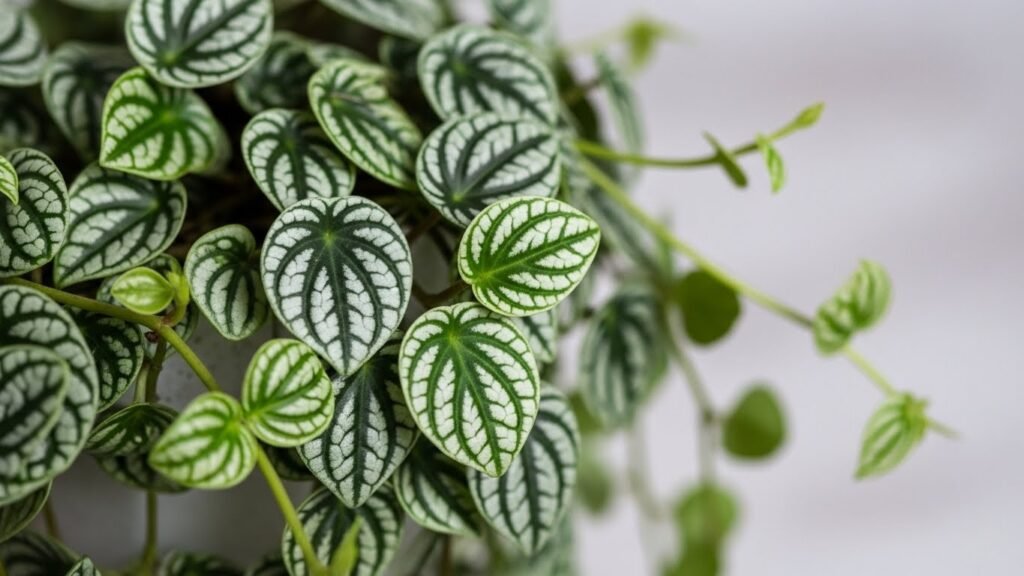
String of Turtles (Peperomia prostrata) is a captivating trailing plant known for its small, turtle-shell-patterned leaves. Native to the rainforests of South America, particularly Brazil, this plant is becoming increasingly popular among plant enthusiasts. Its unique appearance and relatively easy care requirements make it a perfect addition to any indoor plant collection. In this guide, we will explore everything you need to know about growing, caring for, and propagating your own String of Turtles.
What Is a String of Turtles?
String of Turtles is a semi-succulent plant that grows in trailing vines, perfect for hanging baskets or containers. Its leaves are small and round, with distinctive markings that resemble turtle shells, giving it a unique and attractive look. Despite its tropical origins, this plant is surprisingly easy to care for, making it ideal for beginners and seasoned plant parents alike.
Light Requirements for String of Turtles

String of Turtles thrives in bright, indirect light. This is essential for promoting healthy growth and maintaining its vibrant leaf patterns. While it can tolerate low light conditions, its growth will slow down, and the unique leaf markings may fade. Here’s a breakdown of its light needs:
Bright Indirect Light
- Ideal Position: Place your String of Turtles in a location where it will receive bright but indirect light. A windowsill with sheer curtains or a spot near a window with filtered light is perfect.
- Avoid Direct Sunlight: Direct sunlight can scorch its delicate leaves, causing them to turn yellow or brown. It’s best to keep the plant away from direct midday or afternoon sun.
Low Light
- If your home has lower light, the String of Turtles can still survive, but its growth will become more leggy, and the leaves might not display the classic turtle shell pattern. You may also notice slower growth. Using grow lights can help if natural light is insufficient.
Tip: If the plant’s leaves start to look stretched out or the leaf markings are fading, it might be a sign it needs more light.
Soil and Potting Mix for String of Turtles

A well-draining potting mix is crucial to the health of your String of Turtles. Since it’s native to the humid Brazilian rainforests, it prefers a soil mix that allows for both moisture retention and good drainage. Here’s the best soil combination for your plant:
Well-Draining Soil
- Recommended Mix: A mix of peat, orchid bark, and pumice provides the right balance of drainage and moisture retention. A soil-free mix is also a great option, as it reduces the risk of root rot.
- Alternative Mixes: You can create your own mix with 2 parts succulent/cactus mix and 1 part pumice or perlite. This mix ensures good aeration for the roots.
Potting Tips
- Use a shallow pot with drainage holes. Since the String of Turtles has shallow roots, a deep pot isn’t necessary.
- Root Health: Make sure to check the root system regularly. If the roots are crowded, it’s time to repot.
Watering Your String of Turtles

One of the most important aspects of caring for a String of Turtles is getting its watering schedule right. This plant is sensitive to both overwatering and underwatering, so it’s essential to strike the perfect balance.
Watering Guidelines
- Soak and Dry Method: Water thoroughly, allowing excess water to drain out of the pot. Let the soil dry out before watering again. The top 2 inches of soil should be dry before you water it again. This prevents root rot, which is common in succulents.
- Underwatering Signs: If your String of Turtles starts to develop crispy, dry leaves, it might be underwatered. Make sure to increase your watering frequency during the growing season.
- Overwatering Signs: Overwatering leads to yellowing leaves and mushy stems. If you notice these signs, reduce watering and check for root rot. Ensure that the soil has proper drainage and that the pot isn’t holding excess water.
Bottom Watering
- Technique: To avoid wetting the leaves, consider bottom watering. Place the pot in a shallow tray of water for about 20 minutes, allowing the plant to absorb moisture from the bottom up. This method prevents the risk of water collecting on the leaves, which can lead to rot.
Pro Tip: During the colder months, reduce watering. The plant enters a dormant state and requires less water.
Temperature and Humidity Needs for String of Turtles
String of Turtles enjoys a warm, humid environment, similar to its native Brazilian rainforest. Keeping your plant in the right temperature and humidity conditions will promote healthy growth.
Temperature
- Ideal Range: The optimal temperature range for String of Turtles is between 68°F and 75°F (20°C to 24°C). Avoid placing it in locations that experience temperature extremes, like near air conditioning vents or radiators.
- Cold Sensitivity: This plant is not frost-tolerant and should be kept indoors in colder climates.
Humidity
- Humidity Preference: Since it’s native to humid environments, the String of Turtles thrives with higher humidity levels, around 50% or more.
- Low Humidity Solutions: If your home has dry air, especially during the winter, you can increase humidity by placing the plant in a group with other plants or using a humidifier. Misting the leaves occasionally also helps, but ensure they dry off by evening to prevent fungal issues.
Fertilizing String of Turtles
While String of Turtles is not a heavy feeder, it still benefits from periodic feeding, especially during the growing season.
Fertilizing Guidelines
- Type of Fertilizer: Use a balanced, water-soluble fertilizer, diluted to half strength. A fertilizer high in calcium is ideal, as calcium helps maintain healthy, strong leaves.
- Frequency: Fertilize every 2 to 4 weeks during the spring and summer months, when the plant is actively growing. Avoid fertilizing during the fall and winter when the plant is in its dormant phase.
Note: Too much fertilizer can lead to burnt roots, so it’s better to underfeed than overfeed.
Pruning and Maintenance
Regular pruning helps keep your String of Turtles looking neat and promotes new growth.
Pruning Tips
- Dead or Damaged Leaves: Remove any dead or damaged stems to prevent rot and encourage healthier growth.
- Leggy Growth: If your plant becomes leggy, cut back the long stems to encourage new growth and to keep the plant from becoming too sparse.
- Shape the Plant: Pruning also helps shape the plant, ensuring it doesn’t become too unruly. You can trim it back to a more compact size, or let it trail freely.
Repotting
String of Turtles doesn’t need frequent repotting, but it will need it as it grows and its roots expand. Here’s when and how to repot:
- Signs to Repot: If the roots start showing at the drainage holes, or the plant outgrows its pot, it’s time to repot.
- When to Repot: It’s best to repot in the spring or early summer when the plant is actively growing. Choose a slightly larger pot with good drainage.
Propagating String of Turtles
String of Turtles is an excellent plant for propagation. Whether you want to create more plants for your own collection or share with friends, propagating from cuttings is relatively simple and effective.
How to Propagate from Cuttings
- Choose a Healthy Stem:
Look for a healthy stem with a few leaves. The best cuttings are around 5–6 inches long. Ensure that the cutting is from a healthy part of the plant without any damage or disease. - Cut the Stem:
Using a sharp, clean pair of scissors or pruning shears, cut the stem just below a leaf node. This is the point where new roots will form. - Remove Lower Leaves:
Gently remove the lower leaves from the cutting, leaving just the top leaves. This helps avoid rotting when the cutting is placed in soil or water. - Rooting in Water or Soil:
- Water Method: Place the cutting in a glass of water, ensuring that the leafless portion of the stem is submerged. Change the water every couple of days to prevent any stagnation.
- Soil Method: Place the cutting in a shallow pot with well-draining soil. Lightly mist the cutting to keep it hydrated, and cover it with a plastic bag to create a mini-greenhouse effect.
- Water Method: Place the cutting in a glass of water, ensuring that the leafless portion of the stem is submerged. Change the water every couple of days to prevent any stagnation.
- Wait for Roots to Form:
Roots typically start developing within 2–3 weeks, although it can take longer. Once you see roots forming, it’s time to transplant the cutting into its own pot with well-draining soil. - Transplanting:
Once the roots are well established, move the cutting into a permanent pot. Continue to care for it as you would a mature plant.
Pro Tip: When propagating in water, you can place the cutting near a bright, indirect light source. If propagating in soil, place the cutting in a spot with bright indirect light as well.
Common Problems with String of Turtles
While String of Turtles is generally a low-maintenance plant, it can still experience a few issues. Here’s how to troubleshoot and solve common problems.
1. Leaf Drop
Leaf drop is a common problem with many plants, including the String of Turtles. If you notice your plant losing leaves, here are a few possible causes:
- Cold Temperatures: String of Turtles is sensitive to cold drafts or sudden temperature changes. If the plant is near an air conditioner or a cold window, it may shed leaves as a result of stress.
- Overwatering: Consistent moisture around the roots can cause the plant to shed leaves. Ensure the soil is well-draining and that the top 2 inches of soil are dry before watering again.
- Environmental Stress: Moving the plant frequently or exposing it to inconsistent conditions (such as low light or a dry environment) can lead to leaf drop.
2. Yellowing Leaves
Yellowing leaves are often a sign that your String of Turtles is stressed. Here are a few causes:
- Overwatering: The most common reason for yellow leaves in succulents is overwatering. Ensure the plant is in a pot with drainage holes and that excess water can escape.
- Nutrient Deficiency: Lack of nutrients, particularly nitrogen, can lead to yellowing. Use a balanced fertilizer every 2–4 weeks during the growing season to keep your plant healthy.
- Low Light: If the plant isn’t getting enough light, its leaves may start turning yellow and dropping off. Move it to a brighter location with indirect sunlight.
3. Leggy Growth
If your String of Turtles starts to look sparse and leggy, it’s often a sign that it needs more light. Here’s what to do:
- Increase Light: Move the plant to a spot with brighter, indirect light. If it’s already in a bright spot, ensure it’s not being shaded by nearby objects.
- Prune Regularly: Pruning can help maintain a compact shape. If your plant is growing too leggy, trim back the longer stems to encourage new, dense growth.
- Use Grow Lights: If your home doesn’t have enough natural light, you can supplement it with grow lights.
Pest Management for String of Turtles

While String of Turtles is relatively pest-resistant, it can still fall prey to a few common houseplant pests. Here’s how to keep them at bay.
Common Pests
1. Spider Mites
Spider mites are tiny pests that often go unnoticed until they cause significant damage. These mites thrive in dry, warm conditions and can cause the leaves to develop yellow spots or streaks.
- Signs of Infestation: Look for fine webbing on the leaves or a speckled, stippled pattern on the leaves. The plant may appear dusty or have a faded color.
- Treatment:
- Increased Humidity: Spider mites prefer dry conditions, so increase humidity around the plant.
- Water Spray: Rinse the leaves with cool water to remove mites.
- Insecticidal Soap: If the infestation is severe, use an insecticidal soap to eliminate the mites.
- Increased Humidity: Spider mites prefer dry conditions, so increase humidity around the plant.
2. Mealybugs
Mealybugs are white, cotton-like pests that hide in the leaf joints or along the stems. They can suck sap from the plant, causing wilting and yellowing.
- Signs of Infestation: White, fuzzy spots on the leaves and stems.
- Treatment:
- Rubbing Alcohol: Dab a cotton swab in rubbing alcohol and gently wipe the affected areas.
- Neem Oil: Apply neem oil to the plant to kill mealybugs and prevent them from spreading.
- Rubbing Alcohol: Dab a cotton swab in rubbing alcohol and gently wipe the affected areas.
3. Fungus Gnats
Fungus gnats are small, flying insects that are attracted to damp soil. While they don’t harm the plant directly, their larvae can feed on the plant’s roots, causing stress.
- Signs of Infestation: Small, flying insects around the plant, especially when watering.
- Treatment:
- Allow Soil to Dry Out: Since fungus gnats thrive in moist conditions, let the top of the soil dry out between waterings to reduce their presence.
- Sticky Traps: Use yellow sticky traps to capture adult gnats.
- Hydrogen Peroxide Solution: Mix one part hydrogen peroxide with four parts water and water the plant with it to kill larvae in the soil.
- Allow Soil to Dry Out: Since fungus gnats thrive in moist conditions, let the top of the soil dry out between waterings to reduce their presence.
Preventative Pest Care
To avoid pest issues with your String of Turtles, here are a few preventative steps:
- Inspect Regularly: Check your plant regularly for any signs of pests. Early detection is key to preventing an infestation.
- Avoid Overwatering: Pests like spider mites and fungus gnats thrive in damp conditions, so make sure your plant is in well-draining soil and is not overwatered.
- Increase Air Circulation: Good air circulation helps prevent pests from settling in your plant. If possible, place your plant in a spot with adequate airflow.
Understanding the Root System of String of Turtles
Shallow Roots
String of Turtles has a shallow root system, which means it doesn’t require deep pots to thrive. The shallow root structure helps the plant grow along the soil surface, spreading its trailing vines rather than developing a complex underground root system.
- Pot Size: Since it has shallow roots, use small or shallow pots with drainage holes. Avoid large pots, as the plant can suffer from overwatering in excess soil.
- Root Health: Regularly check the roots for signs of rot, especially if you notice yellowing leaves or mushy stems. Healthy roots should be firm, white, and slightly spread out along the soil surface.
Root Oxygenation
The roots of String of Turtles require oxygen to thrive. Overwatering or using a soil that doesn’t drain well can suffocate the roots and cause them to rot.
- Drainage: Always ensure that the pot has enough drainage holes to prevent stagnant water.
- Aeration: Use a well-aerated potting mix to allow air to circulate around the roots. This helps prevent diseases and root rot, which is especially crucial for succulents and semi-succulents like String of Turtles.
Common Mistakes to Avoid in String of Turtles Care
Even with its low-maintenance care routine, some common mistakes can impact the health of your String of Turtles. Here are the most frequent errors to avoid:
1. Overwatering
Overwatering is the most common mistake made with String of Turtles. This plant has semi-succulent traits, meaning it stores water in its leaves. While it prefers slightly moist soil, it is much more sensitive to excess water than most plants.
- Solution: Always check the top 2 inches of soil before watering. If the soil is dry, it’s time to water. If it’s still moist, wait a few more days. Additionally, make sure the pot has good drainage to allow excess water to escape.
2. Too Much Direct Sunlight
While String of Turtles enjoys bright light, direct sunlight can scorch the delicate leaves. If the plant is exposed to too much direct sun, the leaves may burn, causing irreversible damage.
- Solution: Place your plant in a bright, but shaded location with indirect light. If you’re using a south-facing window, use sheer curtains or blinds to diffuse the light.
3. Using the Wrong Soil Mix
A common mistake is using a dense, moisture-retaining potting mix that doesn’t allow the soil to drain well. This can lead to root rot.
- Solution: Use a mix designed for succulents and cacti, with perlite or pumice added to improve drainage. Alternatively, make your own by mixing regular potting soil with orchid bark or sand to increase drainage.
4. Neglecting Regular Pruning
String of Turtles has trailing vines that can grow long and leggy if not properly pruned. Without pruning, the plant can look sparse, and growth may slow down.
- Solution: Regularly prune any long or leggy stems to encourage bushier growth. Remove dead or damaged leaves to maintain the plant’s health and appearance.
5. Ignoring Pest Control
Pests like spider mites and mealybugs can infest String of Turtles if left unchecked. These pests can cause damage to the leaves and stems, leading to stunted growth.
- Solution: Regularly inspect your plant for signs of pests. If you notice any, treat them with insecticidal soap or neem oil. Misting the leaves can also help deter pests.
Creative Ways to Display Your String of Turtles

String of Turtles is a unique and beautiful plant that can be used to enhance your indoor decor. Here are a few creative ways to display your plant:
1. Hanging Baskets
Since String of Turtles grows in long, trailing vines, hanging baskets are one of the best ways to display it. The vines will cascade down, creating a beautiful effect, especially if the plant is allowed to grow freely.
- Tip: Choose a hanging basket with good drainage and a shallow depth to accommodate the plant’s shallow roots. You can also add decorative moss or stones on top of the soil to enhance the visual appeal.
2. Terrariums
Terrariums are an ideal way to display small plants like String of Turtles. They allow you to create a mini ecosystem with humidity control, which is perfect for this rainforest-origin plant.
- Tip: Use a glass container with an open top to allow for air circulation. Place your plant with other humidity-loving plants to maintain an ideal environment.
3. Tabletop Planters
If you prefer to keep your String of Turtles at eye level, use small tabletop planters. These can be placed on shelves, desks, or windowsills. Choose a shallow dish or container that complements the plant’s aesthetic.
- Tip: Combine String of Turtles with other trailing plants in the same pot for a layered look.
4. Decorative Planter Pots
Choose stylish and decorative pots that match your home’s decor. String of Turtles can look stunning in ceramic, terracotta, or even concrete pots. These materials help with moisture regulation and are great for indoor environments.
- Tip: Ensure the pot has good drainage and is not too deep, as String of Turtles prefers shallow roots.
Benefits of Growing String of Turtles
While String of Turtles is primarily grown for its aesthetic value, it also offers several practical benefits:
1. Air Purification
Like many houseplants, String of Turtles can help purify the air in your home. It absorbs carbon dioxide and releases oxygen, improving the indoor air quality.
- Tip: Having multiple plants in your home can improve the overall air quality and contribute to better health.
2. Easy to Care For
String of Turtles is perfect for those who are new to plant care. Its easy-care nature, combined with its resistance to common pests and diseases, makes it an excellent plant for beginners.
3. Aesthetic Appeal
The unique turtle-shell patterned leaves and trailing vines make String of Turtles a conversation piece. It adds a touch of greenery and elegance to any room, whether placed in a hanging basket or decorative planter.
4. Pet-Safe
String of Turtles is non-toxic to both cats and dogs, making it a safe choice for homes with pets. You won’t have to worry about your furry friends nibbling on the leaves.
Conclusion
String of Turtles is a unique and beautiful plant that thrives with minimal care, making it ideal for both beginners and experienced plant lovers. By following the care tips outlined in this guide, you can ensure your plant stays healthy, vibrant, and pest-free. Whether you’re propagating new plants, troubleshooting common problems, or managing pests, maintaining the right environment is the key to success.
With proper care and attention, your String of Turtles will thrive for years to come, making it a standout feature in your indoor garden or home decor. Happy gardening!
Frequently Asked Questions (FAQs)
What is the lifespan of a String of Turtles plant?
The lifespan of a String of Turtles can be many years when grown indoors with steady care. It grows slowly, so it stays compact for a long time. With good light, water control, and warm indoor temps, it can live 5 to 10 years or more.
How fast does String of Turtles grow?
It is a slow-growing plant. Most vines grow only a few inches a year. Growth speeds up in warm weather and slows down in winter. Good indirect light and warm indoor temps help increase growth speed.
Does String of Turtles need a deep pot?
No. It prefers shallow pots because it has a very shallow root system. Deep pots can hold extra water and raise the chance of root rot.
Can String of Turtles live outside?
It can live outside only in warm, frost-free zones. It enjoys shade or filtered light outdoors. But temps under 50°F can damage it, so most growers keep it indoors year-round.
Is String of Turtles drought-tolerant?
It can handle short dry spells because it stores water in its leaves. But long dry periods cause leaf wrinkles and slowed growth. Light, steady watering is best.
Why do the leaf patterns fade over time?
Leaf patterns fade when the plant gets too much sun or strong grow light. Aging leaves also fade naturally as the plant matures. Moving it to softer, indirect light helps the new leaves keep strong markings.
Can String of Turtles be grown in a terrarium?
Yes. It grows well in terrariums because it enjoys warm temps and higher humidity. But make sure the terrarium has airflow and drainage so the soil does not stay soggy.
What is the ideal soil pH for String of Turtles?
It prefers slightly acidic to neutral soil. A pH between 5.5 and 6.5 works well. Most indoor mixes fall into this range.
Can String of Turtles handle repotting well?
It does not like frequent repotting. Its roots are delicate, so repot only when the plant is root-bound or the soil is old. Once every 1–2 years is enough.
Why are my String of Turtles leaves curling?
Curling can happen from:
- underwatering
- low humidity
- too much sun
- heat stress
Water lightly, give it shade, and raise humidity to fix curling leaves.
Is String of Turtles safe for kids and pets?
Yes. It is non-toxic and safe if touched or eaten by pets or children. But it is still best to keep plants out of chewing reach.
Can String of Turtles be grown in water long-term?
It can root in water, but it cannot live in water long-term. The stems weaken, and the plant declines over time. Move cuttings to soil once roots appear.
How long does propagation take?
It usually takes 2 to 4 weeks for roots to form. Warmer temps and bright, indirect light help speed up the process.
Why is my String of Turtles not trailing?
A young plant takes time before vines begin to trail. Low light also slows trailing. Give it bright, indirect light and prune lightly to push new growth.
Can I mix String of Turtles with other plants in the same pot?
It is possible, but not ideal. It grows slowly and has specific moisture needs. Faster-growing plants may crowd it. If mixed, choose plants with the same water and light needs.
What type of pot material works best?
Clay pots allow better airflow and help soil dry faster. Plastic pots hold more moisture. Either can work, but clay is safer for beginners to avoid overwatering.
Can String of Turtles survive low humidity homes?
Yes, but growth may slow. Leaves may also shrink slightly. A small humidifier or pebble tray helps raise humidity without soaking the soil.
Why are the stems turning black?
This is usually early root rot or stem rot. It comes from:
- too much water
- dense, wet soil
- poor drainage
Trim damaged stems, change soil, and reduce watering.
What is the best season to fertilize?
Spring and summer are ideal because the plant is actively growing. Do not fertilize in winter.
Why does my String of Turtles smell bad?
A foul smell often means the soil is staying wet for too long. Rotting roots create a sour smell. Repot the plant and reduce watering.
Can I bottom-water all the time?
Yes, but it is better to switch between bottom watering and top watering. Bottom watering can leave salts trapped in the soil. Occasional top watering flushes them out.
What kind of grow light works best?
A soft LED grow light with low heat output works well. Keep the light 12–18 inches away to avoid leaf burn.
Will String of Turtles climb a support pole?
No. It is a trailing plant, not a climbing plant. It grows downward, not upward.
How often should I prune?
Light pruning every few months keeps the plant full. Remove weak or long stems to push new growth from the top.
Can String of Turtles handle air conditioning?
It can, but cold drafts slow growth and may cause leaf drop. Keep it a few feet away from AC vents.
Does String of Turtles need calcium?
Yes. Calcium helps build strong leaves and reduces splitting. Many growers use fertilizers that include calcium or add small amounts of calcium supplements.
Can String of Turtles grow from a single leaf?
It can happen, but it is rare and very slow. A stem cutting with several leaves roots much faster and more reliably.
How do I revive a dying String of Turtles?
To revive it:
- change to fresh, well-draining soil
- reduce watering
- move it to bright, indirect light
- raise humidity slightly
- trim dead stems
Plants with some healthy roots can bounce back slowly.
Why are new leaves so tiny?
Tiny leaves come from:
- low light
- poor soil mix
- lack of nutrients
- low humidity
Fixing these conditions helps new leaves grow larger.
Is String of Turtles a succulent?
It is a semi-succulent. Its leaves store water, but it still prefers a slightly moist soil environment compared to true succulents.