Skip to content
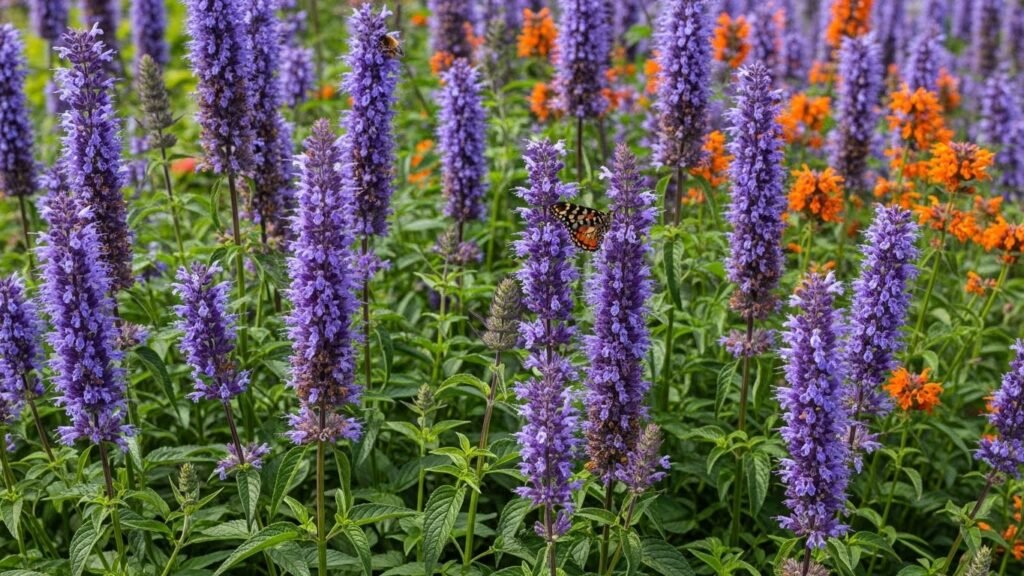
The hummingbird mint plants are a fantastic choice for any garden. They go by many names, but all belong to the Agastache Genus. This perennial is a true magnet, drawing in hummingbirds, bees, and butterflies. If you want a garden that buzzes with life, Agastache is the answer.
Introduction to Hummingbird Mint
This plant is incredibly easy to grow and requires low maintenance. The hummingbird mint plants are native to North and Central America. They are perennial, meaning you plant them once and enjoy them for years. With over 20 different species, the plant is versatile and resilient. Most species can successfully grow across a wide range, from US hardiness zone 3 to zone 10.
Appearance, Structure, and Fragrance
Hummingbird mint is a fragrant and colorful addition to your landscape. It’s perfect for adding structure and height to garden borders.
| Feature | Description |
| Height and Form | Typically a medium-sized plant, reaching 3–5 feet. |
| Flower Type | Tall stalks are covered in dozens of tiny, tubular florets, forming dense flower spikes. |
| Foliage and Scent | The leaves release a strong, pleasant minty fragrance when crushed. The scent often reminds people of anise or licorice. |
The lilac-blue flower spikes of the Giant Blue Hyssop (Agastache foeniculum) are known for their unmistakable anise aroma.
The Ecological Value of Planting Agastache
Choosing hummingbird mint plants is a great way to support local wildlife. These plants are a vital lifeline for many pollinators.
An Essential Pollinator Lifeline

Agastache truly earns its common name. It is a highly reliable magnet for hummingbirds.
- A Hummingbird Favorite: The flowers are nectar-rich and irresistible to hummingbirds. The tubular florets make the sweet nectar easy to access.
- Optimal Flower Structure: The dense, 360-degree flower spikes offer access for hummingbirds, bees, and butterfly mouths.
- High-Value Color Source: The blooms come in vibrant shades of purple, blue, yellow, orange, and red. These colors are easily perceived by pollinators as high-value energy sources.
- Long-Lasting Bloom: The plant provides a critical 4–6 week bloom window. This long-flowering period is essential, starting in late spring and lasting until early fall. It helps sustain pollinators when other gardens start to fade.
Resilience and Ease of Care
Hummingbird mint is one of the easiest native plants to grow. It’s a smart choice for gardeners who want beauty without the fuss.
- Low Maintenance: This plant thrives on neglect after its first year.
- Waterwise and Drought-Tolerant: A highly drought-tolerant perennial that has low water needs and generally thrives on rainfall alone.
- Deer-Resistant: The strong, aromatic foliage deters deer and other browsing critters. Deer simply do NOT like to eat it.
Winter and Wildlife Support

The benefits of hummingbird mint plants don’t stop when summer ends.
- Natural Bird Feeders: The tall flower stalks become seed-filled bird feeders in the fall and winter.
- Action: Leave the dead stalks standing through the cold months to provide natural seed for songbirds.
Native Species and Cultivated Varieties
There are many different types of Agastache to choose from. It’s helpful to know the difference between native species and human-created cultivars.
Understanding the Diversity of Native Species

There are 10–15 species of Agastache native to North America.
- Lavender or Anise Hyssop (Agastache foeniculum): Native to the upper US and most of Canada. It has tall purple flowers. Most commercial cultivars are derived from this species.
- Sunset Hyssop (Agastache rupestris): Native to New Mexico and Arizona. It features fiery orange-red flowers and loves the heat of southern climates.
- Giant Yellow Hyssop (Agastache nepetoides): Native to the eastern half of the US and Canada. This species features tiny buttery yellow flowers.
- Other Native Species: Includes Texas Hummingbird Mint (A. cana), New Mexico Giant Hyssop (A. pallidiflora), and Nettleleaf Giant Hyssop (A. urticifolia).
Choosing Between Cultivars and Straight Species
A large number of beautiful hybrid varieties are available.
- Cultivar Definition: Cultivated Varieties—plants selected by people for specific traits like color or size.
- Identification: Cultivars are easy to spot. Their names are always in ‘single quotes’ (e.g., Agastache ‘Blue Fortune’).
- Ecological Considerations: Cultivars add variety to gardens. However, some botanists are concerned about their impact. Cultivars may lose the specific scent, shape, or timing that wildlife depends on. They can also introduce new genetic material to native plant populations.
- Recommendation: Plant straight species when possible. This ensures the maximum ecological benefit for native wildlife.
Comprehensive Growing and Care
Caring for your hummingbird mint plants is very straightforward. It is one of the lowest-maintenance perennials you can choose.
Light and Climate Suitability
- Hardiness: These resilient plants are successful from US hardiness zone 3 to zone 10.
- Location: For the best blooming and overall health, grow them in full sun. They need a warm, sheltered spot.
Soil, Drainage, and Containers

The key to happy Agastache is keeping its feet dry.
- Soil Tolerance: The plant is low-maintenance and will thrive in most soil conditions, even poor soil.
- Crucial Requirement: Drainage: This is the most important factor. The plant does not tolerate sitting in water, which leads to root rot.
- Action for In-Ground: Incorporate plenty of horticultural grit, gravel, or sand into the soil. This ensures excellent drainage.
- Growing in Containers: Hummingbird mint plants grow very easily in pots. Just ensure the container is in a sunny spot. The potting soil must be well-draining to prevent waterlogging. The salmon-peach species (Agastache rupestris) is popular for container gardening.
Watering and Fertilization Schedules
Less is truly more when caring for this plant.
- Watering: Water consistently during the first year after planting to help it get established. Once mature, watering is generally not necessary, even during drought. It thrives on natural rainfall.
- Fertilization: Fertilizing is not necessary. Avoid feeding the plants when not needed. Too many nutrients can result in undesirable leggy growth and reduced flower production.
Pruning and Maintenance
Proper pruning ensures plant health and continued bloom.
- Pruning: As a perennial, the plant will naturally die back in the fall. You can prune it down to the ground early in the fall or wait until late winter.
- Tip: Leaving the dead stems standing through winter provides bird food and protects the base of the plant, acting as a mulch.
- Managing Reseeding: Some gardeners worry that the plant can reseed itself abundantly.
- Spring Control: Pull out new shoots that are growing too close together and share them in pots.
- Fall Control: Cut the tops off before seeds spread. Note that this eliminates the winter food source for songbirds.
Landscaping and Companion Planting
The hummingbird mint plants are wonderful foundation plants for any pollinator-focused garden. They offer fantastic color and structure to any landscape.
Designing for Pollinators
- Creating a Hummingbird Garden: Use Agastache for its reliable and long-lasting nectar supply. It helps draw hummingbirds during their migration.
- Suggested Companion Plants: Pair with other native hummingbird and pollinator favorites for a continuous food source:
- Cardinal Flower and Coral Honeysuckle.
- Bee Balm (Monarda), Firebush, and Milkweeds.
- Other drought-tolerant plants like lavender, phlox, or coneflower.
- It is a wonderful companion for tall natives like Culver’s root.
Sourcing Plants and Seeds
Finding specific native plants can sometimes be a fun challenge.
- Sourcing Ideas: To find plants and seeds, consult:
- Native Nursery Lists.
- Online Native Nurseries.
- Your local Native Plant Society (available in every state and province).
- Local online communities or gardening groups (like Facebook groups).
Propagation Methods
Propagating Agastache is a rewarding way to increase your stock, especially since many species are relatively short-lived perennials. There are several methods to easily multiply these plants.
Seed Starting Details
Hummingbird Mint is typically easy to start from seed.
- Timing: Start seeds indoors about 6 to 8 weeks before your last expected frost, or sow them directly outdoors after the danger of frost has passed.
- Method: Press the tiny seeds lightly onto the surface of the soil, as they often require light to germinate. Do not cover them deeply.
- Cold Stratification: While some varieties, particularly native species like Anise Hyssop, benefit from a period of cold stratification to break dormancy, many hybrid cultivars germinate readily without it. Check the seed packet for specific instructions.
Division and Cuttings

For mature clumps, division is the fastest way to get new, established plants.
- Division Instructions: In early spring, just as new growth emerges, carefully dig up the mature plant clump. Use a sharp spade or knife to cut the clump into sections, ensuring each section has healthy roots and several new shoots. Replant the divided sections immediately.
- Stem Cuttings: New Agastache plants can also be created using stem cuttings. Take softwood or semi-hardwood cuttings in late spring or early summer, just before or as the plant begins to flower. Strip the lower leaves, dip the cut end in rooting hormone, and place the cutting in moist, sterile potting mix until roots develop.
Specific Pest and Disease Management
While Agastache is remarkably resilient and its strong scent deters deer, it is not immune to all common garden problems.
Common Pests
In hot, dry conditions or when plants are overcrowded, a few minor pests may appear:
- Aphids and Spider Mites: These sap-sucking insects may occasionally gather on the soft, new growth, causing leaves to yellow or curl. They can usually be managed with a strong spray of water or an application of insecticidal soap.
Disease Susceptibility

The main threat to Hummingbird Mint is related to moisture.
- Root Rot: The primary killer of Agastache is poor drainage, which leads to root rot. This is why excellent drainage (as previously noted) is crucial.
- Powdery Mildew: In humid, wet summer conditions or gardens with poor air circulation, plants can develop powdery mildew , a white, powdery fungal growth on the leaves. Increase air circulation and remove heavily infected foliage to manage this.
Culinary and Medicinal Uses
Beyond its visual and ecological benefits, the fragrant foliage and flowers of Agastache have practical applications, particularly the popular Anise Hyssop variety.
Edibility and Culinary Uses

- Leaves and Flowers: The flowers and leaves are edible and can add a subtle anise or licorice flavor to dishes.
- Garnish: The colorful flowers make an attractive and fragrant garnish for salads, desserts, or cold drinks.
- Tea: The leaves are widely used fresh or dried to brew a flavorful herbal tea.
Traditional Uses
Historically, some species of Agastache have been valued for medicinal properties. Anise Hyssop was traditionally used by indigenous peoples for a variety of remedies, including treatments for coughs, fevers, and other respiratory issues.
Cultivar Performance and Plant Lifespan
When selecting Agastache, it is helpful to have realistic expectations about its longevity and the function of different varieties.
Sterility and Scent Loss in Hybrids
- Sterility Issues: Many of the brightly colored hybrid cultivars are bred to be sterile, meaning they cannot produce viable seeds. While this prevents aggressive reseeding, it also eliminates the valuable Natural Bird Feeders (winter seed heads) for songbirds, which is a key benefit of the straight species.
- Scent Degradation: Some hybridization efforts have inadvertently diminished the strength of the foliage’s natural scent. This makes the plant less deer-resistant and reduces the pleasant fragrance for gardeners.
Winterization and Lifespan
- Short-Lived Perennial: Unlike some herbaceous perennials that live for decades, Agastache is often a short-lived perennial, typically lasting only 3 to 5 years, especially if grown in heavy or frequently wet soil. This makes regular propagation (either by seed or division) essential for maintaining the plant in the garden.
- Winterizing Action: In the coldest parts of its hardiness range (zones 3–5), providing a light layer of winter mulch (like straw or pine needles) after the ground freezes can help protect the crown and extend the plant’s lifespan.
Conclusion
The Hummingbird Mint (Agastache) is far more than just a beautiful perennial; it is a vital, multifaceted asset to any ecologically-minded garden. From its fragrant foliage that naturally resists deer to its vibrant, tubular flower spikes that act as a crucial, long-lasting nectar source for hummingbirds, bees, and butterflies, Agastache offers continuous value from spring through winter.
As a remarkably resilient and drought-tolerant plant, Agastache asks for very little—primarily full sun and well-drained soil—while offering exceptional returns in wildlife support and low maintenance. Whether you choose a straight native species like Anise Hyssop for maximum ecological benefit or integrate a carefully selected hybrid into your borders, planting Hummingbird Mint is a definitive way to ensure your garden buzzes, blooms, and truly belongs.
By understanding its simple care requirements and incorporating it alongside other native favorites like Cardinal Flower and Bee Balm, you can easily create a beautiful, dynamic, and self-sustaining ecosystem right outside your door. The easy-care nature and rich rewards of Agastache make it an indispensable foundation plant for the modern pollinator garden.
Frequently Asked Questions (FAQs)
Are there any specific native insects that rely solely on Hummingbird Mint?
Yes, while Agastache is a generalist pollinator plant, Anise Hyssop (Agastache foeniculum) is a host plant for the Giant Swallowtail butterfly caterpillars. The leaves serve as a food source for the larvae of this species.
Is Hummingbird Mint the same as Bee Balm (Monarda)?
No, they are different plants. Although both are aromatic native perennials in the mint family (Lamiaceae), attract hummingbirds, and have tubular flowers, they belong to different genera (Agastache vs. Monarda).
How tall do the different species of Hummingbird Mint typically grow?
The typical height is medium-sized, reaching 3–5 feet. However, species like Giant Yellow Hyssop (Agastache nepetoides) can sometimes grow up to 6 feet tall.
Can I grow Agastache indoors?
Agastache plants prefer to be grown outdoors in full sun. While you can start seeds indoors, growing them to maturity indoors is difficult because they require intense light and excellent air circulation to prevent fungal diseases.
What time of day do hummingbirds visit Agastache the most?
Hummingbirds are most active feeders in the early morning and late afternoon. Planting Agastache, which has nectar-rich flowers, ensures a reliable food source during these peak times.
Why are my Hummingbird Mint plants getting leggy?
Leggy growth (tall, thin stems with sparse leaves) often occurs due to insufficient light or too many nutrients. Ensure the plant is in full sun and avoid unnecessary fertilization.
Do I need to deadhead the spent flowers?
Deadheading (removing spent flowers) is not strictly necessary for the plant’s health. You should avoid deadheading in the fall if you want the seed heads to provide winter food for birds.
What is the best method for propagating a hybrid cultivar?
Hybrid cultivars, which are often sterile, are best propagated using stem cuttings. This method ensures the new plant is genetically identical to the parent.
Does Hummingbird Mint attract beneficial insects?
Yes, the plant’s nectar attracts a wide variety of generalist pollinators, including beneficial insects like hoverflies, which prey on pests like aphids.
Is there a red variety of Agastache that is native to the US?
Yes, while many red varieties are hybrids, the species known as Texas Hummingbird Mint (Agastache cana) and Arizona Hummingbird Mint (Agastache coccinea) are native to the Southwest and have red-pink to red flowers.
Can I use a generic all-purpose fertilizer?
Fertilization is not necessary and should be avoided. Using a generic fertilizer can lead to excessive foliage growth (leggy growth) at the expense of flower production.
Do I need to worry about the plant spreading too aggressively?
The plant’s spread is mainly managed through reseeding, not aggressive runners. To manage spread, remove seedlings in the spring or cut the tops off before the seed can drop in the fall.
Why is my Agastache dying after the first winter?
The primary cause of winter death is often root rot due to poor drainage. If you have heavy soil, ensure you incorporate grit or gravel when planting.
What is the ideal pH level for the soil?
Agastache is highly adaptable and tolerates most soil conditions, thriving even in poor soil. It does not have strict pH requirements, but generally prefers a neutral to slightly alkaline soil.
Are all parts of the Anise Hyssop (Agastache foeniculum) edible?
Yes, the leaves and flowers of Anise Hyssop are edible. They are commonly used for teas and as a fragrant garnish.
What is the typical germination time for Agastache seeds?
If the conditions are right (light and moisture), Agastache seeds typically germinate within 10 to 14 days, though some slower-germinating native species may take longer.
How does the plant’s foliage deter deer?
The deer deterrence comes from the presence of strong-smelling aromatic oils (terpenes) in the leaves, which gives the plant its distinctive anise/licorice scent. Deer and rabbits find this scent unappetizing.
Should I cover my Agastache plants in winter?
Only in the coldest parts of its hardiness range (zones 3–5) is protection necessary. You can apply a light layer of winter mulch, such as straw or pine needles, after the ground has frozen to protect the crown.
Is it necessary to cold-stratify the seeds before planting?
Cold stratification, which mimics a natural winter period, benefits some native species like Anise Hyssop to break dormancy. However, many modern hybrid cultivars germinate readily without this step.
Why might a hybrid Agastache lose its scent?
Some hybridization efforts prioritize flower color and bloom time over foliage qualities. This selective breeding can inadvertently dilute the concentration of aromatic oils, leading to a diminished scent.