Skip to content
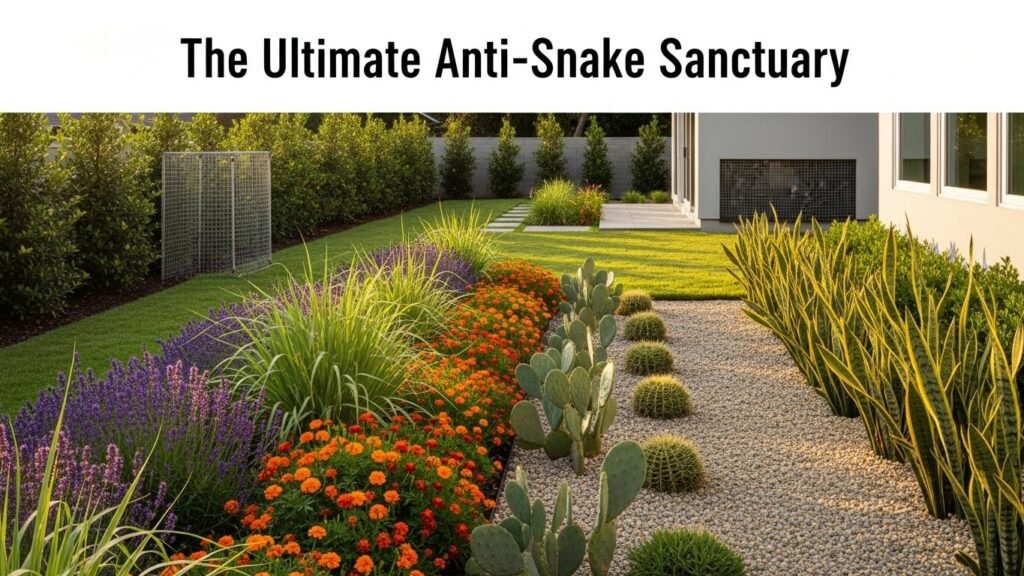
Finding a snake in your yard can be a total shocker. Most snakes just want to do their own thing. They eat pests like mice and bugs. This keeps your yard in a nice ecosystem balance. But nobody wants a rattlesnake chilling by the porch. It feels super sketchy for kids and pets. You want to keep your home safe and chill. Using plants that repel snakes is a smart move. It is way better than using harsh chemicals. These natural deterrents keep the vibes good for everyone. You can build an anti-snake zone that looks great. This guide shows you exactly how to do it. We will use nature to keep those slithering visitors away.
The Biological Foundation: Why Snakes Retreat

Snakes have a very special way of sensing the world. They do not have noses like we do. Instead, they use something called the Jacobson’s organ. You might see them flicking their tongues a lot. They are actually tasting the air for smells. They pick up tiny bits of scent on their tongues. These bits go to the organ in the roof of their mouth. This tells the snake what is nearby. Some plants that repel snakes have a very pungent scent. This strong odor totally messes with their tracking skills. It makes them feel super confused and unsafe. They would much rather move to a place that smells normal.
Snakes are also very sensitive to touch. Their bellies are soft and smooth. They feel every little thing on the ground. Moving over prickly foliage is like walking on glass for them. Spiky leaves and sharp edges make them turn around fast. They do not want to get poked or scratched while slithering. This is why physical barriers work so well. Also, snakes are always looking for an easy meal. They love to hunt for rodents, gophers, or moles. If your yard has no food, they will leave. Plants that keep away pests also keep away snakes. It is all about breaking the food chain naturally.
Identification, Legalities, and Ethics
Before you start planting, you should know who is visiting. Most yard snakes are totally harmless. They might be garter snakes or rat snakes. These guys are actually the good guys. They eat the bugs that ruin your garden. But some areas have venomous predators too. In places like Georgia, you might see a copperhead or cottonmouth. Rattlesnakes are also common in many sunny rock gardens. Knowing the difference is key for your safety. Always keep your distance if you are not sure. Never try to pick up a snake you do not know.
There are also some legal things to think about. In many states, it is illegal to kill non-venomous snakes. For example, in Georgia, you could get a huge fine. You might even get a misdemeanor on your record. These laws exist because snakes are vital for the environment. They keep the rodent and insect population from exploding. It is much better to use plants that repel snakes instead. This lets the snakes live while staying out of your space. It is a win-win for you and nature. Focus on habitat modification to make your yard less inviting.
Common Signs of Snakes in Your Yard
- Finding a dry and papery snake skin.
- Seeing long and winding tracks in the dirt.
- Finding snake feces that looks like bird droppings.
- Noticing a sudden lack of mice or frogs.
The Botanical Encyclopedia: Top Plants That Repel Snakes

Using a mix of plants is the best strategy. Some work because they smell strong. Others work because they are physically tough. When you use both, you create a real barrier. These plants that repel snakes also look beautiful. They add color and life to your outdoor space. Most are easy to grow if you know your USDA hardiness zones. You can put them in the ground or in pots.
High-Fragrance and Essential Oil Producers
Many aromatic herbs are top-tier natural repellents. They smell amazing to us but gross to snakes.
Marigolds
Marigolds are a classic choice for any garden. They have bright orange and yellow flowers. These plants have a very strong odor. Both French and American marigolds work great. Their roots are actually the secret weapon. They grow deep and emit a scent in the soil. This keeps snakes from burrowing or hiding underground. They are hardy in zones 2 through 11. You should do some deadheading to keep them blooming.
Lavender
Lavender is famous for its calming scent. But snakes find it totally repulsive. The pungent smell disturbs their sensitive senses. It is one of the best plants that repel snakes near doors. You can plant it as an anti-snake fence. It loves full sun and well-drained soil. It also attracts butterflies and bees to your yard. This makes your garden healthy while keeping it safe.
Lemongrass and West Indian Lemongrass
Lemongrass is a tall and beautiful grass. It contains a lot of citronella oil. This oil has a sharp citrus fragrance. It is great for keeping away mosquitoes too. The scent disorients snakes while they try to hunt. It grows best in warmer areas like zones 9 to 11. If you live in a cold spot, grow it in a pot. You can bring it inside when the weather gets chilly.
Rosemary
Rosemary is a must-have for any herb garden. It has a very woody and strong scent. Snakes do not like to be around it at all. But you have to be careful with this one. Rosemary can grow very thick and dense. This foliage can actually provide a hiding spot for snakes. You must do regular pruning to keep it thin. Growing it in pots is a great way to manage it.
Eucalyptus
Eucalyptus trees are known for their distinct aroma. The leaves produce a powerful oil that snakes hate. It stays fragrant all year round in warm zones. This makes it a long-lasting defense for your yard. It is also great for air purification. You can plant it in the ground or keep it in a large container.
The Sulfuric and Astringent Defenders
Some plants that repel snakes use chemicals. These compounds smell like sulfur or are very bitter.
Alliums (Onions, Garlic, and Chives)
Alliums are some of the most powerful natural repellents. They have a high amount of sulfur compounds. This creates a sulfuric odor that is very pungent. Snakes will go out of their way to avoid them. Garlic and onions are easy to grow in many zones. Chives have pretty purple flowers that look nice in borders. Just watch out for slugs and snails that might like the leaves.
Pink Agapanthus
Pink Agapanthus is also known as society garlic. It looks like a beautiful flower but smells like garlic. This scent is a major turn-off for reptiles. It creates a great scented border for your yard. It is a hardy plant that can handle some heat.
Mugwort and Wormwood
Mugwort has feathery leaves and a bitter scent. Snakes find the astringent smell very offensive. This plant also reduces the number of bugs in your yard. Since snakes eat bugs, they will go elsewhere for food. It is a hardy perennial that grows fast. It can be a bit invasive, so keep an eye on it. Parts of this plant were even used to make absinthe.
Physical and Structural Barriers

Sometimes, you need plants that are just plain tough. These plants that repel snakes use their shape and texture.
Mother-in-Law’s Tongue (Sansevieria)
This plant is also called the snake plant. It has tall and stiff leaves that look like swords. Snakes find the sight of these leaves threatening. The sharp leaf edges also make it hard to crawl through. It is a tough plant that survives with little water. In warm spots, you can grow it outdoors in the sun. It is also famous for removing formaldehyde and benzene from the air.
Cactus
Cactus plants are the ultimate physical deterrent. They are covered in sharp thorns and spines. No snake wants to slither over a prickly surface. You can use different cactus varieties to create a border. They are great for sunny rock gardens or dry spots. Just be sure to plant them away from where people walk.
Holly
Holly bushes are famous for their spiky leaves. These leaves are very uncomfortable for snakes. You can grow them as a low hedge to guard your yard. Some people even scatter clipped holly leaves on the ground. The plant also has a scent that might help keep snakes away. It is a classic choice for a defensive garden.
Yellow Alder
Yellow alder grows into a very dense shrub. It creates a physical wall that is hard for snakes to pass. It also fills in gaps where snakes might try to hide. This makes your yard feel more secure and private.
Landscape Engineering: Designing Your Safety Zone

Using plants that repel snakes is only part of the plan. You need to think about your whole yard layout. Creating an anti-snake zone requires some strategy. You want to make your yard as boring as possible for a snake.
The Zone Defense Strategy
One smart way to plant is using zones. Put your strongest repellents near the house. This includes the foundation and the porch. Use lavender and marigolds here for a nice scent. The second zone is your open lawn. Keep the grass very short here. Snakes hate being out in the open where hawks can see them. The third zone is your yard perimeter. This is where you put spiky holly or tall lemongrass. It creates a big “do not enter” sign for reptiles.
Substrate and Ground Cover
The stuff on the ground matters a lot. Snakes love thick ground cover like ivy. It gives them a perfect place to hide and stay cool. Try to use mulch that snakes dislike. Many experts say cedar mulch is a good choice. Avoid using large rocks with deep holes between them. These can become snake dens very quickly. If you have a rock garden, fill the gaps with dirt or smaller stones.
Water and Moisture Management
Snakes are attracted to water and damp spots. They need to drink and stay hydrated. Fix any leaky hoses or AC drips right away. Do not leave stagnant pools of water sitting around. If you have a birdbath, keep the area around it clean. Snakes might wait there to catch a bird for lunch. Keeping your yard dry makes it much less inviting.
Yard Maintenance: Removing the Invitation
A messy yard is a snake’s dream home. You must stay on top of your yard work. This is the best form of integrated pest management.
The 24-Hour Rule for Debris
Never leave piles of stuff sitting in your yard. This includes leaf piles, grass clippings, and brush. Snakes will find these piles within a day. They love the dark and cool spaces inside them. If you trim your bushes, bag the clippings immediately. Do not let them sit out overnight. This simple habit saves you a lot of trouble.
Storage Optimization
How you store things makes a big difference. Keep your firewood elevated off the ground. You can use a rack or some blocks to lift it up. This stops snakes from nesting in the bottom logs. Keep your potting shed clean and organized. Seal any cracks in the walls or floor. Do not leave empty pots sitting on the ground for too long.
Lawn Standards
Short grass is your best friend. Aim to keep your lawn mowed regularly. When the grass is short, snakes feel exposed. They are worried about predators like owls or cats. They will quickly move to taller grass elsewhere. This also makes it easier for you to see them. You won’t accidentally step on one while walking.
Safety Protocol, Pets, and Children
Even with plants that repel snakes, you might see one. Knowing what to do is very important.
The Freeze and Retreat Protocol
If you see a snake, do not panic. The best thing to do is just freeze. Most snakes will just wait for you to move. Slowly back away until you are at a safe distance. Do not try to poke it with a stick or throw rocks. This will only make the snake feel like it has to fight. Give it a clear path to leave on its own. If the snake is inside your house, call a pro.
Pet Safety and Toxicity
You must be careful about which plants you use. Some plants that repel snakes are toxic to pets. For example, alliums like garlic and onions are bad for dogs. Holly berries can also make pets very sick. Always check if a plant is safe for your specific pet. Lavender and marigolds are generally safe for most animals. Keep prickly cacti away from where your dog likes to play.
Protecting Your Kids
Kids are curious and might try to touch a snake. Teach them early to never touch any reptile they find. Show them pictures of what venomous snakes look like. Make sure their play areas are in the most protected zones. Use plants with sharp leaf edges only on the perimeter. This keeps the kids away from the thorny parts too.
Advanced Natural Repellents and Essential Oil Solutions
While plants that repel snakes provide a permanent botanical shield, you can enhance your yard’s perimeter with concentrated natural substances. Research into reptilian behavior suggests that certain essential oils can act as a powerful deterrent when applied to entry points or known hiding spots.
Cinnamon and Clove Oil Mixtures
One of the most effective liquid deterrents involves a combination of cinnamon and clove oils. When these oils are mixed with water and sprayed around the foundation of a home or along a garden fence, the potent aroma creates a chemical barrier that snakes find overwhelming.
- The spray irritates their Jacobson’s organ, forcing them to seek a more neutral-smelling environment.
- These oils are generally biodegradable and safe for most garden plants when diluted correctly.
- Reapplication is necessary after heavy rainfall to maintain the scent’s potency.
The Use of Organic Ammonia
Ammonia is often used as a heavy-duty deterrent because its sharp, suffocating scent mimics the smell of predators or toxic environments.
- Soaking rags in ammonia and placing them near areas where snakes might burrow, such as under porches or in rock gardens, can drive them away quickly.
- It serves as a high-intensity sensory repellent that forces immediate relocation.
- Caution: This method should be used sparingly in yards with pets or small children to avoid respiratory irritation.
Sulfur Powder Applications
Using powdered sulfur is a traditional method for snake-proofing a property. While many plants like alliums and pink agapanthus emit sulfur compounds naturally, applying a concentrated powder can create an immediate “no-cross” line.
- The sulfur causes physical and chemical irritation to the snake’s sensitive scales and sensory organs.
- It is best used along the perimeter of fences or at the back of flower beds.
- Powdered sulfur remains effective until it is washed away by irrigation or rain.
Structural Barriers and Hardware Cloth

Physical barriers are an essential part of an anti-snake zone, especially in areas where venomous predators like copperheads or rattlesnakes are common. These structures prevent access to high-traffic areas like play zones and porches.
Installing Snake-Proof Fencing
A dedicated snake-proof fence is often made of 1/4 inch hardware cloth or galvanized mesh.
- Because snakes have soft and flexible bodies, they can squeeze through very small gaps; therefore, the mesh must be fine enough to stop even juvenile snakes.
- For maximum effectiveness, the fencing should be buried at least 6 inches into the ground to stop burrowing reptiles and rodents.
- Galvanized steel is preferred to prevent rust and ensure the barrier lasts through several seasons.
Mesh Placement and Angles
To prevent snakes from climbing over a barrier, the top of the mesh should be slanted outward at a 30-degree angle.
- This creates a physical overhang that is difficult for a snake to navigate with its belly scales.
- This structural strategy works best when placed behind a row of spiky plants like holly or cactus to create a double-layered defense.
- Maintaining a clear space of about a foot in front of the fence prevents snakes from using nearby plants as a ladder to bypass the mesh.
Sealing Gaps and Foundation Cracks
Snakes are experts at finding small, cool voids to hide in during the heat of the day.
- Homeowners should use weather stripping and heavy-duty door sweeps to seal gaps around the foundation.
- Pay close attention to basement windows, garage doors, and utility pipe entries.
- Any hole larger than 1/4 inch should be filled with expanding foam, caulk, or copper mesh to deny entry.
Integrated Pest Management Strategies
Integrated Pest Management (IPM) focuses on the entire ecosystem of your yard to make it naturally less attractive to snakes. By managing the food chain, you remove the primary reason a snake enters your space.
Eliminating the Prey Base
The most effective way to keep snakes away is to remove their food source.
- Snakes are drawn to yards with high populations of rodents, gophers, and moles.
- Using plants that repel these pests, such as daffodils or marigolds, indirectly reduces the number of snakes.
- Keeping bird feeders clean and stored in rodent-proof containers prevents spilling seeds that attract the mice snakes love to eat.
Managing Garden Insects
Young snakes often feed on large insects, frogs, and slugs.
- Keeping your garden free of these food sources by using organic gardening practices can make your yard less of a “nursery” for baby snakes.
- Use plants like mugwort to reduce insect biodiversity.
- Reducing outdoor lighting at night can also decrease the number of insects that attract the frogs and toads snakes hunt.
Visibility and Ground Cover Density
Snakes feel safest in thick, dense ground covers where they cannot be seen by predators.
- Prioritize varieties that offer high visibility when selecting repellent plants.
- Low-density planting ensures that a snake has no “stealth path” through your garden.
- Transitioning from thick ivy or vinca to gravel borders or well-spaced shrubs creates an exposed environment that snakes avoid.
Seasonal Behavior and Timing
Snake activity changes with the weather, so your defense strategy must also adapt to the seasons. Understanding these patterns helps you time your yard work and planting for the best results.
Brumation and Winter Preparation
As the weather cools in late fall, snakes look for holes or deep brush piles to survive the winter in a state called brumation.
- Fill any holes in the ground with firmly packed soil before the first frost.
- Clear out all remaining debris piles, including fallen leaves and dead garden annuals.
- Removing winter shelter early ensures that no snakes are hibernating near your home when spring arrived.
Monitoring the Shedding Cycle
Finding a papery snake skin in your yard is a clear sign of an active visitor.
- During the shedding process, snakes can be more defensive and reclusive because their vision is temporarily clouded by fluid behind their eye caps.
- If you find a fresh skin, increase your perimeter checks and ensure your “Freeze and Retreat” protocols are ready.
- Skins found near the foundation suggest the snake may be looking for an indoor entry point.
Temperature and Basking Habits
Because snakes are cold-blooded, they rely on the sun to regulate their body temperature.
- In the early morning, they are often found in sunny rock gardens or on concrete paths to “warm up.”
- As the midday heat increases, they will move toward the cool moisture of leaky hoses or dense rosemary bushes.
- Managing these temperature “hot spots” by fixing leaks and trimming low-hanging branches is vital for keeping them away.
Local Climate and Planting Success
The effectiveness of plants that repel snakes depends heavily on whether they are suited to your specific environment. A plant that is not thriving will not produce the strong scents needed to deter a snake.
USDA Hardiness Zones and Potency
Always check your USDA hardiness zone before selecting plants to ensure they remain healthy enough to be effective.
- Lemongrass and eucalyptus are highly effective but will only provide year-round protection in warmer zones like 9 through 11.
- In colder climates, grow these in pots so they can be moved indoors during frost.
- Plants grown in their ideal zones produce higher concentrations of the essential oils that drive snakes away.
Managing Invasive Repellents
Some effective repellent plants are known for being very hardy and fast-growing.
- Mint and mugwort can become invasive species if not contained.
- Grow these in containers or use underground root barriers to prevent them from taking over your garden.
- Strategic containment allows you to get the anti-snake benefits without compromising your landscape’s health.
Conclusion: Achieving a Balanced and Secure Outdoor Sanctuary
Creating a snake-proof yard is not about a single “magic” plant, but rather about building a multi-layered defense system that respects nature while prioritizing your family’s safety. By integrating a diverse selection of plants that repel snakes—utilizing both overwhelming aromatic scents and defensive physical textures—you transform your landscape into an environment that is biologically unappealing to reptiles.
This holistic approach moves beyond simple gardening; it is about intentional landscape engineering. When you combine the botanical power of marigolds, lavender, and lemongrass with strategic yard maintenance and structural barriers, you address the root causes of snake presence: food, water, and shelter. Removing the “welcome mat” by keeping grass short, clearing debris within 24 hours, and managing the rodent population ensures that snakes have no reason to linger on your property.
As you implement these natural strategies, remember that your garden is a living ecosystem. Selecting plants suited to your USDA hardiness zone ensures they remain potent and healthy year-round. While the goal is to deter unwanted visitors, the result is a beautiful, fragrant, and vibrant outdoor space that adds value to your home. By following the “Freeze and Retreat” safety protocols and being mindful of pet toxicity, you can reclaim your peace of mind and enjoy your yard with confidence, knowing you have built a safe and sustainable sanctuary for your loved ones.
Frequently Asked Questions
Can snakes climb over Snake Plants (Mother-in-Law’s Tongue)?
While snakes are capable climbers, they generally avoid climbing over Snake Plants due to the rigid, upright structure and the sharp, sword-like edges of the leaves. The plant does not provide the horizontal “gripping” surface that snakes prefer for climbing, making it an effective visual and physical barrier.
Do ultrasonic snake repellent devices actually work?
Scientific evidence on ultrasonic devices is mixed. While they emit high-frequency vibrations that snakes can feel through their bodies, many snakes eventually become accustomed to the noise. These devices are most effective when used as a secondary layer alongside physical barriers and repellent plants rather than as a primary solution.
Are there specific plants that repel snakes but attract beneficial snakes?
Generally, repellent plants like marigolds or alliums will deter all snakes regardless of species. If you want to keep venomous snakes away but encourage helpful ones like King Snakes, focus on removing rodent food sources while keeping a few “safe” rock piles far away from the house in a designated wildlife area.
How often do I need to replace or maintain repellent plants?
Aromatic plants like lavender and rosemary are most effective when they are healthy and actively producing essential oils. You should prune them to encourage new growth and replace annuals like marigolds every spring to ensure the scent remains potent enough to disturb a snake’s Jacobson’s organ.
Can snakes bite through garden gloves while I am planting?
Most standard gardening gloves are made of thin fabric or leather and do not provide protection against the fangs of a venomous snake. If you are working in high-risk areas, it is better to wear heavy-duty, snake-proof gloves or use garden tools to clear brush before reaching in with your hands.
Does cedar mulch really keep snakes away better than other types?
Yes, cedar mulch contains natural oils and a distinct aroma that many reptiles find unpleasant. Additionally, the texture of shredded cedar is more difficult for snakes to move across compared to smooth river rocks or soft pine straw, which often provides a perfect hiding spot for them.
Will a snake enter a pool or pond if I have repellent plants nearby?
Snakes are excellent swimmers and may enter a pool to cool off or a pond to hunt for frogs. While plants like lemongrass around the water’s edge can help, they are not a foolproof barrier for aquatic-leaning snakes like Cottonmouths. Maintaining clear visibility around water features is the best defense.
Does the color of the flowers on repellent plants matter?
The color does not affect the snake, as they do not see color the way humans do. However, bright flowers like marigolds attract pollinators and insects. If these insects attract frogs, you might accidentally draw snakes in. It is always best to choose plants based on their scent and root properties rather than flower color.
Are coffee grounds an effective snake repellent?
Coffee grounds are often cited in garden lore as a repellent, but there is little scientific proof that they stop snakes. While the grit may be slightly uncomfortable, coffee grounds are more effective as a nitrogen-rich fertilizer or for repelling certain insects than for stopping a determined reptile.
Can I use essential oils indoors to keep snakes out of my basement?
Yes, spraying a mixture of clove and cinnamon oil around basement windows and crawl space vents can help. However, you must ensure the area is well-ventilated for human safety. Essential oils are a great way to fortify the interior foundation where you cannot grow plants.
How long does it take for a newly planted garden to become effective?
Plants usually need a few weeks to establish their root systems and start emitting peak levels of aromatic oils. For the most immediate protection, it is recommended to use mature plants from a nursery rather than starting from seeds during peak snake season.
Do snakes avoid gravel or lava rock borders?
Snakes can move over gravel, but they generally prefer surfaces where they can blend in. Sharp, jagged lava rocks or large-gauge gravel are less comfortable for their bellies than soft soil or mulch. Using a wide gravel border around your home’s foundation is a great structural addition to your planting plan.
Does the height of a plant affect its ability to repel snakes?
Height can be a factor. Tall, dense plants like rosemary can actually provide shade and cover if not pruned. Shorter, pungent plants like chives or marigolds are often better because they don’t provide a hiding spot while still emitting the necessary chemical deterrents.
Are snakes attracted to certain types of garden fertilizers?
Snakes are not attracted to the fertilizer itself, but organic fertilizers like bone meal or fish emulsion can attract rodents and small mammals. Since these animals are a snake’s primary food source, the fertilizer could indirectly lead to more snake activity in your garden.
Can I grow snake-repellent plants in the shade?
Many of the most powerful aromatic plants, such as lavender and rosemary, require full sun to produce their repellent oils. If your yard is shady, you should focus on physical deterrents like Mother-in-Law’s Tongue or using spiky holly leaf mulch, as these do not rely on sun-activated oils.
Will vinegar keep snakes away if I spray it on my plants?
Vinegar is a strong acid and can act as a temporary deterrent due to its sharp smell. However, spraying vinegar directly on your repellent plants can damage their leaves or change the soil pH. It is better to use vinegar on hard surfaces like patios or walkways.
Is it true that snakes hate the smell of human hair?
This is a common myth. While snakes generally avoid humans due to our size and vibration, there is no evidence that scattering human hair in a garden provides a reliable repellent effect. Botanical scents like sulfur and citronella are much more effective.
Does smoke from a fire pit repel snakes?
Smoke can temporarily disorient snakes and cause them to leave the immediate area, much like it does with bees. However, once the fire is out, the charcoal and ash do not provide a lasting repellent effect. In fact, a cold fire pit can sometimes look like a good hiding spot for a snake.
Can I use bird netting to catch snakes in my garden?
Using netting is generally discouraged by wildlife experts. Snakes often get tangled in the mesh and die a slow, painful death. This also attracts other predators to your yard. It is more ethical and effective to use repellent plants to encourage them to leave on their own.
Do snakes like the smell of certain flowers?
Snakes do not “like” flowery smells the way we do, but they are attracted to the “smell” of prey. If your flowers attract a high number of frogs, lizards, or large insects, the snake will follow those scents. This is why integrated pest management is so important.
Are there any “snake-proof” ground covers?
There is no such thing as a truly snake-proof ground cover, but low-growing, sparse plants are better than thick ones. Creeping thyme is a good choice because it is aromatic and grows close to the ground without creating deep, hidden pockets where a snake could vanish.