Skip to content
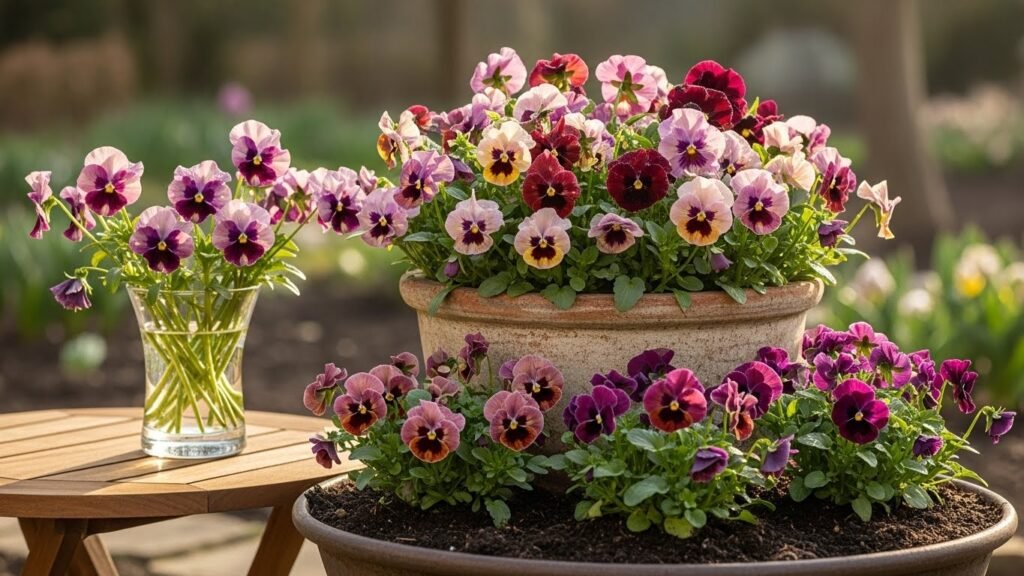
Pansies are some of the most resilient and beautiful flowers you can grow. They bring life to a garden when most other plants are still sleeping. This guide will walk you through every step of pansies care to ensure your garden stays vibrant. Whether you are a beginner or a pro, these tips will help you succeed. Let’s dive into the world of these cheerful cool-season annuals.
The Resurgence of the Pansy: Why They Belong in Your Garden
Pansies are making a huge comeback in modern home gardens. Many folks are rediscovering their vintage charm and tough nature. They are not just your grandma’s porch plants anymore. These flowers are essential for anyone who wants a long-lasting and colorful landscape.
- Early Season Resilience: These plants are famous for being incredibly cold-tolerant during the chilly shoulder seasons.
- Versatile Growth Habits: You can grow them in bulb crates, clay pots, or traditional garden beds with ease.
- Aesthetic Appeal: New varieties offer ruffled edges and velvet textures that look amazing in any setting.
- Extended Bloom Cycle: If you plant them right, you can enjoy vibrant hues for up to nine months.
These plants are the kings of the early spring and late fall. They fill the gap when the weather is too cold for summer flowers. Their faces come in many colors, from soft pastel to deep mauve. Adding them to your garden is a total game-changer for curb appeal.
Understanding the Ideal Growing Environment

To get the best results, you need to understand what these flowers love. Proper pansies care starts with picking the right spot and timing. They are a bit picky about the heat but love the cool air. If you treat them well, they will reward you with tons of blooms.
Climate and Temperature Requirements
Temperature is the most important factor for these cool-season annuals. They love the brisk air of spring and autumn. If it gets too hot, they might get a bit cranky and stop blooming. Keeping them in their “happy zone” is the secret to success.
- The Sweet Spot: These flowers perform best when temperatures stay between 45°F and 65°F.
- Cold Hardiness: Even if a frost hits, these resilient flowers usually bounce back once the sun comes out.
- Seasonal Timing by Zone:
- Zones 7 and above: It is best to plant in October for winter and spring flowers.
- Colder Northern Climates: Wait until early spring after the harshest killing frosts have passed.
Understanding your local frost date is key for any gardener. In Zone 5 or Zone 6, you might see them pop up right alongside crocus and hellebores. In warmer spots, they can even survive the whole winter. Always check your local weather before putting them in the ground.
Soil Composition and Location
Good soil is like a healthy diet for your plants. Pansies need the right nutrients to grow strong stems and bright petals. They also need a spot that gets just enough light. Don’t just stick them in any old dirt and hope for the best.
- Light Needs: They prefer a spot with full sun or partial shade to stay healthy.
- Soil Quality: Use well-drained soil that is full of organic matter like compost or aged manure.
- pH Level: Aim for acidic conditions with a soil pH between 5.4 and 6.2.
- The Basin Technique: Leave a small gap at the top of your pots to prevent soil from washing out.
Mixing in some organic matter helps with soil fertility and drainage. This prevents root rot, which can happen if the soil stays too soggy. Well-drained soil ensures the roots can breathe even after a heavy rain. A little prep work now goes a long way later.
Starting Pansies from Seed

Starting from seed is a fun way to get rare varieties. It takes a bit more effort than buying starts, but it is worth it. You get to watch the whole process from germination to bloom. Plus, it is a great way to save a little cash.
Indoor Germination Strategy
You have to start early if you want spring blooms. Pansies take their time to grow from a tiny seed into a sturdy plant. This phase requires a bit of a special touch. Give them the right environment, and they will sprout in no time.
- Timing: You should sow your seeds about 10 to 12 weeks before the last frost date.
- Darkness Requirements: Unlike some seeds, these actually need total darkness to germinate properly.
- Humidity Management: Using a humidity dome helps keep the moisture levels steady for the young seeds.
Using 72-cell trays and a light seed-starting mix works wonders. Just barely cover the seeds so they stay in the dark. Once you see green peeking through, you can take off the dome. Keep the soil moist but never soaking wet.
The Seedling Development Phase
Once the seeds sprout, they need a change in scenery. They don’t like the warm air of a typical house for too long. They want to start feeling that cool breeze. This stage is all about building a strong foundation.
- Cool Root Theory: Move your seedlings to a spot that stays between 45°F and 60°F.
- Slow Growth Habit: Don’t worry if they grow slowly at first because this leads to a sturdier plant.
Keep them in a cool basement or an unheated laundry room if you can. This mimics their natural environment and prevents them from getting leggy. Sturdy stems are important, especially if you want to use them as cut flowers. Steady growth is always better than fast, weak growth.
Planting and Transplantation Techniques

Moving your plants into their permanent home is a big step. You want to make sure they don’t get a shock when they hit the dirt. Proper technique ensures they settle in quickly and start growing. Following these steps is a core part of pansies care.
Preparing the Plant
Before you dig a hole, make sure your plants are ready. A little bit of pampering goes a long way here. You want the roots to be happy and hydrated. Treat them gently, and they will reward you with tons of flowers.
- Hydration First: Always water your plants a few hours before you plan to move them.
- Root Manipulation: Gently break up the root ball if the roots are starting to circle the pot.
A dry plant is much more likely to suffer from transplant stress. Squeezing the nursery pot helps the plant slide out without tugging on the stem. If the roots are really tight, a little teasing helps them grow outward. This helps the plant establish itself much faster in the new soil.
Spacing for Specific Results
How far apart you plant depends on what you want. Some people want a thick carpet of color right away. Others are growing them for long stems to put in a vase. Decide on your goal before you start digging.
- Container/Landscape Spacing: Space your plants 7 to 12 inches apart for a classic garden look.
- The Cut Flower Secret: Plant them just 2 to 4 inches apart to encourage long, tall stems.
When they are crowded, they have to stretch upward to reach the light. This is how you get those beautiful, long stems for arrangements. In a landscape, wider spacing lets each plant mound out into a nice shape. Both ways work great depending on your personal style.
The Hardening Off Process
You can’t just take a plant from a warm house and stick it in the cold ground. They need time to get used to the real world. This process is called hardening off. It is a slow introduction to the outdoor elements.
- Introduction: Gradually move your plants outside for a few hours each day over one week.
- Watering: Immediately after transplanting, give them a deep drink to settle the soil.
Start in a sheltered spot away from direct wind and sun. Increase their time outside every day until they are out all night. This prevents the leaves from burning or the plant from wilting. Once they are hardened off, they are ready for anything the weather throws at them.
Essential Maintenance for Longevity

Once your pansies are in the ground, the real pansies care begins. You want these beauties to last as long as possible. A little bit of weekly maintenance goes a long way. If you stay on top of it, your garden will look amazing for months.
Watering and Mulching
Water is the lifeblood of any flower garden. Pansies like to stay moist, but they don’t like to swim. Finding the right balance is key to keeping them happy. Mulch also plays a big role in keeping the roots cool.
- Deep Watering: It is much better to give them a deep soak than a shallow sprinkle.
- Foliage Care: Try to water at the base of the plant to keep the leaves dry.
- Moisture Retention: Use organic mulch like shredded leaves to keep the soil cool and wet.
Wet leaves can lead to things like powdery mildew or gray mold. Deep watering encourages the roots to grow deep into the ground. This makes the plant much more resilient during dry spells. Mulching also helps with weed suppression, so you spend less time pulling grass.
Nutrition and Fertilization
Pansies are hungry plants because they produce so many flowers. They need a steady supply of nutrients to keep the show going. But be careful not to give them too much of the wrong thing. Balanced feeding is the way to go here.
- Balanced Feeding: Use a 10-10-10 fertilizer or something like Bulbtone during planting.
- The Nitrogen Trap: Avoid high-nitrogen fertilizers because they grow leaves instead of blooms.
- Slow-Release Options: These fertilizers provide a steady stream of food over a long period.
If you use too much nitrogen, you will have huge green plants with no flowers. A balanced fertilizer ensures the plant has everything it needs for roots, stems, and petals. Feed them every few weeks for the best results. This keeps the colors bright and the stems sturdy.
Deadheading and Grooming
If you want more flowers, you have to get rid of the old ones. This is one of the most important parts of pansies care. It tells the plant to keep working instead of making seeds. It only takes a few minutes a week.
- Pinching: Regularly pinch off spent blooms as soon as they start to fade.
- Energy Redirect: This forces the plant to put its energy back into making new buds.
When a plant makes seeds, it thinks its job is done. By removing the old flowers, you trick it into blooming longer. It also keeps the plant looking neat and tidy. You can just use your fingers to snap the stems right above the leaves.
Seasonal Planting and Care Schedule

To ensure your garden stays vibrant for as long as possible, it is helpful to follow a specific timeline for pansies care. Depending on your location and goals, use this schedule to plan your garden activities.
Late Winter (10–12 Weeks Before Last Frost)
- Start Seeds Indoors: Begin sowing seeds in 72-cell trays using a light seed-starting mix.
- Provide Darkness: Ensure the seeds are in total darkness to trigger proper germination.
- Maintain Humidity: Use a humidity dome to keep moisture levels steady during the initial sprout phase.
Early Spring (1–2 Weeks Before Last Frost)
- Hardening Off: Gradually move your indoor seedlings outside for a few hours each day to get them used to the elements.
- Prepare the Soil: Mix organic matter like compost or aged manure into your garden beds or pots to ensure high soil quality.
- Transplant: Move your pansies into their permanent home, making sure to water them a few hours before moving to reduce stress.
Mid-Spring to Early Summer
- Monitor Moisture: Give the plants a deep soak regularly rather than a shallow sprinkle to encourage deep root growth.
- Deadhead Regularly: Pinch off spent blooms every week to redirect the plant’s energy into making new buds.
- Feed the Plants: Apply a balanced 10-10-10 fertilizer every few weeks to keep the colors bright and stems sturdy.
Early Fall (For Zones 7 and Above)
- Fall Planting: In warmer climates, plant pansies in October to enjoy flowers throughout the winter and into the following spring.
- Mulching: Apply organic mulch like shredded leaves to keep the roots cool and retain moisture during the transition from autumn to winter.
Managing Pests and Diseases

Even tough plants like these can run into trouble. Bugs and mold love a tasty pansy just as much as we do. Keeping an eye out for early signs of trouble is vital. Most problems are easy to fix if you catch them early.
- Common Pests: Keep a sharp eye out for aphids, slugs, and snails.
- Treatment: You can usually handle these with insecticidal soap or neem oil.
- Disease Prevention: Proper spacing and dry leaves help prevent powdery mildew.
If you see tiny bugs on the stems, give them a spray with some soapy water. Slugs love the damp soil under the leaves, so check there often. Removing any diseased foliage right away prevents it from spreading to other plants. Healthy plants are much better at fighting off these issues on their own.
Growing Pansies for Cut Flower Design

Did you know you can use pansies in bouquets? They are not just for the ground anymore. Their delicate stems and sweet scents make them perfect for small arrangements. They add a whimsical touch that you can’t get from larger flowers.
Achieving Stem Length
Most people think pansies are too short for a vase. But with the right tricks, you can get decent stem length. It all comes down to how you grow them. Professional growers use these secrets to get usable flowers.
- Stretching: Plants that are grown close together will naturally stretch toward the sun.
- Maturity: Stems usually get longer as the season goes on and the plant matures.
By late June, you might be surprised at how tall they get. These longer stems are perfect for bridal bouquets or small table pieces. They have a very romantic and old-fashioned feel. It turns a simple garden plant into a professional-grade cut flower.
Recommended Varieties for Design
Not all pansies are created equal when it comes to design. Some have better colors or stronger stems than others. Here are some of the best varieties to try if you love making bouquets. These are favorites among flower farmers for a reason.
- Imperial Antique Shades: These have huge blooms and very sturdy stems.
- Nature Antique Shades: These are smaller and have a moody, shifting color palette.
- Frizzle Sizzle Series: These have fun, ruffled edges that add tons of texture.
- Brush Strokes: These look like little works of art with unique splashes of color.
Varieties like “Imperial Antique Shades” bring a soft, vintage vibe to any room. “Frizzle Sizzle” adds a bit of playfulness with its wavy petals. Mixing these different types creates a stunning and diverse display. They are sure to be a conversation starter whenever guests come over.
The Philosophy of the Second Chance
Gardening is all about learning and trying again. If you didn’t have luck with pansies before, don’t give up. Sometimes it just takes a bit of practice to get the timing right. Every season is a new opportunity to grow something beautiful.
- The Learning Curve: Mastering seed starting and temperature control takes time.
- Gardening Grace: Give yourself and your plants a second chance to succeed.
- Final Takeaway: These flowers are a simple way to add joy to your home without a lot of stress.
Pansies teach us that beauty can bloom even in the cold. They remind us that it is okay to start over if things didn’t go as planned. Once you get the hang of pansies care, you will want them in your garden every single year. They truly are the cheerful, resilient stars of the spring.
| Feature | Requirement |
| Focus Keyword | pansies care |
| Ideal Temperature | 45°F to 65°F |
| Soil pH | 5.4 to 6.2 |
| Sun Exposure | Full sun to partial shade |
| Planting Spacing | 7-12 inches (Landscape) |
| Cut Flower Spacing | 2-4 inches |
FAQs About Pansies Care
How do I protect pansies from extreme summer heat?
Pansies are cool-weather lovers and often struggle when the sun gets too intense. You can help them survive longer by moving containers to a shaded area or providing afternoon shade with taller garden plants. Applying a thick layer of organic mulch helps keep the soil temperature lower during heat spikes.
Can I grow pansies indoors as houseplants?
While pansies prefer the outdoor air, they can grow indoors if placed in a very cool spot with bright, indirect light. They require high humidity and consistent moisture, so using a tray with pebbles and water beneath the pot can help prevent them from drying out in indoor heating.
Are pansy flowers edible for humans?
Yes, pansies are famous for being edible and are often used to decorate salads, cakes, and drinks. They have a mild, slightly minty or grassy flavor, but you should only eat flowers that have been grown without chemical pesticides or heavy fertilizers.
What is the difference between a pansy and a viola?
Pansies are actually a type of viola, but they generally have much larger flowers and four petals pointing up with one pointing down. Violas are typically smaller, more prolific bloomers, and are often considered even more cold-hardy than their larger pansy cousins.
Why are my pansies getting “leggy” or stretched out?
Pansies usually get leggy when the weather becomes too warm or if they are not getting enough direct sunlight. If they start looking sparse, you can trim them back by half to encourage a new, bushier flush of growth once the temperature cools down.
How do I save seeds from my own pansies?
To save seeds, you must stop deadheading and allow the spent bloom to form a green seed pod. Once the pod turns brown and begins to crack open, harvest the tiny black seeds and store them in a cool, dry place for next season.
Will pansies grow back if they are eaten by deer or rabbits?
Pansies are unfortunately a favorite snack for deer and rabbits. If the crown of the plant is not destroyed, they can grow back, but it is best to use a liquid repellent or physical netting to protect the remaining foliage.
Can I plant pansies in the same soil as last year?
It is better to refresh the soil, especially in containers, to prevent the buildup of soil-borne diseases like root rot. If planting in the ground, rotate their location or mix in fresh compost to replenish the nutrients they used up in the previous season.
How do I know if my pansies have root rot?
Root rot usually shows up as yellowing leaves and wilting even when the soil is wet. If you pull the plant up, the roots will look brown and mushy instead of firm and white, which is usually caused by poor drainage or overwatering.
What are “Ice Pansies” and how are they different?
Ice pansies are specific varieties bred to be extra tough against freezing temperatures and snow. They are designed to “flash freeze” without cell damage, allowing them to pop back up and bloom as soon as the ice melts.
Do pansies have a scent?
Some varieties of pansies have a very delicate, sweet fragrance, especially those in the yellow or blue color families. The scent is most noticeable in the early morning or on damp, cool days when the air is still.
Can I grow pansies in hanging baskets?
Pansies look great in hanging baskets, but they dry out much faster than those in the ground. You will need to check the moisture levels daily and ensure the basket is not in a wind-swept area that could cause the stems to break.
Why do some pansies have “faces” and others don’t?
The “face” is a dark blotch in the center of the petals that was developed through selective breeding. Clear varieties have no blotch and offer a solid, uniform color, which many gardeners prefer for large landscape drifts.
How long does a single pansy bloom last?
A single flower can stay fresh on the plant for about one to two weeks depending on the temperature. Cool, cloudy weather helps the blooms last significantly longer than bright, hot days.
Is it okay to plant pansies near vegetables?
Pansies make excellent companion plants for cool-season vegetables like kale, lettuce, and spinach. They don’t compete heavily for nutrients and can help attract early-season pollinators to your garden beds.
What causes purple spots on pansy leaves?
Purple or reddish tints on the leaves often mean the plant is stressed by very cold temperatures or a lack of phosphorus. Using a balanced fertilizer with a bit of phosphorus can help green up the foliage as the soil warms.
Should I remove the “whiskers” from the flowers?
The “whiskers” are just dark lines on the petals that lead pollinators to the center of the flower. There is no need to remove them; they are a natural and beautiful part of the flower’s design.
How can I make pansies bloom faster after planting?
To encourage quick blooming, ensure they get plenty of sun and use a water-soluble fertilizer immediately after transplanting. Removing any early buds for the first week can also help the plant focus on roots, leading to more flowers later.
Are pansies toxic to cats or dogs?
Pansies are generally considered non-toxic to pets, but eating large amounts of any plant can cause stomach upset. It is always best to keep an eye on curious pets to ensure they aren’t treating your garden like a buffet.
Can I use pansies as a groundcover?
While they don’t spread like ivy, planting pansies closely together creates a lush, flowery carpet for the spring or fall. They are perfect for filling in the bare spots between emerging perennials or spring-flowering bulbs.