Skip to content
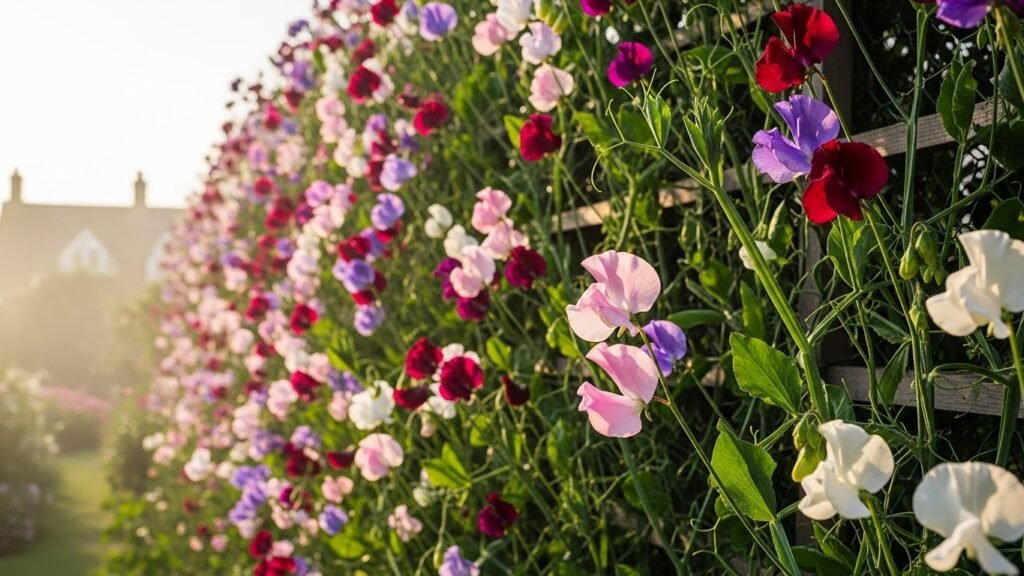
Sweet peas are the absolute rockstars of the spring garden. You probably want that classic, nostalgic vibe in your backyard right now. Growing sweet peas from seed is a total game changer for any flower lover. These plants are famous for their ruffles and that intoxicating perfume. It is like having a high-end parfumerie right outside your back door. While they have a reputation for being a bit finicky, they are actually pretty chill. You just need to know their specific rhythm and schedule. This guide will show you exactly how to skip the learning curve. We will turn those tiny seeds into lush, climbing vines full of color. Get ready to fall in love with these whimsical garden favorites.
Introduction to the Magic of Sweet Peas
There is something truly special about the way sweet peas look in a garden. They bring a sense of history and charm that other flowers just can’t match. For many of us, they represent the official start of the growing season.
The Nostalgic Appeal
- Vintage vibes: Sweet peas have been a staple in cottage gardens for ages.
- Spring traditions: Many gardeners see them as old friends returning every year.
- Whimsical growth: Their delicate tendrils wrap around anything they can find.
The Power of Scent

- Intoxicating perfume: The scent is soft, nostalgic, and totally addictive.
- Garden allure: This fragrance alone is why most people keep growing them.
- Natural air freshener: A small bouquet can fill an entire room with scent.
Vertical Interest
- Space savers: These vines grow up instead of out, which is great for small spots.
- Visual height: They add layers to your cutting garden or flower beds.
- Living walls: You can use them to create beautiful, floral privacy screens.
The Reality of Sweet Peas
- Cool weather lovers: They are not like your typical heat-loving summer annuals.
- Easy from seed: Despite their fancy look, they are very simple to start.
- Growth schedule: Success is all about timing your planting with the weather.
Understanding the Botanical Needs of Sweet Peas
To grow the best sweet peas from seed, you have to think like a plant. They have some very specific likes and dislikes when it comes to the weather. If you give them what they want, they will reward you big time.
The Cool Season Requirement
- Heat sensitivity: These plants will literally shut down if it gets too hot.
- Cold tolerance: They don’t just handle the cold; they actually love it.
- Early start: You need to get them established while the soil is still chilly.
Temperature Ranges for Success
- Germination: They sprout best when it is 50 to 55 degrees Fahrenheit.
- Vegetative growth: They prefer 35 to 50 degrees to build strong stems.
- Flowering: You will see the best blooms between 45 and 68 degrees.
- Frost hardy: Don’t freak out if it hits the 20s; they can handle it.
The Taproot System
- Deep divers: Sweet peas grow long roots that want to stretch way down.
- Root sensitivity: They do not like their roots being messed with during transplanting.
- Space needs: This is why choosing the right container is so important early on.
Selecting Your Varieties
Not all sweet peas are created equal, so you have to choose wisely. Some are bred for looks, while others are bred for that amazing smell. Think about what matters most to you before buying your seeds.
The Fragrance Priority
- Check the label: Look for words like highly scented or very fragrant.
- Modern vs scent: Some modern types look great but have zero smell.
- Traditional types: Heirloom varieties usually have the most powerful perfume.
The Spencer Series
- Long stems: These are the favorites for people who want cut flowers.
- Large blooms: The flowers are bigger and have beautiful ruffled edges.
- Bouquet ready: They are perfect for tucking into spring arrangements.
Modern vs Heirloom
- Visual drama: Modern types often come in wilder colors and patterns.
- Old-fashioned charm: Heirlooms offer that classic look and intense scent.
- Garden goals: Choose based on whether you want a showy garden or a fragrant home.
Sowing Strategies and Timing
Getting your timing right is the secret sauce for sweet peas from seed. If you wait too long, the summer heat will fry them before they bloom. You have to work with your specific local climate.
Determining Your Planting Window
- Warm climates: If your winters are mild, you can plant in the autumn.
- Cold climates: If you get hard freezes, start seeds in late winter.
- Indoor start: Most people in the north start seeds in January or February.
The Daffodil Cue
- Nature’s timer: Watch for the first daffodils to poke out of the ground.
- Outdoor move: This is usually the perfect time to transplant your sweet peas.
- Soil readiness: It means the ground is workable and the temps are just right.
Debunking the Anzac Day Rule
- Local context: There is an old rule to plant on April 25th.
- Flexibility: You don’t have to follow this strictly to have success.
- Earlier is fine: In many places, you can get a head start in March.
Seed Preparation Techniques

- The soak debate: Some experts soak seeds for 24 hours to soften them.
- Dry sowing: Others find that planting them dry works just as well.
- Rot risk: Be careful with soaking too long as seeds can actually rot.
- Scarification: Avoid scratching the seeds unless you really know what you are doing.
Seed Starting Indoors
Starting your sweet peas from seed indoors gives you a massive advantage. It lets the plants build a huge root system before the weather warms up. This extra time is what leads to those tall, healthy vines.
Choosing the Right Containers
- Deep root trays: These are specifically designed for plants with long taproots.
- Root room: You want a container at least 3.5 inches deep for success.
- Biodegradable options: Some people use paper pots to avoid root stress.
Germination and Early Growth
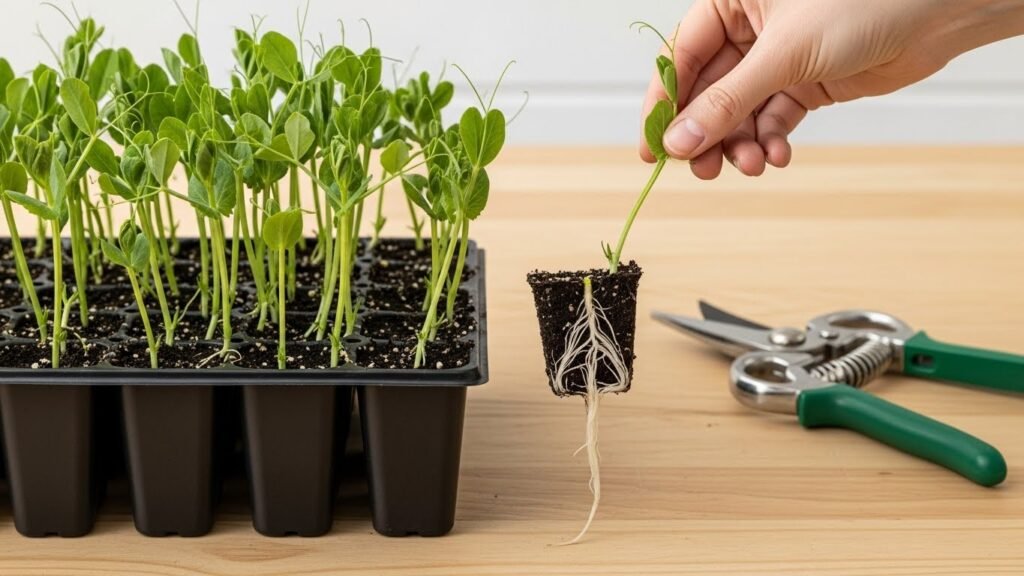
- Planting depth: Push your seeds about a half-inch to an inch deep.
- Skip the heat: Do not use heat mats; keep them in a cool spot.
- Plastic domes: These help keep moisture in until the seeds sprout.
- Lighting: Keep LED lights very close to prevent the plants from stretching.
Preparing the Permanent Garden Site
Sweet peas are hungry plants, so you need to prep their home well. They need a lot of food and water to reach their full potential. A little work now means way more flowers later.
Soil Enrichment Strategies
- The trench method: Dig a deep trench and fill it with rich compost.
- Heavy feeders: Use well-rotted manure to give them plenty of nitrogen.
- Drainage: Make sure your soil lets water flow through easily.
Organic Fertilization Schedules for Maximum Bloom
To get the most out of your sweet peas from seed, you need to understand that these plants are heavy feeders. They require a steady supply of nutrients to fuel their rapid climbing and constant flower production. Using organic methods ensures you build soil health while pushing for those long, sturdy stems.
Pre-Planting Soil Prep
- The Nutrition Trench: Dig a trench about 1 foot deep where your trellis will stand.
- Organic Matter: Fill the bottom of this trench with a thick layer of well-rotted manure or high-quality compost.
- Slow-Release Base: Mix in a handful of organic bone meal or a balanced organic granular fertilizer to provide phosphorus for strong root development.
- Backfilling: Cover the organic matter with native soil so the young roots of your sweet peas from seed don’t touch the “hot” manure immediately.
Early Season Growth Phase
- Nitrogen Boost: Once seedlings are about 6 inches tall, apply a diluted liquid seaweed or fish emulsion every two weeks.
- Vegetative Support: This high-nitrogen feeding helps the vines bulk up and branch out after you pinch them.
- Avoid Over-Fertilizing: Stop heavy nitrogen feeding once you see the first flower buds, as too much nitrogen later on can lead to lots of leaves but very few flowers.
Peak Flowering Maintenance
- Potash Power: Switch to a fertilizer higher in potassium (like organic liquid tomato feed) once blooming begins.
- Weekly Liquid Feed: Apply this liquid feed every 7 to 10 days to keep the plant from getting exhausted.
- Consistent Hydration: Always water your plants before applying liquid fertilizer to avoid burning the roots.
Detailed DIY Trellis Designs for Climbing Success

Sweet peas are vigorous climbers that can easily reach 6 to 8 feet in height. You must have a solid support system in place before you transplant your sweet peas from seed into the garden.
The Cattle Panel Archway
- Materials: One 16-foot heavy-duty cattle panel and four sturdy T-posts.
- Setup: Hammer the T-posts into the ground to create two parallel lines about 4 to 5 feet apart.
- The Arch: Bend the cattle panel into a “U” shape and secure the ends to the T-posts using zip ties or wire.
- Benefit: This creates a magical tunnel that you can walk through, with flowers dangling overhead for easy harvesting.
The Traditional Hortonova Netting Wall
- Materials: Two 8-foot wooden 4×4 posts or metal T-posts and Tenax Hortonova netting.
- Installation: Space your posts 8 feet apart and drive them deep into the soil to handle wind and the weight of the vines.
- Netting Attachment: Stretch the plastic netting tightly between the posts, ensuring the bottom is close to the soil level.
- Efficiency: This is the preferred method for flower farmers because it is inexpensive and allows for excellent air circulation.
The Whimsical Bamboo Teepee
- Materials: Six to eight long bamboo poles (8 feet tall) and garden twine.
- Construction: Push the poles into the ground in a wide circle and tie the tops together with twine to create a cone shape.
- Horizontal Supports: Wrap twine horizontally around the poles every 6 inches to give the young tendrils extra grip.
- Visual appeal: This design works perfectly in the center of a circular flower bed or as a focal point in a cottage garden.
Why Support Texture Matters
- Thin grips: Sweet pea tendrils are small and cannot wrap around thick wooden pickets or wide metal bars.
- Maximum diameter: Ensure your trellis material (twine, wire, or netting) is less than 0.5 cm thick.
- Early training: Even with a great trellis, you may need to use small clips or “tie in” the first few inches of growth to help the plant find its way up.
Transplanting and Training the Vines
Moving your sweet peas from seed into the garden is a big step. You have to be gentle with them so they don’t get shocked. Once they are in, you just need to guide them a bit.
Moving Outdoors
- Hardening off: Gradually get your plants used to the outdoor air and sun.
- The 20-degree rule: It is safe to transplant when nights stay above 20 degrees.
- Spacing: Plant them 4 to 8 inches apart depending on your goals.
Pinching and Training

- The pinch: Snip off the top of the plant when it is 4-6 inches tall.
- Bushy growth: This forcing the plant to grow more side branches and flowers.
- Tying in: Use garden twine to help the young vines find the trellis.
- Growth spurts: Once established, they can grow over a foot every single week.
Ongoing Maintenance for Maximum Yield
If you want flowers all spring, you have to stay on top of things. Sweet peas are not a “set it and forget it” kind of plant. But the work is easy and very rewarding.
Watering Requirements
- Consistent moisture: They hate drying out, especially when it gets warm.
- Drip irrigation: This is the best way to keep the roots hydrated.
- Deep soaking: Water them deeply a few times a week rather than light sprinkles.
Mulching and Feeding
- Cool roots: Use straw or compost to keep the ground temperature down.
- Nitrogen boost: A little extra fertilizer can help if growth seems slow.
- Airflow: Make sure they have enough space to prevent mildew issues.
The Art of the Harvest
The best part of growing sweet peas from seed is finally picking them. There is nothing like a fresh bouquet from your own backyard. Plus, picking them actually helps the plant grow more.
Picking for Production
- Pick frequently: The more you harvest, the more flowers the plant makes.
- Avoid seeds: If you let pods form, the plant thinks its job is done.
- Deadheading: Remove any faded blooms right away to keep the show going.
The Perfect Harvest Stage

- Timing the cut: Pick stems when the bottom flowers are open but the top ones are buds.
- Morning harvest: Cut your flowers early in the day when they are most hydrated.
- Straight stems: Tying the vines helps ensure your stems are long and straight.
Post-Harvest Care and Vase Life
Sweet peas are delicate, but you can make them last a few days. They are meant to be enjoyed right away because of their amazing scent. Follow these tips to keep them looking fresh.
Vase Longevity

- Short life: Expect these beauties to last about 4 to 5 days in a vase.
- Clean water: Always use a very clean vase to prevent bacteria growth.
- Preservatives: Use flower food or a little sugar to give them a boost.
Troubleshooting Common Issues
Even with the best care, sweet peas can sometimes face challenges from nature. Because sweet peas from seed are often grown in the cool, damp conditions of spring, they are susceptible to a few specific pests and fungal issues. Identifying these early is the key to keeping your vines healthy and your blooms abundant.
Managing Common Pests
- Aphids: These tiny green or black insects love to cluster on the tender new growth and flower buds. They suck the sap from the plant, which can cause distorted leaves.
- Natural Control: You can often blast them off with a strong stream of water from your garden hose.
- Organic Sprays: If the infestation is heavy, use an organic insecticidal soap or neem oil spray in the early morning.
- Slugs and Snails: These pests are most active at night or on rainy days and can devour young seedlings in a single evening.
- Protection: Use organic slug bait or copper tape around the base of your trellis to deter them.
- Beer Traps: Placing shallow dishes of beer near your plants is a classic and effective way to drown these garden invaders.
Preventing and Treating Diseases
- Powdery Mildew: This looks like a white, dusty flour has been sprinkled over the leaves. it usually appears when the weather warms up and the air becomes stagnant.
- Airflow: Ensure your plants have proper spacing and that your trellis allows for plenty of wind to move through the vines.
- Foliage Care: Try to water at the base of the plant rather than over the leaves to keep the foliage dry.
- Baking Soda Spray: A mixture of baking soda, water, and a drop of dish soap can help change the pH on the leaf surface and stop the fungus from spreading.
- Root Rot: If your plants are wilting despite having wet soil, the roots may be rotting due to poor drainage.
- Prevention: Always ensure your sweet peas from seed are planted in well-draining soil and avoid overwatering during rainy weeks.
Environmental Stress Issues
- Bud Drop: Sometimes the flower buds will fall off before they even open. This is usually caused by a sudden, drastic change in temperature or light levels.
- Consistency: While you can’t control the weather, keeping the roots cool with mulch can help stabilize the plant during a heatwave.
- Leggy Growth: If your vines are thin and stretching with long gaps between leaves, they are likely not getting enough sunlight.
- Sunlight Needs: Ensure your permanent garden site receives at least 6 to 8 hours of full sun every day.
Common Problems
- Leggy plants: This usually means they aren’t getting enough light or are too warm.
- Yellow leaves: This could be a sign of overwatering or poor drainage.
- No flowers: Make sure you aren’t using too much high-nitrogen fertilizer later in the season.
| Growing Phase | Ideal Temperature | Key Action |
| Seed Starting | 50-55°F | Plant 1 inch deep in deep trays |
| Early Growth | 35-50°F | Pinch tops at 6 inches tall |
| Outdoor Planting | Above 20°F | Transplant into rich, manured soil |
| Blooming Season | 45-68°F | Harvest daily to keep blooms coming |
Custom Planting Calendar for Sweet Peas from Seed
Growing sweet peas from seed requires a solid plan based on your local climate and USDA hardiness zone. Because these plants are frost-hardy but heat-sensitive, your timing is the most important part of the process. This step-by-step calendar helps you stay on track for a successful spring bloom.
Zones 3 to 6: Cold Winter Regions
- Late January to February: Start your seeds indoors in deep root trays to allow for deep root systems.
- March: Keep seedlings in a cool spot with bright light to encourage stocky, branching growth.
- April: Begin hardening off your plants once the soil can be worked and daffodils start to sprout.
- Early May: Transplant your seedlings into the garden roughly 8 inches apart with a sturdy trellis.
- June to July: Enjoy your first wave of fragrant blooms and harvest stems frequently to extend the season.
Zones 7 to 8: Mild Winter Regions
- September to October: Direct sow seeds into the garden or start them in pots for an autumn planting.
- November to January: Protect young plants with mulch or a light cover if a deep freeze is predicted.
- February: Pinch out the central growing tip to encourage the plant to branch vigorously.
- March to May: This is your peak flowering window before the late spring heat arrives.
Zones 9 to 10: Warm Winter Regions
- Late October to November: Sow seeds directly into the ground as the cool weather begins.
- December to January: Provide consistent moisture using drip irrigation or soaker hoses.
- February to March: Expect rapid vine growth and heavy flowering during these cooler months.
- April: Harvest the last of your flowers before the daytime temperatures consistently exceed 80 degrees.
Essential Tips for Every Zone
- Watch the Weather: If you expect a dip into the low 20s, sweet peas can usually handle it without extra protection.
- Prepare the Bed: Always dig in plenty of organic matter, such as compost or manure, before you plant.
- Install Supports: Set up your netting or cattle panel arch before you transplant to avoid damaging young roots.
- Stay Consistent: Keep the soil moist but not soggy to prevent root stress during the growing season.
Conclusion: Savoring the Season
Growing sweet peas from seed is a journey that is totally worth the effort. From that first tiny sprout to the massive wall of fragrant flowers, it is pure magic. You will love walking through your garden and smelling that incredible perfume every morning. Once you experience a successful crop, you will want to grow them every single year. So grab some seeds, get your hands in the dirt, and enjoy the ruffles. Your future self will definitely thank you when the spring breeze carries that scent into your home.
Frequently Asked Questions About Growing Sweet Peas
While the main guide covers the essential journey from seed to bloom, sweet peas are complex plants that often inspire more specific questions. Below are the most common queries and expert answers to help you master these fragrant favorites.
Can I grow sweet peas in the same spot every year?
It is generally recommended to rotate where you plant sweet peas. Since they are heavy feeders and susceptible to soil-borne diseases like root rot, moving them to a new location every year helps keep the soil healthy and prevents the buildup of pathogens. If you must use the same spot, ensure you replenish the soil heavily with fresh compost and manure.
What is the difference between annual and perennial sweet peas?
The sweet peas discussed in this guide (Lathyrus odoratus) are annuals, meaning they live for one season and are famous for their intense fragrance. Perennial sweet peas (Lathyrus latifolius) come back every year, are much more vigorous, and are nearly indestructible, but they have absolutely no scent.
Are sweet pea plants toxic to pets or humans?
Yes, all parts of the sweet pea plant, especially the seeds (which look like edible peas), are toxic if ingested. They contain lathrogens that can cause a condition called lathyrism. Always keep them away from curious pets and young children, and never confuse them with garden peas used for cooking.
Why are my sweet pea leaves turning white or silvery?
This is often a sign of thrips or spider mites. These tiny pests rasp at the surface of the leaves, leaving behind a silvery sheen. Increasing the humidity around the plants or using a light application of organic insecticidal soap can help manage these infestations before they spread to the flower buds.
Do sweet peas need full sun or can they grow in shade?
Sweet peas definitely perform best in full sun, requiring at least six to eight hours of direct light. In very hot climates, they can benefit from some afternoon shade to keep the roots cool, but too much shade will result in spindly growth and very few flowers.
Can I grow sweet peas on a balcony in containers?
Absolutely. You just need a very deep pot—at least 12 to 15 inches deep—to accommodate their long taproots. Ensure the container has a trellis attached or is placed against a railing, and be prepared to water much more frequently than you would for plants in the ground.
How do I save seeds from my own sweet pea plants?
Wait until the end of the season when the pods have turned brown and feel crispy like parchment. Harvest the pods, pop them open, and store the hard, dark seeds in a cool, dry, dark place in a paper envelope. Remember that seeds saved from hybrid varieties may not look exactly like the parent plant.
Why are my sweet pea stems so short?
Short stems are usually caused by heat stress or a lack of moisture. When the weather gets hot, the plant rushes to finish its life cycle and stops putting energy into long stems. Keeping the roots cool with mulch and deep watering can help maintain stem length as the season warms up.
Is it necessary to use a “sweet pea” specific fertilizer?
You do not need a specific brand, but you do need to pay attention to the N-P-K (Nitrogen-Phosphorus-Potassium) ratio. Early in the season, a balanced or high-nitrogen feed is good for growth. Once they start flowering, switch to a high-potash (Potassium) fertilizer to support continuous blooming.
Can I grow sweet peas from seed directly in a greenhouse?
Yes, sweet peas grow wonderfully in an unheated greenhouse. In fact, they often bloom earlier than outdoor plants because they are protected from the harshest winds. Just ensure the greenhouse has excellent ventilation to prevent powdery mildew.
Why do my sweet pea flowers have no scent?
If you chose a variety specifically for fragrance and it doesn’t smell, check the time of day and the temperature. Fragrance is often strongest in the morning and on warm (but not hot) days. Also, some modern “florist” varieties have been bred for stem length at the expense of scent.
How do I know if my sweet pea seeds are still good?
You can perform a simple “sink or float” test by putting them in a bowl of water for a few hours. Generally, seeds that sink are viable, while those that float may be duds. Alternatively, place a few seeds in a damp paper towel to see if they germinate before planting the whole batch.
What should I do if my seedlings get hit by a hard frost?
Don’t panic! Sweet peas are surprisingly hardy. If the leaves look a bit wilted or darkened after a frost, wait for the sun to warm them up. Usually, the plants will recover on their own. Only extreme, prolonged freezes (below 20°F) are likely to kill established seedlings.
Can sweet peas be grown as ground cover?
While they are naturally climbers, they will scramble along the ground if no support is provided. However, this is not recommended as the flowers will be hidden, the stems will get dirty, and the lack of airflow will almost certainly lead to pests and disease.
Do I need to support sweet pea seedlings as soon as they sprout?
Indoors, you don’t need a trellis immediately, but once they reach about 3 to 4 inches, they will start looking for something to grab. Placing small birch twigs or “pea sticks” in the pots can help keep them upright until they are moved to their permanent trellis.
Why are the leaves at the bottom of my plant turning yellow?
This is often a sign of “wet feet” or poor drainage. If the soil stays soggy for too long, the lower leaves will yellow and fall off. It can also indicate a nitrogen deficiency, which can be fixed with a light dose of liquid organic fertilizer.
Are there any “bush” varieties that don’t need a trellis?
Yes, there are dwarf or “bijou” varieties that only grow about 12 to 18 inches tall. These are perfect for hanging baskets, window boxes, or the front of a garden border where you don’t want a massive climbing structure.
How often should I harvest the flowers?
During the peak of the season, you should harvest flowers every two to three days. The more you pick, the more the plant is triggered to produce new buds. If you leave flowers on the vine to turn into seed pods, the plant will stop blooming.
Can I transplant sweet peas that I bought from a nursery?
Yes, but you must be extremely careful. Nursery starts are often root-bound. Gently tease the roots out without breaking the main taproot, and ensure they are planted at the same depth they were in the nursery pot.
Should I cut back my sweet peas at the end of the season?
Once the vines have turned brown and the heat has ended their life cycle, you can pull the vines down. Since sweet peas are legumes, they fix nitrogen in their roots. Some gardeners leave the roots in the soil to decompose, providing a natural nitrogen boost for the next crop.