Skip to content
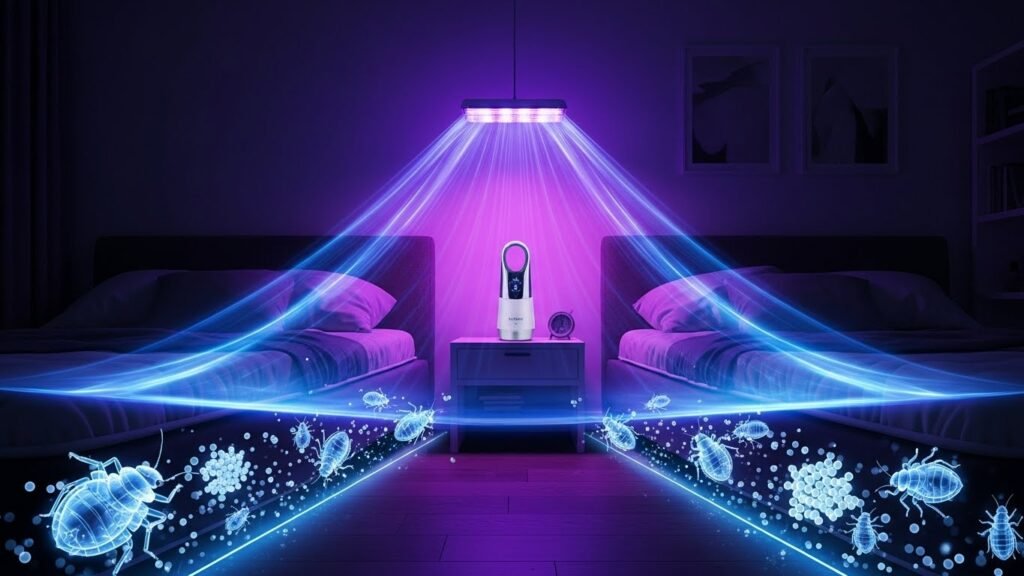
Bed bugs are a real pain for anyone trying to get some rest. They hide in tiny cracks and bite you while you sleep. Many people want to know if there is a better way to get rid of them. You might be wondering, does uv light kill bed bugs without using scary chemicals? This guide looks at how this cool tech works for your home.
Introduction to UV-C Technology and the Bed Bug Crisis
The world is seeing more bed bugs lately. These pests are showing up in houses and fancy hotels everywhere. They are getting harder to kill with normal bug sprays. This is making life very stressful for a lot of families.
Common bug sprays often fail to do the job. Bed bugs have learned how to survive these old treatments. Some chemicals can also be bad for your health. This has led people to look for new ideas.
UV light is now a hot topic in pest control. It is an innovative way to clean surfaces without liquids. Many experts think it could be a game changer. We need to see if it really works for big infestations.
People want to know if they can stop using chemicals. UV-C light offers a different path for home safety. It might be the answer you have been looking for lately. Let’s dive into the science behind this light.
Understanding UV Light and Its Germicidal Principles

Not all light is the same when you look at the spectrum. There are three main types of UV light called A, B, and C. UV-C is the one that has special germicidal powers. It is the most powerful type for killing tiny germs.
The light works by hitting the DNA of the pest. This 254nm wavelength is like a tiny laser for genes. It breaks the DNA so the pest cannot live. This stops the bugs from making more babies.
UV-C light also ruins the RNA of microorganisms. This process is called sterilization or disinfection. It has been used for a long time in hospitals. Doctors use it to keep rooms very clean and safe.
Now this hospital tech is coming to our homes. It helps get rid of bacteria, viruses, and fungi. It is a very clean way to keep things fresh. This same power is what we use against bed bugs.
The Resilience of Bed Bugs: Why They Are a Nightmare to Control
Bed bugs are some of the toughest pests around. They can go for months without eating any blood. This makes them very hard to starve out. They just wait until you come back home.
Their bodies are very flat and thin. They can slide into tiny cracks in your bed. They even hide inside your walls or power outlets. This makes finding them a huge challenge for anyone.
These pests are mostly active at night. They wait for you to fall into deep sleep. You might not even know they are there at first. This lets them spread quickly through the whole house.
Old bug sprays are starting to fail more often. Many bed bugs are now immune to these poisons. Using too many chemicals can hurt the environment too. That is why new tools are so important now.
Scientific Evidence: Does UV-C Light Kill Bed Bugs?
Scientists have spent a lot of time studying this. One famous study came from Ohio State University. They wanted to see if light could stop bugs. The results were very interesting for the science world.
The Journal of Economic Entomology also shared some data. They found that UV-C light really does kill them. The light must be very close to the bug. Distance and time are the most important things.
For the light to work, it needs direct contact. Researchers used a distance of about 1.5 inches. They also kept the light on for 10 seconds. This combo was the most deadly for the pests.
- Distance plays a huge role in the results.
- Time of exposure changes the mortality rate.
- Direct contact is required for the DNA damage.
- Laboratory settings show great promise for this tool.
Impact on Bed Bug Eggs
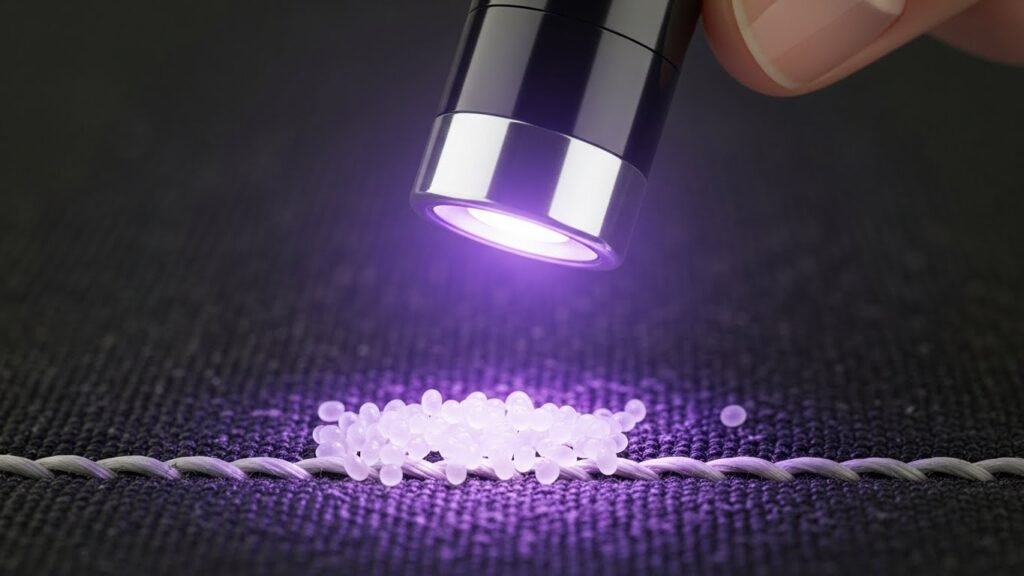
Eggs are the hardest part of an infestation. Many sprays cannot get through the egg shell. This is why infestations often come back again. UV-C light changes the game for these eggs.
The light can actually penetrate the egg surface. In labs, it killed almost 100% of the eggs. This happened with just 10 seconds of light. It is a very effective way to stop them.
By killing the eggs, you stop the next generation. This keeps the population from growing out of control. It is a vital step in any cleaning plan. UV light is a great way to do it.
Impact on Nymphs and Adults
Baby bed bugs are called nymphs. They are also very vulnerable to UV light. The study showed a 62% death rate for them. This helps slow down the infestation a lot.
Adult bed bugs are a bit tougher to kill. Their larger bodies protect their inner parts better. They might need more light to die completely. But the light still causes them a lot of trouble.
Even if they don’t die, they get hurt. The light breaks down their cellular structures. This makes it hard for them to live normally. It is a strong blow to the colony.
Impact on Behavior and Host-Seeking
UV light also messes with how bugs act. Surviving bugs often lose their sense of direction. They have a hard time finding a human host. This means they cannot eat as easily.
The light causes neurological damage to the pests. They move much slower than they did before. Some fail to reach the host at all. This makes it harder for them to survive.
Their feeding patterns get totally disrupted by the light. This is a big win for the homeowner. Fewer bites mean you can sleep much better. It is a great added benefit of UV.
The Major Challenges and Limitations of UV-C in the Field

While the science is cool, it has limits. You can’t just turn on a light and leave. There are rules to how light behaves indoors. You need to know these to be successful.
One rule is the Inverse Square Law of light. This means the light gets weak very fast. If you move the light away, it stops working. You must keep it very close to the target.
- Intensity drops at 6 inches from the source.
- Effectiveness falls to 25% at 12 inches away.
- Light is very weak at 18 inches distance.
- Close proximity is the key to killing bugs.
The Penetration Barrier
UV-C light is very easily blocked by things. It cannot shine through your bed sheets. It won’t go through a thick blanket either. This is a major hurdle for users.
If a bug is hiding under the carpet, it’s safe. The light can’t reach inside your mattress foam. It also gets blocked by wood or plastic frames. You have to see the bug to kill it.
Line-of-Sight Requirements
The light only kills what it can see directly. Bed bugs love to hide in dark holes. They go behind baseboards where light can’t go. This means you might miss the hidden ones.
You have to be very thorough with the wand. It takes a lot of time to scan everything. If you skip a spot, the bugs stay alive. This makes it a slow process for many.
Advantages of UV Light Over Traditional Methods
Even with limits, UV light has huge perks. It is a much cleaner way to handle pests. Many people prefer it over using oily sprays. It makes your home feel much more natural.
Chemical-Free and Non-Toxic
The best part is there are no poisons. You don’t have to worry about breathing chemicals. This is much better for your lungs and skin. It is the ultimate green way to clean.
It is very safe for your furry friends too. Dogs and cats won’t get sick from the light. Even pet birds are safer with this method. It keeps the whole family out of harm’s way.
Efficiency and Speed
UV light works much faster than most sprays. You don’t have to wait days for results. The light kills germs and pests in minutes. It is a very quick way to sanitize.
You can treat your bags right after a trip. This stops bugs before they even move in. It is a proactive way to stay safe. Speed is a major advantage for busy people.
No Residue or Cleanup
Most bug sprays leave a sticky film behind. This can ruin your nice clothes or couch. UV light leaves absolutely nothing on your stuff. Your things stay clean and ready to use.
It is also safe for your expensive electronics. You can shine it on phones or laptops. It won’t damage the screens or the parts. This makes it very versatile for modern life.
Ease of Use and Integration
Using a UV lamp is very simple for anyone. You can just add it to your normal chores. It fits right in with vacuuming or dusting. You don’t need a pro to do it.
You also don’t have to leave your home. Professional tenting makes you move out for days. With UV, you can stay right where you are. It is a very convenient way to fight bugs.
How to Effectively Use UV Sanitizers for Bed Bugs

To win, you have to use the tool right. Always keep the lamp within 2 to 6 inches. This ensures the light is strong enough to work. Slow and steady movement is the secret here.
- Treat your luggage right after every trip.
- Focus on the seams of your mattress often.
- Sanitize your shoes and bags every week.
- Use it on furniture during your laundry days.
Companies like Tool Klean make great units. Their AeraLight is designed for home rooms. It uses high power to kill hidden germs. Using the right gear makes a big difference.
UV-C vs. The “Squish and Flush” Method
Some people just try to squish every bug. This is a very slow and gross way to do it. It also doesn’t stop the whole infestation. You will always miss the ones hiding away.
The “squish” method doesn’t kill the tiny eggs. If you leave eggs, you still have a problem. UV light is much better because it hits eggs. It targets the future of the bug colony.
Treating only the bugs you see is a mistake. You need a plan for the ones you can’t see. UV light is a step up from manual killing. But it still works best with other tools.
Comprehensive Bed Bug Extermination: The Integrated Pest Management (IPM) Approach

Experts say you should use a mix of tools. This is called Integrated Pest Management (IPM). It means you attack the bugs from all sides. UV light is a great part of this big plan.
Dry Heat Treatments
Heat is the king of bed bug killing. Professional heaters get the room very hot. This heat goes deep into the walls and bed. It kills every bug and egg in one go.
Residual Liquid Sprays
Some sprays are still useful for protection. They stay active for a long time on surfaces. This kills any bugs that try to come back later. It is a good backup for your UV cleaning.
Steam Treatment
Steam is another great chemical-free option. It needs to be at least 160 degrees. Steam can go into fabric folds where light can’t. It is a very deep way to clean your bed.
- Encase your mattress with a special cover.
- Apply diatomaceous earth in very thin layers.
- Vacuum every day to pick up loose bugs.
- Wash your bedding in very hot water weekly.
Safety Precautions for UV-C Device Users
UV-C light is powerful and needs respect. You should never look directly at the bulb. It can hurt your eyes or give you a burn. Always follow the safety manual for your device.
Make sure pets and kids are out of the room. High-power lamps should run when you are away. Some units have sensors to turn off automatically. This keeps everyone safe while it cleans.
If you use bug dust, don’t use too much. A thin layer is all you really need. Too much can be bad to breathe in for pets. Safety first is the best way to handle pests.
The Future of UV Technology in Pest Control
Science is making these lights better every day. New LED bulbs are smaller and stronger than before. We might soon see robots that scan for bugs. This tech is only going to get more helpful.
More hotels are using UV to stay clean for guests. It helps them stop outbreaks before they start. This will make traveling much safer for everyone. It’s an exciting time for home hygiene tech.
Final Summary and Expert Recommendations
So, does uv light kill bed bugs? The answer is a big yes, but you have to use it right. It is amazing for killing eggs and sanitizing items. It is a clean, green way to keep your home safe.
We recommend using it alongside heat and cleaning. It is your best friend for preventing new infestations. Keep your gear close and your home will stay fresh. Take the first step toward a bug-free life today!
Frequently Asked Questions About UV-C and Bed Bug Control
Does UV light kill bed bug eggs more effectively than adults?
Yes, scientific research shows that bed bug eggs are highly vulnerable to UV-C light, with mortality rates reaching nearly 100% after 10 seconds of exposure. Adult bed bugs have a thicker exoskeleton and more body mass, making them slightly more resilient than the embryonic stage.
Can I use a standard blacklight to kill bed bugs?
No, a standard blacklight (UV-A) does not have the germicidal power needed to disrupt DNA. Only UV-C light, specifically at a wavelength of approximately 254 nm, has the energy required to kill bed bugs or their eggs.
Does the temperature of the UV lamp help kill the bugs?
Research has shown that the mortality of bed bugs under UV-C light is caused by DNA damage, not heat. During studies, the temperature of the testing area only rose by about 3°C, which is far below the thermal death point of bed bugs.
Will UV-C light work if the bed bugs are inside a wooden bed frame?
No, UV-C light cannot penetrate solid materials like wood, plastic, or metal. The light only kills pests that are in its direct line of sight.
Is UV light effective against insecticide-resistant bed bugs?
Yes, UV-C light works through a physical process of photo-chemical reaction rather than a chemical one. Because it destroys genetic material directly, bed bugs cannot develop the same type of resistance they have toward traditional pesticides.
Can UV-C light penetrate through a thick coat of dust?
A thick layer of dust can act as a shield for bed bugs and eggs, blocking the UV-C rays from reaching them. It is important to vacuum and clean surfaces before using a UV sanitizer to ensure the light hits the target.
Does UV light affect the behavior of bed bugs that survive the exposure?
Yes, surviving nymphs often show impaired host-seeking behavior. The light can cause neurological damage, making it much harder for the bugs to locate a human host for a blood meal.
How close do I need to hold a handheld UV wand for it to work?
To be effective, the light source should be held within 1.5 to 6 inches of the surface. As the distance increases, the intensity of the germicidal rays drops off significantly due to the inverse square law.
Can I use UV-C light to treat my hair if I think there are bed bugs?
No, UV-C light is harmful to human skin and eyes and should never be used on the body. Bed bugs do not typically live in human hair like lice do; they prefer to stay in furniture and clothing.
Will a UV-C room sanitizer kill bed bugs under a rug?
No, the light cannot pass through the fibers of a rug or carpet. It will only sanitize the very top surface of the material.
Does UV-C light kill the pathogens that bed bugs might carry?
While bed bugs are not known to spread diseases to humans, UV-C light is highly effective at killing bacteria, viruses, and fungi that may be present in a dirty environment. It helps maintain general home hygiene and reduces the viral load in a room.
Is UV-C light safe for use on expensive silk or leather?
UV-C light is generally safe for most fabrics as it leaves no wet residue. However, very long and repeated exposure to high-intensity UV light can eventually cause some materials or colors to fade over time.
How many watts does a UV bulb need to be effective?
Research often utilizes high-output bulbs, such as a 35-watt UV-C lamp, to ensure enough radiant power is delivered to the pests. Lower wattage bulbs may require much longer exposure times to achieve the same mortality rate.
Does UV light kill the “first instar” stage of bed bugs?
Yes, the first instar (the earliest stage after hatching) is particularly vulnerable because they are small and have less protection against light penetration.
Can I see bed bug eggs with the naked eye to target them with light?
Bed bug eggs are tiny, white, and about the size of a grain of salt. While they are visible to the naked eye, they are often hidden in mattress seams, making them hard to find without a close inspection.
Does UV-C light work on “hitchhiker” bed bugs in suitcases?
Yes, using a UV sanitizer on an empty suitcase or on the surface of your clothes after traveling is an excellent way to prevent bringing bugs into your home. It targets the bugs before they can crawl into your bedroom.
Should I move my furniture to use a UV room sanitizer effectively?
Yes, since UV-C light requires a direct line of sight, you should move furniture and open closet doors to ensure the light reaches as many “hard-to-reach” areas as possible.
Will UV light kill bed bugs hidden inside electrical outlets?
No, the light cannot reach inside the holes or behind the faceplates of electrical outlets. These areas require different treatments like professional dusts or vacuuming.
Does UV-C light destroy the DNA of other household pests?
While the studies provided focus on bed bugs, UV-C light is known to disrupt the genetic material of various arthropods and microorganisms, making it a versatile tool for general disinfection.
Can I use UV-C light as my only method of pest control?
Experts recommend using UV-C light as a supplemental tool within an Integrated Pest Management (IPM) plan. It works best when combined with vacuuming, heat treatments, and proper cleaning.