Skip to content
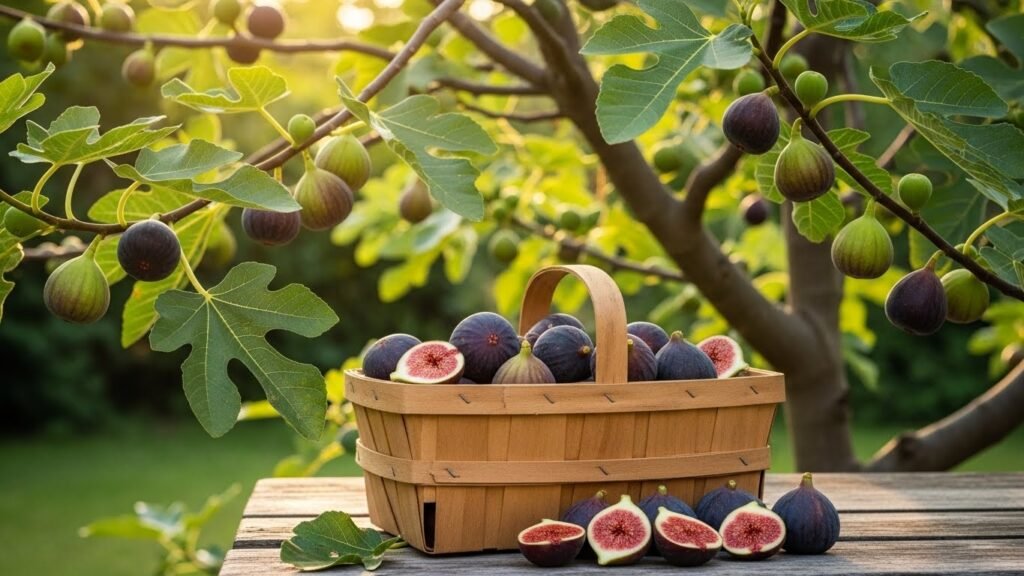
If you want a sweet treat right from your yard, you need a fig tree. These plants are some of the easiest fruit trees you can grow. They offer yummy fruit and look great in any landscape. This guide will show you everything about edible fig tree care. You will learn how to pick, plant, and grow these amazing trees. Let’s get started on your journey to fresh, homegrown figs.
Introduction to the World of Figs
The common fig belongs to a group of plants known as Ficus carica. These trees are perfect for home gardens because they handle different soils well. They are deciduous trees, meaning they drop their leaves every winter. Most people love them because they do not need much work to stay healthy.
Figs are not just tasty; they are super healthy too. They are packed with fiber which helps your tummy feel good. You also get a big dose of calcium and potassium from every bite. These minerals keep your bones strong and your heart happy. Adding figs to your diet is a smart move for your health.
Many gardeners start with figs because they are so forgiving. You do not need to be an expert to see great results. They grow fast and usually produce fruit within a few years. If you follow basic edible fig tree care, you will have plenty of fruit. It is a rewarding hobby that pays off in delicious snacks.
Understanding Fig Tree Fundamentals
Most edible figs we grow are self-pollinating or self-fertile. This means you only need one tree to get fruit. You do not have to worry about bees or wasps moving pollen between trees. This makes them ideal for small yards or urban spaces. Some wild figs need a special fig wasp, but home varieties usually do not.
Did you know some fig trees give you fruit twice a year? The first batch is called the breba crop. It grows on the wood from the previous year during early summer. Sometimes a late frost can ruin these early figs. The second batch is the main crop, which arrives in late summer or fall.
As deciduous plants, figs go through a dormant season in the winter. They lose their leaves and rest until the weather warms up. This dormancy helps the tree save energy for the next growing season. When spring hits, you will see a beautiful flush of new green leaves. This cycle is a natural part of their growth.
There are a few technical parts of the tree to know. The fruit is actually an inverted flower called a syconium or synconium. The little hole at the bottom of the fruit is the ostiole or “eye”. A closed eye is better because it keeps bugs and rain out. The peduncle is the stem that holds the fig to the branch.
Cultivar Selection: Choosing the Right Tree for Your Zone

Picking the right tree starts with knowing your growing zone. Most figs love heat and do best in zones 7 through 11. However, some tough varieties can handle colder spots like zone 5 or 6. You must check your local climate before buying a tree. Selecting the wrong type can lead to a tree that never fruits.
- Chicago Hardy is the king of the north. It can handle temperatures down to 10 degrees. It is a great choice for zone 5 or 6.
- Brown Turkey is a classic choice for many gardeners. It is very hardy and grows well in zones 7 to 9. The fruit is medium-sized and reddish-brown.
- Celeste is often called the honey fig because it is so sweet. It is a smaller tree that works well in tight spaces. It has a tightly closed eye to prevent rot.
- LSU Purple was made for the humid south . it resists many common diseases and produces early. This variety is perfect for zones 7 to 10.
- Black Mission produces huge trees that can reach 40 feet. It grows best in warm areas like California or the south. The fruit is dark purple and very rich.
- Violette de Bordeaux is also known as Negronne. It has a deep, jam-like flavor and stays quite small. It is a top pick for container growing.
- Kadota is a green-skinned fig that is perfect for drying. It thrives in hot, dry summers.
- Olympian is a reliable tree for zone 6. It produces very large fruit with purple stripes.
When you pick a tree, look for specific features. A closed eye is very important if you live in a rainy area. This feature stops the fruit from souring on the tree. You should also consider the mature height and width of the tree. Make sure you have enough room for it to grow fully.
Planning and Site Selection
Sunlight is the most important factor for edible fig tree care. These trees need full sun to make sweet fruit. Aim for at least 8 to 10 hours of direct light every day. A south-facing spot is usually the warmest place in your yard. Without enough sun, your figs will be small and tasteless.
Fig trees are not too picky about soil but they have favorites. They love loamy soil that is rich in organic matter. The soil must be well-drained so the roots do not sit in water. You should aim for a soil pH between 6.0 and 6.5. If your soil is too acidic, you can add limestone to balance it.
If you live in a cold area, use your landscape to your advantage. Plant your tree near a south-facing wall to trap heat. This creates a microclimate that keeps the tree warmer in winter. Avoid low-lying spots where cold air and water settle. Protecting your tree from strong winds will also help it thrive.
Think about the future when you pick a spot. Some fig varieties grow very large and wide. Give them at least 20 to 30 feet of space from other trees. Do not plant them too close to your house or sidewalk. Their root systems can be strong and may crowd out other plants.
The Planting Process

The best time to plant a fig tree is early spring. This gives the tree time to grow roots before winter hits. You can plant container-grown trees anytime, but spring is still best. Avoid planting during the hottest part of summer. Your tree will have a better chance of survival if it starts in mild weather.
- The Hole should be about twice as wide as the root ball. This lets the roots spread out easily into the loose soil.
- Root Management involves gently loosening any roots that are circling the pot. You want them to grow outward into the new ground.
- Depth is key because you want it at the same level it was in the pot. Planting it too deep can cause the trunk to rot.
- Backfill the hole with native soil and some compost. Do not add heavy chemical fertilizers to the hole right away.
- The Soak should happen when the hole is half-filled with soil. This removes air pockets and settles the dirt around the roots.
Once the tree is in the ground, finish filling the hole. Press the soil down gently with your hands. You can build a small dirt dike or embankment around the base. This helps hold water over the root mass so it sinks in deep. Proper planting sets the stage for easy edible fig tree care later.
Mulching is the final step of a great planting job. Apply a 3 to 6-inch layer of organic mulch over the root zone. You can use straw, pine needles, or wood chips. Keep the mulch a few inches away from the tree trunk. This prevents moisture from building up against the bark and causing rot.
Essential Care and Maintenance
Watering is vital for young trees during their first year. They need at least one inch of water every week. If the weather is very hot and dry, you may need to water more often. Check the soil by feeling it with your hand. If the top few inches are dry, it is time to give it a drink.
- Drip Irrigation is a great way to water deeply and slowly.
- Soaker Hoses also work well to keep the roots moist without wetting the leaves.
- Consistency helps prevent the fruit from splitting or dropping early.
- Avoid Waterlogging because figs hate having “wet feet” or soggy soil.
When it comes to fertilizer, less is often more. Do not fertilize a newly planted tree during its first year. For young trees, use a balanced fertilizer like a 5-10-5 or 5-10-10 mix. Apply it every few weeks during the growing season for the first few years. Once a tree is mature and growing well, it may not need any fertilizer at all.
Foliar feeding can give your tree an extra boost. This involves spraying a liquid fertilizer directly onto the leaves. Fish emulsion or liquid kelp are great organic choices. This is especially helpful for trees growing in pots. It provides quick nutrients that the tree can use right away.
Winter protection is a must in colder regions. You can wrap the trunk in burlap or heavy paper to prevent frost cracks. Some gardeners build a cage around the tree and fill it with straw. If the tree is small, you can even bend it to the ground and cover it with soil. These steps help your tree survive the freezing dormant season.
Pruning for Productivity and Shape

Pruning is an important part of edible fig tree care. It helps keep the tree at a manageable size. It also allows more sunlight to reach the fruit inside the canopy. You should do most of your pruning during the dormant season. This is usually in late winter or very early spring before growth starts.
- First Five Years are the time to shape the tree into a central leader or bush.
- Suckers are the little shoots that grow from the base of the trunk. You should cut these off to keep the tree’s energy in the main branches.
- Dead Wood should be removed whenever you see it to prevent disease.
- Thinning out crowded branches improves air circulation and fruit quality.
Be brave when you prune young trees. You can cut back up to half of the previous year’s growth in the first few years. This encourages the tree to grow strong, sturdy branches. As the tree gets older, you will only need light pruning. Always use sharp, clean tools to make smooth cuts.
Fig Trees in Containers
If you have a small patio, you can still grow figs. They actually do very well in containers. Choose a pot that is at least 18 inches wide and has good drainage. Use a soilless potting mix rather than heavy garden soil. This mix stays light and lets air reach the fibrous roots.
Container trees need a bit more attention than those in the ground. They dry out much faster, especially in the wind. You might need to water them every day during a hot summer. They also need regular feeding since they have limited soil. Use a liquid fertilizer every few weeks during the growing season.
When winter arrives, your potted fig needs a safe home. Move it to an unheated garage or basement once the leaves fall. It needs to stay cold enough to stay dormant but warm enough to not freeze solid. Check the soil once a month and give it a tiny bit of water. You do not want the root ball to become bone dry during the winter..
Propagation Through Hardwood Cuttings

Hardwood cuttings are taken when the tree is in its dormant season. This is usually in late winter before the new leaves start to grow.
- Select a Branch: Choose a healthy branch from last year’s growth that is about the thickness of a pencil.
- Cut the Stem: Make a 6 to 10-inch cut just below a node, which is the little bump where a leaf once grew.
- Prepare the End: Cut the top of the stick at an angle and the bottom flat so you know which end goes into the dirt.
- Potting: Stick the flat end into a pot filled with a light soilless mix or moist sand.
- Warmth and Moisture: Keep the pot in a warm spot with bright light and keep the soil damp but not soggy.
- Rooting: In a few weeks, the cutting will grow fibrous roots and start to sprout new figlets.
Other Ways to Make New Trees
While cuttings are the most popular, you can also use other methods like layering. This involves bending a low branch to the ground and covering part of it with soil.
- Layering: This method lets the branch grow roots while it is still attached to the main tree.
- Root Ball Division: Some smaller varieties like Petite Negra or Violette de Bordeaux can be split at the root mass if they grow multiple trunks.
- Wait for Growth: Once the new roots are strong, you can cut the new plant away from the parent tree and put it in its own pot.
Using these tips for edible fig tree care helps you grow your orchard for free. It is a great way to share your favorite varieties like Brown Turkey or Chicago Hardy with friends.
Preparing young fig trees for their first winter is a critical part of edible fig tree care. Because young plants have not yet built up thick bark or deep root systems, they are much more sensitive to freezing temperatures than mature trees.
Why Winter Protection is Needed
Young trees are at high risk during their first dormant season. Without help, the cold weather can cause frost cracks in the trunk or kill the delicate tips of the branches.
- Dormancy: Figs are deciduous and must drop their leaves to rest and save energy for spring.
- Hardiness: Even tough types like the Chicago Hardy need extra help when they are very small.
- Temperature: Protection prevents the sap inside the tree from freezing and expanding, which splits the wood.
Methods for Protecting Young Trees

The way you protect your tree depends on how cold your winters get and whether the tree is in the ground or a pot.
In-Ground Protection
For trees planted in the garden, you want to create a barrier against the wind and ice.
- The Cage Method: Build a wire cage around the tree and fill it with dry straw or fallen leaves.
- Burlap Wrapping: Wrap the main trunk and branches in several layers of burlap or heavy paper.
- Mounding: Use extra soil or mulch to cover the base of the tree to protect the roots and the graft union.
- Burying: For very small trees in very cold zones, you can carefully bend the tree to the ground and cover the whole plant with soil.
Potted Tree Protection
Potted figs have roots that are more exposed to the air, so they need a different kind of edible fig tree care during winter.
- Move Indoors: Once the leaves fall, move the pot to an unheated garage, shed, or basement.
- Temperature Control: The spot should stay cold enough to keep the tree dormant but warm enough to prevent the root ball from freezing solid.
- Monthly Watering: Check the soil once a month and give it a tiny bit of water so the roots do not become bone dry.
Spring Transition
When the weather starts to warm up, you must be careful not to uncover the tree too early.
- Watch the Frost: A late spring frost can easily ruin the new green leaves or the early breba crop.
- Gradual Exposure: Slowly remove the wrappings over a few days so the tree can get used to the sunlight and wind again.
- Fresh Mulch: Apply a new layer of organic mulch like wood chips or straw to help hold moisture as the tree wakes up.
By following these steps, your young fig tree will survive the winter and be ready to grow fast in the spring.
First Year Fig Tree Checklist
Spring: The Planting Phase
- Pick the Right Spot: Choose a location that gets 8 to 10 hours of direct sun and is away from sidewalks.
- Prepare the Hole: Dig a hole twice as wide as the root ball to allow roots to spread easily.
- Check the Roots: Gently loosen any roots that were circling the nursery pot.
- Plant at Correct Depth: Ensure the tree is at the same level in the ground as it was in the pot.
- The First Soak: Water the tree when the hole is half-filled with soil to remove air pockets.
- Mulch for Protection: Apply a 3 to 6-inch layer of organic mulch, keeping it a few inches away from the trunk.
Summer: Growth and Monitoring
- Water Regularly: Provide at least one inch of water every week during the first year.
- Check Soil Moisture: Feel the soil with your hand; if the top few inches are dry, it is time to water.
- Watch for Pests: Keep an eye out for aphids, scale, or birds that might be attracted to new growth.
- Avoid Fertilizing: Do not add fertilizer during the tree’s very first year of growth.
Fall: Preparing for Rest
- Slow Down Watering: As the weather cools, reduce watering to help the tree prepare for dormancy.
- Clean the Area: Pick up and destroy any fallen leaves to prevent the spread of fungus or rust.
- Identify Crops: Note if your tree produced a main crop, which usually arrives in late summer or fall.
Winter: The Dormant Season
- Protect the Trunk: In cold areas, wrap the trunk in burlap or heavy paper to prevent frost cracks.
- Protect the Roots: Use extra mulch or soil to cover the base of the tree and protect the graft union.
- Move Potted Trees: If your tree is in a container, move it to an unheated garage or basement.
- Check Dormant Pots: If stored indoors, check the soil once a month and give it a tiny bit of water so roots don’t dry out.
- Plan for Pruning: Prepare your sharp, clean tools to shape the tree in late winter before spring growth starts.
Following these simple steps will give your tree a strong start and set the stage for years of delicious snacks.
Essential Tools for Fig Tree Care
Investing in a few basic items will save you time and help your tree thrive for decades.
- Bypass Pruners: These are the most important tool for any fig owner. Unlike anvil pruners, bypass blades act like scissors, making clean cuts that heal quickly. They are perfect for removing suckers and thinning small branches.
- Pruning Saw: For older trees with thicker branches, a small hand-held pruning saw is necessary. It allows you to remove large wood without tearing the bark.
- Soil pH Tester: Since figs are sensitive to soil acidity, a simple probe or kit helps you monitor the pH level to keep it between 6.0 and 6.5.
- Soaker Hose or Drip Kit: These tools provide deep, consistent moisture to the roots while keeping the leaves dry, which is the best way to prevent rust and other fungi.
- Sharp Knife: A long-bladed or grafting knife is very helpful for propagation tasks, such as sliding a root ball out of a pot or preparing hardwood cuttings.
- Garden Trowel and Spade: You will need a sturdy spade for digging the large planting holes required for in-ground trees and a trowel for managing potted figs.
- Moisture Meter: This is especially helpful for container-grown figs. It takes the guesswork out of watering by telling you exactly how dry the soil is near the root ball.
- Bird Netting: To protect your harvest from wildlife, a lightweight mesh net is the most effective tool for covering the canopy as the fruit ripens.
Maintenance and Storage of Tools
Proper tool care is just as important as the tools themselves. Dirty or dull equipment can spread disease between your plants.
- Cleaning: After every use, wipe your pruners and saws with a cloth dipped in rubbing alcohol or a mild bleach solution. This kills any pathogens, like the fig mosaic virus, before you move to the next branch.
- Sharpening: Keep your blades sharp using a whetstone or a dedicated sharpening tool. A dull blade crushes the stems rather than cutting them, which stresses the tree.
- Oiling: Apply a light coat of machine oil to the metal parts of your pruners and saws before storing them for the winter. This prevents rust during the damp dormant season.
- Organized Storage: Store your tools in a dry shed or garage. Hanging them up keeps the blades off the ground and makes it easy to find what you need for your next gardening session.
By keeping these tools ready, you can handle every step of your fig tree’s life cycle with confidence.
Troubleshooting Pests and Diseases
Even with great edible fig tree care, problems can happen. Fig rust is a common fungus that causes brown spots on leaves. It often happens when the leaves stay wet for too long. You can manage it by picking up fallen leaves and watering only at the base. In bad cases, a copper-based fungicide can help.
- Fig Mosaic Virus causes yellow patterns on leaves and can make fruit drop. There is no cure, so buy virus-free trees from a good nursery.
- Nematodes are tiny worms in the soil that hurt the roots. They are more common in sandy soils.
- Insects like aphids, scale, and mealybugs can sometimes appear. You can usually control them with neem oil or insecticidal soap.
- Spotted Lanternflies are a newer pest that can weaken the tree by sucking sap.
Keep an eye out for birds and squirrels. They love ripe figs just as much as you do! You can use bird netting to protect your crop as it ripens. Some people use shiny tape or plastic owls to scare them away. Harvesting your fruit as soon as it is ripe is the best way to beat the critters.
The Harvest and Beyond
Knowing when to pick is the most rewarding part of edible fig tree care. Figs do not ripen once they are off the tree. You must wait until they are fully ripe before you harvest. A ripe fig will feel soft to the touch and will hang down on its stem. It might even have a little drop of “honey” at the bottom eye.
Fresh figs are very delicate and do not last long. Eat them right away or keep them in the fridge for a few days. If you have a huge crop, you can dry them in the sun or a dehydrator. Dried figs are a healthy snack that lasts for months. You can also turn your harvest into delicious jams and preserves.
Long-Term Success and Fruit Production Boosters
To get the most out of your tree, be patient. It takes time for the root system to become established. Avoid over-fertilizing, as this can lead to lots of leaves but very little fruit. Make sure your tree gets plenty of light and consistent water. These simple steps are the core of edible fig tree care.
If your tree is struggling, check the basics. Is it getting enough sun? Is the soil draining well? Sometimes a simple layer of fresh mulch can make a big difference. Growing figs is a journey that gets better every year. With a little love, your fig tree will provide sweet treats for decades to come.
FAQs
What should I do if my fig tree develops “wet feet”?
If your soil stays soggy, you must act quickly to prevent root rot. You can improve the area by adding sand or gravel to the soil to help with drainage, especially in low-lying spots. If the tree is in a pot, ensure there are plenty of drainage holes and use a lighter soilless mix.
Why are my figs small and tasteless?
This usually happens because the tree is not getting enough sunlight. Fig trees need at least 8 to 10 hours of direct light every day to produce high-quality, sweet fruit.
How do I identify a “closed eye” on a fig?
The “eye” or ostiole is the small opening at the bottom of the fruit. A closed eye looks tightly sealed or very small, which is a vital feature for stopping rain and bugs from entering and souring the fruit.
Can I use lawn clippings as mulch for my fig tree?
Yes, you can use various organic materials for mulching, including grass clippings, hay, straw, pine needles, or compost. Just make sure to keep the material a few inches away from the trunk to avoid bark rot.
What is a syconium?
A syconium is the technical name for the fig fruit. It is actually an inverted flower where the blossoms grow inside the fleshy structure.
How can I tell if a branch is dead and needs pruning?
Dead wood should be removed as soon as you see it to keep the tree healthy. You can check by gently scratching the bark with your fingernail; if it is brown and dry underneath instead of green and moist, that part of the branch is likely dead.
Is it safe to plant a fig tree near a sidewalk?
It is best to avoid planting figs too close to sidewalks or houses. Their root systems are very strong and can be invasive, potentially crowding out other plants or causing issues with structures.
Why does the guide recommend a south-facing wall for cold climates?
A south-facing wall acts as a heat trap. This creates a warmer microclimate that helps the tree survive cold winters and provides the extra heat needed for the fruit to ripen.
What is the difference between a node and a peduncle?
A node is the small bump on a branch where a leaf once grew, which is where roots or new leaves will sprout during propagation. The peduncle is the specific stem that holds the actual fig fruit to the branch.
Can I grow a Black Mission fig in a cold northern state?
Black Mission figs grow best in warm areas like California or the South and can reach huge sizes. If you live in the North, it is better to choose a Chicago Hardy or grow your fig in a container so it can be moved indoors.
What are the benefits of using a soaker hose for figs?
Soaker hoses are excellent for edible fig tree care because they provide deep, slow watering directly to the roots. This keeps the roots moist while keeping the leaves dry, which helps prevent fungal diseases like rust.
Why should I wait until the second year to fertilize?
You should not fertilize a newly planted tree during its first year. This allows the tree to focus on establishing a strong root system without being forced into excessive top growth by heavy chemicals.
How does a “dirt dike” help a new tree?
A dirt dike or embankment is a small ring of soil built around the base of the plant. It helps impound water over the root mass, allowing it to sink deep into the ground rather than running off the surface.
What happens if I plant my fig tree too deep?
Planting depth is very important; you should keep the tree at the same level it was in its nursery pot. If the trunk is buried too deep, it can lead to trunk rot and the eventual death of the tree.
Does the Kadota fig grow well in humid areas?
Kadota figs thrive best in hot, dry summers and are particularly prized for drying. For humid areas like the South, a variety like LSU Purple is a better choice because it was specifically bred to resist diseases common in moist air.
Can I propagate a fig tree using a branch that is very old?
It is best to select a healthy branch from the previous year’s growth for hardwood cuttings. These younger branches, typically about the thickness of a pencil, have more energy and a better chance of rooting successfully.
How do I use shiny tape to protect my fruit?
Birds and squirrels love ripe figs. Hanging shiny, reflective tape in the branches creates movement and light flashes that scare birds away from your ripening crop.
What is the “honey” seen on a ripe fig?
As a fig reaches full ripeness, it may produce a small drop of sweet liquid at the ostiole or eye. This is a natural sign that the sugars are concentrated and the fruit is ready to be picked.
Why is leaf debris a problem for fig trees?
Fallen leaves can harbor fungus, such as fig rust. Picking up and destroying fallen leaves helps prevent the spread of disease to next year’s growth.
Can I grow a fig tree from a root ball division?
Yes, smaller varieties like Petite Negra or Violette de Bordeaux can sometimes be split at the root mass if they have grown multiple trunks. This allows you to cut a new plant away from the parent tree once the new roots are strong.