Skip to content
Growing plants should be a total blast and not a massive chore. The Calandiva is a rockstar succulent that makes home gardening super easy. This guide will show you how to master calandiva kalanchoe plant care like a pro. You can turn your space into a tropical paradise with very little effort.
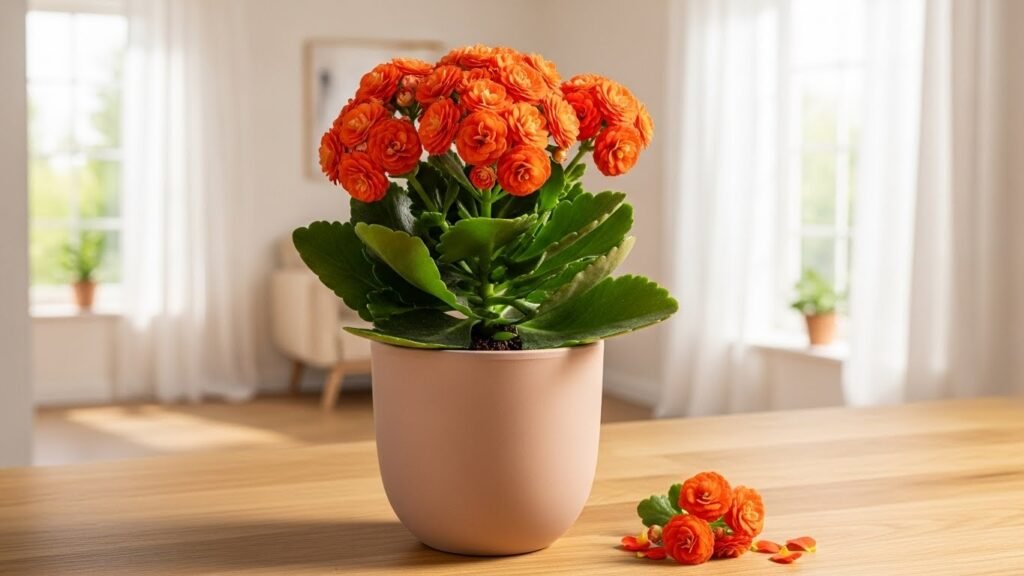
The Calandiva is famous for its thick leaves and stunning double flowers. It is a special breed of the Kalanchoe blossfeldiana from Madagascar. People love it because it looks like a tiny rose bush in a pot. Learning calandiva kalanchoe plant care helps these rose-like blooms last for months.
This plant belongs to the Crassulaceae family and loves warm weather. It is a perennial that keeps on giving year after year. Many folks call it the Rosebud Kalanchoe because of its flower shape. It symbolizes persistence and eternal love in many different cultures.
Introduction to the Calandiva Plant
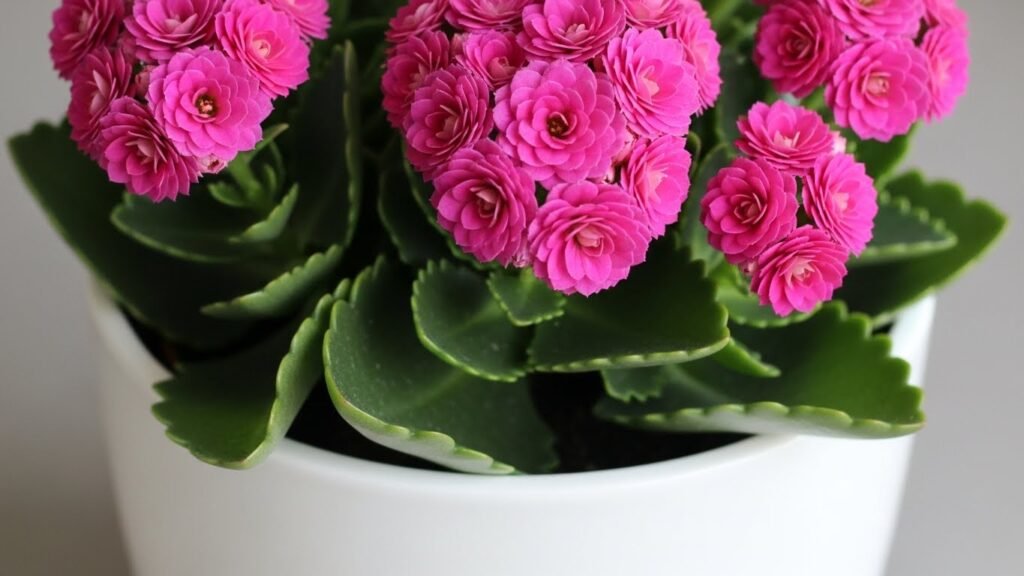
The Calandiva is a showstopper that brings vibrant colors to any room. You can find them in shades of orange, pink, and bright yellow. They also come in classic red, white, and deep magenta tones. These plants are perfect for your home office or as a gift.
Botanical Background
- Scientific Name: It is technically a cultivar of the Kalanchoe blossfeldiana species.
- Origin: Its ancestors originally come from the tropical island of Madagascar.
- Plant Type: This is a succulent perennial that stores water in its leaves.
- Family: It is a proud member of the Crassulaceae or stonecrop family.
Visual Appeal
- Foliage: The leaves are dark green, fleshy, and have cool scalloped edges.
- Double Blooms: Unlike standard Kalanchoes, these have extra petals for a fuller look.
- Structure: The plant grows in a neat, bushy mound that stays compact.
- Texture: The thick leaves feel smooth and waxy to the touch.
Symbolism and Uses
- Eternal Love: These plants represent long-lasting affection because the flowers endure so long.
- Prosperity: Giving one as a gift is said to bring wealth.
- Air Purifying: They help clean the air inside your living space.
- Living Decor: They function as beautiful, low-maintenance pieces of art for desks.
Size and Growth Habit
Knowing how big your plant gets is a key part of calandiva kalanchoe plant care. These plants are generally small and stay where you put them. They do not grow like wild vines that take over walls. Most stay under two feet tall even when they are fully grown.
Pot Sizes and Dimensions
- Tiny Starters: You can find them in 2-inch pots for cute terrarium setups.
- Standard Sizes: Most garden centers sell them in 4-inch or 6-inch containers.
- Large Displays: Some shops offer 8-inch pots with several plants grouped together.
- Mature Size: A healthy plant usually reaches about 18 inches by 14 inches.
Growth Speed
- Slow Pace: These succulents grow at a moderate to slow speed indoors.
- Compact Nature: They naturally want to stay bushy rather than getting very tall.
- Seasonal Growth: Most of the new leaf growth happens in spring and summer.
- Root Bound: They actually enjoy being a bit cozy in their pots.
Light Requirements
Lighting is the most important part of calandiva kalanchoe plant care. Without enough light, your plant will stop blooming and look sad. It needs a good balance to stay healthy and colorful. Too much sun can be just as bad as too little.
High Light Needs for Indoor Environments

- Bright Indirect Light: This is the sweet spot for keeping leaves green.
- South-Facing Window: This spot provides the best natural light during the day.
- East and West Windows: These offer great light but watch out for heat.
- Six-Hour Rule: Try to give your plant at least six hours of light.
Outdoor Light Considerations
- Partial Shade: Keep them in filtered sun if you move them outside.
- Midday Sun: Always protect your plant from the harsh 12 PM sun.
- USDA Zones: They only live outside year-round in zones 10 and 11.
- Leaf Scorch: Direct sun can cause permanent brown spots on the foliage.
Identifying Light Issues
- Leggy Growth: Long, thin stems mean the plant is “stretching” for light.
- Pale Leaves: A lack of light makes the vibrant green turn yellow.
- Bud Support: High light levels are required to get those flowers to open.
- Stunted Blooms: If it won’t flower, move it to a brighter location immediately.
Watering Essentials
Succulents are desert plants at heart and hate being soggy. Proper watering is the secret to great calandiva kalanchoe plant care. It is much better to under-water than to over-water these guys. Their thick leaves act like little water tanks for dry times.
Low Watering and Drought Tolerance
- Completely Dry: The soil must be 100% dry before you add water.
- Bi-Weekly Routine: Most homes only need to water every two weeks.
- Winter Schedule: You should water even less during the cold winter months.
- Drought Survival: These plants can easily handle a missed watering session.
Proper Watering Techniques

- Soil Level: Always pour water directly onto the soil, not the leaves.
- Base Watering: Keep the flowers dry to make them last much longer.
- Bamboo Skewer: Stick a skewer in the soil to check for moisture.
- Drainage Check: Make sure water flows freely out of the bottom holes.
Preventing Common Issues
- Root Rot: Letting the plant sit in water will kill the roots.
- Wet Feet: Never leave your pot sitting in a saucer of water.
- Stem Decay: Water trapped in the leaves can cause the stem to rot.
- Fungal Growth: Over-watering often leads to nasty mold and fungus problems.
Temperature and Environment
Calandivas like the same temperatures that humans find comfortable. They are tropical plants that cannot handle any frost at all. Keeping the air stable is a big part of calandiva kalanchoe plant care. Sudden changes can shock the plant and drop the flowers.
Stable Warmth and Indoor Comfort
- Sweet Spot: They love a range between 60°F and 85°F during the day.
- Night Temps: They prefer it slightly cooler at night, around 65°F.
- Draft Alert: Keep them away from cold doors and drafty window sills.
- Heat Vents: Don’t put them right next to a heater or fireplace.
Seasonal Transitions
- Summer Holiday: You can put them on a porch when it stays warm.
- Cold Cutoff: Bring them in if night temps hit 50°F.
- Rain Protection: Heavy storms can drown the plant or break the stems.
- Hardiness Zones: They thrive outdoors in southern Florida or Hawaii.
Humidity Management
Most tropical plants want a swampy feel, but not this one. Calandivas are very happy with the dry air found in most homes. High humidity can actually cause more problems than it solves. Simple air is all you need for calandiva kalanchoe plant care.
Low Humidity Requirements
- Average Home Air: Around 40% humidity is perfect for this succulent.
- No Misting: Never spray the leaves with water like other houseplants.
- Bathrooms: Avoid putting them in small, steamy bathrooms without windows.
- Airflow: Good air circulation helps keep the thick leaves healthy.
Disease Prevention
- Powdery Mildew: Damp, still air can cause white fuzzy spots.
- Leaf Health: Keeping leaves dry prevents bacterial infections from starting.
- Desert Air: They are naturally adapted to handle very dry desert-like air.
- Spacing: Give your plant space so air can move around it.
Soil and Repotting
The right dirt makes all the difference for your green friends. They need soil that lets water pass through very quickly. Dense soil will trap water and cause the roots to mush. Good calandiva kalanchoe plant care starts with the right foundation.
The Perfect Well-Draining Mix
- Succulent Mix: Buy a bag specifically labeled for cacti and succulents.
- Custom Blend: Mix half potting soil with half perlite or pumice.
- Compost: Adding a tiny bit of compost provides natural slow nutrients.
- Aeration: Perlite helps create air pockets for the roots to breathe.
Repotting Procedures
- Three-Year Cycle: You only need to repot about every three years.
- Root Bound Sign: Repot if you see roots growing out of drainage holes.
- Spring Timing: Always repot in the spring when the plant has energy.
- Slightly Larger: Only move up one pot size to avoid excess soil.
Fertilizing for Success
Even succulents need a little snack every now and then. Feeding helps the plant produce those massive clusters of flowers. However, too much food can actually burn the delicate roots. Balance is key for calandiva kalanchoe plant care.
Feeding During the Growing Period
- Spring and Summer: This is the only time you should be feeding.
- Monthly Schedule: Give them a drink of fertilizer once a month.
- Liquid Choice: Use a balanced 16-16-16 water-soluble fertilizer.
- Half Strength: Always mix the fertilizer to half the strength on the box.
Dormancy and Blooming Precautions
- Fall and Winter: Stop all feeding during the dormant rest period.
- No Food During Bloom: Never fertilize while the plant is already flowering.
- Salt Buildup: Too much fertilizer leaves white crusty salt on the soil.
- Root Burn: Excess salts can cause brown edges on your green leaves.
Cleaning and Pruning Techniques
Keeping your plant tidy helps it stay healthy and pest-free. Pruning also tells the plant where to put its energy. It is an easy task that makes a big visual impact. Regular grooming is part of expert calandiva kalanchoe plant care.
Maintenance for Shape and Health
- Dusting: Gently wipe leaves with a damp cloth to keep them shiny.
- Dead Leaves: Pull off any yellow or dry leaves from the bottom.
- Soil Surface: Keep the top of the dirt clear of fallen flower petals.
- Pinch Tips: Pinching the growing tips helps make the plant more bushy.
Post-Bloom Pruning
- Deadheading: Cut off flower stalks once the blooms turn brown.
- Leaf Trim: Snip off large leaves that block the sun from new buds.
- Cutting Back: Trim stems down to the next set of leaves after blooming.
- Sanitation: Always use clean, sharp scissors to prevent spreading germs.
The Reblooming Strategy

The coolest part of calandiva kalanchoe plant care is making it bloom again. This plant reacts to the length of the days and nights. You have to trick it into thinking it is winter to get buds. It takes some patience but the results are totally worth it.
Photoperiodism and Light Deprivation
- Short Day Plant: It needs long periods of darkness to trigger flowers.
- 14-Hour Rule: The plant must be in pitch black for 14 hours daily.
- Six-Week Cycle: You have to do this every day for about six weeks.
- The Closet Trick: Many people put their plant in a dark closet at night.
Care During the Reblooming Phase
- Dry Soil: Keep the plant very dry during its dark treatment time.
- Daylight Hours: Give it 10 hours of bright light during the day.
- Spotting Buds: Once you see tiny green buds, the dark treatment is over.
- Flowering Duration: Once it starts, the blooms can last 6 to 10 weeks.
Propagation Methods
Why buy new plants when you can make clones for free? Calandivas are super easy to grow from just a small stem. This is a fun way to share your plant with your best friends. It is a rewarding step in calandiva kalanchoe plant care.
Cuttings and Rooting

- Selection: Pick a healthy stem that does not have any flowers.
- Length: Your cutting should be about 3 or 4 inches long.
- Callousing: Let the cut end dry on a counter for two or three days.
- Rooting Hormone: Dip the end in powder to help roots grow faster.
Division and Early Care
- Potting Up: Stick the calloused end into moist succulent soil.
- Bright Light: Keep the baby plant in a warm spot with indirect light.
- Humidity Dome: Cover with a plastic bag to keep some moisture inside.
- Patience: It takes a few weeks for the new roots to take hold.
Troubleshooting and Plant Health
Every gardener runs into a few bumps in the road sometimes. Identifying problems early is vital for calandiva kalanchoe plant care. Most issues come from too much water or the wrong light. Keep an eye on your plant and it will tell you what it needs.
Common Pests and Diseases
- Aphids: Tiny green bugs that like to hide under the leaves.
- Mealybugs: White, fuzzy-looking pests that suck the sap out.
- Spider Mites: Small pests that leave tiny webs between the stems.
- Scale: Hard, brown bumps that stick to the stems and leaves.
Identifying Stress Signs
- Yellow Leaves: This is usually the first sign of over-watering.
- Wrinkled Leaves: This means the plant is thirsty and needs a drink.
- Stretching: Leggy stems mean the plant is starving for more light.
- Mushy Stems: This is a serious sign of rot and needs quick action.
Expert Tips for Longevity
To keep your Calandiva happy for years, follow these pro moves. Consistency is better than doing a lot of work all at once. These plants are tough, but they love a steady routine. Your calandiva kalanchoe plant care will get easier with time.
Maintenance Table
| Care Factor | Ideal Condition |
| Light | 6+ hours bright indirect light |
| Water | Only when soil is 100% dry |
| Temp | 60°F to 85°F |
| Soil | Fast-draining succulent mix |
| Food | Balanced 16-16-16 (Spring/Summer) |
Watering Schedule
Proper watering is the secret to great calandiva care. As succulents, these plants store water in their thick leaves and hate being soggy.
Spring and Summer (Growing Season)
- Check Frequency: Inspect the plant every 7 to 10 days to see if it needs a drink.
- The Method: Use a bamboo skewer to check for moisture; the soil must be 100% dry before you add water.
- The Action: Pour water directly onto the soil level, not the leaves.
- Base Watering: Keeping the flowers dry will make the blooms last much longer.
Fall and Winter (Dormancy)
- Check Frequency: Adjust your routine to water even less during the cold winter months.
- Reduced Intake: Most homes only need to water every two weeks or less depending on temperature.
- Reblooming Phase: If you are trying to get the plant to flower again, keep the soil very dry during the dark treatment time.
Pruning and Maintenance Schedule
Regular grooming helps your plant stay healthy, bushy, and pest-free.
Monthly Maintenance
- Dusting: Gently wipe the leaves with a damp cloth about once a month to keep them shiny and help with photosynthesis.
- Cleaning: Pull off any yellow or dry leaves from the bottom of the stem.
- Soil Surface: Keep the top of the dirt clear of fallen flower petals and debris to prevent fungus.
Post-Bloom Care
- Deadheading: Cut off the flower stalks once the blooms turn brown.
- Structural Trimming: Trim stems down to the next set of leaves after the blooming period ends.
- Thinning: Snip off large leaves that might be blocking sunlight from reaching new buds.
Seasonal Fertilizing Guide
Feeding provides the nutrients needed to produce massive clusters of flowers, but balance is key to avoid burning the roots.
Active Feeding (Spring and Summer)
- Timing: This is the only time you should feed your plant.
- Frequency: Give them a drink of fertilizer once a month.
- Fertilizer Type: Use a balanced 16-16-16 water-soluble liquid fertilizer.
- Strength: Always mix the fertilizer to half the strength listed on the box to prevent root burn.
The Rest Period (Fall and Winter)
- Stop Feeding: Discontinue all fertilizing during the dormant fall and winter months.
- Bloom Precaution: Never fertilize while the plant is already in flower, as it can be harmful during this stage.
- Salt Check: If you see white crusty salt on the soil, stop feeding and flush the soil with plain water.
Calandiva Care Summary Checklist
This printable checklist provides a quick look at the essential requirements for expert calandiva kalanchoe plant care. Following these consistent habits will help your rockstar succulent thrive year after year.
Lighting and Location
- Bright Indirect Light: Place your plant in a spot that receives bright, natural light but is protected from direct sun.
- Window Choice: A south-facing window is the best spot for daily light, while east and west windows are also good options if you monitor the heat.
- Six-Hour Minimum: Ensure the plant gets at least six hours of light daily to prevent leggy growth.
- Temperature Stability: Maintain a range between 60°F and 85°F, keeping the plant away from cold drafts or heater vents.
Watering and Humidity
- The Dry Test: Only water when the soil is 100% dry; use a bamboo skewer to check deep in the pot.
- Soil Level Only: Always pour water directly onto the soil and avoid getting the leaves or flowers wet.
- Drainage First: Verify that water flows freely out of the drainage holes and never let the pot sit in excess water.
- No Misting: Keep the leaves dry to prevent powdery mildew, as these plants prefer average home humidity.
Feeding and Soil
- Fast-Draining Mix: Use a dedicated succulent and cacti potting mix or a blend of potting soil and perlite.
- Monthly Feeding: Apply a balanced 16-16-16 fertilizer at half strength only during the spring and summer.
- Dormancy Rest: Stop all fertilizing during the fall and winter months or while the plant is actively blooming.
Maintenance and Reblooming
- Regular Grooming: Wipe dust off the leaves once a month and clear fallen petals from the soil surface.
- Post-Bloom Pruning: Cut off dead flower stalks and trim stems back to the next set of leaves to keep the plant bushy.
- Darkness Treatment: To trigger new flowers in the fall, provide 14 hours of total darkness daily for six weeks.
Conclusion
Mastering calandiva kalanchoe plant care allows you to enjoy a tropical paradise in your own home with very little effort. By providing these rockstar succulents with bright indirect light, a well-draining soil foundation, and a strict “dry out” watering routine, you ensure they remain healthy and vibrant year after year. Whether you are keeping them as living decor for your office or giving them as a gift to symbolize prosperity and eternal love, these plants are a rewarding addition to any indoor garden.
While the Calandiva is famous for its stunning rose-like double flowers, its true beauty lies in its resilience and ease of growth. By following consistent maintenance habits, such as seasonal pruning and the specific reblooming strategy, you can transform a simple potted plant into a long-lasting showstopper. Remember that your journey with this plant gets easier over time as you develop a steady routine that aligns with its natural desert-like needs.
Frequently Asked Questions About Calandiva Care
Is the Calandiva plant toxic to cats and dogs?
Yes, like most members of the Kalanchoe family, the Calandiva contains cardiac glycosides that are toxic to pets. If ingested, it can cause drooling, vomiting, or in severe cases, heart rhythm issues.
Can I grow Calandiva from a single leaf?
While stem cuttings are faster, you can grow a new plant from a single leaf. Simply place a healthy leaf on top of moist succulent soil until tiny plantlets begin to form at the edges.
What is the difference between Kalanchoe and Calandiva?
The Calandiva is a specific cultivar of Kalanchoe blossfeldiana. The main difference is that Calandivas have “double flowers,” meaning they have 32 petals instead of the usual 4 found on standard Kalanchoes.
Why are my Calandiva leaves turning red?
Leaves often turn red due to “sun stress,” which happens when the plant gets a lot of direct light. While not always harmful, it is a sign the plant is protecting itself from intense UV rays.
Can Calandiva plants grow in water?
You can root stem cuttings in water, but the plant cannot live in water permanently. As a succulent, its roots will eventually rot if they do not have a dry period in well-draining soil.
Does Calandiva clean the air?
Yes, this plant is considered an air-purifying houseplant. It helps remove common indoor toxins while releasing oxygen, making it a great choice for a home office.
Why is my Calandiva dripping a sticky substance?
A sticky residue, or “honeydew,” is usually a sign of pests like aphids or mealybugs. These insects excrete the substance as they feed on the plant’s sap.
How do I stop my Calandiva from falling over?
If your plant is top-heavy or leaning, it likely needs more light or a support stake. Pruning the top of the plant can also help it grow a thicker, more stable stem.
Can I use regular garden soil for my Calandiva?
No, regular garden soil is too heavy and holds too much moisture. It will likely lead to root rot; always use a porous succulent and cacti mix.
Should I mist my Calandiva to increase humidity?
You should avoid misting the leaves of a Calandiva. Water sitting on the fleshy leaves or flowers can lead to powdery mildew and fungal diseases.
What does it mean if the leaves are soft and wrinkled?
Soft, wrinkled leaves typically mean the plant is dehydrated. Check the soil with a bamboo skewer; if it is bone dry, give the plant a thorough watering.
How long does it take for a cutting to root?
Under the right conditions with bright indirect light, a stem cutting usually develops roots in 2 to 3 weeks. Using a rooting hormone can speed up this process.
Can Calandiva survive in a windowless room?
No, Calandivas need bright natural light or a very strong grow light to survive. In a dark room, they will lose their color, stretch out, and eventually die.
Is it normal for the bottom leaves to fall off?
Occasionally, older leaves at the very bottom of the stem will turn yellow and drop off. As long as new growth at the top looks healthy, this is a natural part of the plant’s aging process.
What are the white fuzzy spots on my plant?
White fuzzy spots are usually either powdery mildew (a fungus) or mealybugs (an insect). Treat powdery mildew with a fungicide and mealybugs with neem oil or rubbing alcohol.
Can I move my Calandiva outdoors in the spring?
You can move it outside once the danger of frost has passed and night temperatures stay above 50°F. Be sure to acclimate it slowly to prevent the leaves from burning in the sun.
How often should I wash the leaves?
You should gently wipe the leaves with a damp cloth about once a month. This removes dust so the plant can photosynthesize more efficiently.
Does Calandiva produce seeds?
While they can produce seeds after flowering, they are very difficult to grow from seed at home. Propagation by stem cuttings is the much preferred and easier method.
Why are the flower buds falling off before they open?
This is known as “bud drop” and is usually caused by sudden temperature changes, cold drafts, or the soil being kept too wet.
How do I know if my plant has root rot?
If the plant looks wilted even though the soil is wet, or if the base of the stem feels mushy and smells bad, it likely has root rot.