Skip to content
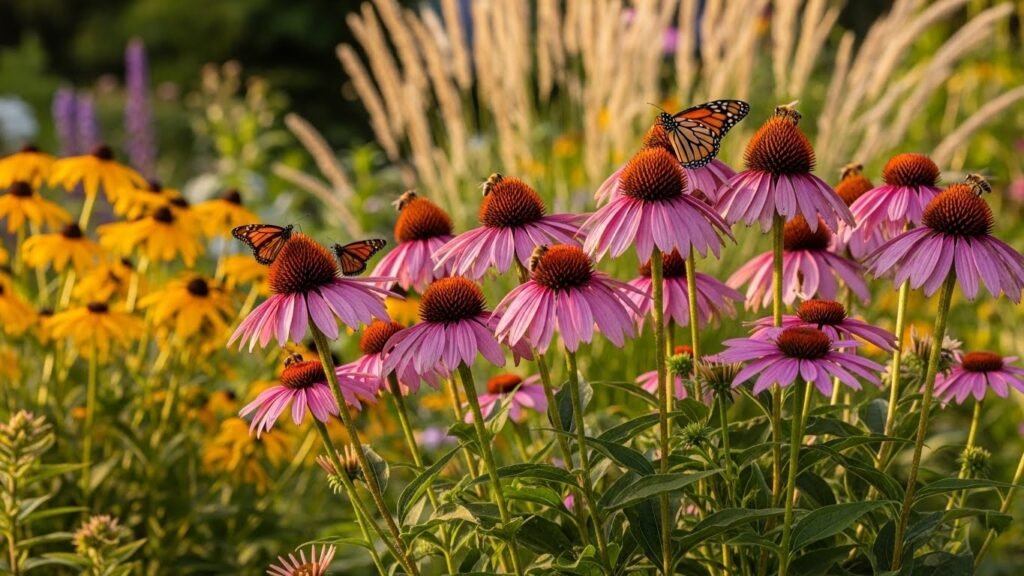
Growing coneflower from seed is a total game changer for your home garden. These tough plants are famous for their spiky centers and bright purple petals. They are some of the most reliable native flowers you can find in the USA. If you want a garden that pops every summer, this is your plant.
Starting coneflower from seed is a budget-friendly way to fill up big flower beds. You do not need to be a pro gardener to get great results. These flowers are super hardy and can handle some tough love. Once they get going, they will keep coming back for years.
In this guide, we will walk through every single step together. We will cover how to wake up those sleepy seeds and keep them happy. You will learn how to deal with dirt, sun, and even some pesky garden bugs. Let’s dive in and get those green thumbs working.
Introduction to the Purple Coneflower (Echinacea)

Purple coneflowers belong to a group of plants called Echinacea. The name comes from a Greek word that means hedgehog. If you look at the prickly center of the flower, you will see why. These plants have deep roots in the American prairie.
These flowers are famous for being super resilient and tough. They can grow in places where other flowers might just give up. They teach us how to lead with the heart and shine bright. Even if your soil is a bit messy, these plants can thrive.
Lately, more people are choosing native plants for their yards. Echinacea is often the star of the show in these eco-friendly gardens. It is more than just a pretty face in the flower bed. It is a foundational piece of a healthy backyard ecosystem.
The Ecological and Aesthetic Value of Echinacea
Echinacea is a double threat because it looks great and helps nature. It adds a classic look to any meadow or formal garden. Your neighbors will definitely notice these tall and vibrant blooms. Plus, you are doing a solid for the local wildlife.
Benefits to the Ecosystem

These flowers act like a high-end restaurant for local bugs. They provide tons of nectar and pollen when it is hot. Many different types of life depend on these plants to survive. Here is how they support your local environment:
- Pollinator Support: Bees and butterflies flock to the wide flower heads.
- The Bird Buffet: Goldfinches love to eat the seeds during the cold winter.
- Larval Hosting: Some butterflies lay their eggs right on the leaves.
Aesthetic and Functional Versatility
You can use these plants in so many different ways. They look awesome in a wild meadow or a neat border. They are also perfect for a no-dig garden setup. Here are a few ways they shine:
- Garden Design: They provide height and structure to the back of beds.
- Cut Flower Gardening: They stay fresh for a long time in a vase.
- Drought Tolerance: They can survive long periods without much rain.
Taxonomy: Choosing the Right Species for Your Region
Not all coneflowers are exactly the same. There are a few different species you might want to try. Picking the right one depends on where you live and your soil. Let’s look at the most popular choices for your garden.
Major North American Species
The most common one you will see is Echinacea purpurea. It is very easy to find and grows almost anywhere. There is also Echinacea pallida which has very pale petals. Echinacea angustifolia is another big one often used for its medicine.
Rare and Localized Species
Some species only grow in very specific parts of the country. Echinacea paradoxa is cool because its flowers are actually yellow. The Tennessee coneflower has petals that point straight up at the sky. There is even an Ozark specialty called the Ozark coneflower.
The Hybrid Debate: Wild Types vs. Cultivars
You might see many different colors at the garden store. These are often hybrids made by humans for fancy looks. Some are bright orange or even neon green. While they look neat, they might not be best for bugs.
- The Sterile Trap: Many hybrids do not produce any pollen or seeds.
- Vigor and Longevity: Wild types usually live much longer than the hybrids.
- Nutritional Value: Heirloom nectar is usually better for the bees and butterflies.
The Science of Germination: Breaking Seed Dormancy
Growing coneflower from seed requires understanding how they sleep. These seeds have a built-in timer that prevents early sprouting. If they sprouted in winter, they would freeze and die. We have to trick them into thinking winter is over.
Understanding Physiological Dormancy
This is the plant’s way of staying safe during the cold. The seed stays in a deep sleep until it feels enough cold. It is like an internal alarm clock for the embryo. Without this, the seeds just sit there and do nothing.
The Cold Stratification Protocol
We can mimic winter by putting seeds in the fridge. This is the best way to grow coneflower from seed successfully. It signals to the seed that it is time to wake up. Here is the data on why it works:
| Method | Duration | Germination Rate |
| No Cold Treatment | 0 Days | Very Low |
| Fridge Method | 21 Days | Around 98% |
| Outdoor Sowing | All Winter | Varies by Weather |
Growing Purple Coneflower from Seed: A Step-by-Step Guide

This is the core of the whole process. Follow these steps and you will have flowers in no time. It takes a little patience but it is worth the wait. Let’s get started with the first step of the journey.
Step 1: Preparing the Seeds

The first thing you need to do is cold stratify. Grab a paper towel and get it slightly damp. Put your seeds inside and tuck them into a plastic bag. Stick that bag in the back of your fridge for a month.
- Cold Stratification: Keep them in the fridge for 3 to 4 weeks.
- Purpose: This breaks the sleep cycle so they sprout much faster.
Step 2: Planting the Seeds Indoors
Once the month is up, it is time to plant. Use some small seed trays with light, fluffy soil. Make sure the soil drains well so seeds do not rot. Place them in a warm spot with plenty of light.
- Sowing: Gently press the seeds into the soil surface.
- Depth: Cover them with just a tiny bit of dirt, about 1/4 inch.
- Environment: Keep the dirt damp but do not let it get soggy.
Step 3: Germination and Early Growth
Now comes the fun part where you see green. Within two or three weeks, you should see little sprouts. Give them as much light as you possibly can. A sunny window or a cheap grow light works great.
- Timeline: Most seeds sprout within 10 to 20 days.
- Monitoring: Keep an eye on the moisture so they do not dry out.
Step 4: Transplanting Seedlings Outdoors
When the weather stays warm, you can move them outside. Wait until there is no more chance of a frost. Your babies should have at least four leaves by now. Pick a spot in your yard that gets tons of sun.
- Hardening Off: Move them outside for a few hours a day first.
- Location: Find a sunny spot with soil that does not stay muddy.
Step 5: First Year Growth

Do not be bummed if you do not see flowers yet. In the first year, the plant is working hard underground. It is building a massive root system to stay strong. You will mostly see a small clump of green leaves.
- Energy Focus: The plant is growing its taproot and base leaves.
- Expectation: It is totally normal to have zero flowers this year.
Step 6: Second Year Growth and Bloom
This is the year you have been waiting for. In the spring, you will see much bigger leaves appear. Soon, a tall stalk will shoot up from the center. By mid-summer, your coneflowers will finally burst into bloom.
- Flower Production: You will see those classic purple petals appear.
- Observation: The flowers will start small and then fill out completely.
Step 7: Enjoying the Blooms and Supporting Pollinators
Your garden will be buzzing with life once they bloom. Take some time to sit back and watch the show. You might see bees sleeping right on the flower heads. It is a great feeling to see your hard work pay off.
- Ecosystem Impact: You are providing a feast for local butterflies.
- Fall/Winter Care: Don’t cut them down yet; leave seeds for the birds.
Establishing Echinacea in the Landscape
Picking the right spot is half the battle won. These plants are tough, but they do have preferences. You want to set them up for long-term success. Let’s look at how to prep your yard for these beauties.
Site Selection and Soil Prep
Echinacea loves the sun more than almost anything else. Give them at least six hours of direct sunlight daily. They are not picky about soil but hate sitting in water. If your yard is soggy, add some rocks to help drainage.
- Sun Requirements: Full sun is the secret to a lot of flowers.
- Soil Chemistry: They do not need much fertilizer, just basic dirt.
- The Drainage Factor: Use pebbles or mulch to keep the roots happy.
The Transition: Hardening Off and Transplanting
Moving from a cozy house to the wild outdoors is scary. You need to toughen up your plants before they live outside. This process is called hardening off and it is vital. It prevents your plants from getting sunburnt or windblown.
- Acclimatization: Gradually increase their time spent in the wind and sun.
- Root Handling: Be very gentle when taking them out of their pots.
The Three-Year Growth Lifecycle
It helps to think of these plants as a long-term project. They get better and better as they get older. Understanding their cycle helps you stay patient and happy. Here is what the next few years will look like.
Year One: The Foundation Phase
Your plant might look like a little weed this year. Don’t worry, it is just focusing on its “hidden” growth. It is sending a long taproot deep into the earth. This root is what helps it survive future droughts.
Year Two: The Bloom Phase
This is the big debut for your coneflowers. You will see multiple stalks and many more flowers now. The plant is finally mature enough to show off its colors. This is when you can start cutting some for vases.
Year Three and Beyond: The Maturity Phase
By year three, your coneflower is a garden superstar. It will form a thick clump of many beautiful flowers. Some wild plants can live for forty years if they are happy. They are the ultimate “set it and forget it” flower.
Advanced Maintenance and Troubleshooting

Even easy plants need a little check-up now and then. Keeping your garden tidy helps prevent many common issues. You want to make sure your plants stay healthy for decades. Here is how to maintain your coneflower patch.
Seasonal Maintenance
Mulch is your best friend when growing coneflower from seed. It keeps weeds away so your flowers don’t have to fight. You can also “deadhead” the old flowers to get more blooms. This just means cutting off the dead flower heads.
- Mulching Strategies: Use wood chips or leaves to protect the soil.
- To Deadhead or Not: Cut them for more flowers or leave them for birds.
- Division for Vitality: Dig up and split the plant every four years.
Troubleshooting Common Problems
Sometimes things go wrong, but usually, there is a fix. If your leaves look weird or yellow, check for bugs. A disease called Aster Yellows can sometimes be a problem. Mostly, just make sure they aren’t sitting in a puddle.
- Aster Yellows: Look for weird green growths inside the flower head.
- Water-Logged Soil Issues: Yellowing leaves usually mean too much water.
- Missing Blooms: If they don’t bloom, they might need more sunlight.
Companion Planting and Garden Ecology
Plants are like people; they like having good neighbors. You can plant other things near your coneflowers to help them. This makes your whole garden look more like a natural meadow. It is also great for attracting even more beneficial bugs.
The Best Garden Neighbors
Milkweed is a fantastic partner for coneflowers in the yard. They both bloom around the same time and love the sun. Bee Balm is another great choice that bees absolutely adore. Black-eyed Susans add a nice splash of yellow to the mix.
Deterring Pests Naturally
Echinacea is great at bringing in the “good” bugs. These bugs will eat the “bad” bugs that attack your veggies. It is like having a tiny security force for your garden. This means you won’t have to use as many chemicals.
The Medicinal Harvest
Many people use this plant for more than just its looks. It has been used in herbal medicine for a very long time. You can actually harvest parts of it to use at home. Just make sure you do it safely and correctly.
Harvesting the Three Tincture Parts
The roots are usually the strongest part of the plant. You should wait until the plant is three years old for roots. You can also use the fresh leaves and the flowers. Harvest them when the flowers are in full bloom.
Processing and Storage
Make sure you clean the roots very well after digging. You can dry them in a cool, dark place for later. Once they are dry, store them in glass jars. Keep them away from heat and bright sunlight.
Safety and Precautions
Always talk to a doctor before trying any new herb. Some people can be allergic to coneflowers and other daisies. It might also mess with some medications you are taking. Be extra careful if you are pregnant or breastfeeding.
Conclusion: The Long-Term Reward of the Echinacea Patch
Growing coneflower from seed is a journey of patience. It starts with a simple wet paper towel in your fridge. It ends with a garden full of life and color. It is one of the most rewarding things a gardener can do.
You are creating a legacy that lasts for many years. Your plants will provide food and homes for local wildlife. You will get to enjoy beautiful flowers every single summer. Plus, you did it all yourself starting from a tiny seed.
So, go ahead and order some seeds this winter. Get that fridge ready and start the stratification process. Your future self will be so happy when the bees arrive. Happy gardening to you and your new coneflower friends!
Frequently Asked Questions About Growing Purple Coneflower
How can I tell if my coneflower seeds are still good?
You can perform a simple water test by dropping seeds into a bowl of water; typically, seeds that sink are viable while those that float may be hollow or dead. Another way is the damp paper towel test, where you place a few seeds in a warm spot to see if they sprout before committing to a full flat.
Do I need to soak coneflower seeds before planting?
While cold stratification is the primary requirement, some gardeners find that soaking seeds in room temperature water for 12–24 hours right after stratification helps soften the seed coat for faster emergence.
What is the ideal soil pH for growing coneflower from seed?
Purple coneflowers are quite adaptable but generally prefer a neutral to slightly alkaline soil pH ranging from 6.0 to 8.0.
Can I use a heating mat to speed up germination?
Yes, using a seedling heat mat set to around 70°F can help seeds germinate more uniformly once they have been moved out of the refrigerator.
Why are my coneflower seedlings falling over and dying at the base?
This is often “damping off,” a fungal disease caused by overwatering or poor air circulation; it is important to keep the soil damp but never soggy.
Do coneflowers grow well in clay soil?
Yes, Echinacea purpurea is known for being able to handle clay soil better than many other perennials, though adding a bit of organic matter can help.
Should I remove the first-year leaves in the winter?
It is best to leave the basal foliage alone during the first winter to protect the crown of the young plant from extreme cold.
How much space should I leave between plants when transplanting?
To allow for good air circulation and future growth, space your seedlings about 18 to 24 inches apart.
Can I grow coneflower from seed in a shady area?
While they may grow in partial shade, the plants will likely be “leggy,” produce fewer flowers, and be more prone to powdery mildew.
What are the best companion herbs for Echinacea?
Planting them near Yarrow, Sage, or Lavender works well as these plants share similar sunlight and drainage needs.
Are coneflower seeds light-dependent germinators?
No, coneflower seeds actually prefer to be covered by about 1/4 inch of soil because they do not require light to trigger germination.
How do I collect seeds from my existing coneflowers?
Wait until the center cone turns dark brown and becomes very dry and prickly; you can then shake the head over a bucket or snip the head off to extract the seeds.
Can I use garden soil for my indoor seed trays?
It is highly recommended to use a sterile seed-starting mix rather than garden soil, as garden soil is too heavy and may contain pests or weed seeds.
Do coneflowers suffer from any major pests?
They are generally pest-resistant, though aphids or Japanese beetles may occasionally nibble on the leaves; usually, these do not cause long-term damage.
Is it possible to grow coneflower as an annual?
Because they take two years to bloom, they are almost always grown as perennials; however, some specific fast-growing cultivars may bloom the first year if started very early.
How often should I water established coneflowers?
Once they are established (after the first year), they only need deep watering during extreme droughts or long periods of high heat.
What should I do if my coneflower leaves develop white fuzzy spots?
This is likely powdery mildew; you can treat it by improving air circulation or using a simple spray of water and baking soda.
Can I propagate coneflowers through stem cuttings?
While possible, it is much more difficult than growing them from seed or dividing the root clumps in the spring.
Do different colors of coneflower have different medicinal strengths?
Traditional herbalists usually stick to the wild purple species (E. purpurea or E. angustifolia) because their medicinal properties are better documented than those of colorful hybrids.
Why do my coneflowers look different from the parent plant?
If you collected seeds from a hybrid plant, the new flowers will often “revert” back to the original wild purple form or look like a mix of their ancestors.