Skip to content
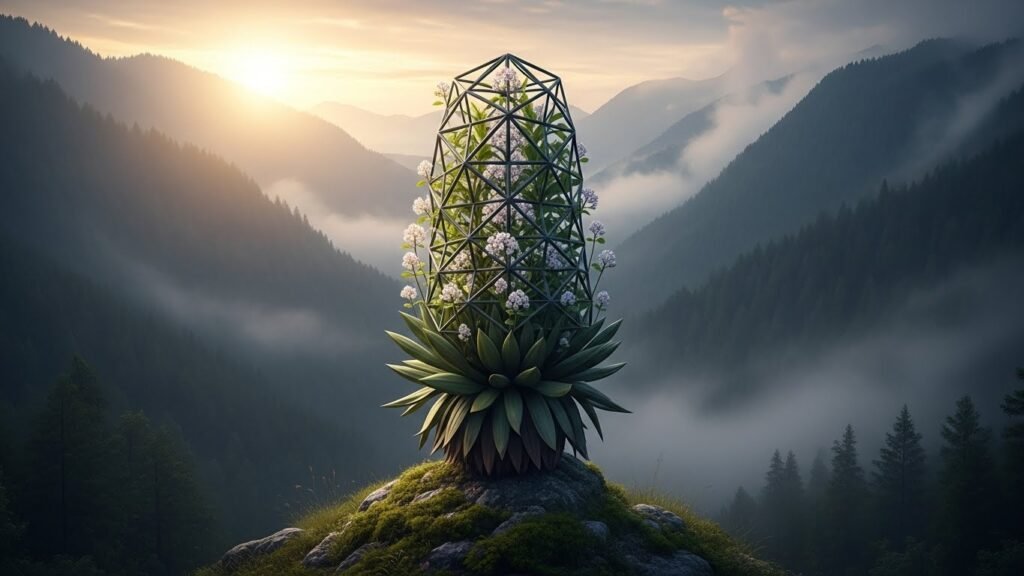
The helonia neue is not your average backyard weed. It is a total masterpiece of nature that looks like a pro architect designed it. This plant grows in ways that make engineers scratch their heads in wonder. It uses math and geometry to build its own body like a skyscraper. If you love plants that look like they are from another planet, you need to know about this one. It is truly the ultimate example of living architecture in the wild.
Introduction to Helonia Neue
The helonia neue stands out because it is super complex. Most plants just grow leaves wherever they find a bit of sun. This one follows a strict plan to create a structural masterpiece. It mixes biology with high-end math to stay strong and healthy. People call it nature’s living architecture because of its insane building skills. You won’t find another plant that takes its job this seriously.
This plant is basically a bridge between the living world and the world of machines. It shows us that nature knew about geometry way before humans did. The way it organizes its branches is nothing short of a miracle. Scientists are obsessed with it because it breaks the rules of normal botany. It is the coolest thing you will ever see in a forest.
Understanding the helonia neue helps us see how smart plants can be. They aren’t just sitting there; they are actively engineering their own lives. This plant is a lesson in how to be efficient and beautiful at the same time. It uses every bit of energy it has to build something lasting. Let’s dive deep into what makes this plant so special.
Historical Discovery and Etymology
The Drake Expedition
Back in the day, a researcher named Sarah Drake went deep into the mountains. She was the first one to really sit down and draw this plant’s weird shape. Her early sketches showed how the plant grew in perfect triangles and hexagons. People at home didn’t believe her at first because it looked too perfect. She proved that the helonia neue was a real living thing and not a myth.
Etymology of the Name
The name helonia neue has a pretty cool story behind it. The “neue” part was added because it was a brand new find in the plant world. Scientists added “geometrica” to its official name to highlight its math skills. It perfectly describes a plant that lives by the rules of shapes. It is a name that fits its futuristic and structured look.
Botanical Classification and Origin
Genetic Heritage and Family
The helonia neue is part of the Melanthiaceae family. This makes it a distant cousin to plants like trilliums and false hellebores. However, it has a special “architectural” gene that its cousins just don’t have. This gene tells the plant exactly where to put every new cell. It is like having a built-in GPS for growing branches.
Native Habitat and Environmental Context
You can find the helonia neue in the Carpathian Mountains. It loves the misty, cloudy forests where the air is always damp. It usually hangs out on mossy rocks or in thick, rich dirt. The high elevation is key because the cool air helps it stay dense. It needs that specific mountain vibe to reach its full structural potential.
The Architectural Blueprint: Structural Features

Architectonic Branches and Scaffolding
The plant uses something called architectonic branches to build itself. These are super strong stems that act like the steel beams in a house. They grow at set angles so they can hold up the rest of the plant. These junctions are placed perfectly to catch every bit of sunlight. It is a natural scaffolding system that keeps the plant from falling over.
Mathematical Growth Patterns
Nature uses the Golden Ratio to decide where the leaves go. This math trick helps the helonia neue pack in as many leaves as possible. It also creates natural fractals, which are shapes that repeat over and over. These patterns allow the plant to stay big without using too much energy. It is basically a living math equation that grows in the dirt.
Foliage Characteristics
The leaves on this plant are about 12 to 18 cm long. They are unique because they are actually a little bit see-through. This transparency lets light pass through to the leaves at the bottom. It is like having a glass roof on every level of a building. This helps the whole plant stay green and healthy from top to bottom.
Reproductive Geometry and Floral Biology
Methodical Flowering Phases
When it is time to bloom, the helonia neue doesn’t just pop flowers anywhere. It grows them at specific spots called nodes along its geometric frame. Each flower has a hexagonal shape with six identical petals. They are usually about 3 to 4 cm across. The flowers follow the same strict math rules as the rest of the plant.
Distinctive Luminescence

The coolest part about the flowers is that they actually glow. This happens mostly in the early evening as the sun goes down. Scientists think this glow helps nighttime bugs find the flowers easily. It makes the plant look like it has little lanterns hanging from it. It is a stunning sight that you won’t find in many other species.
Advanced Plant Physiology: The Engineering Under the Microscope
Cellular Turgor and Structural Support
The plant stays stiff and upright using water pressure inside its cells. This is called turgor pressure, and it acts like air in a tire. The “beams” of the plant get extra strong through a process called lignification. This makes the stems woody and tough so they can hold their angles. Without this internal pressure, the whole geometric tower would just flop over.
Photosynthetic Efficiency in Layered Tissues
Because the leaves are translucent, they act like a tiny greenhouse. They trap light and heat to keep the plant’s insides warm. The energy moves from the top layers down to the roots very quickly. This vertical energy transfer is what allows the plant to grow so tall. It is a highly efficient way to turn sunlight into food.
Environmental Engineering and Ecosystem Impact
Soil and Microhabitat Modification
The helonia neue is a bit of a control freak with its dirt. Its roots leak special chemicals that change the soil’s pH levels. This makes the ground perfect for its own growth but tough for weeds. It also helps the soil hold onto water better during dry spells. By changing the dirt, it creates a tiny home for itself and its friends.
Cooperative Canopy Structures
These plants are great team players in the wild forest. Groups of them will grow together to form a big, solid roof. This cooperative growth helps the whole group catch more light. It also creates a safe place for smaller plants, like moss, to live. They work together to make the forest a better place for everyone.
Comprehensive Cultivation Requirements
Primary Environmental Parameters

| Parameter | Ideal Range | Why It Matters |
| Humidity | 75-85% | Essential for the plant’s shape |
| Temperature | 12-18°C | Keeps the plant from getting stressed |
| Airflow | Gentle/Constant | Stops mold from growing in the damp |
| Light | Filtered Bright | Prevents leaves from getting sunburned |
Lighting and Soil Needs
You should never put a helonia neue in direct, hot sunlight. The see-through leaves will burn and turn brown very fast. It needs bright light that is softened by a curtain or a tree. For soil, use a mix of moss, perlite, and rich forest dirt. It needs to stay wet but should never be sitting in a puddle of water.
Space and Container Limitations
Growing this plant in a pot is a huge challenge for anyone. It expands in a 3D shape that quickly outgrows small containers. You will find yourself repotting it constantly just to keep up. It really needs a lot of room for its “geometric expansion” to happen. Most pros suggest using a large tub or a dedicated garden spot.
Propagation and Life Cycle Development
Seed Propagation Challenges
- Patience is key because it takes 3 to 4 years to see the full shape.
- Winter simulation is needed for the seeds to wake up and grow.
- Specific triggers in the environment tell the genes to start building.
- Luck plays a role because the seeds can be very picky about their home.
Stages of Structural Progression
- The Seedling Stage lasts about 6 to 12 months and focuses on the main stem.
- The Juvenile Stage takes 1 to 2 years to build the first big framework.
- The Maturing Stage is when the complex branch patterns finally show up.
- The Adult Stage starts after year 3 when the plant hits full complexity.
The Difficulty of Asexual Propagation
You can’t just cut a piece off and plant it like a pothos. The plant’s internal “pipes” are all connected in a very specific way. If you cut a branch, the whole geometric system gets messed up. The plant relies on its original connections to stay strong and healthy. Most of the time, cuttings will just wither away and die.
Nutritional Requirements and Growth Maintenance
Mineral and Nutrient Balance
Feeding a helonia neue is like balancing a scale. If you give it too much food at once, it will grow too fast and break. You should only use slow-release organic plant food. Fast-release chemicals will cause the “beams” to grow weak and wonky. It is better to go slow and steady for a strong structure.
Framework-Specific Nutrients
- Calcium is the most important mineral for building a strong frame.
- Phosphorus should be used in small amounts to keep branches stable.
- Nitrogen helps with leaf growth but shouldn’t be overused.
- Trace minerals keep the leaves clear and the flowers glowing bright.
Seasonal Care and Maintenance Handbook
Spring Emergence
In the spring, all the sleeping parts of the plant start to wake up. This is when you need to watch it closely and keep it damp. You can add a tiny bit of fertilizer to help the new branches grow. Make sure every new part is growing in the right direction. It is the most exciting time to be a helonia neue owner.
Summer Growth Peak
Summer is when the plant does its most serious construction work. Everything in its environment must stay exactly the same for months. If it gets too hot or dry, the plant might grow crooked forever. Consistency is the secret to a beautiful, straight plant architecture. Just keep it cool and misty all summer long.
Autumn and Winter Dormancy
As things cool down, the plant will stop building new parts. It goes into a resting phase where it just holds onto what it made. You don’t need to feed it during this time at all. Just make sure the air stays humid so it doesn’t dry out. It is preparing its energy for the big spring push next year.
Pest Management and Structural Protection
Identifying Threats in Complex Geometries

Scale insects are the biggest villains for this amazing plant. They love to hide in the tight corners where the branches meet. You have to check deep inside the “scaffolding” to find them. If you see weird rot, it might be from too much water and not enough air. Always keep a close eye on those hidden branch junctions.
Physical Vulnerability
Even though it looks like a sturdy tower, it is actually quite fragile. One accidental bump can snap a major structural beam. Once a part breaks, the plant usually can’t grow it back correctly. You should place it in a spot where people or pets won’t hit it. Treat it like a piece of fine glass or a delicate statue.
Weekly Watering and Misting Schedule for Helonia Neue
The goal of this schedule is to copy the misty mountain air of the Carpathian Mountains. You should check your plant every morning to make sure it is happy.
Daily Misting Routine
- Morning Mist: Give the plant a heavy misting every single morning to simulate mountain fog.
- Mid-Day Check: If the air feels dry, mist the “architectonic branches” again to keep them hydrated.
- Evening Glow Check: Mist the flowers lightly in the evening to help them show off their luminescence.
- Water Quality: Always use distilled water or rainwater to avoid mineral buildup on the see-through leaves.
Weekly Soil Watering Plan
- Monday: Check the soil with your finger; if the top feels dry, add enough water to make it damp but not soggy.
- Wednesday: Pour a small amount of water directly near the roots to maintain consistent moisture.
- Friday: Check the drainage tray to ensure the plant is not sitting in a puddle of water.
- Sunday: Skip watering if the soil still feels very wet to avoid “Geometric Rot”.
Seasonal Adjustments for Watering
Summer Maintenance
- Extra Misting: During hot summer days, you might need to mist the plant three times a day.
- Evaporation Check: Soil dries out faster in the summer, so check the dirt every day instead of every other day.
- Consistency: Keep the environment stable because summer stress causes permanent structural damage.
Winter Rest Phase
- Reduce Watering: The plant grows slower in winter, so you can water the soil once a week instead of twice.
- Maintain Humidity: Even though you water the soil less, you must keep the humidity between 75-85%.
- Cold Water Warning: Avoid using ice-cold water; let the water sit until it reaches room temperature first.
Expert Tips for Hydration Success
- Watch the Leaves: If the translucent leaves look cloudy or limp, the plant needs more humidity immediately.
- Gentle Airflow: Keep a small fan nearby to move the moist air so mold doesn’t grow in the branch corners.
- Avoid the Core: Try not to let large drops of water sit in the very center of the plant for too long.
- No Dry Spells: Never let the soil dry out completely, as this can snap the geometric “beams” of the plant.
Landscape Applications and Design Integration
The Specimen Focal Point
The helonia neue is a total showstopper in any shady garden. Its 3D shape adds a ton of drama that other plants just can’t match. It looks different every time the sun moves across the sky. It is the perfect centerpiece for a high-end, modern landscape. Visitors will definitely stop and ask if it is even real.
Companion Planting
- Ferns look great next to it because they love the same shade.
- Mosses create a soft green carpet around its base.
- Hostas provide big leaves that contrast with the plant’s thin beams.
- Avoid tall plants that might block the light it needs to grow.
Scientific Research and Biomimetic Uses
Biomimicry in Architecture and Engineering

Architects are looking at this plant to build better houses. They want to copy the way it uses triangles to stay strong with less material. It could help us design buildings that are more sustainable and green. The plant is basically a blueprint for the future of construction. We are learning how to be better builders just by watching it grow.
Genetic and Biochemical Mapping
Scientists are trying to map the exact genes that control the shapes. If we understand this, we might be able to grow other things in specific patterns. It could lead to new types of organic materials for 3D printing. The helonia neue is like a locked treasure chest of data. Every year, we find a new secret hidden in its cells.
Habitat Protection and Conservation Status
Threats to Wild Populations
Climate change is making the Carpathian forests hotter and drier. This is bad news for a plant that needs constant mist to survive. People taking the plants from the wild is also a huge problem. Without their specific home, these plants struggle to live. We need to be careful or this living architecture might vanish.
Conservation Strategies
Groups are working hard to protect the forests where the plant lives. Botanical gardens are also trying to grow them to keep the species safe. It is a slow process because the plant grows so slowly itself. By supporting these groups, we can ensure the helonia neue stays around. It is a piece of history that we cannot afford to lose.
Conclusion
The helonia neue is one of the toughest plants to grow on the planet. It takes a lot of skill, special tools, and tons of patience to successfully cultivate this species. You have to perfectly copy a mountain forest environment in your own home to keep it healthy. It is a massive challenge, but the reward is a living piece of art that bridges the gap between nature and engineering.
By understanding its strict mathematical growth and unique environmental needs, we can better appreciate this botanical masterpiece. If you are an expert gardener, this is the ultimate trophy for your collection, representing the incredible intelligence of the plant world. Protecting this species both at home and in the wild ensures that its “living architecture” will continue to inspire us for years to come.
Frequently Asked Questions
What is the typical lifespan of a helonia neue?
While individual structural branches may age, a healthy plant in its native Carpathian environment can live for several decades. As long as the root system remains undisturbed and the soil pH is managed through its own chemical excretions, the plant continues to expand its geometric framework indefinitely.
Does the plant produce any scent during its evening glow?
Yes, the glowing flowers produce a subtle, ozone-like fragrance that becomes more noticeable as the luminescence peaks in the early evening. This scent is designed to work alongside the light to attract specific nocturnal pollinators found in high-altitude forests.
How do you clean the translucent leaves without damaging them?
Because the leaves are see-through and fragile, you should never wipe them with a cloth. Instead, use a fine mist of distilled water to wash away dust, as mineral buildup from tap water can cloud the foliage and reduce photosynthetic efficiency.
Can this plant survive in a terrarium?
A large-scale, climate-controlled terrarium is actually one of the best ways to grow it indoors. However, it must be a very large enclosure to accommodate the 3D “geometric expansion” and provide the gentle, constant airflow required to prevent mold.
Is the helonia neue toxic to pets or humans?
The chemical compounds the roots leak into the soil to control pH are generally not harmful to humans, but the plant’s structural tissues contain high levels of calcium and lignified fibers that make it indigestible. It is best kept away from pets to avoid both ingestion and physical damage to the plant’s beams.
What should I do if the plant starts to grow crooked?
Crooked growth is usually a sign of summer heat stress or uneven light. You must immediately stabilize the temperature between 12-18°C and ensure it is receiving filtered, bright light from all sides to encourage the architectonic branches to correct their angles.
Does the plant go through a true winter dormancy?
Yes, as temperatures drop, the plant enters a resting phase where it stops all new construction. During this time, it holds onto its existing structure and requires significantly less soil watering, though humidity must remain high.
Why is distilled water specifically recommended?
The translucent leaves act like a greenhouse, and minerals found in tap water can create a “film” on the leaf surface. This film blocks the vertical energy transfer that allows light to reach the lower levels of the plant.
How does the plant handle high-altitude air pressure?
In its native Carpathian habitat, the plant is adapted to lower air pressure, which it compensates for using internal turgor pressure. This internal water pressure acts like air in a tire, keeping the geometric tower upright and stiff.
Are the flowers edible?
No, the flowers are highly specialized reproductive organs following strict mathematical rules. Their value is entirely aesthetic and biological; consuming them would disrupt the plant’s methodical flowering phase and potential for seed propagation.
Can the plant be grown from a leaf cutting?
Unlike a pothos, a single leaf cannot regenerate the complex architectural system. The plant’s internal “pipes” are uniquely connected, and a leaf lacks the “architectural gene” instructions required to build a new scaffolding system from scratch.
What are the signs of “Geometric Rot”?
Geometric Rot appears as dark, soft spots at the branch junctions or the core. It is usually caused by large water drops sitting in the center of the plant for too long or a lack of gentle airflow in high-humidity environments.
How much light is “too much” for the helonia neue?
Direct, hot sunlight is the limit; if the leaves turn brown or look burned, the plant is getting too much heat. It requires “filtered” light, which mimics the dappled sunlight of a cloud forest canopy.
Does the plant move its leaves toward the sun?
The leaves are mostly fixed in their geometric spiral governed by the Golden Ratio to ensure maximum surface area. However, the translucency of the foliage means the plant does not need to move as much as other species to capture energy.
Is there a specific type of pot recommended for juveniles?
While it quickly outgrows small pots, a heavy ceramic or stone basin is recommended to provide a sturdy base for the plant’s top-heavy geometric framework.
How do I know if the “Architectural Gene” is active?
You will see the first big framework develop during the Juvenile Stage (years 1-2). If the plant is producing straight, architectonic branches at set angles rather than random leaves, the gene is working correctly.
Why does the plant leak chemicals into the soil?
This is a form of environmental engineering; by altering the soil pH, the plant makes the ground perfect for its own roots while preventing competing weeds from stealing its nutrients.
What is the role of phosphorus in its growth?
Phosphorus is used in small amounts to keep the branches stable. Too much phosphorus can lead to excessive branching, which might overload the main stem and cause the scaffolding to collapse.
Can I use a regular fan for airflow?
A small, oscillating fan is best, but it must be kept at a distance to provide only a “gentle” breeze. Strong winds can snap the fragile structural beams or dry out the leaves too quickly.
Why is Sarah Drake’s research still important?
Sarah Drake was the first to document the perfect triangles and hexagons in the plant’s growth. Her work proved the plant was a real living thing, and her sketches remain the primary reference for understanding its original growth patterns.