Skip to content
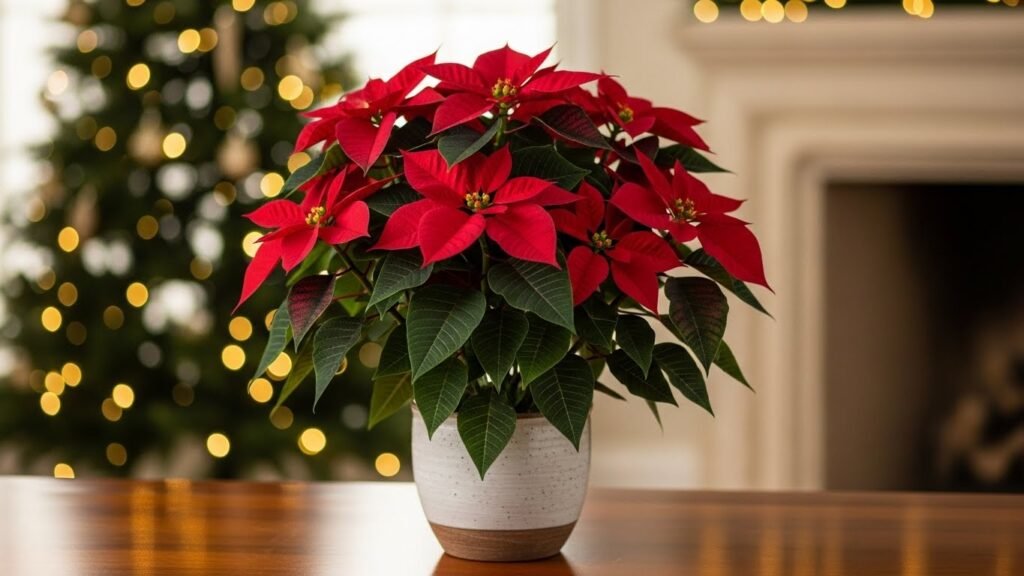
Poinsettias are the true stars of the holiday season. These vibrant plants fill our homes with festive cheer. Most people think they are just temporary decorations. However, you can keep them alive for a long time. Knowing how to take care of a poinsettia is the key. These plants have a fascinating history and unique needs. This guide will teach you everything about their world. You will learn to keep them healthy all year. Let’s dive into the secrets of these beautiful holiday shrubs.
Introduction to the Christmas Poinsettia
Poinsettias are the top-selling potted plants in the United States. They reach their peak popularity during a very short window. This usually happens in the six weeks leading up to Christmas. Millions of families buy them to brighten their homes. They are a timeless favorite for both houses and offices. Their bright colors capture the festive spirit perfectly. Many people find their massive market impact quite surprising. These plants are much more than just a quick gift. They are a staple of American holiday tradition.
History and Cultural Significance of Poinsettias
Poinsettias come from the tropical climates of Mexico. In their home, they grow as large woody shrubs. They naturally bloom during the winter months there. This timing made them perfect for early religious festivals.
The Legend of the Poinsettia
There is a beautiful Mexican tale about this plant. A poor girl wanted to give a gift to Jesus. She had no money for fancy flowers. An angel told her to gather weeds from the road. When she placed them on the altar, they changed. They turned into the vibrant red flowers we love today.
Joel Roberts Poinsett and Modern Popularity
Joel Roberts Poinsett was the first U.S. Ambassador to Mexico. He sent these plants home to South Carolina in the 1820s. He shared them with botanical gardens across the country. Eventually, people began calling the plant by his last name. In the 1960s, hybridizers made the plants much stronger. This allowed them to last longer in our heated homes. Today, over 65 million plants are sold every year.
Understanding Poinsettia Anatomy and Biology
Most people think the red parts are petals. That is actually not the case at all. Understanding the biology helps you provide better care.
Bracts vs. Flowers

- The Bracts are actually modified leaves that change color.
- The Cyathia are the tiny yellow clusters in the center.
- True Flowers are these small yellow buds, not the red leaves.
The Euphorbia Family and Sap
Poinsettias belong to the Euphorbia plant family. They contain a milky white substance called latex sap. This sap helps the plant protect itself in the wild. It can be sticky if you break a stem.
Essential First Steps: Purchasing and Transport
Your journey starts at the garden center or store. You must pick a healthy plant from the start. Poor choices at the store lead to early death.
Selecting a Winner
- Check the Pollen to see if it is still fresh.
- Avoid Pollen Drop because that means the plant is old.
- Look for Density by checking if leaves cover the stems.
- Inspect the Bottom to ensure no leaves are falling off.
Protecting from the Cold and Unpacking
Poinsettias hate the cold more than almost anything. Even a short trip to the car can hurt them. You should always wrap them before leaving the store. Do not leave them in a cold car while shopping. Bring them inside as soon as you get home. Remove the plastic or paper sleeves within 24 hours. Sleeves can trap gas and cause the leaves to turn yellow.
Optimal Environmental Conditions for Success
Learning how to take care of a poinsettia requires the right spot. These plants are picky about their immediate surroundings. A good location ensures the colors stay bright.
Light Requirements
Poinsettias need at least six hours of light daily. This light should be bright but also indirect. Too much direct sun can scorch the delicate bracts. Too little light makes the stems weak and leggy. Place them near a window facing south or east.
Temperature and Humidity
- The Sweet Spot for temperature is between 65 and 75 degrees.
- Night Temps should be slightly cooler, around 60 degrees.
- Drafty Areas near doors or windows should be avoided.
- Heat Vents can dry out the plant much too quickly.
- Humidity Trays with pebbles and water help keep air moist.
Comprehensive Watering and Drainage Strategies
Proper watering is the most important care task. Most people kill their plants by giving too much. Others forget to water until the plant wilts.
The Finger Test
You should check the soil moisture every single day. Push your finger an inch into the dirt. If it feels dry, it is time to water. If it feels wet, wait another day or two. Never let the plant sit in a puddle of water.
Managing Drainage and Foil Wraps

Most holiday plants come in colorful foil wraps. These wraps often trap water inside the pot. This leads to root rot, which kills the plant. You must punch holes in the bottom of the foil. This allows the excess water to drain out freely. Use a saucer to catch the water and empty it. Use tepid or room temperature water for the best results.
Nutrition, Soil, and Repotting
During the holidays, you do not need to fertilize. The plant is mostly resting during its bloom time. You only need food when it starts growing again.
- Spring Feeding starts when you see new green leaves.
- Balanced Fertilizer works best for these tropical shrubs.
- Potting Mix should be peat-based and drain very well.
- Repotting usually happens in late spring or early summer.
Troubleshooting and Pest Control
Even expert gardeners face problems with their plants. Catching issues early can save your beautiful poinsettia.
Leaf Drop and Yellowing
Yellow leaves usually mean you are watering too much. If the leaves fall off while green, it is shock. This shock often comes from a sudden cold draft. It can also happen if the plant gets too dry. Keep the environment stable to prevent these issues.
Common Pests and Pathogens

- Whiteflies are the most common pest for these plants.
- Fungus Gnats thrive in soil that stays too wet.
- Mealybugs look like tiny bits of white cotton on stems.
- Neem Oil is a great organic way to kill pests.
- Insecticidal Soap also works well for indoor plant safety.
Creative Uses and Design Inspiration
Poinsettias are versatile and go beyond simple pots. You can use them in many festive ways.
Poinsettias in Floral Design
You can actually use poinsettias as cut flowers. They look amazing in vases or holiday wreaths. You must seal the stems to keep them fresh. Dip the cut ends into boiling water for one minute. You can also singe the ends with a flame. This stops the sticky sap from leaking out.
Home Decor Integration

- Modern Varieties include white, pink, and marbled colors.
- Jingle Bell varieties have fun speckles on the bracts.
- Plant Pairs with ferns or ivy look very elegant.
The Seasonal Transition: Post-Holiday Care
Most people throw their plants away in January. You can actually keep them for next year. This requires following a specific seasonal schedule.
The Resting and Pruning Phases

In late winter, the bracts will start to fade. This is the sign for the resting period. Reduce your watering and move it to a cooler spot. In late March, prune the stems back significantly. Leave only about four to six inches of stem. This encourages the plant to grow back bushy.
Summering Outdoors
Poinsettias love to go outside during the summer. Wait until the night temperatures stay above 50 degrees. Place them in a spot with filtered morning sun. Avoid the harsh afternoon sun which can burn them. Pinch the new stems back throughout the summer. This prevents the plant from getting too tall.
The Science of Reblooming: Short-Day Treatment
To get red leaves again, you must trick the plant. This process is known as short-day treatment. It relies on the length of the night.
The 15-Hour Darkness Rule

Starting in late September, the plant needs long nights. It must have 15 hours of total darkness every day. Put it in a dark closet or under a box. Even a tiny bit of light can ruin the process. Give it bright light for the other 9 hours. Do this for about eight to ten weeks. Once you see the color change, you can stop.
Propagation: Growing Your Own Poinsettias
You can grow new plants from your current one. This is a fun project for experienced gardeners.
- Stem Cuttings should be taken in the early summer.
- Rooting Hormone helps the new stems grow roots faster.
- Humidity Tents keep the cuttings from drying out early.
Debunking Myths and Safety Concerns
There are many rumors about poinsettia safety. It is important to know the actual facts.
The Toxicity Myth
Poinsettias are not the deadly poison people claim. A child would have to eat hundreds of leaves to get sick. However, they can still cause an upset stomach. Keep them away from pets who like to chew plants. The sap might cause a red rash on sensitive skin. Wearing gloves while pruning is a very smart idea.
Conclusion: Mastering the Art of Poinsettias
Knowing how to take care of a poinsettia is a rewarding skill. You turn a simple holiday gift into a long-term pet. These plants are tough if you meet their basic needs. Remember to watch the water and avoid the cold. With patience, you can see your plant bloom again. Enjoy the vibrant colors of your healthy holiday shrub!
Frequently Asked Questions About Poinsettia Care
Below are additional common questions and expert insights to help you master the care of these festive plants.
What is the ideal soil pH for a Poinsettia?
Poinsettias thrive best in slightly acidic soil. A pH range between 5.8 and 6.2 is considered the “sweet spot” for nutrient absorption. If the soil becomes too alkaline, the plant may struggle to take up iron, leading to yellowing between the leaf veins.
Can I grow a Poinsettia from seeds?
While possible, it is extremely difficult and rare for home gardeners. Commercial poinsettias are hybrids, meaning seeds gathered from them likely won’t grow into a plant that looks like the parent. Propagation via stem cuttings is the standard and more successful method.
How do I know if my Poinsettia is getting too much light?
If the leaves begin to look bleached, faded, or develop brown, crispy patches, the plant is likely receiving too much direct, intense sunlight. This often happens if the plant is placed too close to a window pane during a heatwave or in a high-altitude area.
Does the color of the bract affect the plant’s care?
Generally, no. Whether your poinsettia is red, white, pink, or marbled, the care requirements remain the same. However, some specialty “Rose” varieties with puckered leaves may be slightly more sensitive to low humidity than traditional flat-leaf varieties.
Can Poinsettias be grown in hanging baskets?
Yes, they can be grown in hanging baskets, but they require much more frequent watering. Because hanging baskets are exposed to more air circulation, the soil dries out significantly faster than in traditional floor or tabletop pots.
Why is my Poinsettia sap turning brown?
Healthy poinsettia sap should be milky white. If you cut a stem and see brown or discolored fluid, the plant may be suffering from a fungal infection or stem rot. You should prune the affected area immediately with sterilized shears.
Can I use coffee grounds to fertilize my Poinsettia?
It is not recommended. While coffee grounds are acidic, they can hold too much moisture at the surface and encourage mold growth. It is much safer to use a balanced, water-soluble fertilizer specifically formulated for houseplants.
Is it safe to put Poinsettias near ripening fruit?
Actually, no. Ripening fruits like apples and bananas release ethylene gas. Poinsettias are highly sensitive to this gas, which can cause the bracts to wilt prematurely and the leaves to drop. Keep your holiday display away from the fruit bowl.
How large can a Poinsettia grow if left unpruned?
In their native Mexican habitat, poinsettias can reach heights of 10 to 15 feet, looking more like a small tree than a bush. Indoors, without pruning, they will likely become tall, spindly, and unstable after a few years.
What causes “pitting” on the leaves?
Small pits or spots on the leaves can be caused by cold water droplets sitting on the foliage or by certain sucking insects. Always water at the base of the plant and avoid getting the leaves wet, especially in cool environments.
Can I use artificial light for the short-day treatment?
No, the short-day treatment requires total, pitch-black darkness. Even a small amount of artificial light from a streetlamp or a hallway can reset the plant’s internal clock and prevent it from changing color.
Why are the leaves on my Poinsettia curling downward?
Downward curling leaves are usually a sign of environmental stress, such as a sudden drop in temperature or exposure to chemical fumes (like fresh paint or cleaning supplies). It can also indicate that the air is far too dry.
Is it possible to “over-prune” a Poinsettia?
While they are resilient, you should never remove more than one-third of the green growth at one time during the summer. Removing too much foliage can starve the plant of the energy it needs to recover and grow.
Do Poinsettias attract pollinators?
In the wild, they are primarily pollinated by birds and insects attracted to the nectar in the cyathia (the yellow centers). Indoors, they rarely attract pollinators unless you have an open-window environment during the summer.
Can I grow Poinsettias in a hydro-culture or water-only system?
Poinsettias are highly susceptible to root rot and generally do not perform well in hydroponic systems. they require the wet-to-dry cycle that soil provides to keep their roots healthy and oxygenated.
What should I do if the stems become “woody”?
As the plant ages, the base stems will naturally become woody and brown. This is normal. You can encourage fresh green growth by pruning the plant back in the spring, which stimulates new shoots from the woody base.
Can Poinsettias survive a light frost?
No. Poinsettias are tropical plants and will suffer permanent tissue damage if temperatures drop below 45°F. A light frost will usually kill the plant entirely or cause all the leaves to drop instantly.
Why are my Poinsettia’s “flowers” falling off?
If the small yellow centers (the true flowers) fall out, it is a sign that the plant is reaching the end of its blooming cycle. To keep the bracts looking good for as long as possible, buy plants where these yellow centers are still tight and unopened buds.
Can I use leaf shine products on Poinsettias?
It is best to avoid them. The leaves and bracts of poinsettias are quite sensitive, and the chemicals in commercial leaf shine products can cause spotting or chemical burns on the modified leaves. Use a damp cloth to gently dust them instead.
What is the best way to travel long distances with a Poinsettia?
If you are moving or traveling with the plant, place it in a sturdy cardboard box and surround it with crumpled newspaper for insulation. Keep the box in the passenger cabin of the car rather than the trunk to ensure a stable temperature.