Skip to content
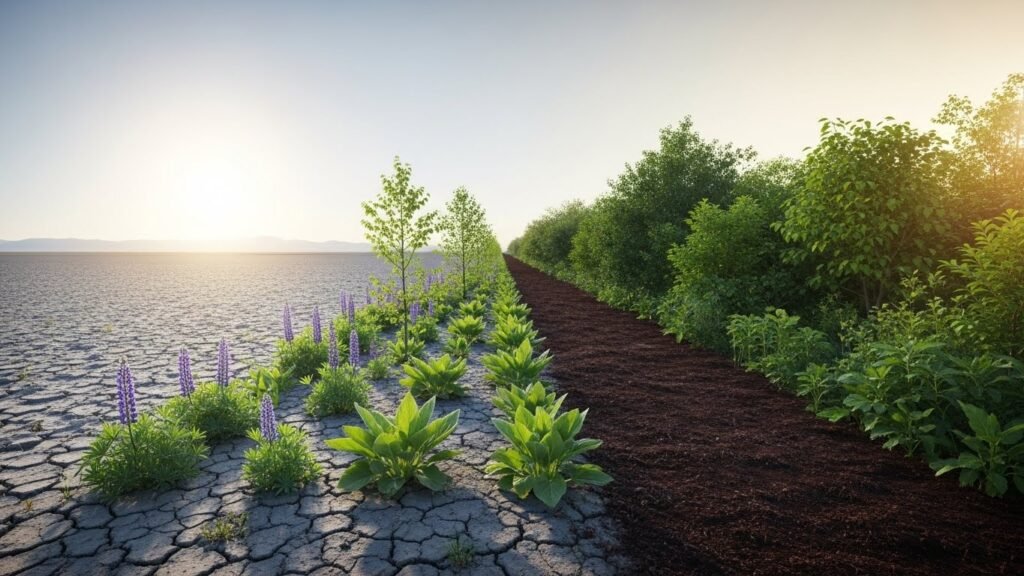
Are you looking at a patch of dirt and wondering how to fix it? Maybe you’ve heard about rewilding and want to know what is pioneer plants. These plants are like the first responders of the forest world. They jump into the worst spots to save the day. They turn dry, dead dirt into a thriving green home for everything else.
Whether you want a food forest or just a healthy lawn, these plants are your best friends. They work hard so you don’t have to spend a fortune on fertilizer. Let’s dive into why these green heroes are the secret to a healthy planet.
Understanding What Is Pioneer Plants and Ecological Succession
A pioneer plant is a species that is very good at moving into empty land. They are the very first life forms to show up on bare soil or rocks. Think of them as the brave explorers of the plant kingdom. They don’t need much to survive and they grow where others give up.
Ecological succession is just a fancy way of saying nature grows in stages. It starts with weeds and grasses that build the foundation. Over many years, a simple field can turn into a massive, shady forest. Understanding what is pioneer plants helps you speed up this natural clock.
We use these plants today to help fix land hurt by human activity. They are key tools for reclaiming land damaged by the climate crisis. By planting them, we create a nursery effect for more sensitive trees. This helps people and wildlife thrive in places that used to be empty.
The Difference Between Primary and Secondary Succession
Succession happens in two main ways depending on the starting point. Primary succession is the hardest because it starts on bare rock. There is no soil yet, so the pioneers have to make it from scratch. This takes a very long time in the wild.
Secondary succession happens after a big mess, like a fire or a flood. The soil is still there, but the plants are gone. Pioneer plants jump in here much faster to cover the ground. Knowing what is pioneer plants helps you pick the right ones for your specific site.
Core Characteristics of Pioneer Plants
Pioneer plants are tougher than your average garden rose. They are built to handle the heat, wind, and bad soil of disturbed areas. Most of them are native plants that have adapted to local weather for ages. Here are some things that make them so special:
- Insane Resilience: They can live in places with almost no water or shade.
- Fast Growth: They grow super fast to produce a lot of biomass quickly.
- Low Maintenance: They don’t need fancy plant food to stay green and strong.
- Massive Seed Production: They make tons of seeds to spread across the land.
These plants are often called weeds by people who don’t know better. But in natural farming, they are specialized tools for land restoration. They are the architects of the future forest.
Mechanisms of Soil Building and Environmental Improvement
The coolest part about what is pioneer plants is how they fix the earth. They don’t just sit there; they actively change the soil chemistry. They are like tiny green factories working underground.
Nutrient Mining and Dynamic Accumulation
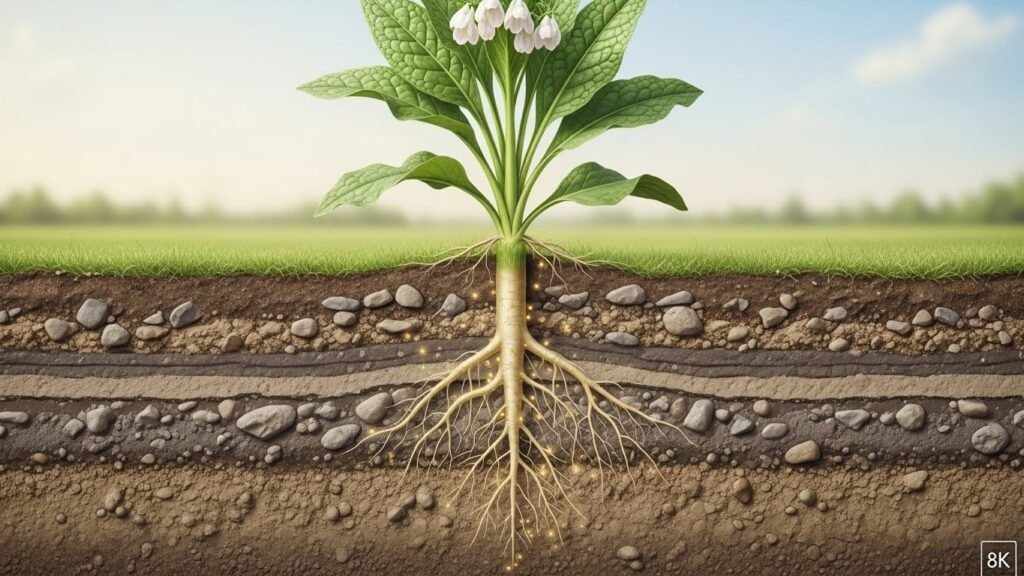
Some pioneers have roots that go very deep into the earth. These are called deep-rooted plants or dynamic nutrient accumulators. They pull up minerals that are buried way down where other plants can’t reach. When their leaves fall and rot, those minerals stay on top for other plants.
- Deep Taproots: Plants like comfrey reach deep into the subsoil for minerals.
- Mineral Storage: They store things like calcium, phosphorus, and potassium in their leaves.
- Soil Fertilization: They deposit these nutrients right where the next generation needs them.
Nitrogen Fixation and Root Nodules

Many pioneer species are known as nitrogen fixers. Nitrogen is like rocket fuel for plants, but most can’t get it from the air. These pioneers have a special deal with bacteria in their root nodules. They take atmospheric nitrogen and turn it into food for the soil.
- Symbiotic Relationships: They work with bacteria to create natural fertilizer.
- Soil Fertility: They make the ground rich enough for food crops to grow.
- Better Ecosystems: This process allows a wider range of life to move in.
Organic Matter Generation
Pioneers are masters of making biomass. Biomass is just all the leaves, stems, and roots the plant grows. When this stuff dies and breaks down, it becomes organic matter. This is the “black gold” that makes soil healthy.
- Chop and Drop: You can cut these plants down to use as instant mulch.
- Carbon Sequestration: They pull carbon out of the air and store it in the ground.
- Feeding Life: Organic matter feeds the worms and fungi that live in the dirt.
Ecosystem Services and Landscape Restoration
Beyond just fixing dirt, pioneer plants provide big-picture services. They help fix the whole water cycle and local weather. This makes them vital for fighting climate change.
Watershed Restoration and Water Retention
When land is bare, the water just runs off or dries up. Pioneer species are drought-tolerant and keep the ground covered. This helps the land soak up rain like a sponge. On a big scale, this can even help bring back regular rainfall to dry areas.
Soil Stabilization and Erosion Control
Soil erosion is a huge problem on hills or windy plains. The roots of pioneer plants act like a net to hold the dirt in place. This stops runoff and keeps the topsoil from washing away. It’s a natural way to protect the land without building walls.
Microclimate Mediation and Shade

In a hot, sunny field, most baby trees would just fry. Pioneer trees and shrubs grow fast to provide shade. This lowers the temperature on the ground and keeps it humid. They also act as a windbreak to protect smaller plants from harsh gusts.
- Temperature Reduction: Shade keeps the soil cool and saves water.
- Wind Mediation: They block the wind to create a calm space for life.
- Humidity Control: Their leaves release moisture into the air.
Advanced Strategies: Pioneer Plants in Phytoremediation
Did you know some plants can clean up toxic waste? This is called phytoremediation. Some pioneers are so tough they can live in contaminated soil. They pull heavy metals or poisons out of the ground through their roots.
These “hyperaccumulators” help clean the earth for the next generation. They can also help fix land that has too much salt from over-irrigation. Using what is pioneer plants in these spots is a cheap way to heal the planet.
Selecting the Right Pioneer Species for Your Site
You can’t just throw any seeds and hope for the best. You need to pick the right plants for your specific location. A native plant from your area is usually the best choice.
Principles of Selection
The most important rule is “right plant, right place.” You have to look at your soil, sun, and rain levels first. Look for plants that do more than one job. Some might build soil while also giving you edible greens or medicine.
| Plant Type | Common Benefit | Example Species |
| Herbaceous | Nutrient Mining | Comfrey, Yarrow |
| Shrub/Tree | Nitrogen Fixation | Siberian Pea Shrub |
| Ground Cover | Living Mulch | White Clover |
Herbaceous Pioneer Examples
These are the soft-stemmed plants that grow and die back each year. They are often the fastest way to start seeing a change in your soil.
- Yarrow: It accumulates phosphorus and potassium while attracting good bugs.
- Chicory: Its deep roots break up hard soil and pull up calcium.
- Stinging Nettle: It is packed with iron and magnesium for the soil.
- Comfrey: The king of dynamic accumulators with massive leaves for mulch.
Shrubs and Trees as Pioneers
These provide the structure and long-term shade for your system. Many of these are nitrogen fixers that grow in very poor dirt.
- Siberian Pea Shrub: A super hardy plant that fixes nitrogen and feeds wildlife.
- False Indigo: A big shrub that loves disturbed areas and helps pollinators.
- Mulberry Tree: It grows lightning-fast and makes amazing berries and leaves.
- Birch and Willow: These love wet spots and help dry out soggy land.
Ground Covers and Vines
These protect the surface of the soil from the sun and rain. They act as a “living mulch” to keep weeds away.
- White Clover: It fixes nitrogen while staying low to the ground.
- Woodland Strawberry: It covers bare spots and gives you tasty fruit.
- Tufted Vetch: A vine that adds nitrogen and looks beautiful.
Comprehensive List of Pioneer Plants
| Plant Name | Plant Type | Primary Function / Benefit |
| Yarrow | Herbaceous Perennial | Accumulates Phosphorus and Potassium; medicinal use; pollinator attractor. |
| Chives | Herbaceous Perennial | Accumulates Potassium and Calcium; edible; generalist nectary. |
| Chicory | Herbaceous Perennial | Deep taproot mines Calcium and Potassium; edible greens and tea. |
| Stinging Nettle | Herbaceous Perennial | High in Iron, Magnesium, Sulfur, and Calcium; excellent biomass for soil. |
| Comfrey | Herbaceous Perennial | Massive dynamic accumulator; deep taproot; “chop and drop” mulch hero. |
| Dandelion | Herbaceous Perennial | Breaks up compacted soil; dynamic accumulator; early pollinator food. |
| Mallow | Herbaceous Perennial | Ground cover; thrives in disturbed and nutrient-poor landscapes. |
| White Clover | Ground Cover | Nitrogen fixation; living mulch; phosphorus accumulator; pollinator attractor. |
| Woodland Strawberry | Ground Cover | Protects disturbed soil; provides wildlife food; edible berries. |
| Siberian Pea Shrub | Shrub / Small Tree | Hardy nitrogen fixer; provides wildlife food and invertebrate shelter. |
| False Indigo | Shrub | Nitrogen fixation; provides shelter for beneficial insects; very resilient. |
| Mulberry Tree | Tree | Fast-growing; high-quality leaf litter for soil building; shade; edible fruit. |
| Alder | Tree | Nitrogen fixation (via Frankia bacteria); thrives in wet or acidic soils. |
| Birch | Tree | Fast-growing temperate pioneer; stabilizes soil in cool climates. |
| Willow | Tree / Shrub | Rapid growth; excels in wet areas; stabilizes banks and prevents erosion. |
| Tagasaste (Lucerne Tree) | Tree / Shrub | Premier nitrogen fixer for Mediterranean climates; high-quality animal fodder. |
| Tufted Vetch | Vine | Nitrogen fixation; produces edible greens and seeds; vertical soil building. |
| Lichen | Non-Vascular | Primary colonizer of bare rock; initiates soil formation via chemical weathering. |
| Mosses | Non-Vascular | Retains moisture on bare surfaces; creates initial organic layer for seeds. |
| Daikon Radish | Herbaceous (Annual) | “Biological jackhammer” for breaking up heavily compacted soil. |
Summary of Plant Functions
- Nitrogen Fixers: These plants (like Clovers, Vetch, and Pea Shrubs) are essential for taking nitrogen from the air and depositing it into the soil, acting as a natural fertilizer for the rest of the garden.
- Dynamic Accumulators: Plants such as Comfrey, Yarrow, and Chicory have deep root systems that act like “nutrient pumps,” bringing minerals from the deep subsoil up to the surface.
- Ground Protectors: Low-growing species like Woodland Strawberry and White Clover protect the soil from the drying effects of the sun and the erosive power of rain.
- Structural Pioneers: Fast-growing trees like Mulberry and Birch provide the necessary shade and wind protection to allow more sensitive fruit and nut trees to get established.
Implementing Pioneer Species in Garden Design and Permaculture
In a permaculture garden, we don’t fight these plants; we use them. We design the garden to change over time through succession. You start with a lot of pioneers to fix the land first.
Designing for Succession
You should plan your “support-to-crop ratio.” This means planting a few “support” pioneers for every fruit tree you want. Over time, the pioneers will get shaded out by the bigger trees. This is a natural transition that builds a self-reliant system.
Management and Maintenance
You have to manage these plants so they don’t take over. The “chop and drop” method is the best way to do this. You prune the pioneers and leave the branches on the ground. This keeps them small while feeding the soil.

The Chop and Drop Method: Nature’s Instant Fertilizer
The “chop and drop” method is a simple but powerful gardening technique used to build soil health quickly. Instead of taking garden waste to a compost bin or throwing it away, you cut the plant material and drop it right where it grows. This mimics the natural way a forest floor creates rich, dark soil.
How the Chop and Drop Process Works
This method turns your pioneer plants into a living mulch factory. When you prune a fast-growing plant and leave the branches on the ground, several beneficial things happen at once:
- Instant Mulch Layer: The dropped leaves and stems cover the bare earth. This protects the soil from the drying sun and prevents weeds from growing.
- Nutrient Cycling: As the “dropped” material rots, it releases the minerals the plant worked hard to collect. Nitrogen, potassium, and phosphorus go right back into the top layer of soil where other plants can reach them.
- Feeding the Underground Workers: Earthworms, fungi, and beneficial bacteria thrive under this layer of organic matter. They break down the plant material and turn it into humus, which is the gold standard for soil fertility.
- Root Die-back: When you cut the top of a plant, some of its roots underground die back as well. These rotting roots create tiny tunnels for air and water to travel deep into the soil.
When and How to Chop and Drop
Timing and technique are important to make sure your pioneer plants stay healthy while feeding the soil.
- Before Seeding: The best time to chop is right before the plant starts to make seeds. This keeps the plant in a “growth phase” and prevents it from spreading too many seeds in places you don’t want them.
- The Right Tools: For soft plants like comfrey or clover, simple garden shears or a scythe work best. For woodier pioneer shrubs, you may need loppers.
- Placement: Drop the material directly around the base of your “target” plants, like fruit trees or vegetables. Make sure the mulch doesn’t touch the actual trunk or stem of the tree to prevent rot.
- Size Matters: Cutting the material into smaller pieces helps it break down and disappear into the soil faster.
Why It’s Better Than Traditional Composting
While traditional composting is great, chop and drop saves you a massive amount of labor. You don’t have to haul heavy wheelbarrows of green waste to a pile, turn the pile for months, and then haul it back to the garden.
By chopping and dropping, you are keeping the energy and nutrients exactly where they are needed. It is the most efficient way to use pioneer species to transform “dead” dirt into a thriving ecosystem with almost zero waste.
The Future of Enriched Ecosystems
Pioneer plants are the key to a greener future for everyone. They can turn a desert back into a forest if we give them a chance. They are even being used in urban planning to make cities cooler. Understanding what is pioneer plants is the first step to saving our home.
Frequently Asked Questions
What is the primary difference between a pioneer species and a climax species?
Pioneer species are the first to colonize a barren environment and are characterized by fast growth and high seed production. Climax species are the final stage of succession, consisting of slow-growing, shade-tolerant plants that remain stable until a major disturbance occurs.
Can pioneer plants grow on solid rock?
Yes, certain pioneer species like lichens and mosses are specifically adapted to grow on bare rock. They secrete mild acids that break down the stone into tiny particles, which eventually combine with decaying organic matter to create the very first layer of soil.
Why are many pioneer plants considered invasive?
Because pioneer plants are evolved to spread rapidly and survive in harsh conditions, they can easily outcompete domestic garden plants if moved to a new environment where they have no natural predators. This high adaptability is what makes them “invasive” in a managed landscape but “reparative” in a degraded one.
How do pioneer species help with carbon sequestration?
Pioneer plants grow much faster than mature trees, meaning they pull carbon dioxide from the atmosphere at a high rate to build their biomass. When they die or are pruned, that carbon is moved into the soil, helping to mitigate greenhouse gas levels.
Are all weeds considered pioneer plants?
Most common garden weeds are technically pioneer plants. Their presence is usually a sign that the soil is compacted, nutrient-poor, or recently disturbed, and they are attempting to perform their natural function of repairing that specific soil deficiency.
What happens to pioneer plants once a forest matures?
Most pioneer plants are shade-intolerant. As the larger climax trees grow and create a dense canopy, the pioneers on the forest floor lose their sunlight and eventually die off, having successfully “nursed” the forest into existence.
Can pioneer plants be used in urban “gray water” systems?
Yes, many pioneer species are used in bioswales and rain gardens because they can handle fluctuating water levels and help filter pollutants out of urban runoff before it enters the groundwater.
How do pioneer plants attract wildlife to a barren area?
Pioneers are often the first to provide nectar for pollinators and seeds for birds in a dead landscape. Once these animals arrive, they drop more seeds from other plant species in their waste, further accelerating the process of biodiversity.
Do pioneer plants help with soil compaction?
Absolutely. Pioneer plants with deep taproots, like Daikon radish or Dandelion, act as biological “jackhammers.” They punch through hard, compacted clay or “hardpan” layers, creating channels for air and water to reach deep into the earth.
Can I use pioneer plants to fix a salty (saline) garden?
Some pioneer species are halophytes, meaning they can tolerate high salt levels. These plants can help stabilize the soil and gradually improve the conditions so that less salt-tolerant plants can eventually survive.
What is the role of mycorrhizal fungi in pioneer plant establishment?
While some pioneers can grow without them, many establish a relationship with fungi early on. The fungi extend the plant’s root reach to find water, while the plant provides the fungi with sugars, creating a biological network that benefits the entire future ecosystem.
Is it necessary to remove pioneer plants manually?
In a permaculture system, you rarely need to pull them out by the root. By using the “chop and drop” method, you keep them from setting seed while keeping their roots in the ground to rot and create aeration channels.
Can pioneer species survive extreme fire events?
Many pioneers have seeds that are “pyriscent,” meaning they actually require the heat of a fire to crack open and germinate. This ensures they are the first life forms to cover the ground after a forest fire.
Which pioneer plants are best for heavy clay soil?
Plants like Comfrey, Dock, and certain types of Clover are excellent for clay. Their aggressive root systems break up the heavy minerals and add organic matter that turns sticky clay into crumbly, fertile loam.
How do pioneer plants affect the pH of the soil?
Through the decomposition of their leaves and the secretion of root exudates, pioneer plants can gradually buffer soil pH. For example, some pioneers can help neutralize overly alkaline soil by adding acidic organic matter.
Can pioneer plants be used as animal fodder?
Many nitrogen-fixing pioneers, like Tagasaste or Alfalfa, are highly nutritious for livestock. Farmers often use them as “pioneer fodder” to improve the soil and feed their animals simultaneously.
What is the “seed bank” in the context of pioneer species?
The seed bank refers to the thousands of pioneer seeds laying dormant in the soil. When you till the earth or a tree falls, you expose these seeds to light, “waking them up” to begin the repair process.
Do pioneer plants help prevent landslides?
Yes, on steep, degraded slopes, the rapid root growth of pioneers is the fastest natural way to “anchor” the soil and prevent surface slumping during heavy rains.
Can pioneer plants grow in sub-zero temperatures?
Certain pioneers, like Alnus (Alder) or Birch, are specifically adapted to sub-arctic and alpine conditions, acting as the primary builders for high-altitude ecosystems.
Why should I plant pioneers instead of just adding chemical fertilizer?
Chemical fertilizers provide a temporary nutrient spike but often kill soil biology and wash away. Pioneer plants provide a “slow-release” nutrient system that builds the soil’s long-term health, structure, and water-holding capacity.