Skip to content
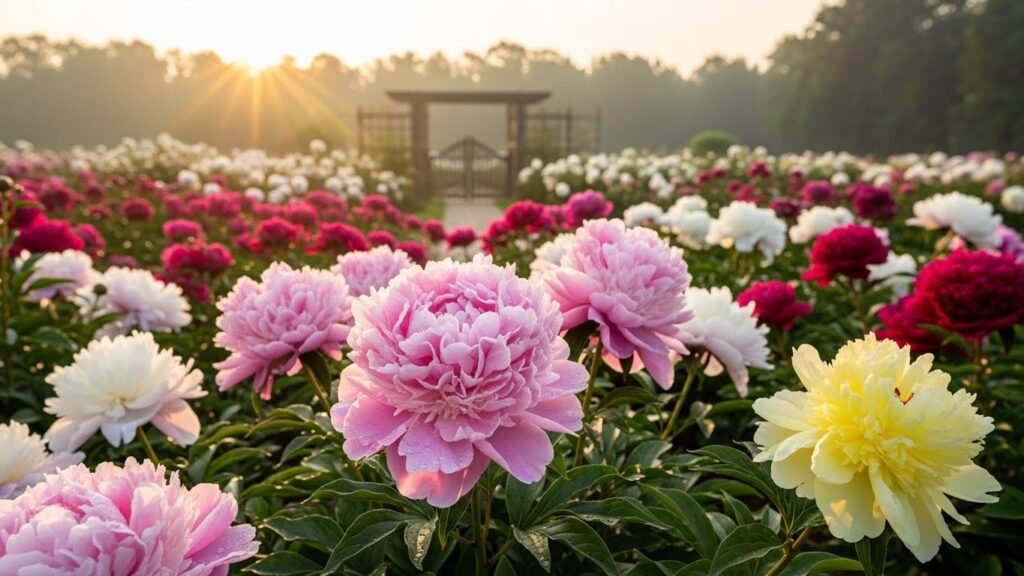
Everyone wants to know when are peonies in season because these flowers are totally amazing. They look like giant roses but have a vibe all their own. You see them all over social media and in every fancy wedding bouquet. People love them because they are big, fluffy, and smell like a dream. If you want to catch them at their best, you have to plan ahead. Their time in the spotlight is actually pretty short compared to other flowers.
Most folks call them the queen of the garden for a good reason. They have layers of petals that seem to go on forever. You can find them in shades of white, pink, red, and even yellow. They are super tough perennials that come back year after year. This makes them a great investment for your yard or your flower farm. Once they start blooming, your whole neighborhood will be jealous of your garden.
When Are Peonies in Season?
If you are looking for the peak time, it usually happens in late spring. This is when the weather starts getting warm but isn’t scorching yet. Most people find that their peonies show off during May and June. It is the perfect time because the spring rain has already done its work. You will see those little round buds starting to swell up on the stems.
- The General Window: Nationwide, peonies are primarily in season from late spring through early summer, specifically from April to June.
- The Early Summer Lull: They serve as a critical bridge in the garden, blooming after spring bulbs like tulips fade but before summer annuals peak.
- The 7-10 Day Rule: Most individual peony plants only bloom for a very short window of about one week to ten days.
- The Extended Six-Week Season: By strategically planting different varieties, gardeners can enjoy a continuous bloom cycle for up to six weeks.
The timing of these flowers is a big deal for flower farmers. They wait all year for this specific window to harvest their crop. If the weather is too hot, the blooms might open too fast. If it stays chilly, you might have to wait a bit longer. Knowing when are peonies in season helps you plan your garden parties and events. You do not want to miss the window because once they are gone, they are gone.
Regional Bloom Timelines Across the U.S.
The United States is huge, so the season varies depending on where you live. Since these plants love the northern hemisphere, they thrive in cooler spots. If you live up north, your season might start later than someone in the south. The climate plays a massive role in when those buds finally pop. It is all about the local weather patterns and how fast the ground warms up.
- California and Warmer Regions: These areas see the earliest blooms, often starting in April and lasting through May.
- Pacific Northwest: Due to the temperate climate, the season runs from late April into early June.
- The Northeast: A traditional bloom window that typically aligns with late May through mid-June.
- Midwest and Cooler States: Regions like Michigan are known for later peaks, usually occurring in late May through the month of June.
- The Southern Limitation: In many southern regions, the season is extremely short or non-existent due to a lack of winter chill.
Each region has its own charm when it comes to these flowers. In the Midwest, they are a staple of early summer gardens. In the Pacific Northwest, the damp and cool air keeps them looking fresh for longer. Even in places like Alaska, peonies are a huge deal because they bloom very late. This allows them to supply flowers when the rest of the country is out. It is a smart way to keep the season going for everyone.
Growing Peonies in Challenging Climates: The Texas Example
You might think it is impossible to grow these in a hot place like Texas. It is definitely harder, but some folks make it happen with extra care. The heat is the biggest enemy of the peony plant in the south. You have to be smart about where you plant them to keep them cool. It takes a bit of a green thumb and some serious patience.
- The Chill Factor: Peonies require a period of winter chill to produce buds, so growers in Zones 7-9 sometimes use ice to simulate winter.
- Texas Bloom Timing: Local tree peonies may bloom as early as late February, while shrub types follow in April.
- Overcoming Soil Issues: Heavy clay soil common in the South must be heavily amended to provide the drainage peonies crave.
- Summer Survival: High heat requires a specific balance of afternoon shade and significant watering to keep the plant alive.
Texas gardeners have to be really picky about the varieties they choose. Some types just cannot handle the humidity and the scorching sun. If you get it right, you can have beautiful blooms before the summer heat hits. It is all about managing that short window in the spring. If you live in North Texas, you might have better luck than someone further south. Always check your local hardiness zone before you start digging.
Varieties of Peonies and Their Specific Bloom Times

Not all peonies are the same when it comes to their schedule. Some are early birds and some like to sleep in. This is actually great news for your garden design. You can pick a mix of types to make sure you always have flowers. If you only plant one kind, your season will be over in a flash. Variety is the spice of life and the secret to a long peony season.
Early-Season Varieties
These are the first ones to show up to the party. They usually start blooming right as the tulips are saying goodbye. They bring that first splash of big color to your flower beds.
- Coral Charm: A stunning hybrid that changes color from coral to peach as it opens.
- Bartzella: A famous Itoh variety with bright yellow petals and a wonderful scent.
- Signaling the Start: These varieties are the first to let you know the peony season has officially arrived.
Mid-Season Varieties
This is when the season really gets into full swing. Most of the famous pink and white types fall into this category. If you see peonies in the grocery store, they are probably mid-season types.
- Sarah Bernhardt: The most famous pink peony in the world with massive, double blooms.
- Festiva Maxima: A classic white variety with small flecks of crimson in the center.
- The Peony Craze: These represent the peak of interest in late May for most gardeners.
Late-Season Varieties
These varieties help you hold onto spring for just a little bit longer. They bloom when the weather is starting to feel like real summer. They are the grand finale of the peony show.
- Karl Rosenfeld: A bold red variety that stands out in any arrangement.
- Duchesse de Nemours: A fragrant white flower that has been popular for over a century.
- Extending the Beauty: These types allow you to enjoy flowers well into the start of the summer months.
Classification by Growth Habit

Understanding how your peony grows is just as important as knowing when it blooms. There are three main types you will find at the nursery. Each one has a different look and a different way of surviving the winter. Some grow like little trees while others act more like typical garden plants. Choosing the right growth habit helps you fit them into your landscape.
Herbaceous Peonies
These are the most common ones you will see in backyard gardens. They are super reliable and come in the widest range of colors. They are the classic choice for cut flowers and bouquets.
- Winter Dormancy: These plants die back completely to the ground when the first frost hits.
- Spring Regrowth: New red shoots pop out of the ground as soon as the soil warms up in spring.
- Classic Choice: They are the go-to variety for traditional garden beds and floral arrangements.
Tree Peonies
These are not actually trees, but they do have woody stems. They don’t disappear in the winter like the herbaceous ones do. They add a bit of structure to your garden all year round.
- Woody Shrubs: These maintain a permanent structure of branches throughout the winter months.
- Early Bloomers: They often bloom a bit earlier than their herbaceous cousins.
- Large Flowers: Known for having some of the biggest and most complex flowers in the peony world.
Itoh (Intersectional) Peonies
These are the “best of both worlds” plants. They were created by crossing tree peonies with herbaceous ones. They are relatively new to the gardening world but people love them.
- Hybrid Power: They have the massive flowers of a tree peony but the growth habit of an herbaceous one.
- Sturdy Stems: These plants have very strong stems that don’t flop over in the rain.
- Unique Colors: They often come in rare colors like yellow and copper that are hard to find elsewhere.
Essential Requirements for a Successful Peony Harvest
Growing these beauties isn’t just about luck. You have to give them exactly what they need to thrive. They can be a little picky when they are first getting established. However, once they are happy, they can live for fifty years or more. It is all about setting them up for success from day one. If you follow these basic rules, you will have a harvest to be proud of.
- Hardiness Zones: These plants are best suited for USDA Zones 3-8 where they get a proper winter.
- Sunlight Needs: They are total sun-lovers and need at least six to eight hours of direct sunlight.
- Soil Quality: Your soil must be well-draining and full of organic matter like compost.
- Proper Spacing: You need to give them room to breathe to prevent diseases like Botrytis.
- The Patience Factor: Don’t expect big blooms right away; it can take a few years for a new plant to settle in.
One of the biggest mistakes people make is planting them in the shade. While they might grow leaves, they won’t give you many flowers. They need that sun to build up enough energy for those big blooms. Also, make sure you don’t plant them in a spot where water puddles. Their roots will rot if they sit in wet soil for too long. A little bit of prep work goes a long way with these plants.
Advanced Planting and Propagation Techniques
If you want to take your peony game to the next level, you need to know the tricks. Planting a peony isn’t quite the same as planting a marigold. You have to be very precise about the depth of the roots. If you get it wrong, you might just end up with a bunch of green leaves. Propagation is also a great way to get more plants for free. It just takes a little bit of bravery to dig up your favorite plant.
Planting Depth: The “Eye” Rule

The “eyes” are the little pink buds on the roots that will become next year’s stems. They are the most important part of the whole plant.
- The Importance of Eyes: These buds must be pointed upward when you put them in the ground.
- Depth Precision: In cold spots, keep them two inches deep; in warm spots, go for only one inch deep.
- Avoid No-Blooms: Planting your peonies too deep is the most common reason they fail to flower.
Bare Root vs. Potted Peonies
You can buy peonies in two different ways at the store. Both have their pros and cons depending on when you want to plant.
- Fall Planting (Bare Roots): This is usually the best way to get a strong root system established.
- Spring Planting (Potted): This is more convenient but the plants might struggle more in the summer heat.
- Dormancy Period: Bare roots are shipped while the plant is sleeping, which is better for the plant.
Division and Propagation
Once your peony gets huge, you can actually turn one plant into three or four. This is how old-fashioned gardeners shared flowers with their neighbors.
- When to Divide: You should only do this every ten to fifteen years or if the plant stops blooming well.
- The Process: You dig up the whole root ball in the fall and carefully cut it into sections.
- Eye Count: Each new section needs to have at least three to five healthy eyes to survive.
Common Pests, Diseases, and Troubleshooting
Even the toughest plants run into trouble sometimes. Peonies are generally pretty hardy, but they do have a few enemies. Most of the time, the issues are just cosmetic and won’t kill the plant. If you catch problems early, you can keep your garden looking great. It is all about knowing what to look for when you do your daily walk-through.
Dealing with Ants on Peonies
You will almost always see ants crawling all over your peony buds. A lot of people think they are eating the flower, but that isn’t true.
- The Myth: Ants do not actually help the peonies open their petals.
- The Reality: They are just there to eat the sweet nectar that the buds produce.
- Natural Defense: Having ants around can actually keep other bad bugs away from your flowers.
Fungal Issues and Botrytis Blight
Fungus is the biggest threat to a beautiful peony season. It loves cool, wet weather just as much as the flowers do.
- Identification: Look for blackened buds that never open or gray mold on the stems.
- Prevention: Clean up all the dead leaves in the fall so the fungus has nowhere to hide.
- Air Circulation: Don’t crowd your plants too close together; they need room for the wind to blow through.
Why Aren’t My Peonies Blooming?
It is super frustrating when your plant looks healthy but won’t flower. Usually, it is a simple fix that you can take care of next season.
- Depth Check: If they are too deep, they won’t bloom, so you might need to lift them up.
- Age Matters: Young plants often need a few years to get enough energy to produce flowers.
- Fertilizer Issues: Too much nitrogen will give you lots of leaves but zero blooms.
Caring for Freshly Cut Peonies

When are peonies in season is the best time to fill your house with flowers. Bringing them inside is the best part of growing them. They can make any room look like a magazine cover. You just need to know how to handle them so they don’t wilt in two days. A little bit of care goes a long way in making that beauty last.
- The Queen of Flowers Appeal: They have a lush look and smells that can range from citrus to rose.
- The Marshmallow Stage: Cut your flowers when the buds feel soft like a marshmallow for the longest life.
- Encouraging Blooms: Use lukewarm water if you need your flowers to open up quickly for a party.
- Vase Maintenance: Change the water every day and keep them away from sunny windows.
- Professional Storage: You can actually keep peony buds in the fridge for weeks if you do it right.
If you are harvesting from your own garden, do it in the early morning. This is when the stems are the most hydrated and fresh. Use clean scissors so you don’t introduce any bacteria into the water. If you see sticky sap on the buds, you can gently wipe it off with a damp cloth. This helps the petals move and open up more easily.
Peony Flower Forms: Beyond the Standard Bloom
Most people think of the big “bomb” types when they imagine a peony. But there are actually several different shapes that these flowers can take. Some are very simple and look like wildflowers. Others are so complex they look like pieces of art. Knowing the different forms helps you pick the right look for your garden.
- Single Peonies: These have just one row of petals and a very natural look.
- Japanese and Anemone: These have a fancy center that looks different from the outer petals.
- Semi-Double and Double: These are the thick, fluffy types that everyone recognizes instantly.
Peonies for Weddings and Special Events

There is no flower more popular for weddings than the peony. Brides plan their entire wedding date around when are peonies in season. They symbolize romance and prosperity, which is perfect for a new marriage. However, because they are so popular, they can be a bit tricky to get. You have to be ready to work with a florist who knows their stuff.
- High Demand: They are the number one requested flower for bridal bouquets and centerpieces.
- Planning by Region: You have to know when they are blooming in your specific area to get the best price.
- Importing Options: If you are getting married out of season, you can find imports from places like Chile or New Zealand.
- Seasonal Alternatives: If you can’t find peonies, garden roses or ranunculus are the best backups.
Weddings usually require a lot of flowers all at once. This means florists have to order them weeks in advance. If you are doing your own wedding flowers, make sure you have a cool place to store them. They are very sensitive to heat and will open too fast in a warm room. Keeping them in a cool basement or a dedicated fridge is the best bet.
Historical and Cultural Significance
Peonies have been around for a very long time and have a rich history. They aren’t just pretty faces; they have real meaning behind them. In some parts of the world, they are treated with as much respect as royalty. Learning about their past makes growing them feel even more special. It connects you to gardeners from hundreds of years ago.
- Symbolism: They usually stand for things like bashfulness, wealth, and a happy life.
- King of Flowers: In China, they have been a symbol of nobility and honor for centuries.
- Medicinal History: Long ago, people actually used the roots and seeds to treat different illnesses.
In the Victorian era, giving someone a peony could mean different things. It was a whole language of flowers that people used to send secret messages. Today, we mostly just enjoy them for their beauty and scent. But it is cool to know that people have been obsessed with them for thousands of years. They are truly a timeless flower.
Economic and Long-Term Value of Peonies
If you are looking for a plant that pays you back, the peony is a top choice. They are a bit expensive to buy at first, but they last forever. For farmers, they are one of the most profitable crops you can grow. People are always willing to pay a premium for a fresh bunch of peonies. They are like money in the bank for your landscape.
- Perennial Investment: They get bigger and better every year without much extra work from you.
- Profitability for Farmers: They are a high-value crop because they are so easy to ship as buds.
- Fall Care: Cutting them back in the fall is the only major chore you have to do.
- Retail Value: A single stem can cost a lot of money at a high-end florist.
When you plant a peony, you are thinking about the future. It isn’t a “one and done” plant like a sunflower. You are creating a permanent feature in your garden that your kids might even enjoy someday. That kind of longevity is rare in the world of flowers. It makes every dollar you spend on a root feel like a smart move.
Final Summary of the Peony Season
Understanding when peonies are in season is the secret to enjoying these magnificent flowers at their absolute peak. While their blooming window is famously brief—often lasting only a week or two for a single plant—their impact on the garden and in floral design is unmatched. By selecting a diverse mix of early, mid, and late-season varieties, you can effectively stretch that magical window into a six-week celebration of color and fragrance.
To ensure your peonies thrive year after year, remember these key takeaways:
- Climate is Key: These plants crave a cold winter and plenty of sunshine. If you live in a warmer region, look for heat-tolerant varieties and pay extra attention to soil drainage.
- Planting Precision: Never plant the roots too deep. Keeping those “eyes” close to the surface is the difference between a garden full of flowers and a garden full of just green leaves.
- Patience Pays Off: A peony is a long-term relationship. It may take a few years to establish, but once it does, it can live for generations, becoming a living heirloom in your landscape.
- Smart Harvesting: To enjoy them inside your home, cut them during the soft “marshmallow” stage. This ensures you get to witness the dramatic transformation from a tight bud to a massive, fluffy bloom.
Whether you are a gardener looking to brighten your yard, a bride planning a spring wedding, or a flower lover simply waiting for them to appear in shops, peonies are worth the wait. They truly are the “Queen of Flowers,” bringing a sense of luxury and timeless beauty to every spring season.
Frequently Asked Questions About Peony Season
Can I grow peonies from seeds found in the garden?
You can grow peonies from seeds, but it is a project for the patient gardener. Seeds often require two full cycles of cold and warm weather to germinate, meaning they might not sprout for two years. Once they do sprout, it can take another five to seven years to see the first flower. Furthermore, because most garden peonies are hybrids, the new plant will likely not look like the parent plant.
What is the difference between a bomb and a double peony?
The distinction lies in the arrangement of the inner petals. A double peony has a consistent look where all petals are roughly the same size and shape throughout the flower. A bomb peony has a clear distinction between the large outer guard petals and a dense, high-domed center of smaller, ruffled petals that looks like a scoop of ice cream. Both are heavy and usually require staking.
Are peony petals edible for culinary use?
Yes, peony petals are edible and are often used to garnish salads, drinks, or desserts. They have a slightly sweet, floral, and sometimes peppery flavor depending on the variety. It is vital to ensure that the flowers have not been treated with chemical pesticides or fertilizers before consuming them. Many people also make peony jelly or syrup by steeping the petals in sugar and water.
Why did my peony buds turn brown and dry up before opening?
This condition is often called blast. It can happen for several reasons, including a sudden late frost, extreme drought, or a lack of nutrients in the soil. If the buds look like they were burnt or stayed the size of a pea, the plant likely experienced a stress event that forced it to abort the flowering process to save energy for the roots.
Do peonies need to be deadheaded after they bloom?
Deadheading, or removing the faded flowers, is highly recommended. By cutting off the spent blooms, you prevent the plant from putting energy into producing seeds. This allows the plant to refocus that energy back into the roots for a better show next year. You should cut the stem back to a strong leaf so the remaining foliage still looks tidy in the garden.
Can I grow peonies in a greenhouse to get them earlier?
Growing peonies in a greenhouse is possible but tricky because they still require a mandatory cold dormancy period. Commercial growers sometimes use high tunnels to protect the plants from wind and rain, which can result in blooms appearing about two weeks earlier than those in the open field. However, without that winter chill, the plants will not produce flowers regardless of how much warmth they get in a greenhouse.
What are the best companion plants for a peony bed?
Peonies look best when paired with plants that hide their “legs” or bloom at different times. Siberian Iris, Alliums, and Foxgloves are great because they bloom around the same time and share similar sun requirements. Later in the season, plants like Phlox or Coneflowers can fill the space with color once the peony blooms have faded, while the peony foliage provides a lush green backdrop.
How do I protect my peonies from heavy spring rain?
Heavy rain is the enemy of the double peony, as the petals act like sponges and the stems snap under the weight. The best protection is a sturdy metal support grid placed over the plant in early spring so the stems grow up through it. If a storm is coming and your flowers are open, you can cut them and bring them inside to enjoy in a vase rather than letting them be ruined in the mud.
Why are the leaves of my peony turning red in the spring?
New peony shoots are naturally a bright, deep red or burgundy color when they first emerge from the soil. This is completely normal and is caused by pigments that protect the tender new growth from sun damage and cold. As the leaves expand and the weather warms up, they will gradually turn to a standard green color.
Can peonies be grown in the Southern Hemisphere?
Yes, peonies are very popular in places like New Zealand and parts of Australia that have cooler climates. Because the seasons are flipped, these regions produce peonies during the Northern Hemisphere’s winter. This allows for a global trade where New Zealand can ship fresh peonies to the United States and Europe in November and December for holiday events.
Do peonies have any medicinal properties?
In Traditional Chinese Medicine, the root of the white peony (Paeonia lactiflora) has been used for over a thousand years. It is believed to help with inflammation, pain relief, and certain blood-related conditions. While modern science is still studying these effects, the plant remains a staple in herbal pharmacies across Asia, though you should never attempt to use garden peonies medicinally without professional guidance.
What is a “sport” in the peony world?
A sport is a natural genetic mutation where one branch or flower on a plant looks completely different from the rest. For example, a pink peony might suddenly produce one white flower. If a grower can successfully propagate that specific mutation, it can lead to the creation of an entirely new variety. Many famous cultivars started as a lucky “sport” found in a garden.
Are there any blue peonies?
True blue does not exist in the peony genome. While you may see photos online of bright blue peonies, these are almost certainly photoshopped or dyed. The closest colors to blue in the peony world are the deep purples and lilacs found in some tree peony varieties. Breeders are constantly working on new colors, but a true sapphire blue peony remains a botanical impossibility for now.
How much water do established peonies need?
Once a peony is established (after about 3 years), it is quite drought-tolerant. However, for the best blooms, they need about an inch of water per week during the spring. If you live in a place with dry summers, continuing to water the foliage through August is important to ensure the “eyes” for next year’s growth are healthy and strong.
Can I use wood mulch around my peonies?
You can use mulch, but you must be extremely careful not to bury the crown of the plant. Mulch should be kept a few inches away from the stems. If mulch piles up over the center of the plant, it effectively increases the planting depth, which will stop the plant from blooming. Many growers prefer using compost or chopped leaves rather than heavy wood chips.
Why does my peony have powdery mildew on the leaves?
Powdery mildew looks like a white, flour-like dusting on the leaves and usually shows up in late summer when the air is humid. While it looks ugly, it rarely kills the plant because the peony is already preparing for dormancy. To manage it, avoid overhead watering and make sure there is plenty of space between plants for air to circulate.
How long can a peony plant live?
Peonies are incredibly long-lived perennials. It is not uncommon to find peony plants in older neighborhoods that are 50 to 70 years old. There are even documented cases of peonies living for over a century in temple gardens in Asia. They are truly an “heirloom” plant that can be passed down through generations of a family.
Do deer and rabbits eat peonies?
One of the best things about peonies is that they are generally deer and rabbit resistant. The leaves and buds contain a bitter substance that most animals find unpalatable. While a very hungry deer might take a nibble, they usually move on to other plants in the garden, making peonies a safe choice for rural landscapes.
Can I grow peonies in USDA Zone 9 or 10?
In these zones, the lack of winter chill is a major hurdle. However, some gardeners have success with “intersectional” or Itoh peonies, which are slightly more heat-tolerant. Others choose “early” varieties that bloom before the true summer heat sets in. Some extreme gardeners even wrap their peony roots in ice packs during January to try and trick the plant into thinking it is in a colder climate.
What should I do if my peony stems are leaning toward the sun?
Peonies are phototropic, meaning they will grow toward the strongest light source. If your plant is leaning significantly, it probably isn’t getting enough light from directly above. You can try to prune back overhanging tree branches to let more light in, or use a circular support to keep the stems upright. If the shade is too dense, the only permanent solution is to move the plant to a sunnier location in the fall.