Skip to content
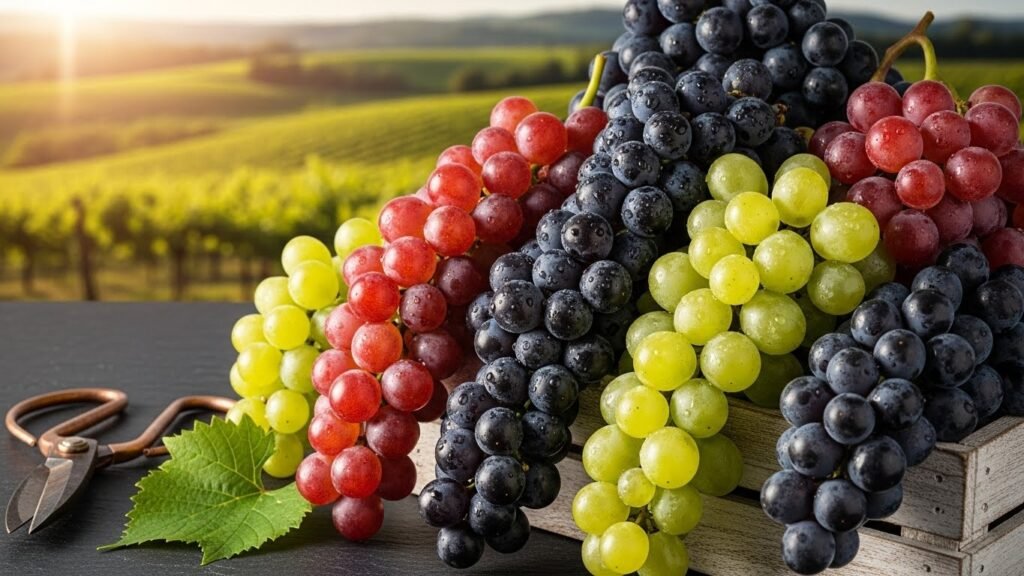
Have you ever walked down the produce aisle and wondered why are grapes so expensive? You see those juicy green or red globes and want to grab a bag. Then you see the price tag and your jaw drops. It feels like you are buying a bag of gold instead of fruit. Most people think grapes just grow on vines and get tossed into boxes. But there is a huge story behind that high price. From the long years it takes to grow a vine to the crazy costs of shipping, every penny adds up. In this deep dive, we will look at every single reason your favorite snack costs so much. You will learn about the hard work, the fancy science, and the wild weather that makes these fruits a luxury.
Introduction
Grapes are a fan favorite for kids and adults all over the world. They are sweet, crunchy, and super easy to eat on the go. But lately, people have been asking why are grapes so expensive. It is not just one thing making the price go up. It is a mix of many small problems that turn into a big cost. The journey from a small farm to your kitchen table is long and risky. Farmers face a lot of drama before those grapes even reach the store.
- High Demand: People all over the globe want fresh grapes all year long.
- Perishability: Unlike apples, grapes go bad very fast if they are not handled perfectly.
- Global Trade: Your grapes might travel thousands of miles to reach your local shop.
The Botanical Complexity and Biology of the Vine

Grapes are not like corn or wheat that you can plant and harvest in a few months. They are a long-term commitment for any farmer. This slow start is a big reason why are grapes so expensive. You cannot just decide to be a grape farmer and make money the next day. It takes a lot of patience and even more cash to get started.
Slow Return on Investment (ROI)
A grapevine is like a slow-moving project that eats money for years. Most vines take about 3 to 7 years before they grow enough fruit to sell. During those first few years, the farmer gets zero dollars back. They have to pay for the land, the plants, and the water every single day. This “establishment phase” is super risky because anything could go wrong. If a vine dies in year three, all that money is just gone forever. This long wait means farmers have to charge more later to pay off their old debts.
Variety Sensitivity and Genetic Limitations
Not all grapes are the same, and the ones you eat are the hardest to grow. Table grapes have to look perfect and taste even better. They are much more sensitive than the grapes used for wine or juice. Breeders have spent years making grapes that have no seeds and extra crunch. These genetic traits make the plants weaker and harder to care for. If the vine is not happy, the fruit will be small or sour. Keeping these fancy varieties alive takes constant attention and special nutrients.
The Chemistry of Quality: What Drives the Price?
The science inside the grape is just as complex as the farm itself. To get that perfect sweet taste, farmers have to watch the chemistry closely. This constant testing and monitoring adds to the overall bill. If the chemistry is off by a little bit, the grapes might be worthless.
Brix Levels and Sugar Accumulation
Brix is just a fancy word for how much sugar is in the fruit. Farmers use special tools to check these levels every day as harvest gets close. If they pick too early, the grapes are sour and nobody wants them. If they pick too late, the fruit gets mushy and rots. There is usually only a 48-hour window where the grapes are perfect. Hiring people to test thousands of vines in a few days is very pricey. This narrow window is a huge part of why are grapes so expensive.
Anthocyanins and Color Development
People buy with their eyes before they buy with their mouths. Red grapes need to be a deep, beautiful red to sell well. This color comes from things called anthocyanins. If the weather is too cloudy or too hot, the color will stay pale. Farmers sometimes use expensive reflective blankets on the ground to bounce light up into the vines. They also spend hours trimming leaves so the sun can reach every bunch. All this extra work ensures the grapes look like they belong in a commercial.
Intensive Manual Labor and Expert Craftsmanship
You might think machines do all the work on modern farms. For grapes, that is just not true at all. Most of the work is still done by hand by real people. This human touch is a massive expense that pushes prices higher.
Precision Hand-Harvesting

Machines are too rough for delicate table grapes. A machine would crush the fruit and turn it into a mess. That is why every single bunch you buy was picked by a human hand. Workers have to carefully clip the stem without touching the fruit too much. If they rub off the natural waxy coating, the grapes look old. Picking by hand is slow and requires a lot of workers. As wages go up, the price of the fruit has to go up too.
Seasonal Maintenance and Pruning
The work does not stop after the harvest is over. In the winter, workers have to prune the vines by hand. This tells the plant how to grow for the next year. During the spring, they do something called “thinning.” This means they cut off some grape bunches so the plant can focus on making the remaining ones bigger.
- Winter Pruning: Workers cut back old wood to keep the vine healthy.
- Fruit Thinning: Removing small bunches makes the surviving grapes taste sweeter.
- Leaf Pulling: Taking off extra leaves helps air move around the fruit to prevent mold.
Specialized Skill Requirements
You cannot just hire anyone to work in a vineyard. It takes a lot of training to know which branch to cut or which bunch is ripe. Workers need to know how to spot diseases before they spread. These skilled workers expect better pay for their expertise. When there is a labor shortage, farmers have to pay even more to get help. This is a primary driver for why are grapes so expensive in the USA.
Environmental Challenges and Climate Resilience
Nature is not always a friend to the grape farmer. Grapes are some of the most sensitive crops when it comes to the weather. One bad storm can ruin a whole year of work and millions of dollars.
Weather Sensitivity and Extreme Events

Grapes hate surprises in the weather. A late frost in the spring can kill the new buds before they even open. If it gets too hot, the grapes get a “sunburn” and turn brown. Farmers often have to buy giant fans or even hire helicopters to move the air and stop frost. They also use expensive nets to protect the fruit from hail and birds. These tools are not cheap, and the cost is passed on to you at the store.
Water Scarcity and Advanced Irrigation
Grapes are mostly water, so they need a lot of it to grow. In places like California, water is getting very hard to find and very expensive. Farmers use high-tech drip irrigation to save every drop. These systems use sensors and computers to give each vine exactly what it needs. While it saves water, the equipment costs a fortune to install and fix. If there is a drought, the price of water spikes, making the grapes even pricier.
Pest and Disease Management
Grapes are like candy to bugs and mold. They are prone to things like powdery mildew and rot. To save the crop, farmers have to use special sprays or natural bugs to fight off the bad ones. Checking for pests takes time and money every single week. If a farmer loses half their crop to a bug, they have to charge more for the half that survived.
Innovation, Research, and Intellectual Property
The grapes you eat today are much different than the ones your grandparents ate. Science has changed the fruit, but science is not free. This hidden cost is a secret reason why are grapes so expensive.
The Rise of “Designer” Grapes
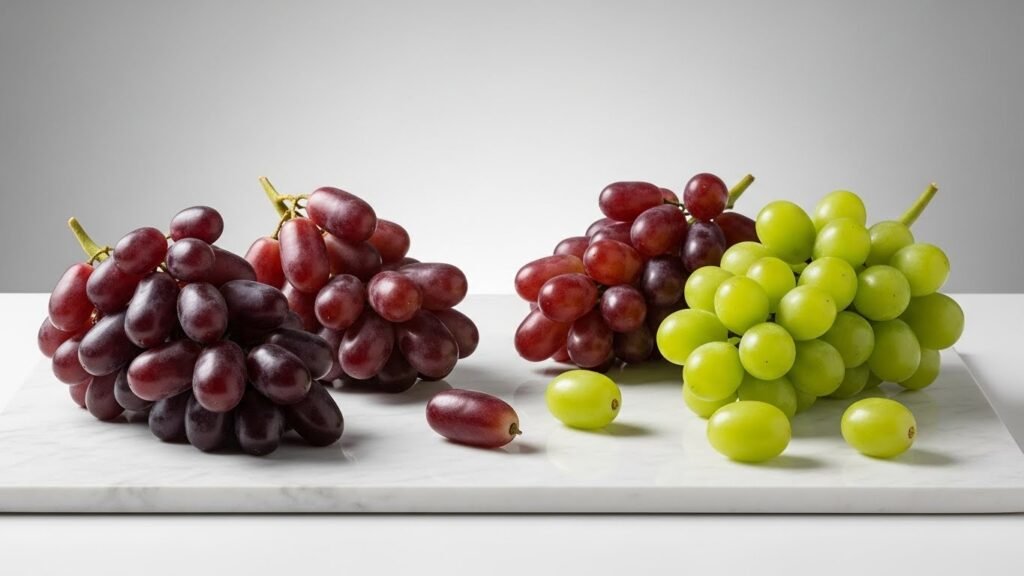
Have you ever tried Cotton Candy or Moon Drop grapes? These are called “designer” grapes. They were created in labs by scientists over many years. Because these scientists “invented” these flavors, they own the rights to them. Farmers have to pay a “royalty” fee just for the right to grow them. Every time you buy a bag of fancy grapes, a small part of that money goes back to the lab.
Breeding for the Modern Consumer
Scientists are always trying to make grapes better. They want them to stay crunchy for weeks and never have seeds. It can take twenty years to create one new type of grape. All those years of research cost millions of dollars. The companies that fund this research need to make their money back. This is why new and exciting grape types always cost more than the old ones.
The High Cost of Cold Chain Logistics
Once a grape is picked, the clock starts ticking. It starts to die the moment it leaves the vine. Keeping it fresh is a massive technical challenge.
Extreme Perishability and Respiration
Grapes are full of water and have very thin skin. They “breathe” after they are picked, which makes them lose moisture. If they get too warm, they turn into raisins or mush very quickly. To stop this, farmers have to “pre-cool” the grapes in giant fridges within hours of picking. This fast cooling uses a ton of electricity.
Continuous Refrigeration Requirements

The grapes must stay cold every single second until you buy them. This is called the “cold chain.” They go from a cold warehouse to a cold truck, then to a cold distribution center, and finally to the cold shelf at the store. If the truck breaks down or the fridge stops, the whole batch is ruined. Keeping things cold while moving them across the country is very expensive.
- Refrigerated Trucks: These trucks use way more fuel than regular ones.
- Warehouse Costs: Giant coolers require 24/7 power.
- Monitoring: Drivers use sensors to track the temperature every minute.
Specialized Packaging Science
Grapes cannot just be tossed into a box like potatoes. They would be crushed by their own weight. They are packed in special bags or plastic containers called clamshells. These containers have holes to let them breathe while protecting them from bumps. Some bags even have special pads that release a gas to stop mold from growing. This fancy packaging adds more to the price you see at checkout.
Global Supply Chain and Macro-Economics
We live in a world where we want grapes in the middle of winter. This means the fruit has to travel across the planet to get to us.
Fuel, Freight, and International Shipping
If you live in the USA and buy grapes in January, they probably came from Chile or Peru. That is a trip of thousands of miles by ship or plane. Fuel prices change all the time, and when they go up, grape prices follow. Shipping heavy fruit over long distances is one of the biggest costs in the food world. This global travel is a huge factor in why are grapes so expensive during the off-season.
Import/Export Duties and Trade Barriers
When fruit crosses a border, governments often charge taxes called tariffs. There are also strict rules to make sure no weird bugs come into the country. Inspectors have to check the grapes at the border, which takes time. If a shipment is delayed, the fruit gets older and less valuable. All these fees and rules add up to a higher price for the person buying the grapes.
Market Dynamics and Consumer Standards
The way stores sell fruit also changes the price. We have high standards for how our food looks, and that comes with a cost.
The “Grocery Store Standard”
Stores know you won’t buy a bunch of grapes if some are tiny or brown. Because of this, farmers have to throw away any fruit that doesn’t look perfect. Sometimes up to 30% of a harvest is rejected just because of how it looks. Even though that fruit tastes fine, it cannot be sold as table grapes. The “perfect” grapes that make it to the shelf have to cover the cost of the “ugly” ones that were tossed.
Seasonal “Shoulder” Periods
There are times of the year called “shoulder seasons” when one country is finishing its harvest and another is just starting. During these weeks, there are very few grapes available. Since everyone still wants them but there isn’t much supply, the price sky-rockets. If you buy grapes during these times, you will definitely notice they are more expensive.
Sustainable, Organic, and Ethical Farming
Many people want grapes that are grown without chemicals or by workers who get paid well. These good choices also lead to higher prices at the register.
The Premium of Organic Certification
Growing organic grapes is much harder than regular ones. Farmers cannot use cheap sprays to kill weeds or bugs. Instead, they have to pay people to pull weeds by hand. They also have to use natural fertilizers that often cost more and work slower. Getting an “organic” label from the government also costs a lot of money in paperwork and inspections.
Fair Trade and Ethical Labor Practices
Treating workers well is the right thing to do, but it increases the cost of farming. This includes paying higher wages and providing safe housing for seasonal workers. Ethical farms also pay for better safety gear and healthcare. When you buy “Fair Trade” grapes, part of that extra cost is going toward a better life for the people who picked them.
Retail Realities and the Final Markup
The store where you buy your grapes has its own bills to pay too. They add their own costs on top of what the farmer charged.
Handling Losses and “Shrinkage”
Stores lose money when people “sample” grapes in the aisle without paying. They also lose money if the grapes sit too long and get soft. This loss is called “shrink.” To make up for the money lost on spoiled fruit, stores have to charge a bit more for every bag they actually sell.
Branding and Premium Positioning
Sometimes you are paying for a name. Certain brands have a reputation for being the sweetest or crunchiest. They spend a lot of money on marketing and fancy labels. Stores also put grapes in the front of the produce section because they are “high-value” items. This premium placement often comes with a premium price tag.
The Future of Grape Pricing
Will grapes always be this pricey? Technology might change things, but it will take time.
Technological Interventions
Scientists are working on robots that can pick grapes as gently as humans. If they can make this work, labor costs might go down one day. Drones are also being used to spot sick plants from the sky so farmers can fix them faster. These tools are expensive now, but they might save money in the long run.
Climate Adaptation
As the world gets warmer, some farmers are moving their vineyards to cooler places. Moving a farm is a massive project that costs millions. This means the price of grapes might stay high as the industry tries to find new places to grow.
Conclusion
So, why are grapes so expensive? As we have seen, it is not just one simple reason. It is a massive team effort that involves science, hard labor, and global travel. Every time you eat a grape, you are enjoying the result of years of waiting and thousands of miles of cold transport. From the “designer” genetics to the hand-picking in the field, a lot of heart and money goes into every bunch. Next time you see that price tag, you will know exactly what you are paying for.
- Expertise: It takes years of skill to grow and pick the perfect grape.
- Risk: Farmers gamble with the weather every single season.
- Quality: We pay more to ensure our fruit is safe, sweet, and crunchy.
Frequently Asked Questions About Grape Pricing
Why are grapes so expensive compared to bananas or apples?
Bananas and apples are much sturdier and can be harvested using more automation. Grapes are extremely delicate and require individual hand-clipping and specialized refrigerated transport from the moment they are picked.
Does the color of the grape affect the final price at the store?
Usually, yes. Red and black grapes often require more sunlight management and specific temperature drops at night to develop their color. If the weather doesn’t cooperate, the lower yield of “perfectly colored” fruit drives the price up.
Why are grapes so expensive in the winter months?
During the winter, most grapes in the Northern Hemisphere are imported from South America. You are paying for thousands of miles of ocean freight and the high cost of keeping fruit cold during a long sea voyage.
Is it cheaper to buy grapes with seeds?
Generally, seeded grapes are slightly cheaper because they are closer to the “wild” state of the plant. Seedless varieties are more difficult to grow and require hormone applications to help the berries grow large without seeds.
How does the cost of land affect why are grapes so expensive?
Table grapes grow best in Mediterranean climates like coastal California or parts of Italy. These areas have some of the most expensive real estate in the world, which increases the farmer’s overhead costs.
Do organic grapes really taste better for the higher price?
While taste is subjective, organic grapes are grown without synthetic pesticides. The higher price covers the cost of natural fertilizers and the extra labor needed to weed the vineyards by hand.
Why are grapes so expensive when bought at a convenience store?
Convenience stores buy in smaller quantities and have higher delivery costs per unit. They also have a higher “waste” factor, as grapes sell slower there than at a high-volume grocery store.
Does the size of the grape berry impact the cost?
Yes. Consumers prefer large, “jumbo” berries. Achieving this size requires “girdling” the vine (cutting a small strip of bark) or using growth regulators, both of which add to the labor and material costs.
Why do some grapes come in expensive plastic clamshells?
Plastic clamshells prevent the grapes from being crushed by other items in your cart. While the plastic adds to the cost, it saves money by reducing the amount of fruit that gets bruised and thrown away.
How much of the price goes directly to the farm workers?
Labor is the single biggest expense in grape farming. In many regions, labor makes up over 50% of the production cost, covering pruning, thinning, harvesting, and packing.
Why are grapes so expensive in Japan or Korea?
In many Asian cultures, fruit is given as a high-end gift. Farmers in these regions grow small amounts of “perfect” fruit, often wrapping individual bunches in paper, leading to prices that can reach $20 to $50 per bunch.
Does the “bloom” on a grape make it more expensive?
The “bloom” is the natural silvery wax on the skin. Keeping this bloom intact requires very careful handling and no rain during harvest, which makes high-quality, “bloomy” grapes a premium product.
Why are grapes so expensive if they are grown locally?
Even local grapes require manual labor and expensive irrigation. Additionally, local farmers often have smaller scales of production, meaning they can’t spread their costs as thin as massive corporate farms.
Do certain brands of grapes cost more than others?
Yes. Brands like Sun World or Giumarra invest heavily in breeding and marketing. You are paying for a “guaranteed” level of crunch and sweetness that generic grapes might not provide.
How do fuel prices specifically change the cost of grapes?
Grapes are heavy because they are mostly water. When gas prices rise, the cost of trucking these heavy boxes from the farm to the city increases significantly.
Why are grapes so expensive when they are on the stem?
Loose grapes are often the “shatter” that fell off the bunch. These are sold cheaper. Keeping grapes firmly attached to a green, healthy stem requires better cooling and faster shipping, which costs more.
Does the sugar content really change the price?
Grapes with higher Brix (sugar) levels are in higher demand. Farmers who can prove their grapes are sweeter can charge wholesalers a premium price.
Are cotton candy grapes expensive because they use artificial flavor?
No. There is no artificial flavoring used. They are expensive because they are a patented variety that is very difficult to grow and yields less fruit per acre than standard grapes.
How does global warming contribute to why are grapes so expensive?
Extreme heatwaves can “cook” the fruit on the vine, destroying entire harvests. Farmers now have to spend money on shade cloths and more water to keep the plants alive in rising temperatures.
Why are grapes so expensive if they are on sale?
Even “sale” prices for grapes are often higher than other fruits. This is because the “floor” price is set high by the mandatory costs of refrigeration and hand-harvesting that cannot be avoided.