Skip to content
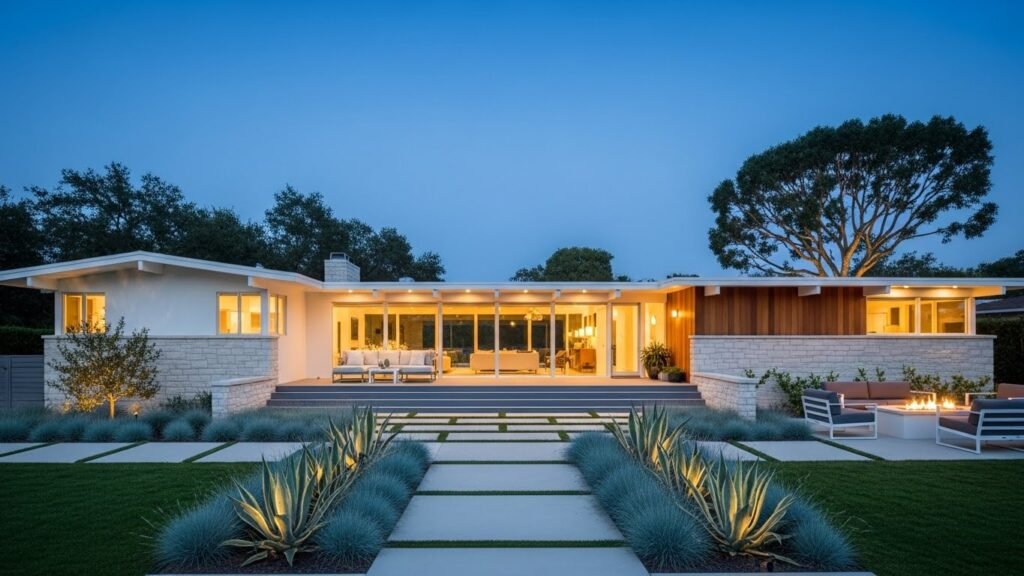
Ranch style house landscaping is the secret sauce for a home that looks iconic. These low and wide houses dominate many suburban neighborhoods across the country. They are especially common in southern and sunnier climes. Classic ranch homes from mid-century communities often looked very similar to each other. Later versions embraced cool architectural adaptations like split-level floors and vaulted roofs. Many homeowners today are renovating their ranch houses to emphasize clean lines. They want that famous indoor-outdoor living style found in modernist architecture.
The simple lines of ranch homes offer a blank canvas to landscape designers. You can basically move in any direction you want with your yard. Landscape design has a huge influence on how people see your home. It can make a plain house look like a custom masterpiece. We will look at several ranch style house landscaping ideas here. You will get tips for the look, feel, and function you want.
Fundamental Design Principles for Ranch Properties

Good ranch style house landscaping should always celebrate the home’s width. These houses are low to the ground and take up a lot of horizontal space. You want your garden to match that energy. Using low-profile hedges can help emphasize the natural horizontal plane. Linear hardscapes like long stone paths also work great for this.
Softening the sharp rectangular forms is another big goal. Ranch houses have a lot of straight lines and hard corners. You can fix this with arcing garden edges and kidney-shaped beds. Curved paths are a total game-changer for these properties. They break up the rigid architectural lines and feel more natural.
You also need to think about scale and proportion. Since the house is only one story, you should not pick giant trees. A massive oak tree might make your house look tiny and hidden. Stick to mid-sized trees that won’t overwhelm the roofline. This keeps everything looking balanced and intentional.
Modern Farmhouse Transformation for Ranch Style House Landscaping

The modern farmhouse look is a huge trend right now. It mixes traditional rustic elements with very clean modern lines. This style is perfect for homeowners who want something fresh but cozy. It uses a lot of black, white, and natural wood tones.
- Modern vs. Traditional Balance: You can use concrete bollards to frame a classic split-rail fence. This injects modern materials into a humble, old-school design.
- Signature Pathways: Decomposed granite paths are a staple for this look. They give visitors a pleasing rustic crunch under their feet.
- Staggered Entryway Steps: Oversized concrete steps lead the way to the door. These steps are overtly modern and look very sharp.
- Planting Schemes: Use plants with geometric formality to frame the front path. This keeps things looking organized and clean.
- Rustic Species: Pick sun-bleached plants like Festuca glauca or Little Ollie dwarf olive bushes. These silvery-green colors feel right at home in dry areas.
Dry Meadow and Pollinator Friendly Front Yards
A dry meadow is a hip and casual way to handle ranch style house landscaping. It moves away from high-maintenance lawns and uses native plants instead. This style is great for the environment and your water bill. It creates a unified and naturalistic look.
Oversized modern pavers boldly announce your design intentions. They contrast playfully with informal drifts of wild planting. You can use species like Gaura lindheimeri and California Fuchsia for pops of color. These plants double as a buffet for local pollinators like bees and butterflies.
Tan gravel mulch underlies the whole scene and casts a warm glow. It is a pleasant counterbalance to the cool blue of a concrete path. Using Canyon Prince Wild Rye helps stitch all the different plants together. This creates a layered display that has a ton of seasonal interest.
Tropical Hideaway and Courtyard Design

If you live in a warm place, a tropical garden is a dream. It can breathe new life into a bare-bones front patio or courtyard. The goal is to create a lush environment that feels like a resort. You can start with just a lawn and turn it into a jungle.
- Densely Planted Beds: Use garden beds to line the edges of your paths and patios. This makes the space feel enclosed and private.
- Eye Candy Selection: Pink Gulf Muhly grass and chartreuse Foxtail Ferns look amazing together. Agaves hold motionless poses against swaying perennials.
- New Palm Stands: Adding Paurotis or Sabal Palms gives your existing trees some company. They also provide extra privacy for your front windows.
- Functional Living: A new black pergola and sleek seating can upgrade your patio. This turns an underused nook into a stylish living space.
Forest Retreat and Native Woodland Integration
Some ranch homes are lucky enough to be near regional forests. You can bring those forest vibes right into your yard. This celebrates the native trees and boosts your curb appeal. It makes the house feel like it is tidily nestled in nature.
A steady rhythm of tall evergreens can reach above the eaves. This accentuates the low and wide design of the ranch house. Deciduous trees like Eastern Redbuds are a hit with local birds and animals. They elegantly frame the view from the street.
A fresh coat of midnight blue paint can help the house recede. This lets the green trees do all the talking. Using bright blonde fence boards adds a nice contrast in the foreground. Delicate white flowers can also draw the eye toward the front door.
Creating Lush Outdoor Rooms and Pergola Extensions

A ranch house is the perfect shape for an outdoor room. You can branch a long pergola off the back of the house. This defines a new space while keeping everything open and airy. It creates a transitional space that is comfortable and attractive.
Dense planting clusters at one end of the pergola add softness. You can use a palette of greens, whites, and lavender. This gives the sense of cooking or eating in a conservatory. It dissolves the boundary between the inside and the outside of the home.
The best part is that this achieves a complete makeover of the exterior. You don’t have to remodel the actual house to get this look. It is a pretty neat trick for saving money on renovations. It turns your backyard into a functional extension of your living room.
Woodsy Aesthetics and Cabin-Inspired Remodels
You can revamp your ranch style house landscaping by looking over the fence. If you have a forest nearby, use it for design ideas. A woodsy look balances a modern style with a cozy cabin vibe. It relies on wood, stone, and dense grasses to feel organic.
- New Wood Siding: Replacing old siding with wood can totally change the house. It looks high-end but stays very warm and inviting.
- Japanese Soaking Tubs: A handsome tub can repeat the warm hue of the wood siding. This creates a spa-like atmosphere in your own backyard.
- Elevated Decks: A back deck branching off a split-level ranch is a smart move. Use chocolate brown colors to contrast with the house’s new look.
- Ornamental Grasses: Use soft grasses to connect the house to the landscape. Crunchy gravel and stepping stones emphasize the organic feel.
Efficient Side Yard Design: The Orchard Lounge

Don’t forget about your side yard when doing ranch style house landscaping. This space is often limited but can become a peaceful retreat. You can combine a beachy feel with an edible orchard theme. It is a very space-efficient and cost-effective design choice.
Precast concrete pavers set in smooth pea gravel make a great path. This setup is barefoot-friendly and easy to maintain. Teak chairs with weather-resistant cushions stand up well to salty air. They offer a sweet-smelling spot to sit near rosemary and sage.
The theme of edible planting continues with a focal lemon tree. This garden walk doubles as a source for fresh herbs. You can use the rosemary and citrus in your outdoor kitchen. It turns a narrow walkway into a functional destination for the family.
Flower Power and High-Contrast Color Palettes
If you want more color, a flower-heavy garden is the way to go. You can take a drab house and make it bloom with energy. This keeps a traditional feel but adds a lot of visual excitement. It is a balanced blend of lively flowers and rich greenery.
- Floral Selection: Use Azaleas, Camellias, and Gaura for rich pinks and purples. Agapanthus and Gulf Muhly grass also cast cool colors across the yard.
- Textured Backdrop: Boxwoods and Flax Lilies provide an abundantly green base. Large-leafed Caladiums add even more texture to the garden beds.
- Arcing Edges: A long, curved edge de-emphasizes the rectangular house form. This allows more room for the expansive planting design to shine.
- Water Features: A stone water feature lends some southern charm to the space. It also gives migrating birds a place to drink and bathe.
Rustic and Refined Backyard Living
For some, ranch style house landscaping is all about relaxing. You want a low-maintenance yard so you don’t have to work on weekends. Using native plants is the first order of business for this goal. These species need very little help to thrive in their local area.
Connecting the yard to the house is the next big step. A TimberTech deck can link an elevated home with the lower yard. Broad stairs without handrails maximize the sense of connection between spaces. This makes the transition feel seamless and very modern.
A fire pit area can be carefully aligned with your French doors. This lures people outside to hang out and enjoy the view. With gravel groundcover and boulders, it balances cool design with raw materials. It feels like a piece of the wild landscape in your backyard.
Traditional Ranch Landscapes and Classic Charm

Sometimes the classic archetypal ranch landscape is the best choice. If it isn’t broken, you don’t really need to fix it. This style embraces the lawn, foundation planting, and focal trees. It feels very comfortable and familiar for most families.
- Rain-Watered Grasses: A broad front lawn is prized for family soccer games. It provides a clean and open look for a house that sits deep on a lot.
- Orderly Flower Beds: These beds extend in both directions from the front door. They feature shrubs and favorites like Hydrangeas and Catmint.
- Modest Stepping Stones: A curved path helps soften the rectangular architecture of the house. It responds nicely to the arc of a driveway.
- Canopy Seating: A peaceful seating area tucked under a large tree is perfect. It is a great spot for a quiet read or a cocktail.
Hardscape Materials and Finishes for Ranch Homes
The materials you choose for ranch style house landscaping really matter. Since the house is low, the textures on the ground are very visible. You want to pick pavers and stones that match your chosen style. Modern slabs work great for minimalist homes. Bricks are better for a more traditional or colonial ranch look.
Gravel and aggregates are common in ranch yards for a reason. They are affordable and help with water drainage. Decomposed granite is perfect for a natural, rustic feel. River rocks can be used to create dry creek beds that look beautiful and serve a purpose. Always think about how the colors of the stone match your house paint.
Lighting is the final touch for your hardscape. You want to use path lights to show the way to the front door at night. Uplighting on your focal trees can make the yard look magical after dark. It also helps emphasize the width of your property. Good lighting makes your home feel safe and high-end.
Expert Plant Palettes for Your Ranch Style House Landscaping
Choosing the right plants is what brings the architectural lines of a ranch home to life. To keep your landscaping looking professional, it is best to stick to a specific “palette” or theme. This ensures that the colors, textures, and water needs of your plants are all in harmony. Here are four expert-curated plant palettes designed specifically for ranch properties.
The Modern Farmhouse Palette
This palette focuses on a clean, high-contrast look that matches white siding and black accents. It uses structural plants with silvery and muted tones to create a sophisticated, rustic vibe.
- Lavender (Lavandula): Provides soft purple spikes and a wonderful fragrance along entry paths.
- Blue Fescue (Festuca glauca): Low-growing, spiky blue grass that looks great in geometric patterns.
- Little Ollie Dwarf Olive: A non-fruiting shrub with beautiful silvery-green leaves that stays compact.
- White Iceberg Roses: Classic white blooms that provide a clean, traditional farmhouse touch.
- Boxwood (Buxus): Used for low, clipped hedges to define the straight lines of the house.
The Low-Water Desert Meadow Palette
Perfect for sunnier climes, this palette is about resilience and natural beauty. It creates a “dry meadow” look that requires very little maintenance while supporting local birds and bees.
- Desert Willow: A small, airy tree that provides light shade without hiding the house.
- Agave (various species): These act as living sculptures, providing strong focal points in the garden.
- California Fuchsia: A low-growing plant that bursts with bright orange-red flowers in late summer.
- Yellow Kniphofia (Red Hot Poker): Adds tall, dramatic spikes of color that contrast with the low roofline.
- Mexican Feather Grass: Provides soft, flowing movement every time the wind blows.
The Tropical Retreat Palette
If you want your ranch house to feel like a vacation home, this palette uses bold leaves and vibrant textures. It works best in courtyards and backyard patios where you want a sense of privacy.
- Foxtail Fern: These have a unique, fluffy texture that looks great in large clusters.
- Sabal Palm: Adds the necessary height to break up the horizontal lines of the property.
- Gulf Muhly Grass: Known for its “pink cloud” appearance in the fall, adding a soft glow to the yard.
- Fortnight Lily: Produces delicate white flowers with yellow and purple accents throughout the season.
- Giant Bird of Paradise: A dramatic architectural plant used to screen off neighbors or hide utility boxes.
The Classic Woodland Palette
For homes nestled in forested areas or for owners who love a lush, green look, this palette focuses on shade-loving plants and deep, rich colors.
- Eastern Redbud: A stunning flowering tree that stays small enough to fit under most power lines.
- Hydrangea (Macrophylla): Provides massive blue or white blooms that lean into the traditional charm of ranch homes.
- Japanese Forest Grass: A bright, chartreuse grass that “glows” in shady corners of the yard.
- Hostas: Wide, leafy plants that fill in gaps under deep eaves where grass won’t grow.
- Catmint (Walker’s Low): A hardy perennial that creates a sea of soft purple flowers all summer long.
Sustainable and Climate-Resilient Landscaping
Sustainable ranch style house landscaping is a smart long-term investment. Xeriscaping is a popular choice for homes in dry climates. This involves using plants that don’t need much extra water. It saves you money and helps the local environment. You can still have a beautiful yard without a thirsty green lawn.
Native sod and grass alternatives are becoming very popular. You can use clover or native grasses that stay short without mowing. This reduces your carbon footprint and gives you back your weekends. It also creates a better habitat for local birds and insects. Biodiversity is key to a healthy and resilient garden.
Rainwater harvesting is another great way to be eco-friendly. Since ranch homes have long rooflines, they collect a lot of rain. You can use rain barrels or rain gardens to catch this water. This prevents runoff and keeps your garden hydrated for free. It is a simple way to make your property more sustainable.
Practical Steps for Executing Your Design
Ready to bring your ranch style house landscaping ideas to life? The first step is to create a design profile for your yard. You need to understand your budget and your vision early on. This helps you avoid any nasty surprises when it is time to build.
- 3D Renderings: Professional designers can create 3D views of your new yard. This lets you see exactly how everything will look before you start.
- Plan Drawings: You will also need 2D drawings and plant lists. These are essential for getting the installation done correctly.
- Contractor Network: Once your design is done, you need a good contractor. They can help install the hardscaping and planting for you.
- DIY Build: Some people prefer to do the work themselves to save money. This is a great option for smaller projects like side yards.
Conclusion: The Future of Ranch House Curb Appeal
Ranch style house landscaping is a powerful tool for any homeowner. It can take a simple suburban house and turn it into a showstopper. Whether you want a modern farmhouse or a tropical retreat, the options are endless. The key is to celebrate the low and wide profile of your home.
Investing in your yard increases your property value and your quality of life. It creates a space where you can relax and entertain friends. Your yard should be an extension of your indoor living area. With the right design, your ranch house can become the dream home you have always wanted.
Frequently Asked Questions About Ranch Style House Landscaping
How much does professional ranch style house landscaping typically cost?
The cost varies greatly based on the size of your lot and the materials you choose. A basic refresh with new mulch and foundation plants might cost a few thousand dollars. Full-scale transformations involving hardscapes like patios, pergolas, and outdoor kitchens often range from fifteen thousand to over fifty thousand dollars.
Which fencing materials look best with a mid-century ranch home?
Horizontal wooden slat fences are a top choice because they echo the long lines of the architecture. Black metal pool fencing offers a sleek, minimal look that doesn’t block the view of the garden. For a more organic feel, a living fence made of tall grasses or boxwoods is a great alternative to traditional wood or vinyl.
Can I use tall trees in ranch style house landscaping without ruining the look?
Yes, but placement is everything. You should avoid planting tall, dense trees directly in front of the windows as they will make the house feel dark and cramped. Instead, place taller trees at the corners of the property or in the backyard to act as a backdrop that frames the home.
How do I handle a sloping front yard on a ranch property?
Terracing is the most effective way to manage a slope while adding visual interest. You can use stone retaining walls to create level planting tiers that follow the horizontal nature of the house. This also helps prevent soil erosion and makes it easier to maintain your garden beds.
What are the best low-light plants for a ranch house with deep eaves?
Ranch houses often have wide roof overhangs that create deep shade near the foundation. Shade-loving plants like Hostas, Ferns, Bleeding Hearts, and Heuchera thrive in these conditions. These plants provide excellent texture and color in areas where grass and sun-loving flowers struggle to grow.
Does ranch style house landscaping require a lot of irrigation?
Not if you plan correctly. By choosing drought-tolerant native species, you can significantly reduce your water needs. Installing a drip irrigation system is also a smart move because it delivers water directly to the roots, minimizing waste compared to traditional sprinklers.
How can I make my ranch house driveway look less like a landing strip?
Large concrete driveways can overwhelm a single-story home. You can break up the visual mass by adding a ribbon of cobblestones or pavers down the center. Planting low-growing groundcovers or flowering borders along the edges also helps blend the driveway into the rest of the yard.
Is it possible to have a vegetable garden that looks good in a front yard?
Absolutely. The key is to use attractive raised beds made of high-quality wood or metal. Mixing edible plants like kale, chard, and herbs with ornamental flowers creates a “food forest” look. This approach makes your ranch style house landscaping both functional and beautiful.
How do I choose the right mulch for my ranch garden beds?
Darker mulches like black or deep brown help the green foliage of your plants pop. If you are going for a desert or modern look, smooth river stones or pea gravel are excellent choices. Avoid bright red mulches as they tend to look unnatural and can distract from the home’s architecture.
What is the best way to light a long ranch house at night?
Focus on “layering” your light. Use low-voltage path lights for safety along the walkways. Add spotlights to highlight unique architectural features or focal trees. Soft wash lighting against the brick or siding can emphasize the home’s width and create a warm, welcoming glow.
Can I add a second story to my ranch house without changing the landscape?
Adding a second story is a major renovation that will likely impact your existing plants. Construction equipment needs space to move, which can compact the soil and damage root systems. It is usually best to plan for a landscape refresh after any major structural additions are complete.
How do I deal with deer and local wildlife in a ranch yard?
Ranch houses are often in open suburban areas where deer are common. To protect your investment, choose deer-resistant plants like Lavender, Salvia, and Yarrow. If you have a vegetable garden, consider a decorative fence or using natural repellents to keep the critters away from your harvest.
What kind of groundcover is best for high-traffic areas?
If you have kids or pets, you need something durable. Creeping Thyme and Corsican Mint are great options that can handle light foot traffic and release a pleasant scent when stepped on. For heavy traffic, stick to traditional turf or a mix of pavers and gravel.
How can I integrate a swimming pool into a ranch backyard?
Linear, rectangular pools are the most architectural match for a ranch house. Placing the pool on the same level as a walk-out deck creates a seamless transition. Using the same stone for the pool coping and the patio helps the entire backyard feel like one cohesive space.
What are the best winter-interest plants for ranch style house landscaping?
Evergreens like Boxwoods and Junipers provide structure all year long. For color in the colder months, consider Red Twig Dogwood or plants with interesting seed heads like Ornamental Grasses. These elements ensure your yard doesn’t look barren once the summer flowers fade.
How do I hide an ugly AC unit or utility box?
Small wooden screens or lattices are perfect for hiding mechanical equipment. You can also use “dense screening” plants like Privet or ornamental grasses to block the view. Just make sure to leave enough space around the units for air circulation and maintenance access.
Should I use natural stone or pavers for my ranch patio?
Natural stone like flagstone offers a more organic, timeless look that fits rustic styles. Concrete pavers are available in a wide variety of colors and shapes, making them ideal for modern or geometric designs. Both are durable and add significant value to your ranch property.
How do I choose a mailbox that fits my landscaping?
The mailbox is often the first thing people see. For a ranch home, look for mid-century modern designs with clean lines and bold numbers. Matching the material of your mailbox post to your fence or house trim creates a polished, professional look.
What is the best way to create a “no-mow” lawn for a ranch house?
You can replace traditional grass with a mix of native groundcovers, wildflowers, and clover. This creates a meadow-like appearance that only needs to be trimmed once or twice a year. It is a fantastic way to support local biodiversity while cutting down on chores.
How do I maintain the “indoor-outdoor” flow in a split-level ranch?
Use consistent materials inside and out. If you have wood floors in your living room, choose a similar-toned wood for your deck. Large glass doors and floor-to-ceiling windows should remain unobstructed by tall plants to keep the visual connection to the yard strong.