Skip to content
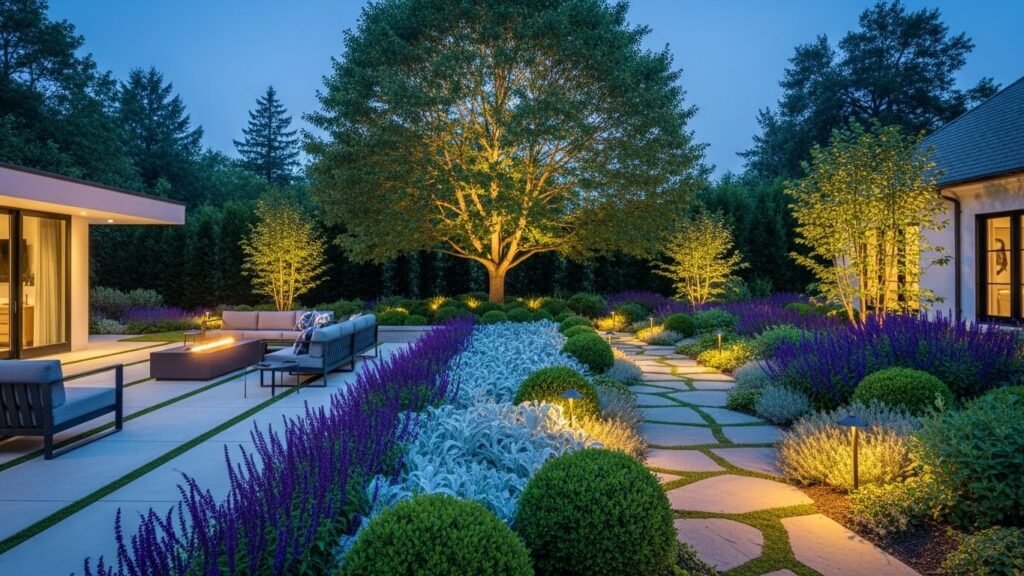
Every homeowner wants a yard that looks amazing and feels like home. Transforming a boring yard into a lively space is all about picking the right look. There are many types of landscaping you can choose from today. These styles help turn your outdoor space into something filled with color and beauty. This guide will help you understand every design framework and planting style. You will learn how to mix materials and plants to get the perfect result. Let’s dive into the world of outdoor design and find your fit.
Understanding the Foundation of Landscaping
Landscaping is much more than just cutting grass or pulling weeds. It is a mix of art and science that uses living and non-living parts. You use plants, land shapes, and materials to change how an area looks. Gardening is just the act of growing the plants. Landscaping is the big picture of the whole design. It makes your home look better and increases its value.
The Definition of Landscaping
Landscaping means changing the visible features of an area of land. It uses flora like trees and flowers to add life. It also uses hard elements like paths and walls to add structure. You have to think about landforms and how the ground is shaped. Lighting and weather also play a big part in the final look. It is a complete way to make your outdoors better.
The Role of the Professional
Getting your yard right can be a big job to handle alone. You can talk to landscape architects for big structural plans. Garden designers focus more on the plants and the visual vibe. Maintenance contractors help keep everything looking fresh and clean. They bring the tools and knowledge to make the job easy. Their expertise helps you avoid mistakes and save money.
The Psychology of Space
Your yard should be a place where you feel good every day. Certain types of landscaping can actually change how you feel. A Zen garden can bring peace and quiet to your mind. A bright bohemian yard might make you feel more creative and fun. The right design can reduce stress after a long work day. It creates a private sanctuary just for you and your family.
The Designer’s Toolkit: Core Principles and The Style Spectrum

Designers use a special set of rules to create beautiful yards. You can think of these as the building blocks of any style. These rules help you decide where things should go in your yard. They ensure that the final result looks balanced and professional. Understanding these basics makes picking a style much easier for you.
The Style Spectrum (The X and Y Axes)
You can plot any yard design on a simple graph. One side has modern looks and the other has traditional ones. Then you have formal looks at the top and informal at the bottom. This helps you see where your favorite ideas land. Most people like a mix that sits right in the middle. It is a great way to talk about what you want.
- Modern vs. Traditional (The X-Axis): Modern yards use straight lines and cool materials like concrete. Traditional yards like curves and classic materials like brick.
- Formal vs. Informal (The Y-Axis): Formal yards are very neat and use symmetry. Informal yards look natural and have loose, messy plant groups.
Universal Design Elements
Designers look at five main things when they plan your yard. These elements make sure everything fits together perfectly. They prevent the yard from looking cluttered or confusing. Using these rules will give your home massive curb appeal.
- Scale and Proportion: This is about how big things are compared to your house. You don’t want a tiny tree next to a huge mansion.
- Line and Flow: Lines are the edges of your paths and flower beds. Straight lines feel fancy and formal. Curved lines feel relaxed and natural.
- Texture and Contrast: Texture is how plants and stones feel to the eye. You can mix rough bark with smooth leaves to add interest.
- Color Theory: Colors can make a yard feel warm or cool. Warm colors like red add energy and fun. Cool colors like blue help you relax and chill.
- Focal Points: These are things that grab your attention right away. A big fountain or a colorful tree can be a focal point.
Contemporary and Modern Landscaping Styles

Modern types of landscaping are very popular for new homes. They focus on being clean and using cool new materials. These yards often look like an extension of the house. They are usually easy to take care of as well. If you like a sleek look, these styles are for you.
Modern Minimalist
Minimalism is all about having less but making it look great. This style uses very few types of plants and materials. It focuses on high-quality stone and metal like corten steel. The goal is to create a space that feels very calm. Everything in the yard has a specific reason for being there.
- The “Less is More” Philosophy: You pick a few great pieces instead of many small ones. It leaves plenty of open space for the eyes to rest.
- Clean Lines: You will see lots of sharp angles and square shapes. Concrete and industrial metals are common in these yards.
Contemporary Reimagined
Contemporary design takes old ideas and gives them a fresh spin. These yards use a lot of hardscaping like patios and decks. They love to use neutral tones like gray, tan, and white. This makes the green plants pop and look very bright. It is a very stylish way to update your home.
- Neutral Palettes: Designers use cool-toned stones and light-colored woods. These colors make small yards feel much bigger than they are.
- High Contrast: You can pair dark green leaves with bright white stones. This creates a look that is very sharp and eye-catching.
Modern Bohemian (Boho-Chic)
Boho yards are for people who want to have some fun. This style is bright, airy, and filled with different textures. It feels very comfortable and relaxed for guests. You can mix and match different furniture pieces here. It is a great way to show off your personality.
- Layered Textures: You can use wicker chairs, outdoor rugs, and soft fabrics. These layers make the outdoor space feel like a living room.
- Atmospheric Elements: String lights and hanging plants are must-haves for this look. They create a magical vibe when the sun goes down.
Transitional Design
Transitional design is the perfect pick for couples who disagree. It takes the best parts of modern and traditional styles. You might have a modern patio with traditional flower beds. This creates a balanced look that everyone can enjoy. It is a very flexible and popular way to design.
- The “Middle Ground”: It uses the comfort of old styles with new materials. It is great for homes that have a classic architecture.
- Compromise Solutions: It allows you to use different ideas in different zones. You get the clean lines you want and the lush plants they want.
Traditional and Heritage Landscaping Styles
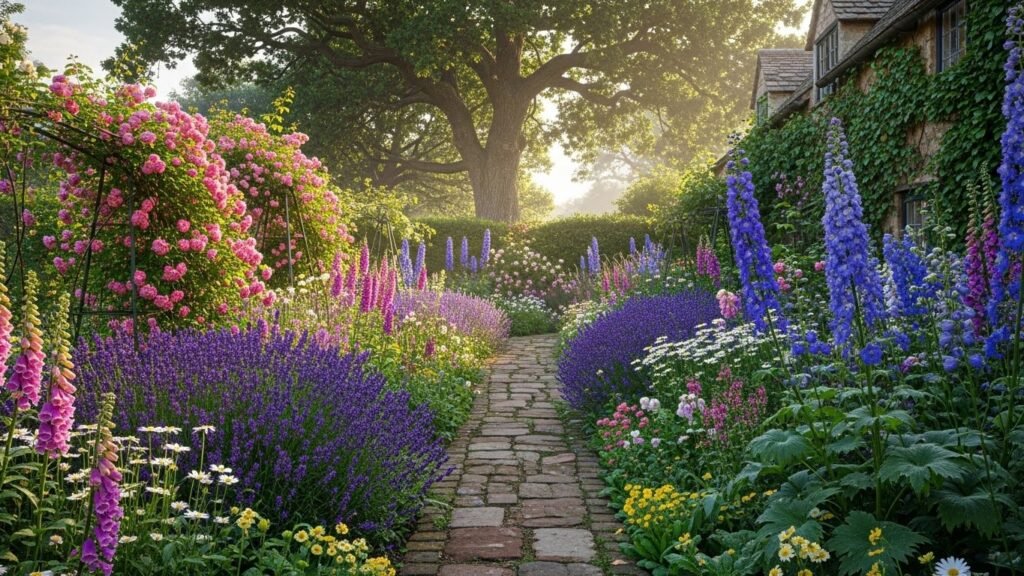
Traditional styles never really go out of fashion for homeowners. They use classic plants and layouts that feel very timeless. These yards often feel very elegant and high-end. They require a bit more work to keep them looking perfect. If you love history and classic beauty, look here.
Formal Traditional (Estate Style)
This style is based on old gardens from Europe and the South. It is very orderly and uses lots of straight lines. Everything is pruned to look very neat and tidy. It makes your home look like a grand estate. It is a very impressive look for any front yard.
- Symmetry and Order: The yard is often a mirror image on both sides. Paths are straight and lead directly to the front door.
- Topiary and Hedges: Shrubs like Boxwood are cut into specific shapes. They act like living walls to frame your garden beds.
English Landscape and Cottage Gardens
English gardens are meant to look like a beautiful painting. They are dense with flowers and feel very romantic. They don’t follow strict patterns like the formal style. They feel very cozy and welcoming to anyone visiting. It is a great way to add lots of color.
- The Romantic Aesthetic: You will see tons of blooms layered on top of each other. It feels like a lush, colorful wild space right at home.
- Winding Paths: Paths are usually made of old brick or cobblestone. They curve around bushes to give a sense of discovery.
French Country and Mediterranean
These styles bring the vibe of a sunny vacation to you. They use materials like stone and wrought iron accents. They love plants that can handle a lot of sun. These yards often have a very rustic and earthy feel. It is perfect for warm and sunny climates.
- The European Influence: You might see olive groves, lavender, and stone walls. These elements make the yard feel very historic and warm.
- Moditerranean: This is a newer, simpler version of the old style. It uses fewer plants and more modern, gray-toned stones.
Craftsman and Colonial
Craftsman yards are designed to fit a specific house style. They focus on natural materials like heavy timber and local stone. The landscaping highlights the hand-crafted details of the home. It is a very sturdy and beautiful look for older homes. It uses simple, classic plants that last a long time.
Ecosystem-Specific and Climate-Adaptive Styles
Climate-adaptive types of landscaping are smart for the environment. They use plants that are already used to your local weather. This means they need less water and less care from you. These styles are great for saving money on utility bills. They also help support the local birds and bees.
Xeriscaping and Desert Landscapes

Xeriscaping is a way to garden with almost no extra water. It is a very common-sense way to design in dry areas. It uses gravel and rocks instead of thirsty green grass. This style is very low-maintenance and looks very modern. It is perfect for the desert or dry western states.
- Water Intelligence: You group plants by how much water they need to live. This makes your watering much more efficient and fast.
- Arid Beauty: You can use bold plants like Agave and cacti as focal points. They have unique shapes that look like living sculptures.
- Permeable Groundcover: Instead of mulch, you use river rocks or decomposed granite. These materials let rain soak into the ground easily.
Coastal and Seaside Landscaping
Coastal yards have to be tough to survive salt and wind. You need plants that won’t die from the salty sea air. These designs often feel very light, sandy, and open. They use weathered wood to match the look of the beach. It is a very relaxing style for homes near the water.
- Salt-Tolerance: You pick grasses and shrubs that thrive in saline environments. These plants are usually native to beach areas already.
- The Coastal Palette: Designers use sandy tan colors and soft blues. This mimics the colors of the ocean and the shore.
Tropical and Sub-Tropical

Tropical yards are all about being lush and very green. They use plants with huge leaves and bright, bold flowers. This style makes your backyard feel like a private jungle. It is a very dense look with layers of different heights. It is perfect if you have a swimming pool.
- Lush Density: You plant very close together so no soil is showing. This creates a wall of green that provides great privacy.
- Exotic Color: Hibiscus and Bougainvillea add huge pops of red and pink. These flowers love the sun and look very tropical.
Woodland and Forest Gardens
Woodland gardens are perfect for yards with lots of big trees. They mimic the look of a natural forest floor. You use plants that love the shade and rich, dark soil. It is a very cool and quiet place to be during summer. This style is very low-maintenance once it is set up.
- The Shady Retreat: You use ferns and ground covers that don’t need sun. These plants stay green even in the deepest shade.
- Light Play: The trees create “dappled light” patterns on the ground. This adds a magical and shifting look to your garden paths.
Functional and Utility-Driven Landscaping
Modern landscaping isn’t just for looks; it can be useful too. You can design your yard to help your family and the earth. These styles focus on what you can do in your yard. They turn a simple yard into a working part of your home. From food to play, your yard can do it all.
Edible Landscaping (Foodscaping)

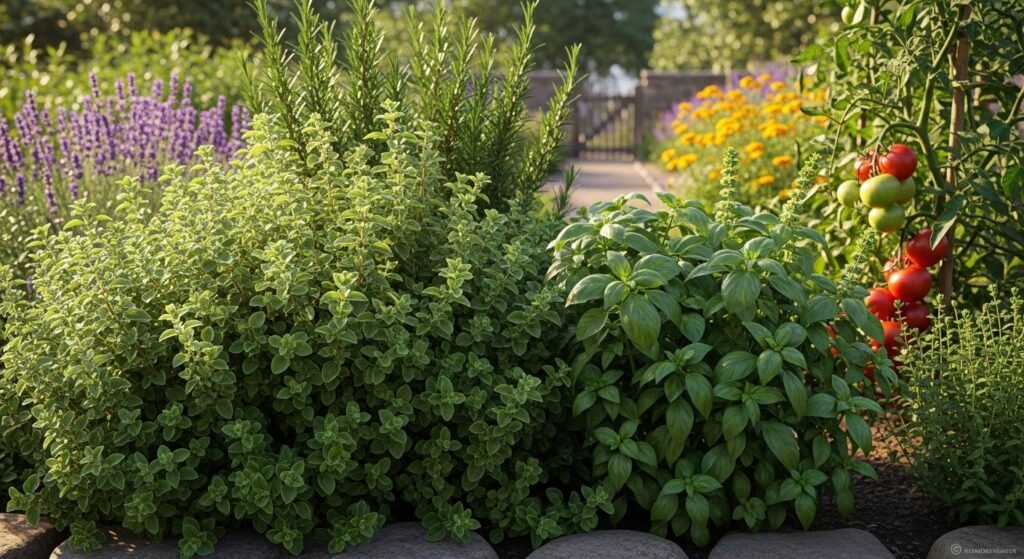
Why just plant flowers when you can plant dinner instead? This style mixes fruits and veggies right into your flower beds. You can have a rosemary bush next to your roses. It is a great way to get fresh food without a farm. It makes your garden smell amazing as well.
- Integrating Nutrition: You can use fruit trees for shade and snacks. Herbs like sage and thyme make great ground covers.
- Raised Bed Systems: Metal or wood beds make it easy to grow veggies. They keep the soil warm and prevent back pain from bending.
- Farm-to-Table Features: Some people even add chicken coops or bee hotels. These features help the environment and give you fresh eggs.
Family-Friendly and Pet-Friendly Design
If you have kids or dogs, you need a yard that is tough. This style uses plants that won’t get hurt when someone runs over them. It focuses on open spaces where everyone can play safely. It is all about being durable while still looking good. It makes outdoor time more fun for everyone.
- The “Informal” Play Space: You can use clover or tough grass for the lawn. These plants handle heavy foot traffic better than fancy grass.
- Safety Features: You avoid plants with thorns or ones that are toxic to pets. Gated zones help keep kids away from pools or driveways.
Butterfly and Pollinator Sanctuaries
You can turn your yard into a safe home for butterflies. These gardens use specific plants that provide food for insects. It is a great way to help nature right in your city. These yards are usually filled with very bright, happy colors. They are a joy to watch during the summer months.
- Biodiversity: You plant for every stage of a butterfly’s life. This means having plants for the eggs, caterpillars, and adults.
- Wind-Protected Zones: Butterflies need quiet spots to rest and eat. Shrubs and fences can block the wind for these delicate creatures.
Organic and Sustainable Gardening
Sustainable gardening is all about working with nature, not against it. You don’t use any harsh chemicals or fake fertilizers. This keeps your soil healthy and your water clean. It is a very eco-friendly way to manage your property. Your yard becomes a living part of the local ecosystem.
- Eco-Balance: You use natural bugs like ladybugs to eat the bad pests. This keeps your garden safe without using poison sprays.
- Soil Health: Composting your leaves and grass helps feed your plants. It turns “waste” into the best food for your garden.
Hardscaping: The “Bones” of the Yard
Hardscaping is the part of your yard that doesn’t grow. It includes all the stone, wood, and metal features you install. These elements give your yard its shape and structure. They provide a place for you to walk, sit, and eat. Without hardscaping, a yard is just a field of plants.
Structural Elements
The big structures in your yard are the most important for use. They should match the style of your house and your yard. Using the right materials makes these features last for decades. They add a lot of value to your property investment.
- Patios and Decks: These are the floors for your outdoor living rooms. You can use natural stone, brick, or warm wood planks.
- Retaining Walls: These walls help hold back dirt on sloped properties. They can also provide extra seating for big backyard parties.
- Walkways: Paths connect different parts of your yard together. You can use stone, gravel, or even simple sand paths.
Water Features and Focal Points

Water adds a sense of magic and calm to any yard style. The sound of moving water can block out noisy street traffic. These features often become the center of the whole design. They attract birds and other wildlife to your garden.
- Serenity Tools: Simple stone fountains or reflecting pools are great. They don’t take up much space but have a big impact.
- Modern Luxury: Plunge pools and hot tubs are becoming very popular. They provide a way to cool off or relax after a long day.
Vertical Interest and Shelter
Using the air space in your yard makes it feel more complete. Vertical features provide shade and a place for climbing vines . they make your yard feel like a private room outside. They are essential for enjoying your yard during hot days.
- Pergolas and Arbors: These wooden frames can be covered in leafy green plants. They create a shady spot for your outdoor dining table.
- Fencing Styles: Modern fences use horizontal wood slats for a sleek look. Traditional yards use white pickets or split-rail farm fences.
Lighting, Tech, and Seasonal Considerations
Technology is making types of landscaping better and easier to use. You can now control your whole yard from your phone. Good planning also makes sure the yard looks great all year. It isn’t just about the summer bloom anymore. You want a yard that works for you every day.
The Nightscape

A good yard should look just as good after the sun goes down. Lighting adds safety and shows off your favorite plants. It allows you to use your outdoor space much later. You can create a very dramatic look with just a few lights.
- Lighting Types: Path lights keep you from tripping in the dark. Uplighting on big trees makes them look like giant sculptures.
- Smart Yards: You can set your sprinklers and lights on a phone app. This saves water and energy by only using what you need.
Designing for the Four Seasons
A professional yard looks interesting even when it is snowing. You have to pick plants that have different “peak” times. This ensures there is always something colorful to look at. It keeps your yard from looking dead during the winter months.
- Winter Interest: Use evergreen trees that stay green all year long. Plants with red bark or berries look amazing against white snow.
- Spring and Summer Cycles: Plan for flowers that bloom at different times. This gives you a “shifting” garden that changes every month.
ROI and Property Value
Landscaping is one of the best ways to spend money on your home. A beautiful yard can increase your home’s value by a lot. It makes the home easier to sell if you ever move. It is an investment that you get to enjoy every single day.
- Curb Appeal: The front yard is the first thing people see of your home. A neat, professional look makes a great first impression.
- Low-Maintenance ROI: Styles like xeriscaping save you money on water bills. They also save you time because you don’t have to mow.
Conclusion: Crafting Your Personalized Style
Picking from the many types of landscaping can feel overwhelming at first. The best yards often mix a few different styles together. You can have a modern patio with a wild cottage garden. The most important thing is that the yard fits your lifestyle.
- Merging Styles: Pick 2 or 3 styles that you really like the most. Use the hardscape of one and the plants of another to be unique.
- Starting the Journey: Start by looking at pictures of yards you love. Then, talk to a pro to see what will work in your soil and sun.
Your yard is a blank canvas waiting for your touch. Whether you want a jungle or a desert, the choice is yours. Use this guide to help you find the look that makes you smile. Happy landscaping and enjoy your new outdoor home!
Frequently Asked Questions
Understanding the different types of landscaping can lead to many specific questions about implementation and long-term care. Here are the most common queries and expert insights to help you navigate your project.
What is the most cost-effective type of landscaping for a large property?
Xeriscaping or native meadow styles are generally the most affordable for large areas. These styles reduce the need for expensive irrigation systems and frequent professional mowing. By using local grasses and stone, you lower both the initial installation cost and the monthly water bills.
Can I mix different landscaping styles in one yard?
Yes, this is known as transitional landscaping. You can have a formal, symmetrical entryway to greet guests and a wild, informal cottage garden in the backyard for personal relaxation. The key is to use consistent hardscape materials, like the same type of stone, to tie the different zones together.
How does landscaping affect my home’s resale value?
Professional landscaping can increase a home’s value by 10% to 12%. Buyers are often drawn to “curb appeal,” which is the first impression they get from the street. High-quality trees, clean walkways, and a well-maintained lawn make the property look cared for and move-in ready.
Which landscaping style is best for privacy?
Tropical and Woodland styles are excellent for privacy because they rely on dense, layered planting. By using a mix of tall trees, medium shrubs, and low groundcover, you create a thick “living wall” that blocks views from neighbors and reduces street noise.
What is the difference between hardscaping and softscaping?
Hardscaping refers to the non-living, heavy elements like patios, decks, stone walls, and gravel paths. Softscaping refers to the living, “soft” elements like flowers, shrubs, trees, and grass. A balanced yard usually contains a mix of both to provide both structure and beauty.
How do I choose a style if my yard is mostly in the shade?
A Woodland style is the natural choice for shady yards. You should focus on plants like ferns, hostas, and mosses that thrive without direct sunlight. Instead of a traditional grass lawn, which struggles in the shade, consider using shade-tolerant groundcovers or decorative gravel.
What are some low-maintenance plants for a modern minimalist yard?
For a minimalist look that requires little work, look toward structural plants like Ornamental Grasses, Agave, and Boxwood. These plants hold their shape well and do not require constant deadheading or pruning to look neat and clean.
Is artificial grass a good alternative for a family-friendly yard?
Artificial grass is a popular choice for high-traffic areas where real grass won’t grow. It provides a soft, green surface for kids and pets to play on year-round without the mud or the need for mowing. However, it can get hot in direct summer sun, so some shade is recommended.
How can I make a small yard feel bigger through landscaping?
Using the “Long View” technique can help. Place smaller plants in the back of the yard and larger ones closer to the house to create an illusion of depth. Using a simple, neutral color palette and clear lines also prevents a small space from feeling cluttered.
What is hydrozoning in landscape design?
Hydrozoning is the practice of grouping plants with similar water needs together. By putting all your “thirsty” plants in one area and your drought-tolerant plants in another, you can set your irrigation system more accurately. This prevents overwatering some plants while others stay dry.
Are there landscaping styles that help with drainage issues?
Yes, Rain Gardens are specifically designed to handle runoff. They use deep-rooted native plants and a slight depression in the land to catch rainwater. This allows the water to soak slowly into the ground instead of flooding your patio or basement.
What is the best time of year to start a landscaping project?
Early spring and early fall are the best times for planting. The mild temperatures allow new plants to establish their roots without being stressed by extreme heat or freezing cold. Hardscaping projects like patios can be done in the winter in many climates.
How do I incorporate lighting into a desert landscape?
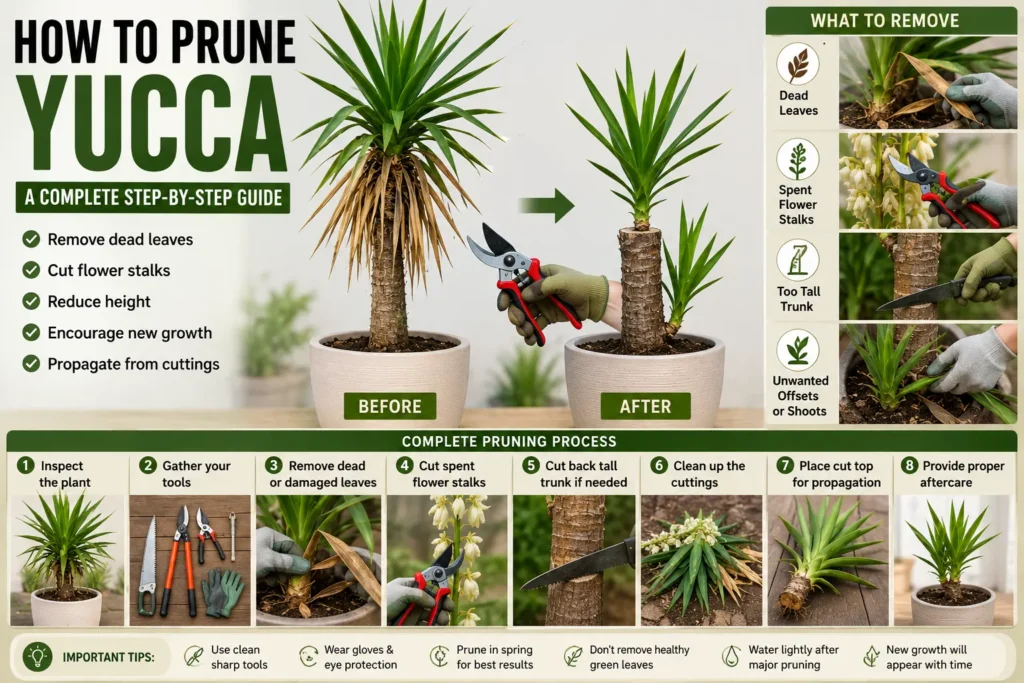
In desert styles, “silhouetting” is very effective. Place lights behind architectural plants like Yucca or Cacti so their unique shapes stand out against a wall at night. Path lights should be low to the ground to avoid light pollution in open, desert environments.
What are the benefits of using boulders in a landscape?
Boulders add immediate height, weight, and “age” to a new yard. They act as natural sculptures and are perfect for anchoring a planting bed. They are also zero-maintenance and look better as they weather over time.
How can I attract pollinators if I have a very modern, clean yard?
You can use “Pollinator Pots” or containers. Even in a very modern yard with lots of concrete, placing sleek planters filled with Lavender or Salvia will attract bees and butterflies without making the rest of the yard look messy or wild.
What is the most durable wood for outdoor decks and fences?
Ipe and Cedar are two of the most popular choices. Ipe is a very hard, tropical wood that lasts for decades and resists rot. Cedar is naturally resistant to insects and has a beautiful scent, though it requires staining every few years to keep its color.
Can landscaping help reduce my home’s cooling costs?
Yes, by planting deciduous trees on the south and west sides of your home. These trees provide shade in the summer, lowering the temperature inside. In the winter, they drop their leaves, allowing the sun to shine through and warm your house.
What are “cues to care” in an informal landscape?
These are small, neat elements that show a wild-looking yard is being intentional. Examples include a neatly mown edge around a wildflower meadow or a clean stone path through a dense woodland garden. It tells neighbors the yard is a design, not just overgrown.
How do I prevent weeds in a gravel-heavy xeriscape?
The best way is to use a high-quality landscape fabric underneath the gravel. This blocks weed seeds from reaching the soil. Additionally, using a thick layer of gravel (at least 3 inches) prevents light from reaching any seeds that blow in from the top.
What is a Zen garden and how is it maintained?
A Zen garden, or Japanese dry garden, uses sand or fine gravel to represent water and rocks to represent mountains. Maintenance involves “raking” the sand into ripples or circles to promote meditation. It is a very low-water style that focuses on simplicity and peace.