Skip to content
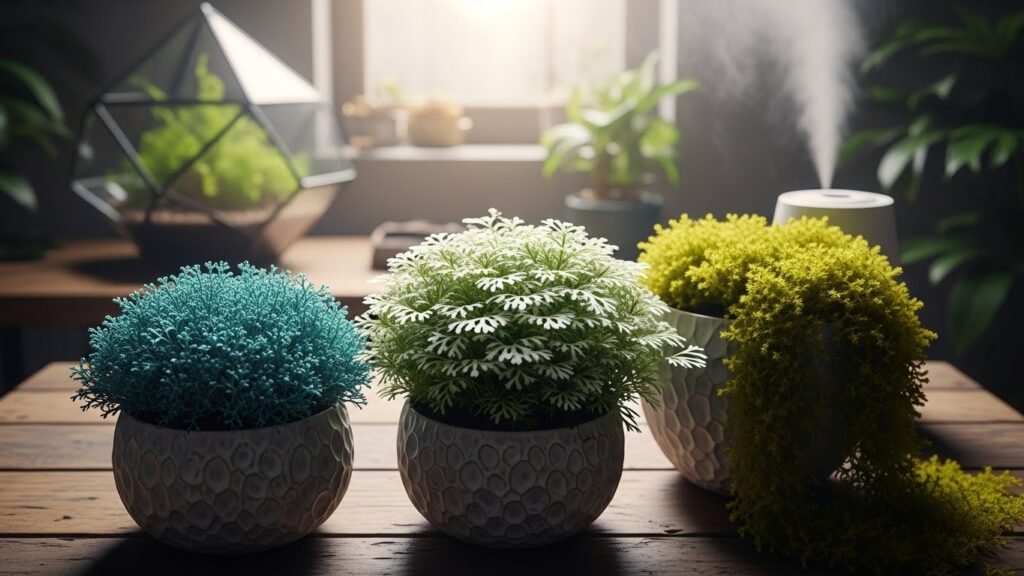
Growing a selaginella is like owning a piece of prehistoric history. These plants are super cool because they look like underwater coral reefs but live on land. They are not actually moss or ferns, even though people call them that. You will love how they creep and climb around your home.
Introduction to Selaginella
A selaginella is a special type of plant called a lycophyte. This means it is a very old type of vascular plant. They have been on Earth way longer than most flowers. Scientists consider them living fossils from millions of years ago.
Many people call them the coral of the land. This is because their tiny leaves grow in wild, branching patterns. They love to stay in the shade where it is nice and cool. These plants can grow as ground cover or trail down from a pot.
Definition and Origins
The selaginella family is huge and has over seven hundred species. They belong to one of the oldest lineages of plants on the planet. These plants do not make seeds or flowers to reproduce. Instead, they use tiny spores just like ferns do.
Growth Habits and Nature
These plants have many different ways of growing in the wild. Some types like to creep along the damp forest floor. Others prefer to climb up trees or trail over rocks. They are great for filling in empty spots in a terrarium.
- Creeping types spread out flat to cover the ground.
- Climbing types use their stems to reach for higher spots.
- Trailing types look amazing when they hang over the edge of a container.
Popular Selaginella Varieties and Their Unique Traits

There are so many cool types of selaginella you can collect. Each one has a different look and vibe for your space. Some are bright green while others look like they are glowing blue. You can find one that fits any small container or large glass jar.
Selaginella apoda (Meadow Spikemoss)
The meadow spikemoss is a classic choice for beginners. It grows in soft, light green mounds that feel like a cushion. This plant stays pretty low to the ground as it grows. It looks great in a fairy garden or a small pot.
Selaginella kraussiana (Trailing Spikemoss)
This variety is famous for how fast it can spread out. It comes in different colors like golden or variegated with white tips. It loves to trail over the sides of a hanging basket. This plant is very easy to find at most garden shops.
Selaginella lepidophylla (The Resurrection Plant)
The resurrection plant is one of the weirdest plants in the world. It lives in dry deserts and can turn into a brown ball. When you give it water, it wakes up and turns green. It is a great plant to show off to your friends.
Selaginella uncinata (Peacock Moss)
If you want a plant that glows, get the peacock moss. It has an iridescent blue color that looks like a peacock feather. This color shows up best when the plant is in deep shade. It is a showstopper in any plant collection.
Selaginella martensii (Frosty Fern)
The frosty fern is not actually a fern at all. It gets its name from the white tips on its green branches. It grows more upright than the creeping types of selaginella. This plant looks like it is covered in tiny bits of snow.
Ideal Lighting Environments
Getting the light right is a big deal for your selaginella. They do not like the sun like a cactus does. If you put them in a sunny window, they will probably die. They prefer the cozy shadows of a dim room.
Indirect Light Mastery
These plants are experts at living in moderate to deep shade. You should keep them in spots where the light is soft. Bright indirect light is okay and can help them grow faster. It also keeps their colors looking very vivid and healthy.
Sunlight Hazards to Avoid
Direct sun is the biggest enemy of the delicate selaginella leaves. The hot rays will scorch the foliage and turn it brown. Once the leaves are burned, they will not turn green again. Keep them away from any windows that get hot afternoon sun.
- Leaf scorch happens when the sun hits the plant directly.
- Fading colors can be a sign the light is a bit too bright.
- Crispy edges mean the plant is getting too much heat and light.
The Critical Role of Humidity

Humidity is the most important thing to remember for your selaginella. These plants breathe through their leaves and need wet air. If your house is dry, the plant will struggle to survive. You have to make sure the air feels moist around them.
Defining Humidity Requirements
A selaginella needs at least 60% humidity just to stay alive. If the air is drier than that, it will start to wither. They really thrive when the humidity is 75% or even higher. High humidity is the secret to a lush and happy plant.
Advanced Humidity Management
Using a humidifier is the best way to keep your plant happy. Put the humidifier about one meter away from the plant. You can also use a pebble tray with water under the pot. This creates a little cloud of moisture right around the leaves.
- Humidifiers provide a constant stream of moist air for the plant.
- Pebble trays use evaporating water to boost the local humidity levels.
- Terrariums are perfect because they trap all the moisture inside the glass.
- Misting helps but you have to do it very often to work.
Watering Strategies for Success

You have to be careful when you water your selaginella plant. They love water but they do not want to drown. The goal is to keep the soil feeling like a damp sponge. Never let the soil get bone dry or very soggy.
Hydration Frequency and Technique
Check your plant every few days to see if it needs water. The soil should always stay moist during the growing season. You can water from the top or set it in a tray. Just make sure the extra water can drain out of the pot.
Water Temperature and Quality
Always use room-temperature water when you hydrate your selaginella. Cold water from the tap can shock the sensitive roots. It is also a good idea to use filtered or rainwater. This avoids harsh chemicals that might be in city tap water.
The Weight Test Method
A cool trick is to lift the pot to see how heavy it is. A heavy pot means there is still plenty of water inside. If the pot feels very light, your plant is probably thirsty. This is an easy way to check without getting your fingers dirty.
Soil and Substrate Composition
The right dirt makes a huge difference for a selaginella. They need a mix that holds onto water but lets air in. If the soil is too heavy, the roots might rot away. A good houseplant compost is a great place to start.
Choosing the Right Mix
You want a soil that stays moist for a long time. Look for mixes that contain things like peat moss or coco coir. These ingredients act like a sponge for the plant roots. Make sure the soil is high quality and fresh.
Essential Soil Additives
Adding extra things to the soil can help your plant grow better. Perlite is great because it creates little pockets of air. Vermiculite is awesome for keeping the soil damp for longer periods. You can mix these in yourself to make the perfect blend.
- Perlite helps the water drain so the roots do not rot.
- Vermiculite keeps the moisture locked in the soil for the plant.
- Leca pebbles can be used at the bottom for better drainage.
Fertilization and Nutrition
Your selaginella does not need a lot of food to grow. They are small plants and can be sensitive to strong chemicals. It is best to feed them only when they are growing fast. This usually happens during the warm spring and summer months.
Feeding Methods
You can use a liquid fertilizer mixed with your watering can. Make sure you dilute the fertilizer so it is not too strong. Another cool way to feed them is through their leaves. This is called foliar feeding and works really well.
Foliar Feeding Techniques
Put a tiny drop of houseplant feed into your misting bottle. Spray this mist directly onto the green parts of the plant. The leaves will soak up the nutrients right away for a boost. This helps keep the foliage looking healthy and very bright.
Essential Maintenance and Grooming

Even though they are small, these plants need a little grooming. This keeps them looking neat and prevents any pest problems. It only takes a few minutes every few weeks to do. Your selaginella will thank you by growing even more lush.
Pruning for Health
If the plant gets too long or wild, you can trim it. Trimming in the summer helps air move through the branches. This prevents bugs from hiding in the dense parts of the plant. You can even cut it back hard to start fresh growth.
Repotting Procedures
You should only repot your selaginella when it fills the whole pot. Choose a new pot that is just a little bit bigger. Be very gentle with the roots because they are quite thin. Use fresh soil to give the plant new energy to grow.
Propagation: Expanding Your Collection

You can easily make new selaginella plants from the one you have. This is a fun way to get more plants for free. You can share them with friends or fill up more terrariums. There are two main ways to do this at home.
Division Method
Division means splitting one big plant into two or three smaller ones. Water the plant well the day before you plan to do this. Gently pull the root ball apart into separate sections with stems. Plant each new section into its own little pot of soil.
Stem Tip Cuttings
You can also grow a new plant from just a small piece. Cut a healthy stem that is about four or five inches long. Take off the bottom leaves and stick it in damp soil. Keep it in a very humid spot until it grows roots.
- Take cuttings from the healthiest parts of the parent plant.
- Remove lower leaves so the stem can focus on making roots.
- Use a propagator or a clear bag to keep the humidity high.
Pest Management and Disease Prevention
Bugs can sometimes be a problem for your selaginella plants. You should check the leaves often to make sure they are clean. If you find bugs, you need to act fast to save the plant. Healthy plants are much better at fighting off these pests.
Common Pests to Monitor
There are a few specific bugs that love to eat these plants. Aphids and mealybugs are the most common ones you might see. Red spider mites can show up if the air gets too dry. Look closely in the tight spaces where the leaves branch out.
- Aphids are tiny green or black bugs that suck the sap.
- Mealybugs look like small bits of white cotton on the stems.
- Spider mites make tiny webs and thrive in dry environments.
- Thrips are very small insects that can leave silver streaks.
Disease Prevention
The best way to stop diseases is to keep the air moving. If the air is stagnant and wet, mold can start to grow. Do not let water sit on the leaves for too long. Make sure your pot has holes so the roots do not rot.
Troubleshooting Common Issues

Sometimes your selaginella might look a little bit sad or sick. Do not worry because most problems are easy to fix quickly. You just have to figure out what the plant is trying to tell you. Usually, it has to do with water or humidity.
- Brown leaves usually mean the air is too dry for the plant.
- Mushy stems are a sign that you are watering the plant too much.
- Slow growth might mean the plant needs a little bit more light.
- Curling leaves happen when the plant is thirsty or too hot.
Comparison of Care Factors
| Care Factor | Ideal Setting | Warning Signs |
| Light | Indirect Shade | Scorched Brown Leaves |
| Humidity | Above 75% | Crispy Leaf Edges |
| Watering | Consistently Moist | Wilting or Yellowing |
| Temperature | Room Temp (No Cold Water) | Sudden Leaf Drop |
Finding the Perfect Selaginella for Your Space
For Beginners with Average Light
If you are new to these plants, Selaginella kraussiana (Trailing Spikemoss) is the best place to start. It is very forgiving compared to its cousins. It grows quickly and lets you know right away if it needs water by looking a bit flat. Once you water it, it perks back up. It is great for a bookshelf or a desk that stays out of the sun.
For Low-Light Corners
If you have a room that feels a bit dark or a north-facing window, go with Selaginella uncinata (Peacock Moss). This plant actually looks better in the dark. In deep shade, its leaves develop a stunning metallic blue shimmer. If you give it too much light, that blue color will disappear, so it is perfect for those “problem” dark spots in your home.
For Busy People or Travelers
If you often forget to water or travel for work, the Selaginella lepidophylla (Resurrection Plant) is your best friend. Unlike every other plant on this list, it is okay if this one dries out completely. It will just curl up into a brown ball and wait for you to come home. When you are ready, put it in a bowl of water, and it will turn green and “come back to life” in a matter of hours.
For Terrariums and Glass Jars
If you love keeping plants under glass, Selaginella apoda (Meadow Spikemoss) is a fantastic choice. It stays very low and grows in tight, bright green cushions. Because it loves 100% humidity, it thrives in the trapped air of a closed jar. It won’t outgrow its home too quickly, making it easy to manage in small spaces.
For a Touch of “Winter” Year-Round
If you want something that looks unique on a coffee table, try Selaginella martensii (Frosty Fern). It grows more upright like a tiny tree. The tips of the branches stay white, giving it a “frosted” look even in the middle of summer. It adds a great pop of contrast if you have a lot of other plain green plants.
Summary of Environment Matches
- Bright but Indirect Light: Trailing Spikemoss or Frosty Fern.
- Deep Shade: Peacock Moss.
- High Heat/Low Water: Resurrection Plant.
- Small Glass Containers: Meadow Spikemoss.
- Hanging Baskets: Golden Trailing Spikemoss.
Final Tip for Success
No matter which variety you choose, remember that the “Golden Rule” for almost all Selaginella is to avoid the “Three Ds”: Drought, Direct sun, and Drafts. If you can keep them damp, shaded, and away from the heater, your prehistoric plant will be happy for years to come.
Conclusion: Creating a Selaginella Oasis
Taking care of a selaginella is a rewarding and fun hobby. These plants bring a touch of the ancient world into your home. As long as you keep them wet and shady, they will thrive. You will love watching their coral-like leaves grow and spread out.
Start with one small plant and see how it likes your space. Once you master the humidity, you can collect all the different colors. They are truly some of the most unique plants you can own. Enjoy the green oasis you create with your new spikemoss collection.
Frequently Asked Questions
Can Selaginella be grown in a terrarium with carnivorous plants?
It is possible but requires careful selection. Selaginella thrives in the high humidity that carnivorous plants love, but most carnivorous plants require very nutrient-poor, acidic soil and intense light. To make this work, you should use a variety like Selaginella apoda and place it in the shaded corners of the terrarium where the carnivorous plants’ grow lights are less intense.
Is it possible to grow Selaginella in a bathroom?
Yes, a bathroom is often the best room in a house for this plant. The steam from showers provides the high ambient humidity that Selaginella craves. However, you must ensure the bathroom has a window with indirect light or a dedicated grow light, as they cannot grow in total darkness.
How do I recognize the difference between a fern and a Selaginella?
While they look similar, you can identify a Selaginella by its stems. Unlike ferns, which grow fronds from a central clump or rhizome, Selaginella has branched stems covered in tiny, scale-like leaves. Additionally, Selaginella often produces “rhizophores,” which look like thin, leafless “legs” that grow downward from the stems to reach the soil.
Does Selaginella produce flowers or seeds?
No, Selaginella is a primitive plant that does not produce flowers, fruits, or seeds. They reproduce via spores, which are housed in small, cone-like structures called strobili at the tips of their branches. This makes them more closely related to clubmosses than to modern flowering plants.
Can I use tap water if I let it sit out overnight?
Letting tap water sit out helps dissipate chlorine, but it does not remove minerals like fluoride or salts. Selaginella is very sensitive to mineral buildup. If your tap water is “hard,” it is better to use distilled water, demineralized water, or freshly collected rainwater to avoid browning the tips of the leaves.
Why is my Peacock Moss losing its blue color?
The iridescent blue of Selaginella uncinata is a structural color designed to capture light in extremely low-light conditions. If the plant is moved to a spot that is too bright, it will lose the blue shimmer and turn a standard green. To bring the blue back, move it to a darker, more shaded location.
Can Selaginella survive a frost?
Most tropical varieties, like Selaginella kraussiana, will die if exposed to freezing temperatures. However, there are some hardy species like Selaginella involucrens that can survive cooler temperatures. Generally, keep your indoor varieties above 50°F (10°C) to ensure they remain healthy.
How do I get rid of fungus gnats in my Selaginella?
Since Selaginella requires constantly moist soil, it is a magnet for fungus gnats. To control them without drying out the plant, use “Mosquito Bits” (BTI) in your watering can or place yellow sticky traps near the pot. Avoid letting the soil become stagnant by ensuring your potting mix has enough perlite for aeration.
Is Selaginella a good choice for a bioactive reptile enclosure?
Yes, it is highly popular in the reptile hobby. It provides excellent ground cover for small amphibians like dart frogs or geckos that require high humidity. Because it is non-toxic, it is safe for animals, though heavy-bodied reptiles might accidentally crush the delicate stems.
What should I do if my Resurrection Plant stays brown after watering?
If a Selaginella lepidophylla is kept dry for too many years, it may eventually die. If you soak it for 24 hours and it doesn’t open or show hints of green in the center, it may have passed its limit. Ensure you are using tepid water and that the plant is not sitting in a bowl of water for more than a few days, as it can rot.
Can I grow Selaginella in an unglazed terracotta pot?
This is generally not recommended. Terracotta is porous and wicks moisture away from the soil, causing it to dry out much faster. Since Selaginella needs constant moisture, a plastic, glazed ceramic, or glass container is a much better choice to help maintain soil hydration.
Why are the stems of my plant turning white and translucent?
Translucent or “mushy” white stems are usually a sign of a fungal infection or extreme overwatering leading to cellular collapse. This often happens when there is zero airflow. Increase the ventilation around the plant and ensure the pot is not sitting in a saucer of stagnant water.
Do I need to use a specialized “spore-starting” soil for propagation?
While not strictly necessary, using a sterile, fine-textured medium like chopped sphagnum moss or a peat-vermiculite mix increases success. Standard potting soil may contain fungi or bacteria that can overwhelm the delicate developing spores before they can grow.
How do I tell if my plant is dormant or dying?
Tropical Selaginella does not have a true dormancy like outdoor trees. If it stops growing and turns brown or grey, it is likely suffering from low humidity or underwatering. The only exception is the Resurrection Plant, which intentionally curls up and turns brown when dry.
Can I use “leaf shine” products on Selaginella?
No, never use leaf shine or oils on Selaginella. Their leaves are incredibly small and delicate; these products will clog the pores (stomata) and likely kill the foliage. If the plant is dusty, a very gentle rinse with room-temperature water is all it needs.
Is it normal for the bottom of the plant to look brown?
In very dense varieties, the old growth at the base of the plant may turn brown because it is no longer receiving light or airflow. You can gently trim this away. However, if the browning is spreading upward, it is likely a humidity or watering issue.
Can Selaginella grow in 100% Sphagnum moss?
Yes, many growers find great success growing Selaginella in pure, long-fiber sphagnum moss, especially in terrariums. The moss holds a vast amount of water while still allowing some air to reach the roots, which mimics the natural mossy banks where they grow in the wild.
How often should I clean my terrarium glass for the plant’s health?
You should clean the glass whenever algae or mineral deposits build up. Dirty glass blocks the low levels of light the plant needs to photosynthesize. Use a soft cloth with water or a very weak vinegar solution, but ensure no vinegar drips onto the plant.
Why is my plant growing long, thin, leafless “hairs” into the air?
Those are likely rhizophores. In the wild, these reach out to find new soil to anchor the plant as it creeps along. It is a sign that the plant is healthy and trying to expand. You can gently guide them toward the soil so they can take root.
Can I use aquarium fertilizer for my Selaginella?
If you are growing Selaginella in a “riparium” or near an aquarium, you can use highly diluted aquarium fertilizer. These are often free of the heavy urea found in standard fertilizers, making them gentler on the delicate root systems of lycophytes.