 Skip to content
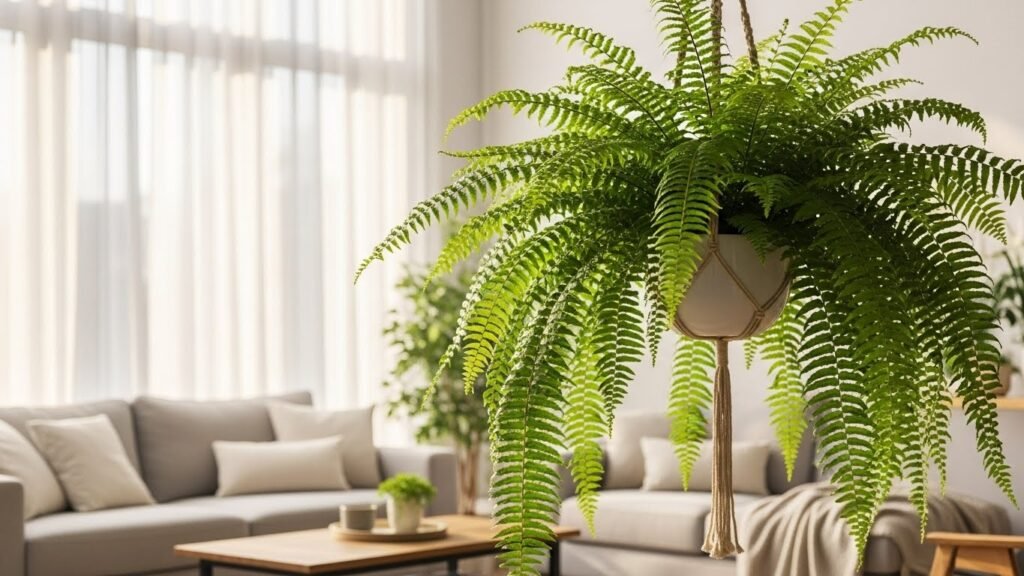
Houseplants are like roommates that never talk back. Among the best of them is the Nephrolepis family. These lush greens are known to many as Boston Ferns or Sword Ferns. They bring a vibe of a tropical jungle right into your living room. If you want your home to look fresh, you need to master nephrolepis care. This guide will show you how to keep them thriving and happy.
Introduction to the Nephrolepis Genus
The Nephrolepis genus is a group of stunning ferns that love warm weather. They are part of the Lomariopsidaceae family. People love them because they stay green all year round. These plants grow long fronds that can hang down beautifully. They are great for adding texture to any indoor space.
- Botanical Overview: These are vascular perennials that grow without flowers. They use spores and runners to spread out. The name comes from Greek words meaning “kidney scale”. This refers to the shape of the protective layer on their spores.
- The History of the Boston Fern: The Boston Fern is actually a mutant variant of the wild sword fern. It was discovered in 1894 in a shipment of plants to Boston. It quickly became a superstar during the Victorian era. Everyone wanted these elegant ferns in their parlors.
- Natural Habitat: In the wild, they grow in tropical and subtropical swampy areas. They often grow as epiphytic plants on other trees. They love the humidity found in forests and wetlands. Understanding this helps you mimic their home indoors.
- Why Grow Nephrolepis: They are famous for their ability to clean the air. NASA found they are great at removing indoor toxins like formaldehyde. Plus, they are non-toxic and totally pet-safe for cats and dogs. They make any room feel like an urban jungle.
Diverse Varieties of Nephrolepis

Not all ferns in this family look exactly the same. Breeders have created many versions over the years. Each one has its own cool style and personality. You can pick the one that fits your decor best.
Popular Cultivars
- Nephrolepis exaltata ‘Bostoniensis’: This is the classic Boston Fern everyone knows. It has long, arching fronds with tiny leaflets. It looks amazing in a hanging basket.
- Nephrolepis exaltata ‘Tiger Fern’: This one is a real show-stopper. Its leaves have gold and green stripes on them. It adds a pop of color to your plant collection.
- Nephrolepis exaltata ‘Rita’s Gold’: This cultivar has bright chartreuse foliage. It glows almost yellow in the right light. It is perfect for brightening up a dark corner.
- Nephrolepis cordifolia (Lemon Button Fern): This is a smaller, cuter version of the fern. The leaflets are round and look like little buttons. It smells a bit like lemon when you crush the leaves.
Ideal Light Requirements for Vibrant Fronds

Getting the light right is the first step in nephrolepis care. These plants are a bit picky about their sun. They want light, but they don’t want to bake.
- Optimal Placement: They love bright indirect light or dappled sunlight. A spot near a north-facing window is usually perfect. You can also put them in a semi-shade area. Just make sure they can see the sky but not the sun.
- The Danger of Direct Sun: Direct sunlight is the enemy of the sword fern. It will cause scorched leaves and ugly brown spots. The delicate pinnae cannot handle the heat of the afternoon sun.
- Signs of Light Stress: If the light is too low, the plant gets leggy. You will see yellowing or chlorosis on the fronds. The plant might stop growing and look very sad.
- The Role of Artificial Lighting: If your place is dark, you can use grow lights. LED lights work well to mimic the sun without the heat. Keep the lights on for about 12 hours a day.
- Seasonal Adjustments: The sun moves throughout the year. You might need to move your plant closer to a window in winter. In summer, pull it back to avoid the harsh heat.
Master the Art of Watering

Watering is where most plant parents mess up. Ferns need a steady supply of moisture to stay green. But you can’t just drown them either.
- Maintaining Consistent Moisture: The goal is to keep the soil moist but not waterlogged. These plants drink a lot through transpiration. Never let the root ball dry out completely.
- The Finger Test: Stick your finger into the topsoil. If the top inch feels dry, it is time for a drink. If it is still wet, wait another day.
- Water Temperature and Quality: Use tepid or lukewarm water for your fern. Cold water can shock the roots and cause leaf drop. Distilled water or rainwater is better than tap water. Tap water often has chlorine and fluoride which can hurt ferns.
- Bottom Watering vs. Top Watering: Top watering is easy but can lead to crown rot. Bottom watering lets the plant soak up what it needs. It ensures the roots at the bottom get plenty of moisture.
- Managing Winter Dormancy: Plants grow slower in the winter months. They don’t need as much water when it is cold. Scale back your watering frequency during this time.
- Identifying Water Issues: Dry brown leaves that fall off usually mean under-watering. Yellow leaves and mushy stems mean root rot from over-watering. Standing water in the tray is a big no-no.
Humidity and Temperature Essentials

Since they come from the tropics, ferns love humid air. Dry air is the fastest way to kill a Boston Fern. You have to keep the air around them moist.
- The High-Humidity Requirement: They thrive when humidity is between 50-80%. If your home is below 30%, the fern will suffer. High humidity keeps the stomata working correctly for gas exchange.
- Best Locations in the Home: The bathroom is usually the best spot. It gets steamy every time you take a shower. The kitchen is also good because of the steam from cooking.
- Advanced Humidity Hacks: You can use a pebble tray filled with water. Set the pot on the pebbles so it stays above the water. A humidifier is also a great investment for fern lovers.
- Daily Maintenance: Misting your plant daily helps a lot. Use a fine spray of water to coat the fronds. This creates a small microclimate of moisture.
- Temperature Stability: Keep your home between 18-24°C. They love warm temperatures but not extreme heat. Sudden drops in temperature will stress the plant.
- Environmental Hazards: Keep them away from radiators and heating vents. These dry out the air way too fast. Also, avoid cold drafts from doors or air conditioning.
Soil Composition and Potting Strategy
The ground beneath your fern matters a lot. It needs to hold water but let the extra flow out. This is key for successful nephrolepis care.
- Choosing the Right Substrate: Use a nutrient-rich soil that is very porous. A peat-based or peat-free potting mix works well. It should feel light and fluffy in your hands.
- The pH Factor: These ferns like their soil a bit on the acidic side. Aim for a pH level between 5.0 and 5.5. This helps them absorb nutrients more effectively.
- DIY Fern Mixes: You can make your own mix at home. Mix regular compost with some sand and gravel. Add perlite or pine bark to help with aeration. This prevents the soil from getting too packed down.
- Drainage Solutions: Make sure your pot has plenty of drainage holes. If water can’t get out, the roots will rot. You can put some stones at the bottom to help water flow.
Repotting and Growth Management
Nephrolepis are relatively slow growers but they do get big. Eventually, they will outgrow their first home. You need to give them space to stretch their roots.
- When to Repot: Check if the roots are growing out of the bottom holes. If the plant is root-bound, it will stop growing. You might also notice the soil drying out way too fast.
- Repotting Frequency: Most ferns need a new pot every one or two years. The best time to do this is during the spring. This gives them the whole summer to settle in.
- Choosing the Right Container: Plastic pots are great because they keep moisture in. Terra cotta looks nice but it dries out very quickly. Always pick a pot that is just one size bigger than the old one.
- Step-by-Step Repotting: Gently pull the plant out of its old pot. Loosen the root ball a little bit with your hands. Place it in the new pot and fill the sides with fresh soil. Give it a good drink of water right away.
Fertilizing for Lush Greenery
Ferns need food to keep those fronds bright green. But they don’t need a huge amount of it. You have to be careful not to overfeed them.
- Growing Season Nutrition: Only fertilize during the spring and summer. This is when the plant is actively growing. Most people do this every 4 to 6 weeks.
- The Best Fertilizer Ratios: Look for a balanced liquid fertilizer. An N-P-K ratio like 20-20-20 works just fine. Always dilute it to half-strength to be safe.
- Organic Alternatives: You can use fish emulsion if you want to go organic. Seaweed extract is also a great choice for ferns. These are gentler on the delicate root system.
- Avoiding Nutrient Burn: Too much fertilizer will cause brown tips on the leaves. It can also build up salts in the soil. Always water your plant before you add fertilizer.
Pruning and Aesthetic Maintenance
A little grooming goes a long way with these plants. It keeps them looking fresh and healthy. It also prevents pests from hiding in dead leaves.
- Daily Cleaning: Dust can settle on the tiny leaflets over time. This blocks the sun and hurts photosynthesis. Use a soft duster or a gentle misting to keep them clean.
- General Grooming: If you see dead growth, cut it off. Use clean shears to snip yellow or brown fronds at the base. This makes the plant put its energy into new growth.
- Shaping the Plant: You can trim the edges if the fern gets too wide. This helps it keep a nice, round shape. Don’t be afraid to give it a haircut every now and then.
- Encouraging New Growth: Removing leggy stems helps the plant look fuller. It encourages the rhizomes to send up new fronds. This keeps the center of the plant from looking bald.
Propagation: Growing New Ferns

If you love your fern, why not make more of them?. It is a fun way to grow your indoor garden for free. Spring is the best time for this job.
- The Best Time for Propagation: Wait until you are repotting in the spring. The plant is already out of the pot, so it is easier. The warm weather helps the new babies grow fast.
- Propagation by Runners (Stolons): Ferns send out long, hairy runners. You can pin these down into a small pot of soil. Once they grow roots, you can snip them from the mother plant.
- Propagation by Division: This is the most common way to get new plants. You literally cut the root ball into two or three pieces. Each piece should have some leaves and plenty of roots.
- The Challenge of Spores: Growing from spores is like growing from seeds but harder. It takes a long time and requires a lot of patience. Most home gardeners stick to division instead.
- Aftercare for New Pups: Put your new baby plants in a warm, humid spot. Keep their soil moist but not wet. They will need a few weeks to settle their roots.
Troubleshooting Pests and Common Problems

Even with great nephrolepis care, things can go wrong. You need to be a bit of a detective. Catching problems early is the key to saving your plant.
- Common Pests: Watch out for spider mites and mealybugs. Scale insects can also hide on the stems. You can use neem oil or insecticidal soap to get rid of them.
- Diseases: Root rot is the biggest disease threat. It happens when the soil stays too wet for too long. Aerial blight can also happen if there is no air movement.
- The Mystery of “Leaf Drop”: If your fern is shedding leaves like crazy, check the humidity. It is usually a sign that the air is too dry. It could also be a reaction to a sudden change in temperature.
- Reviving a Stressed Plant: If the plant looks like it is dying, don’t give up. Cut off all the dead parts and move it to a humid spot. Give it a good soak and see if new green shoots appear.
- Consistency is Key: Ferns hate drama. They like the same light, the same water, and the same heat every day. Try not to move them around too much.
Styling and Interior Design with Nephrolepis
These plants are more than just greens; they are decor. They fit into almost any style of home. From modern to vintage, they always look good.
- Hanging Baskets: This is the classic way to show off a Boston Fern. The fronds spill over the sides like a green fountain. It is perfect for saving floor space in small rooms.
- Pedestal Displays: Putting a fern on a tall stand looks very elegant. It gives the fronds room to grow all the way around. This creates a perfectly symmetrical plant.
- Outdoor Use: You can put your ferns outside in the summer. Keep them on a shaded porch or patio. They will love the fresh air and humidity. Just bring them back inside before the first frost.
- Pet Safety: You don’t have to worry about your furry friends. Boston Ferns are non-toxic to cats and dogs. It is a safe choice for a happy pet home.
Frequently Asked Questions About Nephrolepis Care
Is Nephrolepis safe for curious cats and dogs?
Yes, one of the best things about these ferns is that they are completely non-toxic. Unlike many other tropical plants, you do not have to worry if your pet takes a nibble. It is a perfect choice for a animal friendly household.
Can I use leaf shine products on my fern?
You should avoid using commercial leaf shine on these plants. The chemicals can clog the tiny pores on the leaflets and interfere with breathing. A gentle spray of water is all you need to keep them looking glossy.
Why does my fern look thin in the middle?
This usually happens when the plant is not getting enough light from above. If it is hanging high up, the top might stay dark while the sides get light. Try lowering the plant or placing it where light can reach the crown.
Can I grow a Boston Fern in a windowless office?
It will not survive long without some form of light. If you have no windows, you must use a dedicated grow light for at least ten hours a day. Regular office fluorescent lights are usually too weak for long term health.
What should I do if I find mushrooms growing in the soil?
Do not panic because this usually just means your soil is very rich in organic matter. However, it can also be a sign that the soil is staying too wet for too long. Remove the mushrooms and check your watering frequency.
How do I tell the difference between spores and pests?
Many people mistake the rows of brown dots on the underside of leaves for bugs. If the dots are in a perfect, organized pattern, they are just spores used for reproduction. Pests will usually look irregular and messy.
Can I move my fern outside for the summer?
Yes, they love the fresh air and natural humidity of the outdoors. Make sure to keep them in a fully shaded spot like a porch. Bring them back inside once the nighttime temperatures drop below fifty degrees.
Why is my fern growing long hairy strings with no leaves?
These are called stolons or runners. In the wild, the plant uses these to find new places to grow. You can leave them alone or pin them into a new pot of soil to grow a baby plant.
Is it okay to use softened water for my fern?
You should avoid using softened water because it contains high levels of salt. Over time, these salts build up in the soil and can kill the roots. Stick to filtered water or rainwater whenever possible.
How do I revive a fern that has completely dried out?
If the plant is totally brown, cut all the fronds off right down to the soil. Keep the soil moist and place the pot in a high humidity area. Often, the underground rhizomes are still alive and will send up new green shoots.
Can I use a self watering pot for Nephrolepis?
Self watering pots can work well if they are high quality. They help maintain the constant moisture these ferns crave. Just make sure the soil does not become an anaerobic swamp at the bottom.
Why are the new fronds coming in pale or white?
This is often a sign of a nutrient deficiency, specifically iron or magnesium. It could also mean the plant is getting too much light. Try moving it further from the window and using a balanced fertilizer.
Should I worry about the roots growing on top of the soil?
No, it is very common for these ferns to have some surface roots. In their natural habitat, they often grow on trees with roots exposed to the air. As long as the plant looks healthy, you do not need to cover them.
Can I grow this fern in a bathroom with no windows
Even a bathroom needs a little bit of light for the plant to stay alive. If there is absolutely no natural light, the fern will eventually starve. Consider a small LED light strip to provide the necessary energy.
What is the average lifespan of an indoor Boston Fern?
If you provide excellent care, these plants can live for over ten years. Some dedicated gardeners have kept the same fern alive for decades by repotting and dividing it regularly.
Do I need to mist my fern at night?
It is better to mist in the morning or during the day. Misting at night can leave the foliage wet when temperatures drop, which might encourage fungal growth. Daytime misting helps fight the dry air caused by the sun or heaters.
Can I use coffee grounds to fertilize my fern?
Coffee grounds are very acidic and should be used sparingly. While ferns like acidic soil, too much can be harmful. It is safer to use a dedicated liquid fertilizer that is properly balanced.
Why is my fern dropping green leaves that are not brown?
Dropping healthy looking green leaves is usually a sign of environmental shock. This happens if you move the plant to a new room or if there is a sudden draft. Give it a few weeks to acclimate to its new spot.
Are there any specific pots that help with humidity?
Using a double pot system can help. Place the growing pot inside a larger decorative pot and fill the gap with damp sphagnum moss. This creates a constant bubble of humidity around the leaves.
Can I grow Nephrolepis from cuttings in water?
No, these ferns do not grow from stem cuttings like a pothos or philodendron. You must use division of the root ball or runners to create new plants. They need a piece of the root system to survive.

Thank you for your support and suggestions.
Thank you for your support. Yes I can offer you guest writes but the topics should be niche specific and don’t have the spam links.