Skip to content
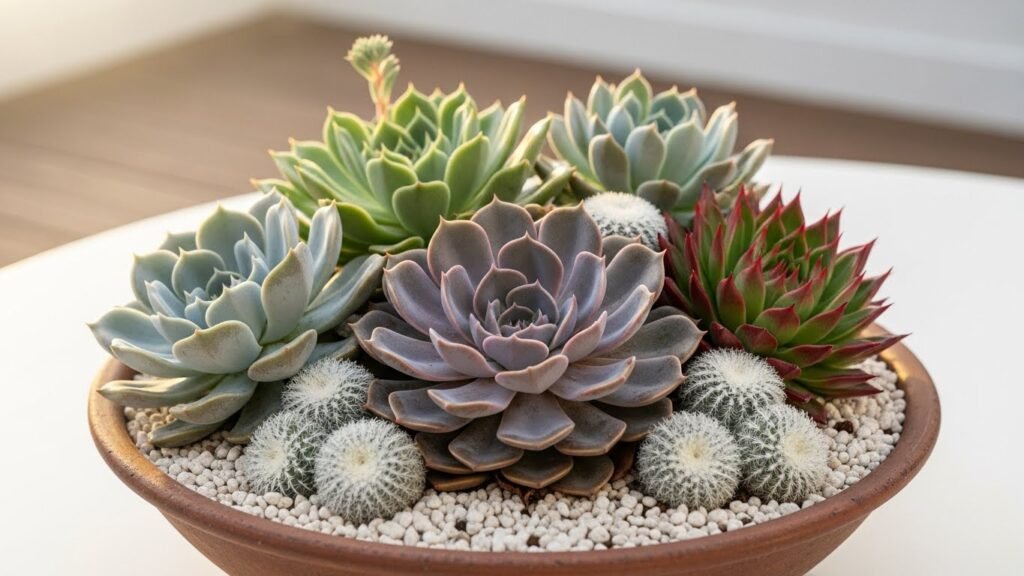
Keeping plants alive can be a real struggle sometimes. But echeveria succulent care is actually pretty chill once you know the vibe. These plants are like the supermodels of the desert world. They look amazing and do not need much from you. Most of them come from Mexico and Central America. They love dry air and plenty of sunshine. If you want a plant that looks like a rose but is tough as nails, this is it.
Introduction to Echeveria
These plants are famous for their rosette shape. They grow in a circle that looks like a flower blooming forever. The foliage can be thick, juicy, and full of water. This makes them very drought tolerant. You will find them in colors like white, blue, purple, and red.
Defining the Species
Echeveria is a large genus of flowering plants in the stonecrop family. They are perennials, which means they live for a long time. People love them because they stay small and cute. Most species rarely grow taller than one foot. They are the perfect size for a desk or a windowsill.
Origin and Native Habitat
These beauties started out in the rocky parts of Mexico. They also grow wild in Central America and Northwestern South America. In the wild, they live in desert-like conditions. They are used to rocky soil and very little rain. This is why they hate being sitting in wet mud.
Growth Characteristics
Echeveria is a slow-growing succulent. It takes its time to get big and beautiful. The leaves grow out from a central stem in a tight spiral. This leaf arrangement is what creates that iconic rosette look. As the plant grows, it might drop its bottom leaves naturally.
The Farina Layer
If you see a white powdery substance on the leaves, do not wipe it off. That is called farina. It acts like a natural sunscreen for the plant. It also helps water slide off the leaves to prevent rot. If you touch it, your fingerprints will stay there forever. It is best to handle these plants by the stem or the base.
Varieties and Aesthetics
There are so many different kinds of echeveria to choose from. Some have smooth leaves, while others have frilly or fuzzy edges.
- Jewel-toned colors make them look like living gems in your garden.
- Silvery leaves help reflect the hot sun in the desert.
- Bell-shaped flowers often pop up on long stalks during the summer.
- Compact habits make them great for small pots and indoor spaces.
Essential Growing Conditions
To master echeveria succulent care, you have to mimic the desert. These plants do not like surprises. They want consistency in their light and temperature. If you give them what they want, they will show off with bright colors.
Lighting Requirements
Light is the most important thing for these plants. They are total sun worshippers. If they do not get enough light, they start to look sad and stretched out.
Indoor Sunlight Needs
Inside your house, these plants need at least 6 hours of sun daily. A bright window is the best spot for them. If your house is dark, they will struggle to stay healthy. You should rotate the pot every week so all sides get sun.
Optimal Placement
The best place is a south-facing window. This is where the sun is strongest all day. A porch or a sunny balcony also works great in the summer. Just make sure they are not in a dark corner of the room.
Outdoor Sun Exposure
Echeverias love being outside in the fresh air. They can handle full sun or partial sun. Morning sun is usually the safest for them. It gives them energy without burning them.
Identifying and Preventing Legginess

When a plant does not get enough light, it gets leggy. This is called etiolation. The stem grows tall and skinny as the plant reaches for the light.
- Gaps between leaves are a big sign the plant is unhappy.
- Leaning toward windows shows the plant is searching for more sun.
- Pale colors often happen when the light is too low.
Sunburn Prevention
Even desert plants can get too much sun. If the sun is super hot, the leaves can get burnt. This looks like brown or black spots on the foliage.
- Shade cloths can protect them during the hottest part of the day.
- Afternoon shade is helpful in places where the sun is intense.
- Permanent damage means the burnt spots will never go away.
Using Artificial Grow Lights
If you live in a dark apartment, get a grow light. These lights provide the specific rays the plant needs to grow. Keep the light a few inches above the plant for 12 hours a day. This keeps them tight and colorful even in winter.
Temperature and Climate Control
Echeverias like to be comfortable just like you do. They do not enjoy extreme cold or crazy high humidity.
Ideal Temperature Range
The sweet spot for these plants is around 70 degrees Fahrenheit. They love the same temperatures that humans do. They can usually handle a range from 40 to 90 degrees.
Hardiness and Frost Sensitivity
Most echeverias are soft succulents. This means they are not cold hardy. They cannot handle frost or freezing weather. If the temperature drops below 40 degrees, bring them inside.
Managing Extreme Heat
When it gets hotter than 95 degrees, the plant might get stressed. Heat can cause the roots to rot if the soil is wet. Move them to a cooler, shaded spot on really hot days. This helps them stay hydrated.
Inducing Stress Colors
Stress is not always a bad thing for succulents. Cool temperatures between 40-60 degrees make the colors pop. This is how you get those amazing purple, pink, and red tones. It is a natural reaction to the environment.
Humidity Management
Echeverias hate humid air. High humidity can lead to fungal infections and rot. They prefer a dry room with plenty of air circulation. If your house is very humid, use a small fan near your plants.
Mastering Watering and Soil Science
Watering is where most people mess up echeveria succulent care. It is better to underwater than to overwater. These plants are built to survive droughts.
The Art of Watering
You have to change the way you think about watering. It is not a weekly chore. It is something you do only when the plant asks for it.
The Soak and Dry Method

This is the golden rule for succulents. You soak the soil until water runs out the bottom. Then, you wait until the soil is bone dry before watering again. This mimics the heavy desert rain followed by dry spells.
The Feel Test
Your plant will tell you when it is thirsty. Check the bottom leaves with your fingers.
- Firm and plump leaves mean the plant has plenty of water.
- Soft and wrinkled leaves mean the plant wants a drink.
- Mushy leaves are a bad sign and usually mean too much water.
Watering Tools and Techniques
Avoid getting water in the center of the rosette. If water sits there, the plant can rot from the inside out.
- Squeeze bottles are great for reaching the soil directly.
- Long-neck cans help you pour water under the leaves.
- Direct soil contact ensures the roots get the moisture they need.
Bottom Watering
This is a pro move for echeveria succulent care. Place the pot in a tray of water for about 15 minutes. The soil will suck up the water from the bottom holes. This keeps the leaves dry and the farina perfect.
Seasonal Adjustments
Plants grow at different speeds throughout the year. In the spring and summer, they need more water because they are active. In the winter, they go into dormancy and need very little water.
Water Quality
Some tap water has too many chemicals for sensitive plants. Rainwater is the best choice if you can catch it. Distilled water is also a good option to avoid mineral buildup in the soil.
Soil and Potting Requirements
The right dirt makes all the difference. Regular garden soil is way too heavy for these plants.
The Importance of Drainage
If water stays in the soil, the roots will die. This is why drainage is a non-negotiable requirement. You need soil that lets water pass through quickly.
The Ideal Mix Recipe

You can make your own echeveria soil at home.
- Cacti soil provides a good base for the mix.
- Perlite or pumice adds air pockets for the roots.
- Gritty rocks or sand helps the water drain out fast.
Organic vs. Inorganic Components
Succulents need a balance of different materials. Organic stuff like peat moss holds a little moisture. Inorganic stuff like volcanic rock or clay provides structure. Too much organic material can stay wet for too long.
Container Selection
The pot you choose matters a lot. Terra-cotta pots are the best for beginners. They are porous, so they help the soil dry out faster. Ceramic and plastic pots hold more moisture, so be careful.
The Role of Drainage Holes
Never plant an echeveria in a pot without a hole. It is a death trap for the plant. Without a hole, water pools at the bottom and rots the roots.
Fertilization and Nutrition
Echeverias do not need a lot of food. They are used to living in poor, rocky soil. But a little boost can help them grow bigger and stronger.
Nutrient Requirements
If you use fertilizer, look for one made for cacti. It should be low in nitrogen and high in phosphorus. This encourages strong roots and flowers rather than weak, floppy leaves.
Timing the Feed
Only feed your plant during the growing season. This is usually in the spring and summer. Do not fertilize in the winter when the plant is resting.
Dilution Ratios
Always water down your fertilizer. Use half or even a quarter of the strength the bottle suggests. Too much food can burn the roots and kill the plant.
Organic Options
Worm castings are a great natural fertilizer. You can sprinkle a little on top of the soil. Compost tea is another gentle way to give your plants some nutrients.
Maintenance and Long-Term Care
To keep your plants looking fresh, you need to do some upkeep. This involves more than just watering and light.
Repotting Strategies
Eventually, your echeveria will need a new home. Repotting refreshes the soil and gives the roots more room.
When to Repot
You should repot when the plant is bulging out of its container. If roots are coming out of the drainage hole, it is definitely time. Most people repot every two years.
The Best Season
Spring is the perfect time to repot. The plant is starting to grow and will recover fast. Avoid repotting in the dead of winter.
Step-by-Step Repotting
Be very gentle when moving your plant.
- Remove the plant carefully from its old pot.
- Clean the roots by shaking off the old, tired soil.
- Inspect for health and trim away any dead or slimy roots.
- Use fresh soil in the new container to provide new nutrients.
Managing Blooms
Watching an echeveria bloom is really exciting. They produce exquisite flowers on long stalks.
The Energy Cost of Flowering
Producing flowers takes a lot of energy. Sometimes the main plant might look a bit tired while it is blooming. If your plant is struggling, you can cut the stalk off.
Pest Attraction
Flower stalks are like magnets for bugs. Aphids and mealybugs love the sweet nectar in the flowers. Always check the blooms for tiny unwanted guests.
Pruning Stalks
When the flowers fade, cut the stalk off at the base. Use clean, sharp shears to make a tidy cut. This helps the plant focus its energy back on the rosette.
Seed Harvesting
If you are patient, you can collect seeds from the dried flowers. This is a slow way to grow new plants. Most people prefer other propagation methods.
Dealing with Leggy Plants
If your plant has already stretched out, you can fix it. You do not have to throw it away.
The Beheading Process

You can cut the top of the plant off with a sharp knife. This sounds scary, but it works great. Leave about an inch of stem on the rosette.
Rooting the Head
Let the cut end dry out for a few days until it is callused. Then, stick it into fresh, dry soil. It will grow new roots and become a compact plant again.
Stem Care
Do not throw away the old stem. Keep watering it like normal. New baby echeverias will usually sprout along the bare stem.
Propagation Techniques
One of the coolest things about echeveria succulent care is making new plants. It is almost like magic.
Offsets (Chicks)
Many echeverias grow little babies around the base. These are called offsets or chicks.
- Identification is easy because they look like tiny versions of the mother.
- Removal should be done with a clean, sharp tool.
- Replanting them directly into the soil gives them a fresh start.
Leaf Cuttings

You can grow a whole new plant from just one leaf.
- The removal process involves twisting a leaf off cleanly.
- The callousing phase takes a few days in a dry spot.
- Rooting environment should be bright but not in direct sun.
Stalk Cuttings
If your plant grows a long flower stalk, you can use pieces of it. Lay the pieces on soil, and they might sprout new rosettes from the nodes.
Water Propagation
Some people like to grow roots in water first. You suspend the leaf just above the water level. The roots will reach down toward the moisture.
Troubleshooting: Diseases, Pests, and Problems
Even with the best echeveria succulent care, things can go wrong. You have to be a bit of a detective.
Common Pests

Bugs are the worst, but you can beat them.
- Mealybugs look like tiny bits of white cotton in the leaves.
- Scale insects look like small brown bumps on the stem.
- Aphids are tiny green or black bugs that huddle on new growth.
- Treatment usually involves 75% alcohol or Neem oil.
Identifying Diseases and Physical Ailments
Rot is the biggest enemy of the echeveria.
- Root rot makes the stem turn black and mushy.
- Leaf melting happens when leaves turn translucent and fall off.
- Leaf spots can be from fungus or just getting hit by something.
- Powdery mildew looks like a dusting of flour on the leaves.
Seasonal Care Calendar
Your care routine should change with the weather.
- Spring is for repotting and waking the plants up.
- Summer is the time to watch for heat stress and bugs.
- Fall is when you bring plants inside before the frost.
- Winter is for dormancy and very little watering.
Popular Echeveria Varieties to Grow
If you are looking to start your collection, try these.
- Echeveria Elegans: This variety is widely known as the Mexican Snowball due to its tight, rounded, silvery-blue rosettes.
- Echeveria Lola: This plant features a very soft, rose-like shape with subtle lilac and gray tones on its sculpted leaves.
- Echeveria Afterglow: This stunning succulent displays huge, bright pink and purple leaves that shimmer with a powdery lavender coating.
- Echeveria Agavoides: This species looks a bit like an agave with its triangular green leaves and sharp, vibrant red tips.
- Echeveria Perle von Nurnberg: This variety is a classic purple beauty famous for its elegant pale violet leaves and pink highlights.
| Variety Name | Light Requirements | Watering Needs | Pruning & Maintenance | Disease & Pest Safety |
| Echeveria Elegans (Mexican Snowball) | Bright, direct morning sun; partial shade in afternoon. | Very low; extreme drought tolerance; soak and dry. | Minimal; remove spent flower stalks and dry base leaves. | High farina protection; prone to root rot if soil stays damp. |
| Echeveria Lola | High light; needs 6+ hours to maintain tight rosette. | Moderate for a succulent; water only when leaves feel soft. | Occasional beheading if it becomes leggy/etiolated. | Susceptible to mealybugs in the tight leaf crevices. |
| Echeveria Perle von Nürnberg | Full sun required to keep deep purple/pink “stress” colors. | Low; avoid getting any water on the rosette center. | Regular removal of bottom leaves to prevent fungal growth. | Sensitive to overwatering; high risk of “leaf melting.” |
| Echeveria Agavoides (Lipstick Echeveria) | Full sun; high heat tolerance; benefits from summer sun. | Low; water deeply but infrequently; drought resistant. | Minimal pruning needed; very slow-growing and compact. | Watch for scale insects; more resistant to rot than thinner types. |
| Echeveria Afterglow | High light; needs space as it grows quite large. | Moderate; requires more water than smaller varieties during summer. | Prune lower leaves to maintain the “tree-like” trunk. | Sensitive to physical touch; farina is easily damaged. |
| Echeveria Topsy Turvy | Bright light; can tolerate slightly lower light than others. | Low; very sensitive to moisture trapped in its unique leaves. | Remove offsets (pups) frequently to prevent overcrowding. | High risk of crown rot if water settles in the leaf folds. |
| Echeveria Black Prince | Full sun to maintain dark, near-black foliage colors. | Very low; goes dormant quickly in extreme cold or heat. | Prune flower stalks to prevent aphid infestations. | Highly attractive to mealybugs during the blooming phase. |
| Echeveria Pulvinata (Ruby Blush/Fuzzy) | Bright, filtered light; avoid intense direct midday sun. | Low; avoid wetting the “fuzzy” hairs on the leaves. | Prune leggy stems to encourage a bushier, fuller shape. | The hairs can trap moisture, leading to powdery mildew. |
| Echeveria Raindrops | Intense bright light required to maintain leaf “bumps.” | Low; strictly follow the soak and dry method. | Behead every 2–3 years to keep the rosette close to the soil. | “Drops” can disappear if light is too low; check for mites. |
| Echeveria Peacockii | Full sun; loves bright, airy outdoor locations. | Low; prefers very gritty, fast-draining mineral soil. | Clean dry leaves from the base to improve air circulation. | Very sensitive to humidity; requires high airflow to stay safe. |
Creative Uses and Design
These plants are basically living art.
- Succulent arrangements look great in bowls or boxes.
- Top dressing with pebbles makes the pot look finished and clean.
- Event decor is popular because these plants do not wilt.
Conclusion and Summary of Success
Cultivating a thriving collection of these desert gems is a rewarding journey that blends patience with the art of observation. By respecting their need for intense light, gritty soil, and the essential dry-out period between waterings, you provide the foundation for these plants to display their full geometric beauty and vibrant stress colors. Remember that Echeverias are built for survival and often suffer more from over-care than from slight neglect, so trust in their natural resilience. As you master the techniques of propagation and seasonal maintenance, you will find that these succulents are more than just home decor; they are enduring companions that bring a touch of the rugged, colorful Mexican wilderness into your living space.
FAQs About Echeveria Succulent Care
How do I know if my Echeveria is dormant?
During dormancy, usually in the winter, the plant will stop producing new leaves and its water consumption will drop significantly. You might notice the rosette closing up slightly to protect its core. Growth will naturally resume once the light and temperature increase in the spring.
Can I grow Echeveria in a terrarium?
Terrariums are generally not recommended for Echeveria because they trap humidity and often lack drainage holes. These succulents thrive in dry air and need soil that dries out quickly. If you must use a terrarium, choose an open-glass vessel and be extremely careful with your watering frequency.
What is the lifespan of an Echeveria plant?
With proper echeveria succulent care, these plants can live for several decades. While the original central rosette might eventually become too woody or leggy, the plant constantly renews itself through offsets and new growth.
Why are the tips of my Echeveria leaves turning red?
Red tips are often a sign of healthy sun stress or temperature fluctuations. As long as the leaves are firm and not brittle, this color change is a desirable trait that many collectors try to achieve through controlled light exposure.
Is it safe to use decorative moss on top of the soil?
It is best to avoid organic moss because it retains moisture against the base of the plant. This trapped dampness can quickly lead to stem rot. Instead, use inorganic top dressings like lava rock, akadama, or decorative pebbles.
Can Echeveria grow in low-light offices?
They will survive for a few weeks, but they will eventually lose their shape and color. In low-light settings, they will stretch significantly. If you want to keep one in an office, you should supplement the natural light with a dedicated LED grow lamp.
What should I do if the leaves are falling off at the slightest touch?
If healthy-looking leaves drop off easily, it is a classic sign of overwatering. The plant is absorbing so much water that the cells in the leaves are bursting. Stop watering immediately and check the stem for any signs of black rot.
Are Echeveria succulents toxic to cats and dogs?
Good news for pet owners: most Echeveria species are considered non-toxic to cats, dogs, and horses. However, it is still a good idea to keep them out of reach to prevent your pets from damaging the fragile leaves or upsetting their stomachs by eating plant material.
How often should I clean the leaves of my succulent?
You should rarely “clean” the leaves because you risk rubbing off the protective farina. If the plant gets dusty, use a soft makeup brush or a gentle puff of air to remove debris without touching the leaf surface with your fingers.
Why is my Echeveria growing a long, skinny arm with a tiny rosette?
This is usually a runner or a flower stalk rather than a leggy stem. Some varieties send out these long reaches to find a new place to root or to display flowers. You can leave them or snip them off if you prefer a more compact look.
Can I use regular potting soil if I add sand?
Standard potting soil is often too heavy even with sand added. It usually contains high amounts of peat moss which stays wet for too long. It is much safer to use a dedicated succulent mix or add a high percentage of perlite to ensure the roots can breathe.
How do I treat a fungal infection on the leaves?
If you see fuzzy mold or spreading black spots, improve the air circulation immediately. You can treat the plant with a fungicide specifically labeled for succulents, but the most effective cure is keeping the leaves dry and the humidity low.
Why is the center of my succulent turning pale yellow?
A pale yellow or white center is usually a sign that the plant is getting too much water or not enough light. If the center feels mushy, it is likely the beginning of heart rot, which is often fatal for the main rosette.
Can Echeverias be grown in water permanently?
While you can root them in water, they generally do not thrive as long-term hydroponic plants. The roots that grow in water are structurally different from soil roots and are prone to rotting if they don’t eventually transition to a gritty medium.
What causes “corking” on the stem of an Echeveria?
Corking is when the stem turns brown, hard, and wood-like. This is a natural aging process that helps the stem support the weight of a large rosette. As long as the brown area is hard and not soft or smelly, your plant is perfectly fine.
How do I stop my succulent from leaning?
Succulents lean toward the strongest light source. To keep your plant growing straight up, you must rotate the pot a quarter turn every few days. This ensures that all sides of the rosette receive equal energy.
Can I grow Echeveria from seeds found in a packet?
Yes, but it requires a lot of patience. Succulent seeds are like dust and need a very specific environment to germinate. They must be kept warm and moist under a plastic dome until they are large enough to handle.
Why did my succulent die suddenly after it bloomed?
Most Echeverias are not monocarpic (meaning they don’t die after flowering), unlike Agaves. If yours died after blooming, it was likely due to the massive energy drain or a pest infestation that took hold during the flowering stage.
Should I pull off the dry, crispy leaves at the bottom?
Yes, removing dead bottom leaves is a great part of echeveria succulent care. These dry leaves can provide a hiding spot for pests like mealybugs. Gently pull them away once they are completely crispy and brown.
Can I put my Echeveria outside in the rain?
A light rain is fine and actually mimics the plant’s natural habitat. However, if a heavy storm is expected or if it will rain for several days in a row, you should move your pots under a roof to prevent the soil from staying saturated.