Skip to content
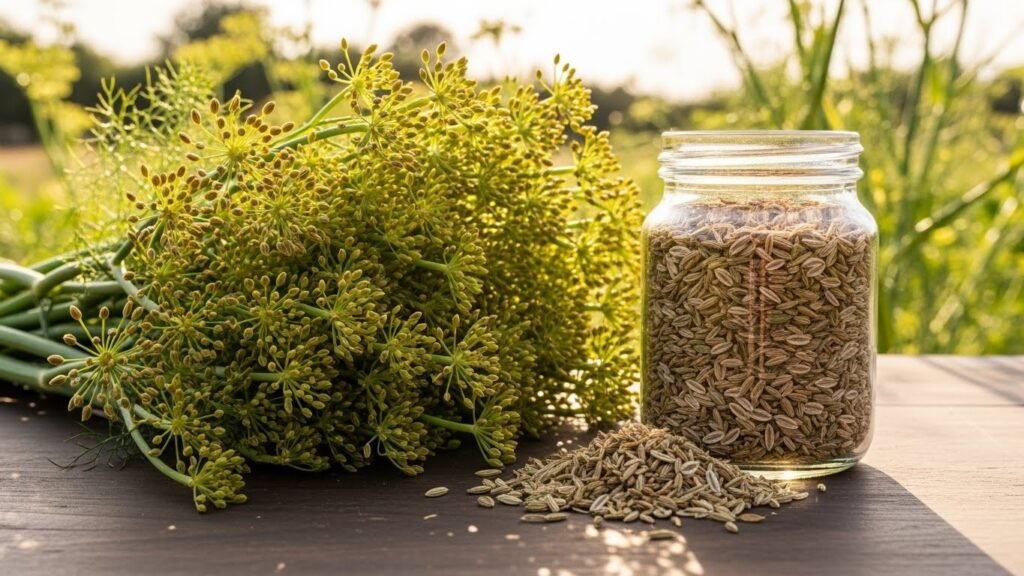
Fennel seeds are a total game changer for your kitchen and your health. They come from the Foeniculum vulgare plant and offer a sweet licorice flavor. You might know the fennel plant for its crunchy bulb used in salads. However, the tiny seeds are the real stars of the show for long-term use. These seeds are packed with aromatic essential oils like anethole. Harvesting your own seeds is way better than buying dusty ones from the store. You get a much punchier flavor and save a bunch of cash too.
Introduction to the Versatility of Fennel Seeds
Fennel is a super cool plant because it serves two main purposes. You can eat the crisp bulb as a tasty vegetable. Or you can wait for the seeds to develop and use them as a spice. The seeds have a classic anise-like scent that smells just like black jellybeans. This aromatic profile makes them perfect for sweet and savory dishes.
Growing your own seeds means you control the quality. Store-bought seeds often sit on shelves for months and lose their kick. Freshly harvested seeds have a much stronger oil content. This makes your cooking stand out with a bold, fresh taste.
There are two main types of fennel you might see in a garden. Florence fennel is the one people grow for the thick bulbs. Wild or common fennel is usually grown specifically for its seeds and feathery fronds. Both types produce seeds, but common fennel is a seed-producing machine.
Why Grow and Harvest Your Own Fennel Seeds
Growing fennel is a smart move for any home gardener or homesteader. It is a very sustainable way to fill your spice cabinet for free. Once you plant it, you will have more seeds than you know what to do with. Fennel is also a very tough and resilient plant. It often stays strong even when other garden plants are struggling with pests or heat.
The seeds are incredibly versatile in the kitchen. You can toss them on grilled fish or mix them into spicy Indian dishes. They also make a relaxing medicinal tea that helps with a bubbly stomach. Having a big jar of these seeds on hand is like having a secret weapon.
Recognizing the Right Time for Harvest

Knowing exactly when to pick your fennel is the most important part. If you go too early, the seeds won’t have enough flavor. If you wait too long, they might just fall on the ground and disappear. You have to keep a close eye on the plant as summer starts to wind down.
Observation and Visual Cues
Watch for the bright yellow flowers to fade away. Once the flowers are gone, the green seed heads, called umbels, will appear. You are looking for a specific color change to happen. The seeds will turn from a bright green to a dull yellowish-brown or grayish-brown. When most of the seeds in a cluster look brown, it is time to move.
Texture and Dryness Indicators
Don’t just trust your eyes; use your hands too. Give the seed heads a little squeeze to see how they feel. They should feel very dry and brittle rather than soft or squishy. The fruit inside the umbel needs to be hard. If it still feels flexible, give it a few more days in the sun.
Seasonal Timing
Most people find their harvest window in late summer or early fall. This timing depends a lot on your local weather and when you planted. Warm, dry weather helps the seeds mature faster. If it has been a rainy season, you might need to wait a bit longer for them to dry out.
Essential Tools for a Successful Harvest
You don’t need fancy gear to get the job done right. Most of these items are probably already sitting in your garage or kitchen. Having them ready will make the process smooth and easy.
- Garden shears: A sharp pair of scissors or shears makes clean cuts without shaking the plant.
- Paper bags: These are the best for catching seeds while allowing air to move around.
- Harvesting basket: Use this to carry all your cut stems back to the house.
- Kitchen trays: These are perfect for the final sorting and drying steps.
- Kitchen towels: Use these to pat down any seeds you decide to wash.
Step-by-Step Harvesting Techniques
Now that you have your tools, it is time to get to work. Harvesting is a simple process, but you have to be gentle. If you are too rough, the seeds will fly everywhere before you can catch them.
Cutting the Umbels
Find a seed head that is nice and brown. Snip the entire umbel off the plant with your shears. Leave a few inches of the stem attached to the head. This makes it much easier to handle the seeds later on. Try to move slowly so you don’t knock the seeds onto the soil.
The Paper Bag Method

The paper bag trick is a total lifesaver for gardeners. Place the cut seed heads upside down inside a large paper bag. Tie the bag shut around the stems using some string or a rubber band. This way, any seeds that fall off will land safely in the bag. It also keeps dust and bugs off your harvest.
Post-Harvest Cleaning and Pest Management
Before you move to drying fennel seeds, you need to make sure they are clean. Garden seeds often have tiny bugs or bits of dirt on them. Taking a few minutes to clean them now saves you from a gross surprise later.
- Bug check: Look closely for any tiny insects that might be hiding in the seed heads.
- Washing: You can give the seeds a quick rinse to remove dirt or pests.
- Drying off: If you wash them, pat them very dry with a clean kitchen towel right away.
- Debris removal: Strip the seeds away from the large stalks and throw the woody bits away.
Drying Methods for Fennel Seeds
Getting the moisture out is the only way to keep your seeds from rotting. There are two main ways to do this depending on how much time you have. Both work great if you follow the steps carefully.
Natural Air Drying
This is the old-school way that most homesteaders prefer. Hang your paper bags in a warm, dry spot with plenty of airflow. Make sure the spot is away from direct sunlight so the oils don’t break down. Let them hang there for about one or two weeks. You will know they are done when the seeds feel rock hard.
Accelerated Oven Drying

If you are in a rush, your oven can do the work fast. Spread your cleaned seeds out in a single layer on a flat tray. Set your oven to the lowest possible temperature setting. Bake them for about thirty minutes until all the moisture is gone. Keep a close eye on them so they don’t get scorched or toasted.
Dehydrator Method: A Modern Alternative
A food dehydrator is another awesome tool for drying fennel seeds. Set the temperature between 95°F and 115°F for the best results. This low heat protects the delicate oils while pulling out water. Spread the seeds on fine mesh trays so they don’t fall through the holes. This method is often more consistent than using a standard oven.
Processing and Refining the Harvest
Once the seeds are totally dry, you need to separate the good stuff from the trash. This part is called processing. It takes a little bit of effort but is actually kind of fun to do.
Threshing: Releasing the Seeds
Threshing is just a fancy word for knocking the seeds loose. If you used the bag method, give the bag a really good shake. You can also rub the dried seed heads between your palms over a bowl. Most of the seeds should pop right off the stems.
Winnowing: Removing the Chaff

Winnowing gets rid of the light, papery bits called chaff. Stand outside on a breezy day or use a small electric fan. Pour the seeds from one bowl to another in front of the moving air. The breeze will blow away the light trash while the heavy seeds fall into the bowl. Repeat this a few times until the seeds look nice and clean.
Screening and Grading
For the cleanest harvest, use a mesh sieve or screen. This helps you filter out any tiny dust particles that winnowing missed. You can also group your seeds by size. Large, plump seeds are the best for cooking. Smaller seeds can be saved for planting in your garden next spring.
The Chemistry of Flavor: Essential Oils in Fennel
The reason fennel seeds smell and taste so good is because of their chemistry. They are loaded with volatile oils that provide that signature punch. Understanding these oils helps you realize why gentle drying is so important.
- Anethole: This is the main oil that gives fennel its licorice scent.
- Fenchone: This oil adds a slightly bitter and cooling flavor to the seed.
- Estregole: This provides a subtle sweetness that balances the spice.
- Oil preservation: High heat destroys these oils, which is why low-temperature drying is a must.
Long-Term Storage and Preservation

If you store them wrong, all your hard work will go to waste. Moisture is the number one enemy of dried seeds. You need to keep them in a spot where they stay perfectly dry and cool.
Container Selection
Glass jars with tight lids are the gold standard for storage. Glass doesn’t soak up oils or smells like plastic does. Make sure the lids have a good seal to keep the air out. Canning jars or old spice jars work perfectly for this.
Ideal Storage Environments
Find a spot in your house that is cool, dark, and dry. A kitchen pantry or a dark cupboard is usually the best bet. Keep them away from the stove or dishwasher where it gets hot and steamy. Light will make the seeds fade and lose their flavor over time.
Potency and Shelf Life
Well-dried fennel seeds can stay fresh for one to two years. Over time, the smell will start to get weaker. If you crush a seed and can’t smell much, it is time to toss them. Always label your jars with the date so you know how old they are.
Creative Culinary and Medicinal Applications
Now comes the best part: using your harvest! There are so many ways to bring fennel seeds into your daily life. They aren’t just for fancy recipes; they work in everyday meals too.
Cooking with Fennel Seeds
Fennel seeds are a staple in many cultures around the world. They are a key part of Indian panch phoran and Chinese five-spice powder. Try tossing them into a frying pan to toast them before adding to a dish. This wakes up the oils and makes the flavor even bigger.
- Grilled fish: Sprinkle whole seeds over fish before cooking for a fresh taste.
- Roasted veggies: They pair amazingly well with parsnips, carrots, and pears.
- Baking: Add them to homemade bread or crackers for a savory crunch.
- Meat rubs: Crush them up and rub them on pork or chicken before roasting.
Homemade Beverages

You can make a delicious anise-flavored tea just by steeping the seeds in hot water. It is a very soothing drink to have after a big dinner. Some people even use the seeds to flavor homemade spirits like gin or flavored vodka.
Botanical and Medicinal Uses
Fennel seeds have been used as a natural remedy for centuries. They are known as a carminative, which means they help stop gas and bloating. Many people in India chew on a mix of seeds called mukhwas after meals to freshen their breath and help digestion. They are also full of healthy antioxidants and minerals like manganese.
Advanced Gardening Considerations
If you want to keep growing fennel year after year, there are a few extra things to know. Fennel is a friendly plant, but it has some quirks.
Managing Self-Seeding
Fennel is a very enthusiastic grower and will drop seeds everywhere. If you aren’t careful, you might find tiny fennel plants popping up all over your yard. To stop this, make sure you harvest the seed heads before they get too brittle on the plant.
Culinary vs. Planting Seeds
The seeds you eat are the same ones you can plant. If you want to grow more fennel, save the biggest and healthiest seeds from your harvest. Keep them in a separate envelope marked for the garden. Fennel seeds usually stay viable for planting for about two to three years.
Companion Planting and Allelopathy
Fennel is actually a bit of a “bad neighbor” in the garden. It produces chemicals that can stunt the growth of nearby plants like beans or tomatoes. It is usually best to give fennel its own dedicated corner or grow it in a large pot. On the plus side, it is a host plant for swallowtail butterflies, so it’s great for wildlife!
Troubleshooting Common Issues
Even the best gardeners run into trouble sometimes. Most fennel problems are easy to fix if you catch them early.
- Moldy seeds: This happens if the seeds were damp when you put them in the jar.
- Empty seeds: If the seeds look flat or hollow, it might be due to poor pollination.
- Bad smell: If the seeds smell musty instead of like licorice, throw them away immediately.
- Cross-pollination: Don’t grow fennel near dill, or the seeds might end up tasting weird.
Conclusion: The Cycle of the Homestead Spice Cabinet
Harvesting and drying fennel seeds is a super rewarding project. It connects you to the rhythm of the seasons and fills your home with an amazing aroma. You get to enjoy a high-quality spice that is better than anything in a store. Plus, you get the satisfaction of knowing exactly where your food came from. Start small this year, and soon you will be a fennel expert!
Frequently Asked Questions
Can you eat fennel seeds straight from the plant?
Yes, you can eat them raw, but they have a very intense, sharp flavor and a slightly fibrous texture when fresh. Chewing on fresh green seeds is a common way to enjoy a burst of sweetness and freshen breath while working in the garden, though most people prefer them dried for culinary use.
Does fennel attract specific pests that might damage the seeds?
While fennel is hardy, it is often visited by aphids and fennel upright mites. The most notable visitor is the swallowtail butterfly caterpillar; while they eat the fronds, they rarely damage the actual seed umbels significantly. However, a heavy aphid infestation can leave a sticky honeydew on the seeds, which may lead to mold during the drying process.
Is it possible to harvest seeds from a grocery-store fennel bulb?
Typically, no. Grocery-store fennel is harvested when the bulb is young and tender, long before the plant has bolted and produced flowers or seeds. To get seeds, the plant must be allowed to reach its full height—often four to six feet—and complete its entire reproductive cycle.
How do I tell the difference between fennel seeds and hemlock seeds?
This is a critical safety question as poison hemlock looks similar to fennel. Fennel smells strongly of licorice/anise, while hemlock has a Musty, unpleasant, or “mousy” odor. Additionally, fennel stems are solid and green, whereas hemlock stems often have purple spots or blotches and are hollow.
Can I use a microwave to dry fennel seeds quickly?
It is not recommended. Microwaves heat the moisture inside the seed so rapidly that it can steam the seed from the inside out, effectively cooking it and destroying the delicate volatile oils. This results in a seed with very little aroma or medicinal value.
Why are my harvested fennel seeds turning black?
If seeds turn black or dark charcoal gray, it is usually a sign of mold or fungus caused by high humidity or harvesting while the seeds were still damp from rain. These seeds should be discarded as they can contain mycotoxins and will have a “dusty” or “off” flavor.
Can I harvest seeds from fennel grown in containers?
Absolutely. As long as the container is deep enough (at least 12 inches) to support the taproot and the plant gets enough sun to flower, it will produce seeds. You may get a smaller yield than ground-planted fennel, but the quality of the seeds remains the same.
What is the difference between “sweet” and “bitter” fennel seeds?
These come from different subspecies. Sweet fennel (Foeniculum vulgare var. dulce) is lower in fenchone and higher in anethole, making it better for desserts. Bitter fennel (Foeniculum vulgare var. vulgare) has a higher fenchone content, giving it a more medicinal, camphor-like taste often used in digestive bitters.
Should I crush fennel seeds before storing them?
No, it is best to store them whole. Once a seed is crushed, the protective outer hull is broken, and the essential oils begin to evaporate. For the best flavor, store them whole and crush or grind them only when you are ready to cook.
Can I harvest the pollen from the fennel flowers before they become seeds?
Yes, fennel pollen is considered a “culinary gold.” You can shake the bright yellow flowers into a bowl to collect the pollen. It has a much more concentrated, citrusy-anise flavor than the seeds, though you will sacrifice some of your seed harvest by doing so.
How can I tell if my fennel seeds have “gone bad”?
Fennel seeds don’t usually spoil in a way that makes you sick unless they are moldy. Instead, they lose their potency. Rub a few seeds between your fingers; if the aroma is faint or smells like hay rather than licorice, the seeds are past their prime.
Do I need more than one fennel plant to get seeds?
Fennel is self-fertile, meaning a single plant can produce seeds on its own. However, having multiple plants attracts more pollinators to the area, which generally results in a much higher yield and plumper seeds.
Will freezing fennel seeds help them last longer?
Freezing is not necessary and can sometimes introduce moisture through condensation when you open the jar. A cool, dark pantry is sufficient. If you must freeze them, ensure they are in a vacuum-sealed bag to prevent freezer burn and moisture ingress.
Can I use the dried stems of the fennel plant for anything?
Don’t throw them away! The dried woody stems carry a faint fennel aroma. You can lay them over charcoal when grilling fish or chicken to infuse the meat with a subtle smoky anise flavor, or use them as “skewers” for kabobs.
Why are my home-grown seeds smaller than store-bought ones?
Store-bought seeds are often commercially graded and sorted for size. Home-grown seeds vary based on soil quality, water, and the specific variety. Even if they are smaller, your home-grown seeds are likely more potent because they are fresher.
Is it safe to give home-grown fennel seed tea to infants?
While fennel tea is a traditional remedy for colic, you should always consult a pediatrician first. Home-grown seeds can be much more potent than commercial tea bags, and the concentration of certain oils might be too high for a newborn’s sensitive system.
Can I harvest seeds from “bronze fennel” for cooking?
Yes, bronze fennel (Foeniculum vulgare ‘Purpureum’) is edible and produces seeds that are just as flavorful as green fennel. They are often used specifically in gourmet cooking for their slightly different chemical nuances and visual appeal.
How does altitude affect the drying of fennel seeds?
At higher altitudes, air is typically drier, which can speed up the natural air-drying process. However, the boiling point of water is lower, so if you are using the oven method, you may need to monitor them more closely to ensure they don’t dry out too aggressively.
Can I use a coffee grinder to process the seeds?
A coffee grinder is excellent for turning dried seeds into a fine powder for spice rubs or baking. However, be aware that the strong oils in fennel can “taint” the grinder, making your next cup of coffee taste slightly like licorice unless you clean it thoroughly with dry rice.
What should I do with the “fines” or dust left after winnowing?
The fine dust and small broken bits can be saved in a separate “quick-use” jar. While they won’t last as long as whole seeds, they are perfect for whisking into vinaigrettes or marinades where they will dissolve or blend in quickly.