Skip to content
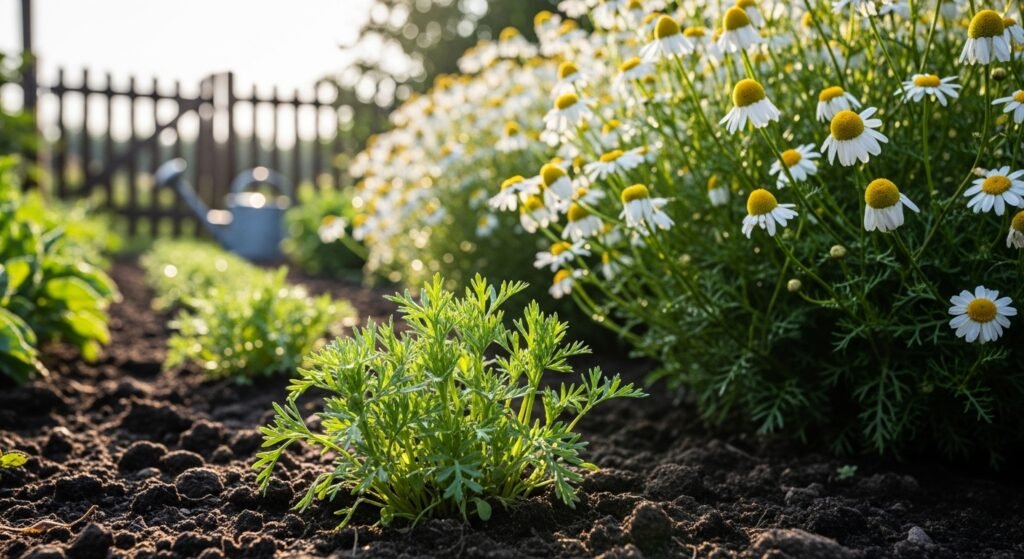
Growing your own herbal tea is a total game changer for any backyard grower. Chamomile is a superstar plant that brings beauty and health benefits to your space. You can easily start a chamomile seedling to get your garden moving in the right direction. This guide will show you how to handle every step of the process like a pro. We will cover everything from picking the right seeds to harvesting your own fragrant blooms.
Introduction to Chamomile
Chamomile is way more than just a sleepy time tea ingredient. It is a tough little herb that looks like a tiny daisy and smells like fresh apples. Gardeners love it because it is pretty and very easy to keep alive. This medicinal plant has been a favorite for centuries because it helps folks relax. Getting a chamomile seedling into the dirt is the first step toward your own home apothecary.
Botanical Profile
This plant belongs to the Asteraceae family which includes sunflowers and daisies. It is a flowering herb that loves the cool weather of spring and fall. The plant produces thin and feathery leaves that look great in any landscape. You can find it growing wild as scented mayweed in many places. Understanding its roots helps you give it exactly what it needs to thrive.
Difference Between Roman and German Chamomile Varieties

There are two main types you should know about before you start. German chamomile, or Matricaria chamomilla, is an annual plant that grows quite tall. It is the most common choice for making herbal tea. Roman chamomile, known as Chamaemelum nobile, is a perennial that stays low to the ground. It works great as a lawn alternative or ground cover. Both are awesome but have different growth habits for your garden.
Benefits of Adding Chamomile to a Home Garden
Adding this herb to your yard is a smart move for many reasons. It attracts tons of beneficial insects like bees and ladybugs. The flowers are beautiful and add a soft touch to your flower beds. Having fresh tea right outside your door saves money and tastes better. Plus, a healthy chamomile seedling helps improve the soil for other plants nearby.
Choosing the Ideal Location for Chamomile
Finding the right spot is the most important part of the job. Your chamomile seedling needs a place where it can feel comfortable and safe. If the spot is bad, the plant will struggle to grow well. Take a walk around your yard to see where the light hits. A good location ensures a massive harvest of flowers later on.
Sunlight Requirements
Full sun is the secret sauce for getting the most flowers possible. Most varieties want at least six to eight hours of direct light every day. They can handle some partial shade, but they might grow a bit slower. If they stay in the shade too long, they might get leggy and weak. Aim for the brightest spot you have for the best results.
Soil Quality and Composition
The dirt in your garden matters a whole lot for these herbs. Loamy and silty soils are the gold standard for chamomile. These types of soil hold onto moisture without getting muddy or gross. Avoid very sandy soil because it dries out way too fast. If your soil is heavy clay, you will need to fix it up. Good soil lets the roots spread out and get strong.
Nutrient and Humus Content
Chamomile is not super picky, but it loves rich soil. High nutrient levels and plenty of humus will make your plants explode with growth. You can use organic all-purpose compost to boost the soil quality. This provides a slow release of food for your chamomile seedling as it grows. Healthy soil means you won’t need to use gross chemicals later.
pH Levels
Most herbs like the soil to be just right on the scale. Aim for a neutral pH value of around 7.0 for your chamomile. This balance helps the plant drink up all the vitamins in the dirt. If the soil is too acidic or alkaline, the herb might look yellow. You can test your soil with a simple kit from the store. Keeping the pH stable is a pro gardener move.
Garden Placement
Think about where you want to look at your flowers every day. Placing them at the edges of raised beds looks amazing as they drape over. This also makes it super easy to reach them when it is time to harvest. Keep them away from heavy foot traffic so they don’t get stepped on. Proper placement makes garden maintenance a total breeze.
Microclimates
Sometimes one corner of your yard is different than the rest. Tall German chamomile can snap if it gets hit by a big gust of wind. Try to plant it near a fence or a wall for some extra protection. These little pockets of safety are called microclimates. Paying attention to these details keeps your chamomile seedling happy and upright.
Preparing the Soil for Planting
You have to get the ground ready before the seeds go in. Prepping the soil is like setting the foundation for a new house. Your chamomile seedling will grow much faster in a well-prepared bed. It only takes a little bit of work to get it right. Your future self will thank you when the garden is full of life.
Improving Soil Structure
If your garden dirt feels like a brick, you need to fix the structure. Mixing in organic herb and seeding compost helps break up heavy ground. This makes the soil fluffy and light so roots can breathe. Good structure helps with permeability so water moves through easily. It also improves the water storage capacity of the ground.
Cleaning the Site
Clear out any old weeds or trash from your planting area first. Weeds are greedy and will steal all the food from your chamomile seedling. Use a hoe or your hands to get every single root out of the way. A clean slate gives your tiny seeds the best chance to win. It also keeps the garden looking sharp and professional.
Aeration
Loosening the ground is a must for any new planting. Use a rake or a fork to stir up the top few inches of dirt. This lets air get down deep where the roots will live. It also makes it easier to press the seeds into the surface. Aerated soil stays healthy and helps prevent nasty fungi from growing.
Soil Solarization
If you have a major weed problem, try using the sun to help. This organic method involves covering the ground with clear plastic for a few weeks. The heat kills off weed seeds and bad bugs in the dirt. It is a great way to prep a large area for chamomile. Once it is done, you will have a perfect spot for your seeds.
Sowing Chamomile Seeds
Now it is time for the fun part of the process. Sowing seeds is how the magic of the garden really starts. You can choose to start them inside or put them right in the dirt. Each way has its own perks depending on your schedule. Just remember that a chamomile seedling is very tiny at first.
Timing Your Sowing
- Direct Sowing Outdoors: Wait until the start of May when the frost is totally gone.
- Indoor Starting: You can start your seeds in March to get a head start on spring.
- Autumn Sowing: Planting in the fall works if you protect the leaf rosettes with mulch.
The Science of Light Germination

Chamomile seeds are what experts call light germinators. This means they need to see the sun to start growing. You should never bury these seeds under a thick layer of dirt. If you cover them too much, they will just sit there and rot. Simply scatter them on top and let the light do the work.
Sowing Technique
Getting the seeds on the ground is pretty straightforward. Spread them as evenly as you can across the prepared soil surface. Once they are down, press them into the dirt very lightly with your palm. Do not rake them in or hide them from the sky. This ensures they stay in place but still get plenty of light.
Temperature and Germination
Seeds need the right vibe to wake up and start growing. They usually sprout best when the temperature is between 15 to 20 °C. If it is too cold, they might take a long time to show up. In the right conditions, you will see tiny sprouts in about one or two weeks. Keep a close eye on them during this exciting time.
Indoor Seed Starting and Pot Culture
Starting inside is a great way to control the environment. It protects the young chamomile seedling from wild weather and hungry bugs. You can grow them in pots even if you don’t have a big yard. Many people love having fresh herbs right in their kitchen. It is a fun project for the whole family.
Container Selection
Pick a pot that has plenty of room for roots to grow down. A container that is at least 6 inches deep is perfect for chamomile. Make sure it has a drainage hole so the water can get out. If the water gets trapped, the roots will get mushy and die. Plastic or terra cotta pots both work totally fine for this.
Indoor Growing Conditions

Your little plants need a lot of light to stay strong and healthy. Put them near a south-facing window or a west-facing window. They should get at least 4 to 6 hours of bright light every day. Keep them away from cold drafts or hot air vents. A steady temperature helps them grow without getting stressed out.
Year-Round Cultivation
The best part about pots is that you can grow all year long. You can have a fresh chamomile seedling even in the middle of winter. Just keep them on a sunny windowsill and they will be happy campers. This is a great way to have a constant supply of tea leaves. It brings a little bit of nature inside when it is cold out.
Soil for Containers
Don’t just use dirt from the backyard for your indoor pots. Use a high-quality potting mix or herb and seedling compost. This stuff is made to drain well and give the plants the right food. It is also sterilized so you don’t bring weird bugs into your house. Good soil is the best investment for your indoor garden.
Using Grow Lights
If your house is a bit dark, you might need some extra help. Grow lights can provide the sunshine that your windows are missing. Keep the lights close to the plants so they don’t have to reach for it. This prevents the stems from getting too thin and floppy. It is an easy way to ensure your plants stay green and lush.
Pricking Out and Transplanting Seedlings
Once your plants have a few leaves, they might need more space. Moving them to a bigger home is a big step in their life. You have to be gentle with a young chamomile seedling during this time. If you do it right, they will settle in and start growing fast. It is all about making the transition as smooth as possible.
The Hardening Off Process
You can’t just toss indoor plants outside and hope for the best. They need to get used to the wind and sun slowly over a few days. Put them outside for an hour the first day, then two, and so on. This prevents them from getting “sunburned” or shocked by the cold. It makes the chamomile seedling much tougher and ready for the real world.
Transplanting Timeline
The best time to move your plants outside is in mid-May. By then, the ground is warm and the nights aren’t too cold anymore. Make sure the weather forecast looks clear for a few days after you plant. Cloudy days are actually great for transplanting because the sun won’t wilt them. Timing is everything when it comes to garden success.
Optimal Spacing

Plants need their personal space just like people do. Set your chamomile plants about 15 to 20 cm apart from each other. This gives them room to spread their leaves and get plenty of airflow. If they are too crowded, they might start fighting for food and water. Proper spacing also helps prevent diseases from spreading between them.
Planting Depth
When you put them in the ground, don’t bury the stem too deep. The plant should sit in the soil at about the same level it was in the pot. Make sure the leaf rosettes are just above the surface of the dirt. If you bury the leaves, they might rot and kill the whole plant. Press the soil down gently around the base to hold it steady.
Managing Transplant Stress
Moving can be very hard on a tiny chamomile seedling. It might look a little droopy for a day or two after the big move. Give it a nice drink of water right away to help it settle in. Try not to disturb the roots too much when you take it out of the pot. Sometimes direct sowing is easier because it skips this stressful step entirely.
Tending and Maintenance for Maximum Blooms
A little bit of love goes a long way with these plants. They don’t need much, but they do have a few basic requirements. Keeping up with maintenance ensures you get thousands of flowers. Your chamomile seedling will turn into a massive bush if you treat it right. It is mostly about watching the water and providing a little support.
Watering Regimes
- Germination Phase: Keep the soil constantly moist while the seeds are sprouting.
- Established Plants: Once they are bigger, they become quite drought tolerant.
- The Finger Test: Stick your finger one inch into the soil to see if it feels dry before watering.
Structural Support
Some chamomile plants can grow quite tall and might fall over. Use some small stakes and garden twine to help them stay upright. This is especially important if you live in a place with a lot of wind. Keeping them off the ground keeps the flowers clean and easy to pick. It also stops them from shading out your other garden plants.
Drainage Management
Nobody likes having “wet feet,” and chamomile is no exception. Make sure your garden beds or pots allow water to drain away quickly. You can add a drainage layer of gravel at the bottom of containers. This helps prevent the roots from sitting in stagnant water. Good drainage is the best way to avoid root rot and other nasty problems.
Pruning and Plant Health
Keeping your plants tidy is a great way to keep them healthy. Pruning helps the plant focus its energy on growing new flowers. It also keeps the herb garden looking organized and beautiful. Don’t be afraid to give your plants a little haircut every now and then. It actually helps them grow back even stronger than before.
Disease Prevention
Airflow is your best friend when it comes to keeping bugs away. Prune off any leaves that look sick or have white spots on them. This helps stop powdery mildew from taking over the whole plant. If the center of the plant gets too thick, thin it out a bit. Clean tools are also important so you don’t spread germs around.
Controlling Leggy Growth
Sometimes plants get too long and thin, which gardeners call “leggy.” If your chamomile looks a bit wild, cut the stems back to about 4 inches. This encourages the plant to branch out and become more of a bush. Bushy plants produce way more flowers than thin, tall ones. It is an easy trick to double your harvest.
The Art of Deadheading
Deadheading is just a fancy word for picking off old flowers. When a bloom starts to fade, pinch it off at the base. This tells the plant that it needs to make even more flowers to replace them. If you leave the old ones, the plant will stop blooming and start making seeds. Regular picking keeps the show going all summer long.
Organic Feeding
You don’t need fancy blue chemicals to have a great garden. A simple top-dressing of fresh compost provides all the nutrients they need. Spread a thin layer around the base of the plant once or twice a season. This feeds the soil and the plant at the same time. It is the most sustainable way to grow a healthy chamomile seedling.
Advanced Pest and Disease Troubleshooting
Even the best gardeners run into a few problems now and then. Knowing what to look for helps you fix things before they get bad. Most chamomile issues are pretty easy to handle with organic methods. Stay calm and keep a close eye on your leaf rosettes for any changes. Nature usually has a solution if you look closely.
Common Pests
You might see tiny green bugs called aphids hanging out on the stems. They like to suck the juice out of the plant and make it weak. Other pests include thrips and mealybugs that might show up in hot weather. You can often just spray them off with a strong blast of water. Keeping your plants healthy is the best way to prevent pest attacks.
Fungal Issues
If the weather is very wet, you might see some gray mold or root rot. This usually happens when the soil stays soggy for too long. Powdery mildew looks like someone spilled flour on the leaves of your plant. Make sure your plants have plenty of sun and air to keep the leaves dry. If things get bad, you can use simple organic sprays to help.
Organic Remedies
Neem oil is a great tool for handling many different garden bugs. You can also make a simple spray with water and a tiny bit of soap. For fungal issues, a mix of baking soda and water can do wonders. These remedies are safe for you and the beneficial insects in your yard. Always test a small spot on the plant before spraying the whole thing.
Physical Barriers
Using row covers can protect your young chamomile seedling from hungry critters. These light fabrics let in sun and water but keep bugs out. They also provide a little bit of shade if the weather gets too hot. Barriers are a great way to protect your plants without using any sprays at all. They are especially helpful when the plants are still very small.
Chamomile as a Companion Plant
This herb is like the friendly neighbor that everyone wants to have. It actually helps the plants around it grow better and stay healthy. This is called mixed cultivation and it is a smart way to garden. Putting a chamomile seedling near your veggies can make a big difference. It is a powerhouse of a companion plant.
Vegetable Garden Partners
- Potatoes: Chamomile is a classic partner for potato crops.
- Leeks and Kohlrabi: These veggies grow much better when chamomile is nearby.
- Onions: The scent of the herb can help mask the smell of onions from pests.
The Brassica Connection

Plants like broccoli, kale, and cabbage are part of the brassica family. Chamomile is one of the best friends these plants can have in the garden. It helps keep them healthy and might even make them taste a little better. Plus, the bright white flowers look great mixed in with the big green leaves. It is a win-win for your vegetable patch.
Natural Pest Repellency
The strong fragrance of chamomile acts like a natural shield. It can help repel nasty pests like cabbage moths and cabbage worms. These bugs hate the smell and will usually fly somewhere else to lay their eggs. By planting herbs, you are building a natural defense system for your yard. It is much better than using gross pesticides.
Attracting Beneficial Insects
While it keeps bad bugs away, it brings the good ones in. The flowers attract ladybugs and hover flies that love to eat aphids. It is also a favorite for bees who will help pollinate everything else you grow. Having a lot of beneficial insects creates a balanced ecosystem in your garden. Your backyard will be buzzing with life and health.
Chamomile as a “Plant Doctor”
Some people call this herb the “plant doctor” because it helps sick plants recover. It seems to boost the oil production and flavor of nearby herbs like mint and basil. It can also help prevent fungi from attacking the plants next to it. Having a chamomile seedling in every bed is like having a little nurse for your garden. It is truly a magical little plant.
Harvesting and Preservation
The reward for all your hard work is a massive harvest of flowers. Picking your own herbs is a very satisfying feeling. You can use them right away or save them for later in the year. A well-tended chamomile seedling will give you enough for many cups of tea. Just make sure you pick them at the right time.
Harvest Timing
You should pick the flowers when they are fully open but before they start to wilt. The best time is before the seeds ripen so the medicinal plant properties stay strong. If you wait too long, the flavor can get a bit bitter. Check your plants every day once they start blooming. You don’t want to miss the perfect window for picking.
The “Golden Hour”

The best time of day to harvest is in the morning after the dew has dried. This is when the essential oils in the flowers are at their peak. If you pick them in the heat of the afternoon, they might wilt faster. Harvesting in the morning also keeps the flowers fresh and fragrant for longer. It is a peaceful way to start your garden day.
Harvest Frequency
The more you pick, the more the plant will grow! Regular harvesting keeps the chamomile productive and prevents it from going to seed. Try to harvest every few days to keep a steady supply coming in. This also keeps the plant looking neat and prevents it from getting too heavy. It is a great excuse to spend more time in your garden.
Harvesting Techniques
Be gentle when you are picking the flower heads. You can use your fingers to “pop” the head off right at the top of the stem. Try not to pull too hard or you might damage the rest of the plant. Some people use a special herb rake for large harvests. For a small home garden, your hands are usually the best tools for the job.
Preservation Methods

- Air Drying: Lay the flowers out on a tray or hang them in a cool, dark place.
- Dehydrating: Use a low temperature setting to keep the healthy oils from burning off.
- Freezing: You can freeze fresh flowers in ice cubes for fancy summer drinks.
Practical Uses for Home-Grown Chamomile
Once you have your harvest, it is time to use it! There are so many ways to enjoy the benefits of this plant. It is way more versatile than most people think. From the kitchen to the bathroom, chamomile has a place in your life. It is the ultimate sustainable gardening reward.
Organic Tea Preparation

Making your own tea is as simple as it gets. Steep a few teaspoons of fresh or dried blooms in hot water for about five to ten minutes. You can add a little honey or lemon for a delicious treat. It is the perfect drink to help you wind down after a long day. Plus, it tastes way better than anything you can buy in a store.
Topical Applications
You can use your flowers to make skin-soothing oils and salves. Chamomile is known for being antiseptic and anti-inflammatory. A cold compress made from chamomile tea can help soothe tired eyes or itchy skin. It is a natural way to take care of your body using things you grew yourself. Many people love making their own organic beauty products.
Culinary Delights
Don’t be afraid to eat your flowers! Fresh chamomile blooms look beautiful sprinkled on a green salad. You can also use them to make flavored syrups for desserts or cocktails. Some people even bake them into shortbread cookies for a unique flavor. It adds a fancy touch to any meal you serve to your friends.
Chamomile in the Bath
Throwing a handful of flowers into a warm bath is total luxury. The scent helps you relax while the herbs soothe your skin. It is like having a spa day right in your own home. You can even put the flowers in a small cloth bag to keep the drain from getting clogged. It is a wonderful way to use up a big harvest.
Ensuring Future Crops
A good gardener always thinks about next year. You can make sure your chamomile returns without having to buy new seeds. This is part of being a sustainable gardener. Your chamomile seedling can be the start of a multi-year garden legacy. It is all about working with nature’s natural cycles.
The Benefits of Self-Seeding
If you leave a few flowers on the plant at the end of the season, they will drop seeds. These seeds will often sprout on their own the following spring. These are called “volunteer” plants and they are usually very hardy. Self-seeding is an easy way to have a permanent chamomile patch. It saves you work and money every single year.
Seed Collection
You can also collect the seeds yourself to plant exactly where you want them. Wait for the flower heads to turn brown and dry on the plant. Gently crumble the heads over a paper bag to catch the tiny seeds. Label the bag with the date and the variety so you don’t forget. It is a very rewarding way to close out the growing season.
Storage
Keep your saved seeds in a cool, dry, and dark place like a cupboard. Use an airtight container to keep moisture out so they don’t get moldy. Properly stored seeds can stay good for several years. This gives you a backup in case you have a bad winter. Seed saving is a vital skill for any organic gardener.
Winter Protection
If you live in a cold place, a little mulch can go a long way. Cover the base of your plants with straw or leaves once the ground freezes. This protects the roots and any autumn-sown leaf rosettes from the deep chill. In the spring, just rake the mulch away so the sun can hit the soil. Your plants will come back stronger than ever.
Conclusion: The Joy of the Chamomile Harvest
Growing chamomile is a journey that starts with a tiny seed and ends with a cup of tea. It is one of the most rewarding herbs you can have in your organic garden. From helping your veggies grow to soothing your skin, it does it all. Now that you know the secrets, you are ready to start your own chamomile seedling today. Happy gardening to you and your future flowers!
FAQs About Chamomile Gardening
Can I grow a chamomile seedling in a hydroponic system?
Yes, chamomile is actually a great candidate for hydroponics because it does not have an aggressive root system. It thrives in nutrient-film technique setups or deep water culture as long as it gets plenty of light. You should start the chamomile seedling in a starter plug before moving it into the main system.
Is it possible to use chamomile as a ground cover instead of grass?
Roman chamomile is the specific variety you want if you are looking to create a herbal lawn. It stays low to the ground and spreads through creeping runners rather than tall stems. You will need to plant several chamomile seedling starts close together to get a thick, carpet-like effect.
Does chamomile attract pollinators other than bees?
While bees are the main fans, chamomile flowers also attract hoverflies and parasitic wasps. These are actually good insects because they eat garden pests like aphids and caterpillars. Having a chamomile seedling in your yard creates a tiny habitat for all sorts of helpful bugs.
Can I grow chamomile in a hanging basket?
Hanging baskets are perfect for chamomile because the stems can naturally drape over the edges. It prevents the plant from getting too tall and messy on the ground. Make sure the basket has good drainage and is filled with a light potting mix.
What should I do if my chamomile starts to smell like pineapple?
You might actually be growing Pineapple Weed, which is a very close relative of chamomile. It looks almost identical but the flowers don’t have the white petals. It is edible and safe, but the flavor is much different than traditional tea.
Can chamomile plants survive a hard freeze in the winter?
Roman chamomile is a perennial and can survive cold winters if the roots are protected. German chamomile will die off when it freezes, but it usually leaves behind seeds that sprout in the spring. A thick layer of straw helps your chamomile seedling roots stay safe during the ice.
Is there a specific type of water that is best for chamomile?
Rainwater is the absolute best choice for herbs because it is naturally soft and free of chemicals. If you use tap water, let it sit out for 24 hours so the chlorine can evaporate. This keeps the soil biology healthy for your young chamomile seedling.
Can I use chamomile to help other seeds germinate?
Chamomile tea is actually a natural anti-fungal treatment for other garden seeds. Soaking seeds in a weak, cold tea can prevent “damping off” disease. It is a great trick for starting sensitive vegetables alongside your chamomile seedling.
How do I store chamomile seeds for several years?
The trick is to keep them bone dry and very cool. Put the seeds in a glass jar with a small packet of silica gel to suck up any moisture. If stored in a dark fridge, the seeds can stay viable for three to five years.
Why are my chamomile flowers turning brown before I can pick them?
This usually happens because of high humidity or because you are watering from the top. When the flower heads get wet and stay wet, they start to rot quickly. Always water at the base of your chamomile seedling to keep the blooms dry.
Can I grow chamomile in the same pot as lavender?
Lavender and chamomile both love the sun, but lavender likes much drier soil. If you plant them together, make sure the pot is very large so you can water the chamomile side a bit more. They look beautiful together but have slightly different thirst levels.
Does chamomile help with soil erosion?
Because Roman chamomile grows as a thick mat, it is excellent for holding soil in place on small slopes. The roots create a network that prevents dirt from washing away during heavy rain. It is a functional and pretty solution for bare spots in the yard.
Is it okay to use chamomile flowers that have gone to seed?
Once the seeds form, the flowers lose most of their essential oils and flavor. They will taste more like hay or grass than sweet apples. It is better to leave those flowers on the plant to ensure a chamomile seedling pops up next year.
How can I tell if my chamomile is getting too much nitrogen?
If the plant has massive dark green leaves but zero flowers, you are overfeeding it. Chamomile produces the most flowers when the soil is a bit lean. Stop using fertilizer and let the plant struggle just a little bit to trigger blooming.
Can I grow chamomile in a self-watering pot?
Self-watering pots are great for keeping a chamomile seedling moist during the first few weeks. However, once the plant is established, make sure the reservoir doesn’t stay full all the time. The roots need a chance to breathe so they don’t drown.
Is chamomile susceptible to deer or rabbit damage?
Most deer and rabbits actually dislike the strong scent of chamomile and will leave it alone. This makes it a great “barrier” plant to put around your more delicious vegetables. It is one of the few herbs that is relatively critter-proof.
Can I use the leaves of the chamomile plant for tea?
You can use the leaves, but they are much more bitter and less fragrant than the flowers. They contain some of the same healthy properties but won’t provide the classic tea taste. Stick to the yellow and white heads for the best experience.
Does chamomile grow well in coastal or salty air?
Chamomile is surprisingly tough and can handle salt spray better than many other herbs. It is a frequent choice for seaside gardens because it doesn’t mind the sandy, windy conditions. Just make sure to give it a little extra rinse if a big storm hits.
What is the best way to clean fresh chamomile flowers?
Never wash them under a running tap because it bruises the delicate petals. Instead, put them in a bowl of cool water and gently swish them around to knock off any dust or bugs. Pat them dry very carefully with a soft towel.
Can I grow a chamomile seedling in a very small tea cup?
You can start a chamomile seedling in a tea cup for fun, but it will quickly run out of room. The roots need at least six inches of depth to support a healthy plant. It makes a cute gift for a few weeks before it needs a real home.