Skip to content
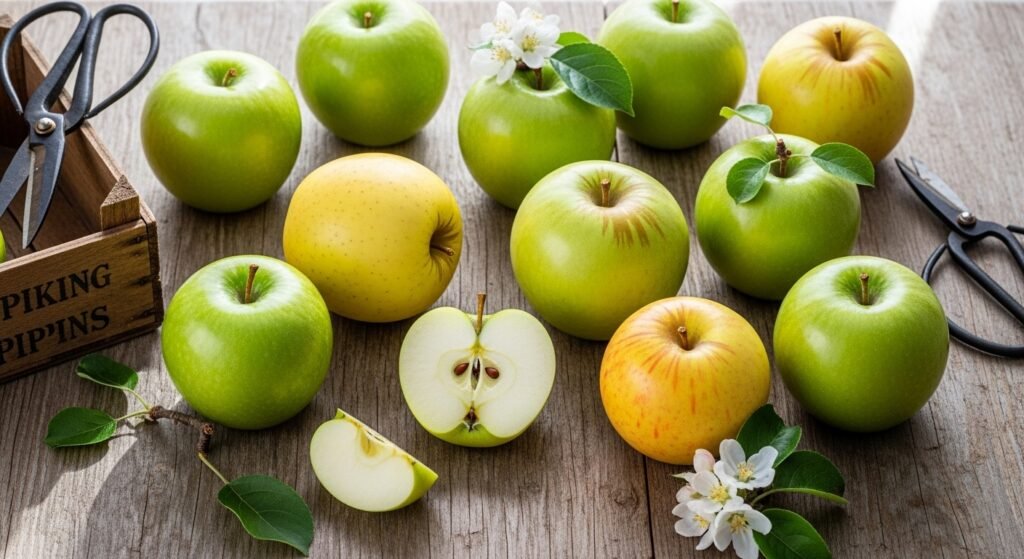
Growing your own food is a total blast. You get fresh snacks right in your yard. One of the best things to plant is an apple tree. Specifically, you should look into the many types green apples available today. These trees look cool and provide tasty treats. They pop with bright white flowers in the spring. By the time fall rolls around, you have tons of fruit. Some are super sweet for snacking. Others are tart and perfect for a big apple pie. You can even find small trees that fit in big pots. There is a perfect tree for every backyard out there.
Introduction to Green Apples
Green apples are special because of their bright color. They look amazing in a home garden or orchard. These trees add a lot of style to your landscape. You get to watch them change through the year. It starts with pretty blossoms when the weather gets warm. Then you see little green fruits start to grow. Finally, you get a heavy harvest when autumn arrives. It is a very rewarding hobby for any homeowner.
The Unique Characteristics of Green Apples
Most people know green apples for their zing. They usually have a much sharper taste than red ones. This tartness is what makes them stand out. They also tend to be very crisp and firm. When you bite into one, you get a loud crunch. This texture stays good for a long time. Green apples are also packed with good stuff for your body. They have fiber and vitamins that keep you healthy.
Flavor Profile
The flavor of these apples is usually very tangy. They have more acid and less sugar than red types. This gives them a refreshing, mouth-watering bite. Some have a tiny bit of sweetness underneath the tart skin. Others are so sour they make your face scrunch up. This variety is why people love them so much.
Texture and Crunch
The crunch is a huge deal for apple fans. Green varieties are known for having very firm flesh. They do not get mushy as fast as some red apples. This makes them feel very fresh when you eat them raw. A dense apple is also better for many recipes. It keeps its shape and does not turn into soup.
Nutritional Appeal
Eating apples right from your tree is very healthy. You know exactly how they were grown. They are full of Vitamin C and antioxidants. These things help your immune system stay strong. The skin has a lot of fiber which is good for your tummy. Plus, they are a low-calorie snack that fills you up.
Culinary Versatility and Pairings
You can use green apples in so many ways. They are not just for eating plain. Their tartness makes them great for mixing with other foods. You can use them in sweet or savory dishes. They are like a secret weapon in the kitchen.
- Fresh Snacking. Most green apples are perfect for a quick snack.
- Fruit Platters. Their bright color makes any plate look better.
- Crisp Salads. They add a great crunch to a bowl of greens.
- Rich Cheeses. Try them with sharp cheddar or funky blue cheese.
- Sandwich Toppings. Thin slices add a nice zing to a turkey sandwich.
- Baking Pies. They are the top choice for pies because they stay firm.
- Making Sauce. Some types cook down into a smooth, tangy applesauce.
Essential Considerations for Growing Green Apple Trees
You cannot just stick a tree in the dirt and hope for the best. You need to plan things out first. Different types green apples have different needs. You have to think about sun, space, and your local weather.
Sunlight Requirements
Apple trees are sun worshippers. They need at least six to eight hours of direct sun every day. If they stay in the shade, they won’t grow much fruit. Pick a spot in your yard that stays bright all afternoon. This helps the apples grow big and tasty.
Space and Spread
Check how big your tree will get before you plant it. Some can grow up to 25 feet tall and wide. Others stay much smaller if they are dwarf varieties. You need enough room so the tree doesn’t crowd your house. Air needs to move through the branches to keep the tree healthy.
Soil and Fertilization
Good dirt is the secret to a happy tree. You want soil that drains well so the roots don’t rot. Adding some compost or fertilizer helps a lot. This gives the tree the food it needs to make apples. A healthy tree can fight off bugs and diseases much better.
The Importance of Pollination
Most apple trees need a buddy to make fruit. This is called cross-pollination. Some trees are self-pollinating, meaning they can do it alone. But even those do better with a second tree nearby. You should plant two different types that bloom at the same time. This lets bees move pollen between the flowers.
Understanding Chill Hours
Apples need a long winter nap to produce fruit. This nap time is measured in chill hours. These are hours where the temp is below 45 degrees. Some trees need a lot of cold, like 700 hours. Others are made for warm places and don’t need much cold at all.
Comprehensive Guide to Green Apple Cultivars
There are so many cool varieties to choose from. Each one has its own vibe and flavor. Here is a look at the most popular green apples you can grow.
Granny Smith
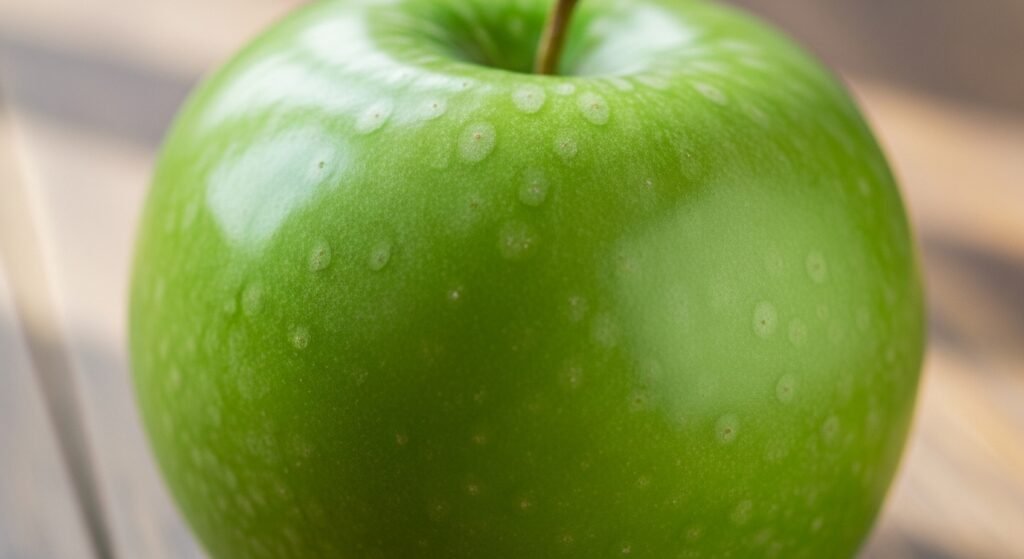
This is the king of all green apples. Everyone knows this one from the grocery store. It has a very bright green skin and a super tart taste. The flesh is very hard and white. It is the best apple for baking pies. It grows well in zones 5 through 9. You can expect a harvest in late summer or early fall.
Ginger Gold
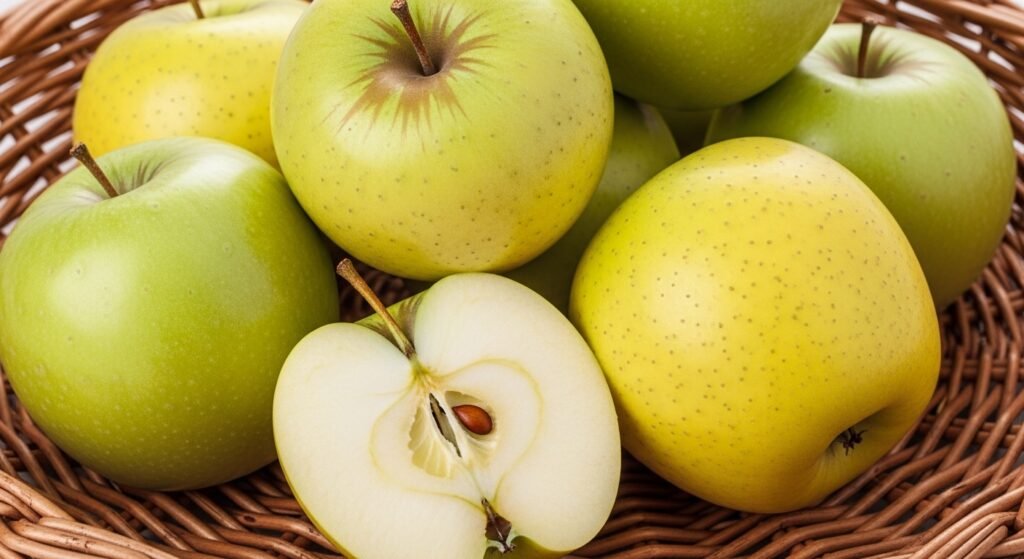
This apple is a bit of a surprise. It starts green but can turn a bit golden as it sits. It was found by accident in Virginia. It is sweeter than a Granny Smith but still has some tang. It is a great choice if you want apples early in the season.
Pippin (Newtown Pippin)

This is a very old-school American apple. It goes all the way back to the 1700s in New York. It is usually green but might have some orange streaks. The flavor is a mix of tart and sweet. It is famous for being a top-tier cooking apple.
Crispin (Mutsu)

This giant apple comes from Japan. One of these can be as big as a grapefruit! It has a unique flavor that some call spicy. It is great for eating fresh or for making sauce. These apples can stay fresh in the fridge for three months. They grow in zones 4 through 8.
Golden Delicious

This is a very common apple for home gardens. It has a yellow-green skin and a very sweet taste. It is a great all-purpose apple for anything you need. It is also a “good neighbor” because it helps pollinate other trees. It can grow quite large, up to 25 feet.
Early Harvest
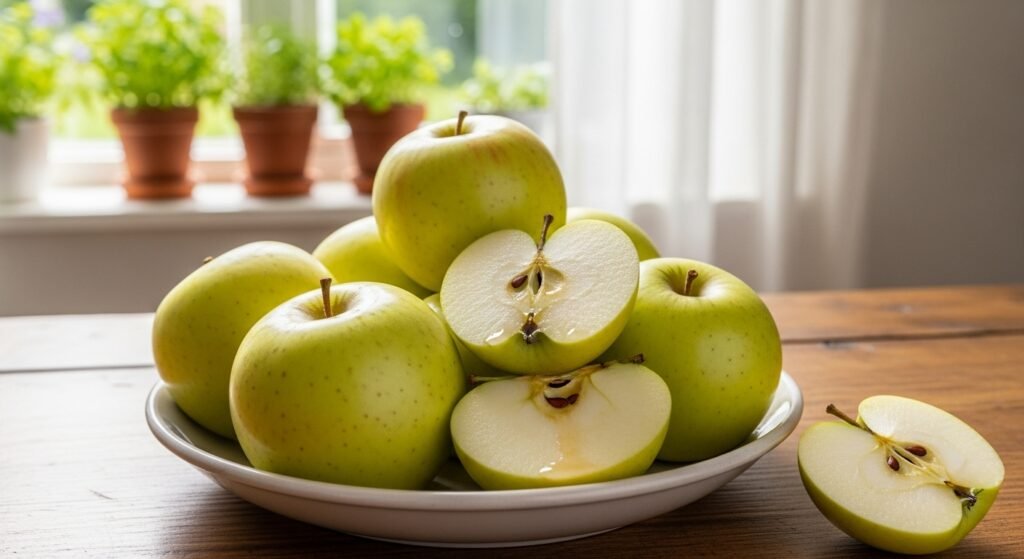
If you can’t wait until fall, get this tree. It gives you apples as early as July. The fruits are medium-sized and yellow-green. They have a juicy, creamy texture. They are tart if you pick them early but get sweeter as they ripen.
Ein Shemier

This is the hero for people in hot places. It loves dry, warm weather in zones 6 through 9. It makes sweet, pale green apples. You can pick them as early as June. It is self-fertile, so you only need one tree.
Shamrock

This apple is as green as a four-leaf clover. It has a soft, sweet flesh that is perfect for snacking. It is a champion at staying fresh in storage. You can keep these in the fridge for up to four months. It grows well in zones 3 through 9.
Antonovka
This is a tough tree from Russia. It can handle very cold winters that would kill other trees. The fruit is extremely tart and sour. Most people use it for cooking rather than eating raw. It is a very hardy heirloom variety.
Gravenstein

This is another tree that likes the cold. It grows in zones 2 through 9. The apples are sweet and very tasty when fresh. They don’t last long in storage, so eat them fast. You need a second tree nearby to get any fruit.
Comparison of Green Apple Varieties and Growing Requirements
| Variety Name | Flavor Profile | Primary Use | USDA Zones | Pollination | Harvest Season | Key Nutritional Focus |
| Granny Smith | Very Tart / Acidic | Baking & Snacks | 5 – 9 | Self-Fertile | Aug – Sept | High Fiber & Vitamin C |
| Ginger Gold | Sweet-Tart | Fresh Eating | 4 – 8 | Needs Pollinator | July – Aug | High Antioxidants |
| Pippin | Complex / Sharp | Cooking & Cider | 4 – 9 | Needs Pollinator | Sept – Oct | High Pectin Content |
| Crispin (Mutsu) | Sweet / Spicy | Multi-purpose | 4 – 8 | Needs Pollinator | Sept – Oct | Low Sodium / High Fiber |
| Golden Delicious | Sweet / Mild | All-purpose | 5 – 8 | Self-Fertile | Sept – Oct | High Natural Sugars |
| Early Harvest | Tart / Juicy | Sauce & Pies | 3 – 8 | Needs Pollinator | June – July | High Water Content |
| Ein Shemier | Sweet / Acidic | Applesauce | 6 – 9 | Self-Fertile | June – July | Vitamin A & C |
| Shamrock | Sweet / Mellow | Fresh Snacking | 3 – 9 | Needs Pollinator | Sept – Oct | High Quercetin |
| Antonovka | Bracingly Tart | Culinary / Juice | 2 – 7 | Needs Pollinator | Sept – Oct | Very High Acidity |
| Gravenstein | Sweet / Honey | Fresh Eating | 2 – 9 | Needs Pollinator | July – Aug | B-Complex Vitamins |
Advanced Care and Maintenance for Home Orchards
Once your tree is in the ground, the work isn’t over. You have to take care of it so it stays strong. This means pruning and watching for bugs.
- Pruning Branches. Cut off dead wood every winter. This helps the tree grow better fruit.
- Managing Pests. Watch out for worms or bugs that want your apples. You can use organic sprays to keep them away.
- Checking Ripeness. Don’t just pick an apple because it’s green. Give it a gentle twist. If it comes off easily, it is ready.
- Long-Term Storage. Keep apples in a cool, dark place. This helps them stay crunchy for months.
Growing Green Apples in Small Spaces
You don’t need a huge farm to have an orchard. Even a tiny yard or a balcony can work. You just have to pick the right style of tree.
Dwarf Varieties
Dwarf trees are bred to stay small. They usually only get about 8 to 10 feet tall. This makes them much easier to prune and harvest. You can fit a few of these in a small backyard. They still grow full-sized, delicious apples.
Container Gardening
Some types green apples grow great in large pots. This is perfect for a patio or a deck. You need a big pot with good drainage. Make sure to water it often, as pots dry out fast. It is a cool way to have fresh fruit if you don’t have a lawn.
Espalier Training
This is a fancy way to grow trees flat. You train the branches to grow along a wall or a fence. It looks like a living piece of art. It saves a ton of space in your garden. It also makes it very easy to pick every single apple.
Conclusion: Selecting the Perfect Green Apple for Your Yard
There are so many types green apples to explore. Whether you want a tart Granny Smith or a sweet Shamrock, there is a tree for you. Think about your weather and how much space you have. Planting a tree is an investment in your future snacks. It is a fun hobby that the whole family can enjoy. Start your orchard today and enjoy fresh fruit for years!
Frequently Asked Questions
Which green apple variety is best for making hard cider?
The Pippin and Granny Smith are excellent for cider. Their high acidity and sharp flavor profiles provide the necessary structure and tang that ferment into a crisp, refreshing beverage.
Are green apples better for weight loss than red ones?
Green apples often have slightly higher fiber content and lower sugar levels than many red varieties. This combination helps you feel full longer and maintains steadier blood sugar levels, making them a popular choice for diet-conscious eaters.
How do I prevent my green apple slices from turning brown?
Since green apples are often used in salads, browning can be an issue. You can toss the slices in a mixture of water and lemon juice or pineapple juice. The citric acid slows down the oxidation process that causes the flesh to darken.
Can green apples be used to ripen other fruits?
Yes, they release ethylene gas just like other apples. If you place a green apple in a paper bag with an unripe avocado or peach, the gas will speed up the ripening process of the other fruit.
What is the average lifespan of a green apple tree?
A well-cared-for standard apple tree can live and produce fruit for 35 to 50 years. Dwarf varieties have a shorter lifespan, typically ranging from 15 to 25 years.
Why do some green apples have a waxy feel on the skin?
Apples naturally produce a coating of wax to help them retain moisture. In some green varieties, this natural wax is more noticeable, giving the skin a shiny or slightly tacky texture.
Are there any green apples that are native to North America?
Most modern green apples, like the Granny Smith, originated elsewhere or are cultivated hybrids. However, the Newtown Pippin is one of the oldest varieties developed specifically on American soil, dating back to the early 18th century.
Do green apples have more Vitamin C than red apples?
Generally, tart green apples like the Granny Smith tend to have a slightly higher concentration of Vitamin C and various antioxidants compared to very sweet red varieties like Fuji or Gala.
Can I grow green apples from the seeds found in store-bought fruit?
While you can plant the seeds (pips), the resulting tree will not be a “clone” of the parent. It will be a random hybrid, and the fruit it produces may not be green or even edible. Most gardeners use grafted trees to ensure the specific variety.
What are the best companion plants for green apple trees?
Planting herbs like chives, dill, or fennel near your apple trees can help. These plants attract beneficial insects that prey on common apple pests like aphids and mites.
How often should I water a newly planted green apple tree?
During the first year, a young tree needs about an inch of water per week. In hot, dry weather, you may need to water it every two to three days to ensure the root system establishes itself.
Can green apples be frozen for later use?
Yes, you can freeze them. It is best to peel, core, and slice them first. Sprinkling them with a bit of lemon juice and sugar before freezing helps maintain their color and texture for future baking.
Why did my green apple tree bloom but not produce any fruit?
This is often due to a lack of pollination. If there aren’t enough bees in your area or if you don’t have a second compatible variety blooming at the same time, the flowers will fall off without setting fruit.
Are green apples safe for dogs to eat?
Yes, green apples are a healthy, crunchy treat for dogs. However, you must always remove the seeds and the core, as the seeds contain small amounts of cyanide which can be harmful if consumed in large quantities.
Which green apple variety is most resistant to apple scab?
The Shamrock variety is known for having a decent level of resistance to apple scab, a common fungal disease that causes dark spots on the leaves and fruit.
Does the thickness of the skin vary between green apple types?
Yes. Granny Smith apples are known for having quite thick, tough skins, while varieties like the Gravenstein or Shamrock have much thinner, more delicate skins.
Can I grow a green apple tree in a coastal environment?
Yes, but you must choose a variety that is tolerant of salt spray and humid air. The Gravenstein is often a good choice for coastal regions with cooler summers.
What is the difference between a “pip” and a “graft”?
A pip is a seed that grows into a unique, unpredictable tree. A graft involves taking a branch from a known green apple variety and joining it to a sturdy rootstock to ensure the fruit stays true to its type.
How do I store green apples if I don’t have a refrigerator?
You can store them in a “root cellar” or any cool, dark, and humid place. Wrapping individual apples in newspaper can prevent one rotting apple from spoiling the whole batch.
Why do some green apples develop “bitter pit”?
Bitter pit looks like small brown sunken spots on the skin. It is usually caused by a calcium deficiency in the fruit, often triggered by inconsistent watering or high levels of potassium in the soil.