Skip to content
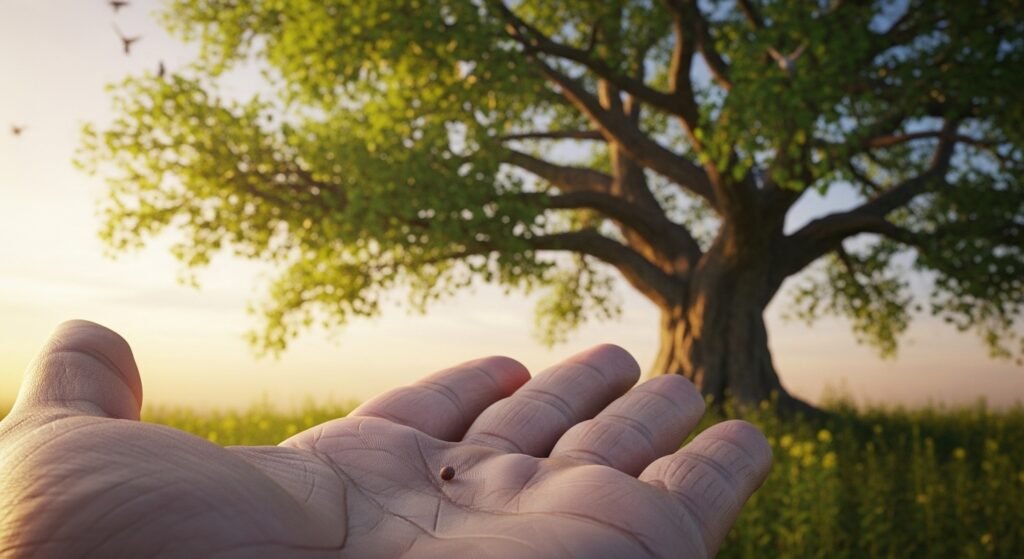
The mustard seed tree is one of the coolest things in nature. It starts as a tiny speck that you can barely see. Then it turns into a huge plant that towers over the garden. This guide will show you everything about this amazing plant. We will look at how it grows and what it means. You will learn how to plant it and keep it healthy. It is a fun journey from a small seed to a big tree.
Introduction to the Mustard Seed Tree
The mustard plant has a special place in history and science. Many people wonder if it is a small herb or a giant tree. There are actually two different types of plants people talk about. One is the common mustard plant used for food. The other is the biblical mustard tree found in dry places. Both show how life can grow from something very small.
Distinguishing Between Mustard Varieties

There is the common mustard plant called Brassica. This one gives us the seeds for the yellow mustard we eat. Then there is the Salvadora persica which is the real tree. The Brassica is more like a big bush that grows fast. The Salvadora grows much taller and has a woody trunk. Knowing the difference helps you choose the right one for your yard.
The Paradox of the Tiny Seed
A mustard seed is smaller than a grain of salt. It seems impossible that a tree can come from it. This is why people find it so inspiring. It reminds us that big things have humble beginnings. The seed holds a lot of power inside its tiny shell. Once it hits the soil, it starts a massive change.
Botanical Characteristics and Identification

Identifying a mustard seed tree is pretty easy if you know what to look for. They have a unique look that stands out in a field. The stems are usually stiff and green. The plant feels sturdy even when it is young. You can see it changing every single week as it gets taller. It is a very active grower that loves the sun.
Size and Physical Stature
Most garden mustard plants grow about three to six feet tall. This is roughly the size of a person. If the soil is really good, they can hit fifteen feet. The true tree variety can reach twenty feet high. It develops a thick and twisted trunk over time. This makes it look very old and strong.
Leaf Morphology and Structure
The leaves on a mustard plant are usually lobed and green. They look a bit like kale or collard greens. The tree variety has leaves that are more like ovals. These leaves feel a bit thick and juicy. They grow close together to create a lot of shade. This shade is great for birds and small bugs.
Flowers and Pollination
Mustard plants grow beautiful yellow flowers that are quite small. They grow in clusters at the top of the plant. Bees and butterflies absolutely love these bright blooms. They fly from flower to flower to help the plant make seeds. The flowers usually show up about five weeks after planting. It makes the whole garden look bright and happy.
Seed Pods and Berries
The seeds grow inside long and skinny pods. These pods look like tiny green beans at first. When they get dry, they turn brown and brittle. The tree variety produces berries instead of pods. These berries are round and can be eaten by animals. Inside the pods or berries are the seeds for next year.
Varieties and Species Deep Dive
Not all mustard plants are the exact same. There are several main types that people grow around the world. Some are for eating and some are for medicine. Some like the cold while others like the desert. Learning about these types helps you be a better gardener. Each one has its own special personality and use.
Brassica Nigra (Black Mustard)
- Flavor: This type has a very strong and spicy taste.
- Origin: It comes from the Mediterranean area originally.
- Growth: It grows wild and can get very big very fast.
- Usage: People use these seeds for the most pungent mustard recipes.
Brassica Juncea (Brown/Indian Mustard)
- Greens: This variety is famous for its tasty leaves.
- Oil: It is often grown to make mustard oil for cooking.
- Hardiness: It can grow in many different types of soil.
- Region: It is very popular in Asian cooking and farming.
Sinapis Alba (White/Yellow Mustard)
- Taste: This is the mildest version of mustard.
- Condiment: It is the main ingredient in the yellow mustard we put on hot dogs.
- Gardening: Farmers use it to keep their soil healthy between seasons.
- Speed: It grows extremely fast compared to other types.
Salvadora Persica (The Toothbrush Tree)
- History: People have used its twigs to clean their teeth for ages.
- Climate: It loves the hot and dry desert air.
- Structure: It looks more like a traditional tree with a woody base.
- Fruit: It grows sweet berries that people and birds enjoy.
Seasonal Growth Habits and Lifecycle
The mustard seed tree has a very fast life. It goes from a seed to a full plant in just a few months. You have to watch it closely or you might miss something. It follows a set path as the weather changes. Understanding this cycle helps you know when to harvest. It is an annual plant, so it lives for one season.
The Annual Lifecycle
The whole process takes about 85 to 95 days. That is less than three months from start to finish. It spends its energy growing tall and making seeds. Once the seeds are done, the plant naturally dies off. You can then save the seeds to plant them again next year. It is a never-ending cycle of life.
Germination Phase

The seeds need the right temperature to wake up. They usually sprout in seven to ten days. At first, you won’t see much happening above the ground. The plant is busy building a strong root system down deep. These roots will help it stand up when it gets tall. Good roots are the secret to a huge plant.
Flowering and Seed Development
After five weeks, the yellow flowers start to pop out. This is the most beautiful part of the growth cycle. The plant stops getting taller and focuses on its flowers. Once the flowers fade, the seed pods start to grow. The weather at this time is very important for seed quality. Too much heat can make the seeds drop early.
Optimal Growing Conditions
If you want a huge mustard seed tree, you need the right spot. Mustard is not very picky, but it has preferences. It likes the sun but hates being too hot. The soil needs to be just right for the roots to spread. If you give it what it wants, it will grow like crazy. It is a very rewarding plant for beginners.
Climate and Temperature Preferences
Mustard likes temperate weather best of all. It loves cool and moist soil in the spring. If the temperature gets above 80 degrees, it gets stressed. The desert variety is different and can handle extreme heat. For most gardeners, planting in early spring is the best move. This lets the plant finish before the summer heat hits.
Soil and Environment
- pH Level: The soil should be slightly acidic to neutral.
- Drainage: Water should not sit in puddles around the plant.
- Salt: The tree variety can actually grow in salty soil.
- Sunlight: It needs at least six hours of full sun every day.
Step-by-Step Growth and Cultivation Process
Growing your own mustard is a fun project for anyone. You don’t need a lot of fancy tools to start. Just some seeds, dirt, and a little bit of water. You can even grow it in a big pot on a porch. Follow these steps to see your tiny seeds turn into giants. It is like a science experiment in your backyard.
Sowing and Initial Care
Start by putting the seeds about half an inch deep. Do not plant them too deep or they won’t sprout. Space them out so they have room to breathe. Keep the soil damp but not soaking wet. If too many sprout in one spot, pull the small ones out. This gives the strongest plants more room to get big.
The Vegetative Leap
Once the plant is established, it will take a giant leap. It can grow several inches in just one week. You will see the main stalk get thicker and stronger. This is when the plant needs the most water. It is building its body to hold up all the future flowers. It is amazing how fast it happens.
Monitoring Maturity
You will know the plant is done when it hits its full height. The pods will start to look full and bumpy. Keep an eye on the color of the pods every day. You want to harvest them before they pop open on their own. If you wait too long, the seeds will fall on the ground. Testing a pod by squeezing it is a good trick.
Advanced Companion Planting and Garden Integration
Mustard is a great team player in the garden. It can help other plants grow better if you place it right. It also acts as a natural shield for smaller vegetables. Some plants love being near mustard, while others do not. Learning these pairs will make your whole garden much healthier. It is all about finding the right neighbors.
Best Companion Plants
- Beans: They put nitrogen in the dirt which mustard loves.
- Peas: Like beans, they help the soil stay rich and fertile.
- Leafy Greens: The tall mustard plants block the wind for them.
- Flowers: Marigolds help keep bad bugs away from the mustard.
Plants to Avoid Near Mustard
You should not plant mustard near other cabbage family plants. This includes things like broccoli and cauliflower. They all attract the same kind of hungry bugs. If one gets sick, they all might get sick. Also, avoid planting it near very small plants that need lots of food. Mustard is a fast eater and might take all the nutrients.
History and Cultural Significance
The mustard seed tree has been around for a very long time. People have been using it for thousands of years. It started in places like the Mediterranean and Asia. Ancient kings and farmers both valued this humble plant. It has traveled all over the world with humans. Its history is as rich as its flavor.
Origins and Ancient Cultivation
The Sumerians were growing mustard over 6,000 years ago. The Egyptians also used it in their cooking and medicine. Later, the Romans brought it to places like England and France. They even mixed the seeds with grape juice to make a paste. This was the very first version of the condiment we use today. It has been a staple in kitchens for ages.
Symbolism and Spiritual Meaning
- Faith: It is the most famous symbol for having a little faith.
- Growth: It shows that tiny steps lead to huge results over time.
- Resilience: The plant can grow in tough spots, showing true strength.
- Hope: Its branches offer a place of rest and a bright future.
The Parable of the Mustard Seed in Global Religions
In the Bible, the mustard seed is a story about the Kingdom of God. It explains how a small group can grow into a huge family. In Buddhism, the seed is used to teach about life and death. Hinduism uses it to talk about the soul and the universe. Almost every culture sees something special in this little seed. It is a universal symbol of potential.
Maintenance and Long-Term Care
Taking care of your mustard plant isn’t hard work. You just need to stay consistent with your chores. It mostly needs water and a little bit of cleaning. If you keep it happy, it will reward you with plenty of seeds. Even a little bit of care goes a long way with mustard. Here is how to keep it in tip-top shape.
Watering Strategies
You should water your mustard plant deeply once or twice a week. Don’t just sprinkle the top of the dirt. Use your finger to check the soil every few days. If the top inch feels dry, it is time for a drink. Try not to get the leaves too wet to avoid mold. Watering at the base of the plant is the best way.
Pruning and Structural Maintenance
Pull off any leaves that look yellow or dead. This helps the plant focus its energy on the healthy parts. It is a good idea to trim the very bottom branches too. This keeps them from touching the dirt where bugs live. For the tree variety, you can shape it with garden shears. This makes it look neat and keeps it from falling over.
Pest and Disease Management
Aphids and flea beetles are the biggest enemies of mustard. You can usually blast them off with a strong hose. If that doesn’t work, try some soapy water on the leaves. Look out for white fuzzy spots which could be mildew. Giving the plants plenty of space helps the air move. Good air flow is the best way to prevent plant sickness.
Harvesting and Processing
Harvesting is the most exciting time for any gardener. It is when you finally get to see the fruits of your labor. You have to be careful not to be too messy with the seeds. They are very small and can disappear into the grass easily. Once you have them, you can use them for many things. Here is how to do it the right way.
When to Harvest

- Color: Wait for the seed pods to turn a light brown color.
- Sound: If you shake a pod and it rattles, it is ready.
- Time: Usually this happens about 90 days after you planted.
- Feel: The pods should feel dry and crunchy to the touch.
Harvesting Techniques
You can cut the whole stalk off and put it in a paper bag. Shake the bag hard to make the seeds fall out of the pods. This is called threshing and it is very effective. Then you can blow away the dry pod pieces. This leaves you with just the clean, round seeds. It is a very satisfying process to do by hand.
Storage and Preservation
Make sure your seeds are completely dry before storing them. If they are damp, they will grow mold and get gross. Put them in a glass jar with a tight lid. Keep the jar in a cool and dark place like a pantry. These seeds can stay good for several years if kept dry. You will have plenty for cooking and for planting next spring.
Multifaceted Benefits of the Mustard Plant
Mustard is way more than just a yellow sauce. It is a super plant with tons of different uses. Every part of the plant can be helpful in some way. It is good for your body and good for the earth. Having it in your yard is like having a tiny pharmacy and grocery store. It is truly a gift from nature.
Culinary Uses
You can eat the young leaves in a fresh salad. They have a nice peppery kick that tastes like radish. You can also cook the older leaves like spinach. The seeds can be ground up to make your own spicy mustard. They are also great for pickling cucumbers or flavoring meats. It is one of the most versatile spices in the world.
Agricultural and Environmental Impact
Mustard is a hero for the soil in your garden. It acts as a cover crop that stops the dirt from washing away. It also kills off bad tiny worms that hurt other plants. When you dig it back into the dirt, it becomes a natural fertilizer. It also draws in good bugs that eat the bad bugs. It keeps the whole garden ecosystem in balance.
Traditional and Modern Medicine
In the old days, people used mustard for many aches. A mustard plaster was used to help people breathe better. It creates heat that can soothe sore muscles and joints. Today, scientists are looking at seeds for healthy antioxidants. They contain special compounds that might fight off big diseases. It is a very powerful little seed for our health.
Troubleshooting Common Growth Issues
Sometimes things don’t go perfectly in the garden. Your mustard might look a little sad or stop growing. Don’t worry, because most problems are easy to fix. You just have to be a little bit of a plant detective. Check the water, the sun, and the soil first. Most of the time, the plant just needs a little adjustment.
Why isn’t my mustard flowering?
If your plant is all leaves and no flowers, it might have too much food. Too much nitrogen makes it stay in the green phase too long. It could also be that it is not getting enough sunlight. Make sure nothing is shading your plant during the day. Sometimes you just have to wait a little longer. Nature has its own clock for these things.
Stunted Growth and Yellowing Leaves
If the plant is tiny and won’t grow, the soil might be too hard. Roots need soft dirt so they can spread out. Yellow leaves usually mean the plant is too wet or too dry. Check the dirt with your hand to see which one it is. It could also mean the plant has used up all the vitamins in the dirt. A little bit of compost can help bring it back to life.
Growth and Care Requirements for the Mustard Seed Tree
| Category | Requirement Details |
| Optimal Sunlight | At least 6 to 8 hours of direct full sun daily. |
| Ideal Temperature | Prefers 45°F to 75°F for standard types; up to 100°F for tree varieties. |
| Soil Type | Well-drained, loamy soil rich in organic matter or compost. |
| Soil pH Level | Slightly acidic to neutral range (6.0 to 7.5 pH). |
| Planting Depth | Seeds should be sown roughly 0.25 to 0.5 inches deep. |
| Seed Spacing | Keep plants 12 to 18 inches apart for proper airflow. |
| Germination Time | Expect sprouts to appear within 7 to 10 days of sowing. |
| Watering Needs | Provide 1 to 2 inches of water per week; keep soil moist. |
| Fertilization | Use a balanced organic fertilizer if the soil is poor in nutrients. |
| Thinning | Remove smaller seedlings once they reach 3 inches in height. |
| Common Pests | Watch for aphids, flea beetles, and cabbage loopers. |
| Disease Prevention | Avoid overhead watering to prevent powdery mildew and rust. |
| Pruning Frequency | Remove dead leaves and lower branches once every few weeks. |
| Mulching | Apply a 2-inch layer of straw to retain moisture and cool roots. |
| Maturity Period | Most varieties reach full seed production in 85 to 95 days. |
| Container Size | Minimum 5-gallon bucket for indoor or porch growth. |
| Support Needs | Tall varieties may require staking in high-wind areas. |
| Harvest Sign | Seed pods turn brown and become brittle to the touch. |
| Salt Tolerance | High for tree varieties (Salvadora persica); low for garden types. |
| Winter Care | Protect from frost or harvest completely before the first freeze. |
Conclusion: The Legacy of the Mustard Seed
The mustard seed tree is a true wonder of the natural world. It teaches us about patience and the power of small things. Whether you grow it for food or for its beauty, it is worth it. It has a long history and a bright future in our gardens. Every time you see a tiny seed, remember what it can become. Happy gardening to everyone who tries to grow this giant.
Frequently Asked Questions About the Mustard Seed Tree
Is a mustard seed tree the smallest seed in the world?
While it is famous for being tiny, it is not the actual smallest. Orchid seeds are much smaller and look like dust to the human eye. The mustard seed tree is simply a great example of a large plant from a small start.
Can I grow a mustard seed tree indoors in a pot?
Yes, you can totally grow them inside if you have a big sunny window. You need a deep pot because the roots like to stretch out. Make sure the pot has holes so the water can drain out properly.
Do mustard seed trees lose their leaves in the winter?
The common garden mustard is an annual and will die once it makes seeds. The tropical mustard seed tree stays green all year if the weather is warm. If it gets too cold, even the big trees might drop their leaves to stay safe.
Is the mustard seed tree invasive in the United States?
In some places like California, wild mustard grows so fast it takes over. It is not always called invasive, but it is definitely a very aggressive grower. Always check your local area rules before planting it in an open field.
How long do the seeds stay good for planting?
If you keep them dry and cool, they can last for three to five years. Old seeds might take longer to sprout or might not grow at all. It is always best to use seeds from the previous year for the best results.
Can chickens eat mustard seed tree leaves?
Chickens actually love pecking at mustard greens in the garden. It is healthy for them and full of good vitamins. Just don’t let them eat the whole plant before it has a chance to grow tall.
Does the mustard seed tree smell like the mustard we eat?
The leaves and flowers have a very faint spicy scent if you crush them. It does not smell like the yellow mustard bottle until the seeds are processed. The smell is fresh and a little bit like a radish.
What is the difference between wild mustard and a mustard seed tree?
Wild mustard is usually a smaller weed that grows on the side of the road. The mustard seed tree is a specific type that gets much larger and has a woody base. They are cousins but look different when they are fully grown.
Can I use mustard seed tree wood for building things?
The wood from the true tree variety is very soft and easy to carve. It is not strong enough to build a house or heavy furniture. People mostly use it for small crafts or making traditional cleaning sticks.
Does the mustard seed tree attract snakes to my garden?
The tree itself does not attract snakes, but the shade and birds might. Snakes like to hide in cool spots during the heat of the day. If your plant is very bushy near the ground, just keep it trimmed.
How do I stop my mustard seed tree from spreading seeds everywhere?
You have to cut the seed pods off while they are still green or slightly brown. If you wait until they are totally dry, they will pop open and blow away. Being quick with the garden shears is the only way to stop them.
Is the mustard seed tree poisonous to dogs or cats?
The seeds can cause a bit of a tummy ache if a pet eats too many. Usually, the spicy taste stops them from eating enough to get really sick. It is best to keep an eye on curious pets around the garden.
Why are my mustard seed tree leaves turning purple?
Purple leaves usually mean the plant is a little bit too cold. It can also mean the soil is missing a nutrient called phosphorus. Check the weather first, and then try adding a little bit of organic plant food.
Can I grow a mustard seed tree from a store-bought mustard seed?
You can try, but many seeds in the spice aisle have been heat-treated. This means they are dead and will not sprout no matter how much you water them. Buying seeds meant for planting is a much better bet.
Does the mustard seed tree need a lot of fertilizer?
Mustard is a light eater and usually finds what it needs in the dirt. If your soil is very sandy, you can add some compost before you plant. Too much fertilizer will actually give you fewer seeds in the end.
How do I tell a male mustard seed tree from a female one?
Mustard plants are special because they have both parts on the same flower. This means you only need one plant to get seeds. You don’t have to worry about picking different genders when you shop for seeds.
Can the oil from the mustard seed tree be used for lamps?
Yes, people have used mustard oil as fuel for small lamps for centuries. It burns quite bright and has a very distinct smell when it gets hot. It was a common way to light homes in ancient times.
Does the mustard seed tree help with garden soil erosion?
The roots are very thick and do a great job of holding the dirt in place. Many farmers plant it on hills to stop the rain from washing the soil away. It is a natural way to protect your landscape.
Is it hard to kill a mustard seed tree once it starts growing?
They are very hardy, so they can survive a lot of mistakes. If you want to get rid of them, you have to pull them up by the roots. Simply cutting the top off might not stop it from coming back.
Do mustard seed trees grow better in groups or alone?
They like having a little bit of space so they can spread their branches. If they are too crowded, they won’t get as tall as they should. Planting them about a foot apart is the sweet spot for a big harvest.