Skip to content
Most folks think of hostas as just big leafy blobs in the shade. They are famous for those giant green or blue leaves. But there is a secret side to these plants. The blooms on hostas are actually a total game changer for your yard. They add height and color when you least expect it. Many gardeners ignore the flowers or even cut them off. That is a huge mistake if you want a complete garden. These flowers bring in cool birds and bugs too. Learning to manage these blooms will make your garden look professional. You do not need to be a pro to get this right. This guide will show you how to handle every single stem. We will talk about when to cut them and when to keep them. You will learn which ones smell like heaven. By the end, you will see your hostas in a whole new way. Let’s dive into the world of hosta flowers together.
Understanding the Blooms on Hostas
You have to know what you are looking at first. Hostas are not just random greens. They have a specific way of growing their flowers. These plants are part of a bigger family. Knowing their history helps you take better care of them.
Botanical Family and Traits

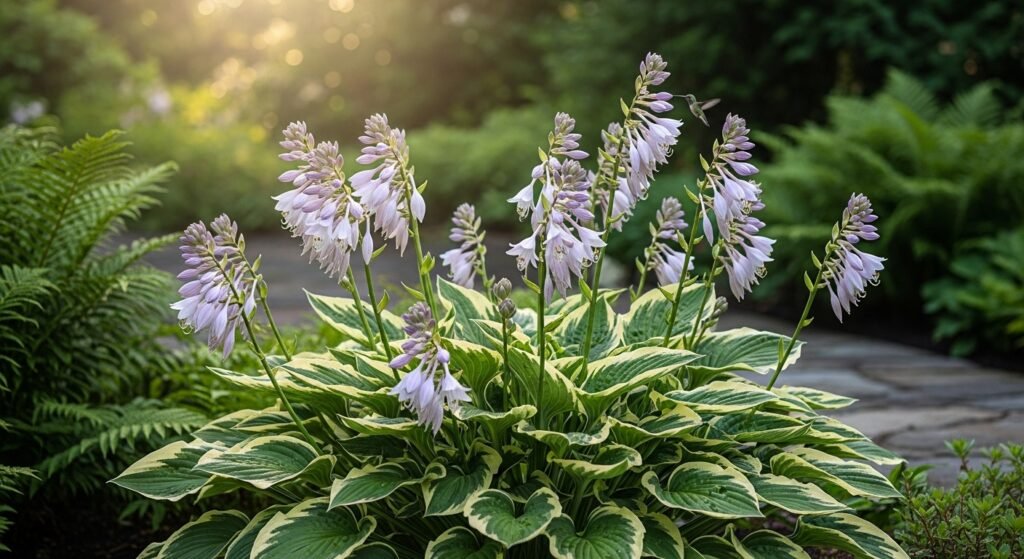
Hostas are proud members of the Liliaceae family. This means they are actually cousins to lilies. You can see it in the way the flowers look. They usually have a funnel or bell shape. These blooms grow on long stalks called scapes. The scapes shoot up from the center of the plant. They stand tall above the leaves to get noticed. Each scape can hold dozens of flower buds. They open one by one to keep the show going. This design is perfect for catching the eye of passersby.
Flowering Duration and Life Cycle
The life of a single hosta flower is very short. One bloom usually lasts for only one single day. It opens up in the morning and fades by dark. But do not worry about a short show. A single plant can send up ten or more scapes. Each scape might have up to fifty buds on it. This means your hosta stays in bloom for three to four weeks. It is a slow and steady parade of color. You get a fresh look every morning for nearly a month.
The Flowering Season Timeline
Hostas do not all bloom at the same time. This is great news for your garden planning. Some varieties start their show as early as May. Others wait until the heat of midsummer. A few special ones even bloom in September or October. You can have blooms on hostas for almost half the year. It all depends on which types you put in the ground. Early bloomers kick off the spring vibes. Late bloomers help bridge the gap into the fall season.
The Aesthetic and Design Value of Hosta Blooms
Flowers add a layer of beauty that leaves cannot match. They bring a different texture to the shade. You can use them to create focal points in your yard. Designers love them for their vertical lines.
- Diverse Color Palette. Blooms on hostas come in many soft shades. You will mostly see deep purples and light violets. There are also many pure white options. Some even have a hint of pink in the petals.
- Intricate Visual Striations. If you look closely, many petals have stripes. These lines are called striations. They add a lot of detail to a small space. It makes the flowers look like tiny pieces of art.
- Vertical Landscape Design. The tall scapes provide a big contrast to the low leaves. They break up the flat look of a hosta bed. This adds height without needing a trellis. It creates a more dynamic feel in your garden.
- The Famous White Border. Gardeners like Beatrix Farrand used white hostas for a reason. Planting white-flowering hostas in a row creates a glowing edge. This looks amazing in the twilight or under moonlight. It makes a dark corner of the yard feel safe and bright.
- Unique Scape Structures. Not all scapes are just straight sticks. Some varieties have very thick or colored stems. For example, ‘Blue Dolphin’ has scapes that look like royal scepters. These structures stay interesting even after the petals fall.
The Sensory Appeal: Fragrance and Pollinators
Your garden should be about more than just looks. It should smell good and feel alive. The blooms on hostas provide a sensory experience. They turn a quiet corner into a busy hub for nature.
The Magic of Fragrant Varieties
Not all hostas have a scent, but the ones that do are amazing. Most fragrant hostas come from a species called Hosta plantaginea. These are often called August Lilies because of when they bloom. They have a sweet and heavy scent like a jasmine plant. The smell is strongest in the late afternoon and evening. Planting these near a porch or window is a smart move. You can sit outside and enjoy the perfume for free. It adds a luxury feel to any basic backyard.
Attracting Beneficial Wildlife

The blooms on hostas are like a neon sign for pollinators. They provide food when other flowers might be dried up. Your garden will buzz with life once the scapes open.
- Bumblebees. Bees love the wide openings of hosta flowers. They can easily crawl inside to get the nectar. You will see them hopping from bell to bell all day.
- Hummingbirds. These tiny birds are huge fans of tubular flowers. The purple and white bells are the perfect shape for their beaks. Having hostas is a great way to invite them to your yard.
- Butterflies. Late-summer hosta blooms are a vital food source. Butterflies use this nectar to fuel up for their travels. It makes your garden a helpful stop on their long journey.
Notable Hosta Cultivars for Floral Interest
If you want the best flowers, you have to pick the right plants. Some hostas are bred specifically for their blooms. These stars of the show outshine the basic green types.
Top Fragrant and White-Flowering Varieties

- Hosta plantaginea. This is the queen of the fragrant hostas. It has huge, waxy white flowers that smell like heaven. It is a must-have for any scent lover.
- Honeybells. This one is a classic for a reason. It grows fast and produces lots of light lavender flowers. The scent is light and very pleasant.
- Aphrodite and Venus. These are special because they have double flowers. This means they have extra layers of petals. They look much fuller than the standard bell shape.
- Guacamole. This plant has stunning chartreuse leaves and big flowers. The blooms are very fragrant and appear in midsummer.
- Cathedral Windows. This is a flashy plant with bright yellow centers. Its flowers are large, white, and very aromatic. It looks great even when it is not blooming.
Varieties with Unique Floral Structures
- Blue Dolphin. As mentioned before, this one has scepter-like scapes. It is a conversation starter in any garden.
- Branched Flower Hybrids. Some new types are being made by experts like Tony Avent. These hostas have scapes that branch out like a tree. This means you get way more flowers on a single stalk. It makes the floral display look much denser and more wild.
When and Why You Should Cut Blooms on Hostas
This is the biggest debate among hosta fans. Some people hate the flowers. Others live for them. There is no wrong answer, but there are good reasons for both.
Cutting Before the Bloom
You might want to snip the stalks as soon as they pop up. This keeps the focus entirely on the leaves. Some people think the tall stalks look messy or like weeds. By cutting them early, you save the plant a lot of work. The hosta does not have to spend energy making flowers. Instead, it puts all that power into making bigger, better leaves. If you have a variety with ugly or boring flowers, just chop them. Your plant will stay compact and tidy all season long.
Cutting During the Bloom for Indoor Use
Did you know you can bring the blooms on hostas inside? They make fantastic cut flowers for your kitchen table. The long stems fit perfectly into tall vases. You should wait until the first two flowers on the stalk open up. Then, snip the whole scape at the base. The rest of the buds will open up over the next two weeks in water. It is a free way to get a fancy floral arrangement from your own yard. They look very modern and clean in a glass jar.
Cutting After the Bloom (Deadheading)
Most people wait until the flowers are done to cut the stalks. This is called deadheading. It is a very healthy habit for your plants.
- Saving Energy. Once the flowers fade, the plant tries to make seeds. This takes a massive amount of energy. If you cut the stem, the plant stops making seeds. It sends that energy down to the roots and leaves instead.
- Cleaning Up the Yard. Old hosta stalks turn brown and crunchy. They can make a beautiful garden look neglected. Removing them keeps everything looking fresh and green.
- The Three-Fourths Rule. You do not have to wait for every last bud to die. A good rule is to cut the scape when 75% of the flowers are done. This keeps the plant healthy and the garden neat.
Proper Techniques for Removing Hosta Stems
You cannot just go out there and start ripping things. You need to be gentle with your hostas. If you do it wrong, you could hurt the plant for next year.
The No-Pull Rule
Never ever pull a hosta scape out by hand. It might seem easy, but it is dangerous. Pulling can tear the crown, which is the heart of the plant. This creates an open wound that lets in bugs and rot. It can even kill the whole hosta if you are unlucky. Always use a tool to make a clean break.
Using the Right Tools
You need a pair of sharp pruning shears for this job. Make sure they are clean before you start. Dull blades will crush the stem instead of cutting it. A clean cut heals much faster than a jagged one.
Where to Make the Cut

Look for the spot where the scape meets the leaves. You want to cut as low as possible without nicking any leaves. Try to hide the “stump” under the foliage. This makes the plant look like it never had flowers at all. It is all about that clean, finished look.
Sanitation and Disease Prevention
Hostas can get a nasty sickness called Hosta Virus X or HVX. It spreads through the sap of the plant. If you cut a sick plant and then a healthy one, you pass the virus. Always wipe your shears with rubbing alcohol between plants. You can also use a mix of bleach and water. This one extra step can save your entire hosta collection. It is better to be safe than sorry when it comes to garden health.
Troubleshooting: Why Your Hostas May Fail to Bloom

It can be a total bummer when your hostas won’t flower. You might see the leaves growing fine, but no scapes ever appear. Usually, there is a simple reason for this.
- Not Enough Light. Hostas are shade plants, but they aren’t cave plants. Most varieties need some dappled light to make flowers. If they are in total darkness, they will skip the blooming part. Try moving them to a spot with a little morning sun.
- Wrong Soil pH. Hostas are a bit picky about their dirt. They like a pH between 6.5 and 7.5. If the soil is too acidic or too alkaline, the plant gets stressed. Stress means no flowers. You can buy a cheap test kit to check your dirt.
- Thirsty Plants. Hostas need a lot of water to push up those tall stalks. They want at least one inch of water every single week. If the ground gets too dry, the plant will drop its flower buds to save itself. Make sure you soak them during heat waves.
- Nutrient Issues. Sometimes a plant has plenty of food but the wrong kind. If you use too much nitrogen, you get giant leaves but no blooms. You need phosphorus to help the flowers grow. Check your fertilizer bag for the middle number.
Advanced Soil and Fertilization for Maximum Blooms
If you want the biggest and best blooms on hostas, you have to feed them right. Good soil is the foundation of any great flower show. You can’t just plant them and forget them.
The Power of Phosphorus
Phosphorus is the secret ingredient for flowers. In the gardening world, we call it a “Bloom Booster.” When you look at fertilizer, it has three numbers. The middle number is the phosphorus. A higher middle number tells the plant to stop making leaves and start making scapes. Just be careful not to overdo it. Too much can be bad for the environment. Use it sparingly in the early spring when you first see the leaves poking up.
Soil Amendments for Hosta Health
The best dirt for hostas is rich and crumbly. You can make your soil better by adding organic matter. Compost is like gold for these plants. Leaf mold is also a great choice. These things help keep the soil at that perfect 6.5 to 7.5 pH level. They also help the dirt hold onto water like a sponge. Well-draining soil is a must because hostas hate “wet feet.” If the roots sit in a puddle, they will rot and die.
Seasonal Maintenance and Long-Term Care
Taking care of your hostas is a year-round job. Each season brings new tasks to keep the flowers coming back. If you stay on top of it, your hostas will live for decades.
How to Extend the Bloom Season
You can be sneaky with your planting to get more flowers. Don’t just buy one type of hosta. Buy a mix of early, mid, and late bloomers. Start with species like Hosta sieboldii for spring flowers. Then fill in the middle with the common purple types. Finish the summer with the fragrant white ones. This creates a relay race of blooms in your garden. As one finishes, the next one is just starting.
Preparing for Winter and Dormancy
When the weather turns cold, your hostas will start to go to sleep. The leaves will turn yellow and then brown. This is totally normal. Once the first hard frost hits, the foliage will collapse. You should cut the dead leaves and old flower stalks all the way to the ground. This gets rid of hiding spots for bugs over the winter. A thin layer of mulch on top will protect the crown from freezing too hard.
Dealing with Seed Pods
If you don’t deadhead, you will see green pods forming. These are the seeds. Some people like to let them drop. Just know that the “babies” will probably look different from the parent. Most garden hostas are hybrids, so their seeds are a surprise. If you want your garden to stay looking exactly the same, don’t let the seeds drop. If you like a little mystery, let them grow and see what happens.
Companion Planting for Hosta Flowers
Hostas look better when they have friends. Choosing the right neighbors can make the blooms on hostas pop. It’s all about playing with colors and shapes.
- Contrast with Foliage. Try planting purple-flowered hostas next to yellow plants. Something like Japanese Forest Grass looks amazing next to them. The bright yellow makes the purple bells look even richer.
- Brightening Dark Corners. Use white-flowering hostas in the darkest parts of your yard. They act like little lamps in the shade. Pair them with delicate ferns to get a soft, romantic look.
- Vertical Layers. Giant hostas have very tall scapes. Use these in the back of your garden bed. Put shorter plants like Heuchera in front. This creates a stadium-seating effect for your flowers. It makes the whole space feel much bigger than it really is.
Common Pests and Diseases Affecting Flowers
Even the toughest plants have enemies. You have to keep an eye out for trouble. Catching a problem early is the only way to save the blooms on hostas.
The Slug and Snail Battle
Slugs are the number one enemy of hostas. They love to munch on those tender leaves. But they also love the juicy new flower stalks. A slug can chew through a scape before it even opens. Use organic pellets or beer traps to keep them away. If you see slimy trails, you know they are around. Don’t let them ruin your flower show before it starts.
Wildlife Pressure
Deer and rabbits think hostas are delicious. In fact, many gardeners call them “garden candy.” They will often eat the flower heads right off the stems. If you have a lot of animals, you might need to use a spray repellent. You can also build a small fence if you are desperate. Just remember that if you are hungry, the animals probably are too.
Disease Identification
Foliar Nematodes are tiny worms that live inside the leaves. They can make the plant look sick and prevent blooming. Then there is Hosta Virus X which we talked about earlier. If you see weird spots or twisted flowers, that plant might be sick. It is best to dig it up and throw it in the trash. Never put a sick hosta in your compost pile. You will just spread the germs to the rest of your yard next year.
Essential Requirements for Blooms on Hostas
| Requirement Category | Ideal Specification | Impact on Flowering |
| Soil pH Level | 6.5 to 7.5 (Neutral to slightly acidic) | Balanced pH ensures nutrient uptake for scape development. |
| Watering Frequency | At least 1 inch per week | Prevents bud drop and ensures stalks grow to full height. |
| Sunlight Exposure | Dappled shade / 2-4 hours of morning sun | Fragrant white varieties need more sun to trigger blooming. |
| Fertilizer Type | High Phosphorus (e.g., 10-20-10) | Stimulates flower production rather than just foliage. |
| Pruning Tool | Sharp, sterilized pruning shears | Prevents tearing of the crown and stops disease spread. |
| Sanitation Method | Rubbing alcohol or 10% bleach solution | Essential to prevent Hosta Virus X (HVX) between plants. |
| Deadheading Timing | After 75% of flowers have faded | Prevents seed setting and redirects energy to the roots. |
| Cut Flower Timing | When 2 flowers on the scape are open | Maximizes vase life; remaining buds open sequentially indoors. |
| Pollinator Attraction | High (Bees, Humminbirds, Butterflies) | Blooms on hostas provide vital late-season nectar. |
| Soil Texture | Loamy, well-draining, rich in organic matter | Prevents root rot while maintaining necessary moisture. |
| Mulching | 2-3 inches of organic mulch | Keeps roots cool and maintains moisture during bloom peaks. |
| Pest Control Focus | Slug and Snail management | Protects tender emerging scapes from being eaten early. |
| Plant Spacing | Varies by cultivar size | Ensures air circulation to prevent fungal issues on petals. |
| Winter Care | Cut back to ground after first hard frost | Removes disease-hosting debris and prepares for dormancy. |
| Edibility Safety | Chemical-free plants only | Flowers are edible but must be free of systemic pesticides. |
| Bloom Window | May through October (variety dependent) | Staggering cultivars extends the total floral display. |
| Fragrance Peak | Late afternoon and evening | Best time to enjoy the scent of August Lilies. |
| Seed Management | Removal before pods crack | Prevents unwanted, non-true-to-type “volunteer” seedlings. |
| Scape Height | 6 inches to 4 feet | Varies by species; taller scapes require wind protection. |
| Disease Monitoring | Regular checks for HVX and Nematodes | Ensures long-term health and flower quality of the clump. |
Creative Uses for Hosta Blooms
Most people just look at the flowers, but you can do more. There are some fun and weird ways to use your hosta plants.
Are Hosta Flowers Edible?
Believe it or not, you can actually eat hosta flowers. In some cultures, people even eat the young shoots in the spring. The flowers have a mild, sweet taste. They look beautiful as a garnish on a summer salad. Just make sure you haven’t sprayed them with any chemicals. Also, make sure they are real hostas and not something else. Always do your research before you start snacking in the garden.
Photography and Macro-Gardening
Because hosta flowers only last a day, they are perfect for photos. Macro photography lets you see the tiny stripes and dew drops. It is a great way to document your garden’s progress. You can capture a moment that will be gone by tomorrow morning. It makes you appreciate the small things in your yard much more.
Managing the blooms on hostas is a rewarding part of gardening. Whether you cut them for a vase or leave them for the bees, they add value. You now have the tools to keep your hostas healthy and happy. Keep an eye on your soil, water them well, and enjoy the scent. Your shade garden is about to become the most popular spot on the block. Which variety will you plant next?
Frequently Asked Questions
Can you grow hostas from the seeds found in the pods?
Yes, you can harvest the seeds once the pods turn brown and start to crack open. However, hostas are hybrids, so the seeds will not grow into a clone of the parent plant. You will likely end up with a plain green plant, which can be a fun experiment for patient gardeners.
Are the flowers of all hosta varieties the same size?
No, there is a massive range in flower size. Some miniature varieties have tiny bells only a half-inch long, while species like Hosta plantaginea produce massive trumpet-shaped blooms that can reach up to six inches in length.
Will cutting the flowers make the hosta leaves grow larger the same year?
While it saves energy, you usually won’t see a massive jump in leaf size during the same season. The energy saved is stored in the roots over winter, leading to a much more vigorous and larger flush of leaves the following spring.
Is it true that some hosta flowers only open at night?
Most hosta flowers open in the morning, but those with strong fragrances, like the August Lily, often wait until the late afternoon or early evening to fully open. This timing is designed to attract night-flying moths as pollinators.
Can I use the flower stalks as stakes for other plants?
Hosta scapes are surprisingly strong and fibrous once they dry out. Some gardeners repurpose the dried, woody stalks as lightweight stakes for smaller garden plants or to mark where bulbs are buried in the soil.
Why do my hosta flowers look like they are melting after rain?
Hosta petals are very delicate and have a high water content. Heavy rain or high humidity can cause the petals to collapse and turn into a mushy substance, which is why deadheading after a storm is often necessary to keep the plant looking clean.
Do hostas bloom better in pots or in the ground?
Hostas can bloom beautifully in both, but potted hostas often bloom more reliably because the soil warms up faster in the spring. However, they are more prone to drying out in pots, which can cause the flower buds to drop prematurely.
Are there any hostas that have double blooms?
Yes, though they are rare. Cultivars like ‘Aphrodite’ and ‘Venus’ are famous for having double flowers, meaning they have extra layers of petals that give them a full, gardenia-like appearance.
Why are the flower buds on my hostas falling off before they open?
This is usually caused by “bud blast,” which is often a result of sudden temperature swings or extreme drought. If the plant feels it cannot support the moisture needed for a bloom, it will sacrifice the buds to save the main crown.
Can hosta flowers be dried for crafts?
Hosta flowers do not dry well because they are too thin and moist; they tend to shrivel and lose their color. However, the dried seed pods are very popular in dried floral arrangements and autumn wreaths for their structural look.
Is the liquid inside a hosta flower bud poisonous?
The sap of a hosta contains saponins, which can be irritating to the skin or toxic if eaten in large amounts by pets. While the nectar is safe for bees, you should wash your hands after pruning the stems if you have sensitive skin.
Do different flower colors attract different insects?
Generally, deep purple and lavender flowers are highly attractive to bees, who see those colors more clearly. White flowers are often more attractive to night-pollinators like moths because they “glow” in the moonlight.
Should I fertilize my hostas while they are in full bloom?
It is better to fertilize in early spring and mid-summer before the scapes emerge. Fertilizing during the peak of bloom can sometimes cause the plant to focus too much on leaf growth, shortening the lifespan of the current flowers.
Can I tell how old a hosta is by its flowers?
Not exactly, but a mature hosta will produce significantly more scapes than a young one. A very old, established clump might send up dozens of stalks, whereas a newly planted division may only produce one or two.
Do hostas ever bloom twice in one season?
Most hostas have one primary bloom cycle. However, if you live in a warm climate and deadhead the first round of flowers immediately, some vigorous varieties may send up a smaller, secondary “flush” of flowers in late autumn.
Are the flowers on blue-leaved hostas always purple?
Most blue-leaved hostas tend to have pale lavender or nearly white flowers. The contrast between the cool blue foliage and the soft purple flowers is considered one of the most desirable looks in shade gardening.
Does the height of the flower stalk depend on the sun?
Yes, hostas in deeper shade often grow taller, “leggier” scapes as they reach upward to find more light. Hostas in brighter spots will have shorter, sturdier stalks that are less likely to flop over.
Can hosta flowers be used to make dye?
Some crafters have used the deep purple flowers for natural dyeing, but the color is often fugitive, meaning it fades quickly. It results in a very soft, light lavender or greyish tint on natural fibers like wool or silk.
Why do some hosta flowers have no scent at all?
The majority of hosta species evolved to be pollinated by bees during the day, where visual color is more important than scent. Fragrance evolved mostly in species that needed to attract pollinators over long distances or in the dark.
Can you prevent a hosta from blooming entirely?
If you truly dislike the flowers, you can select “foliage-only” cultivars that have been bred to rarely bloom, or you can simply snip the scapes the moment they appear. This does not hurt the plant and actually keeps it looking uniform all year.