Skip to content
Growing your own food is a total blast once you get the hang of it. Potatoes are a staple in almost every garden because they are hardy and tasty. One big question new gardeners always ask is are yukon gold potatoes determinate or indeterminate for their local climate. Understanding this helps you decide how to plant them and how much space you need.
Understanding Potato Growth Habits
Potatoes might all look similar on your plate, but they grow in two very different ways. Scientists call these growth habits determinate and indeterminate. These terms tell you how the plant develops its stems and how it sets its tubers. Knowing the difference is the first step to becoming a potato pro in your backyard.
The fundamental difference between determinate and indeterminate types
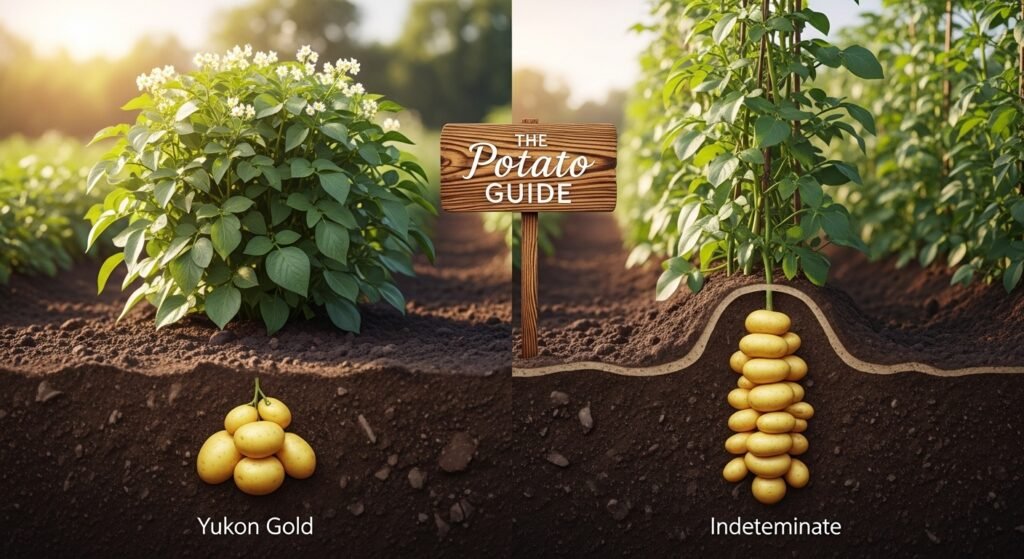
Determinate potatoes are like a sprint runner that finishes a race quickly. They grow to a set size, flower, and then they are done for the season. Indeterminate potatoes are more like marathon runners that keep going for a long time. They continue to grow taller and produce more potatoes as long as the weather stays nice.
The botanical biological triggers for tuberization
Tuberization is just a fancy word for when the plant starts making potatoes. This process starts when the plant senses the right temperature and day length. For determinate types, this happens all at once early in the growth cycle. Indeterminate types keep starting new tubers as the plant vines upward toward the sun.
How growth habits dictate your garden layout and container choices
You have to plan your garden space based on how these plants move. Determinate plants stay small and bushy, so they fit great in tight spots. Indeterminate plants need a lot of vertical room or space to crawl. If you use containers, you need to know which type you have to pick the right pot size.
What are Determinate Potatoes?
Determinate potatoes are often called bush potatoes by seasoned growers. They are the go-to choice for people who want food fast. These plants reach a certain height and then stop growing taller. This makes them very easy to manage if you have a small backyard or a patio.
Definition and Growth Pattern
A determinate potato plant grows until it produces a flower bud at the tip of its stem. Once that flower appears, the plant stops adding new leaves and stems. All the energy then goes straight into making the potatoes underground. The plant stays compact and usually looks like a small, tidy shrub in your garden bed.
Life Cycle
The life cycle of these potatoes is very predictable and fast. They sprout quickly from the seed potato and put on a lot of green leaves. After a few weeks, they bloom with pretty white or purple flowers. Once the flowers fade, the plant begins to turn yellow and die back.
Tubers and Tuber Set
These potatoes grow in a single layer in the soil. They form along the short underground stems called stolons right near the main root. You will find almost all your harvest at the same depth. This makes harvesting really easy because you do not have to dig very deep.
Ideal Growing Conditions
Determinate varieties are perfect for places with short summers. If your ground stays frozen until late spring, these are for you. They can handle the quick transition from spring to the heat of summer. They also do well in areas where the soil might get too dry later in the year.
What are Indeterminate Potatoes?
Indeterminate potatoes are the giants of the potato world. They are often called vining potatoes because of their long stems. These plants do not have a set size and just keep growing. They are great for people who want a massive harvest and have plenty of time.
Definition and Growth Pattern
These plants keep growing new leaves and stems from the top. They do not stop when they flower like the determinate types do. The stems can get quite long and may fall over if they are not supported. This growth pattern allows them to produce potatoes all along the buried parts of the stem.
Extended Growing Season
Indeterminate potatoes need a lot of time to reach their full potential. They will stay green and keep growing until the first hard frost of autumn. This means they stay in your garden for several months. You need a climate where the weather stays mild for a long period.
The Multi-Layer Tuber Set

This is the coolest part about growing indeterminate varieties. As you add soil around the stem, the plant grows new potatoes in those layers. You end up with potatoes stacked on top of each other underground. This is why people use tall towers or deep bags for these specific types.
Long-Term Maintenance
Since they live longer, they need a bit more love and attention. You have to keep an eye on them for about four months. They need a steady supply of water and nutrients to keep the vines healthy. You also have to keep adding soil to cover the new growth.
Critical Comparisons: Determinate vs. Indeterminate
Choosing between these two depends on your goals as a gardener. Some people want a quick snack, while others want to fill a cellar. Looking at them side-by-side helps you see which one fits your lifestyle. Both have pros and cons that affect your daily garden chores.
Maturity Timelines
The time it takes to get to dinner is the biggest factor. Determinate types are often called early-season or mid-season potatoes. Indeterminate types are usually late-season crops. You can even plant both to have potatoes all summer and fall.
- Determinate timing: These usually take about 70 to 90 days to be ready.
- Indeterminate timing: These need anywhere from 110 to 135 days or more.
Yield Expectations
If you want the most weight for your effort, indeterminate is the winner. They produce more tubers because they have more space to grow them. Determinate types give a smaller but very reliable harvest all at once. Think of it as a single big payday versus a long-term investment.
Space Management
You have to think about how much room you have in the dirt. Determinate plants are great for small raised beds or square-foot gardens. They do not crowd out their neighbors as much. Indeterminate plants need a lot of room to spread their long vines.
Plant Architecture
The way the plants actually look in the garden is different too. Determinate plants have thick, sturdy stems that stand up straight. Indeterminate plants have thinner stems that like to crawl along the ground. You might need to give indeterminate plants some extra support as they grow.
Soil and Environment Requirements
Potatoes are not too picky, but they do have some ground rules. They grow underground, so the soil quality is super important. If the soil is too hard, the potatoes will be small and weirdly shaped. Getting the environment right ensures your plants stay happy and disease-free.
Optimal Soil pH
The acidity of your soil can make or break your potato crop. Potatoes love soil that is slightly acidic. This helps prevent a common disease called scab that makes the skin look ugly. You can buy a cheap test kit to check your dirt at home.
- Ideal range: Keep your soil pH between 5.5 and 6.5.
- Adjusting pH: Use sulfur to lower it or lime to raise it if needed.
Temperature Sensitivity
Potatoes love cool weather but they hate the freezing cold. They grow best when the air is between 60 and 70 degrees. If the soil gets too hot, the plant might stop making tubers. Mulching your plants helps keep the roots cool during a heatwave.
Sunlight Needs
These plants are sun worshippers and need plenty of light to grow big. They use the sun to make starch through a process called photosynthesis. That starch is what makes the potato grow large and delicious. Make sure your garden spot gets at least six to eight hours of sun.
Soil Texture
The best soil for potatoes feels loose and crumbly in your hand. Gardeners call this loamy soil, and it is the gold standard. It allows the roots to spread out and the tubers to expand easily. If you have heavy clay, add some compost to loosen it up.
Planting Strategies for Success
How you start your potatoes determines how they finish. You cannot just throw a potato in a hole and hope for the best. There are a few tricks to make sure they sprout strong. Following these steps will give you a much better chance at a huge harvest.
Choosing Seed Potatoes
Never plant potatoes from the grocery store if you can avoid it. Those are often treated with chemicals to stop them from sprouting. They might also carry diseases that can ruin your garden soil for years. Always buy certified disease-free seed potatoes from a local nursery or online.
Chitting (Pre-Sprouting)
Chitting is just a fancy word for letting your potatoes sprout before planting. Put your seed potatoes in a cool, bright spot for a few weeks. You will see little green “eyes” start to grow out of the skin. This gives the plant a head start once it hits the warm soil.
Planting Depth
The depth depends on what kind of potato you are growing in the yard. Most people start by digging a trench about six inches deep. Place the seed potato at the bottom with the sprouts facing up. Cover it with a few inches of soil to start the growth.
Spacing Guidelines
Don’t crowd your plants because they need room to breathe and grow. If they are too close, they will fight over water and food. Air needs to flow between the leaves to keep them dry and healthy. Follow these simple measurements for the best results in your garden beds.
- In-row spacing: Space your seed potatoes about 12 inches apart.
- Between-row spacing: Keep the rows about 30 to 36 inches apart.
The Art and Science of Hilling

Hilling is the most important chore for any potato gardener. It involves piling soil or mulch around the base of the plant. This protects the growing potatoes and gives them a place to live. Without hilling, you might end up with green potatoes that you cannot eat.
The Purpose of Hilling
The main reason we hill is to keep the sun off the tubers. If a potato sees the light, it turns green and becomes toxic. Hilling also helps kill off weeds that are trying to steal nutrients. It provides extra support so the tall stems do not fall over.
Hilling for Determinate Varieties
You do not need to do much hilling for determinate types of potatoes. Since they only grow one layer of tubers, deep mounds are not needed. Just a little bit of soil or mulch to cover the base is plenty. This saves you a lot of heavy lifting during the summer months.
- Why minimal hilling: These plants don’t grow potatoes higher up the stem.
- Using mulch: Straw or grass clippings work great to keep the light out.
Hilling for Indeterminate Varieties
This is where the real work happens for vining potato types. You need to keep adding soil as the plant grows taller and taller. Every time the plant grows six inches, add more soil or straw. This encourages the plant to make even more layers of delicious potatoes.
- The Potato Tower: A vertical structure that lets you pile soil very high.
- Step-by-step: Cover half of the green growth every few weeks.
- Best materials: Use a mix of soil, compost, and loose straw for drainage.
Container Gardening and Urban Homesteading

You do not need a big farm to grow amazing potatoes. Containers are a fantastic way to grow food on a porch or balcony. They make it easy to control the soil and keep pests away. It is also way easier to harvest because you just tip the pot over.
Best Varieties for Pots and Grow Bags
Size is the most important thing to think about when picking a pot. Determinate varieties like Yukon Gold are perfect for standard five-gallon buckets. They won’t outgrow the space or get too heavy for the container. Indeterminate types need much deeper bags to reach their full potential.
Vertical Gardening
If you have a tiny yard, go vertical with your potato crop. You can use crates, towers, or even old tires stacked on top of each other. This works best with indeterminate varieties that love to grow upward. It turns a small patch of ground into a massive food producer.
Drainage and Aeration
Potatoes hate sitting in soggy, wet dirt because they will rot. Your containers must have plenty of holes in the bottom for water. Fabric grow bags are great because they let the roots breathe easily. If the air can move through the soil, your plants will be much stronger.
Fertilization in Containers
Plants in pots eat through their food much faster than plants in the ground. Every time you water, some nutrients wash out of the bottom. You need to give your container potatoes a little extra fertilizer. Use a balanced liquid feed every couple of weeks to keep them happy.
Detailed Variety Guide: Determinate (Early/Mid-Season)
Are yukon gold potatoes determinate or indeterminate is a question that leads to many choices. Most of the potatoes we love for summer salads are determinate. These varieties are reliable and fast, making them favorites for home cooks. Here are some of the best bush-style potatoes you can grow.
Yukon Gold
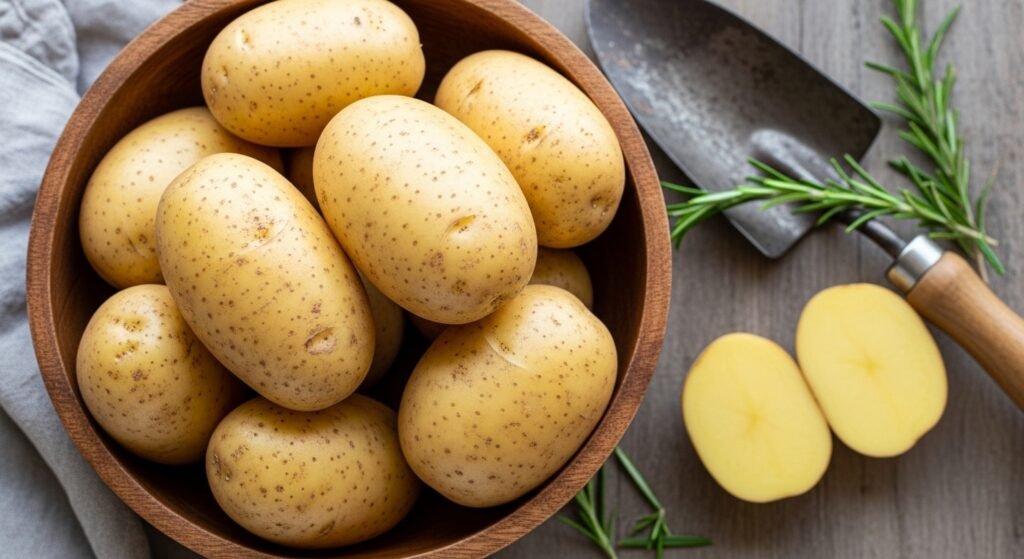
This is the most famous potato for a reason and yes, it is determinate. It has a buttery flavor and a smooth, yellow skin that looks great. It is the answer to the common question are yukon gold potatoes determinate or indeterminate for growers. It is an all-purpose potato that works for mashing, frying, or boiling.
Red Norland
If you want the earliest harvest possible, look for Red Norland. It has a bright red skin and white flesh that stays firm when cooked. This variety is very tough and can handle some light frost. It is perfect for those who are impatient to eat their own homegrown food.
Superior
This variety lives up to its name by being very resistant to common diseases. It is a white-skinned potato that produces a very heavy crop for its size. It grows well in many different types of soil across the country. Gardeners love it because it is so dependable year after year.
Adirondack Blue and Red
These are the stars of the show if you want colorful food on your plate. The flesh inside is actually blue or red and stays that way after cooking. They are packed with antioxidants, which makes them a very healthy choice. Kids love growing these because of the “magic” colors inside the skin.
Kenneybec
This is a classic white potato that many farmers grow for making chips. It is a determinate variety that produces very large, uniform tubers. It is very easy to grow and resists many of the common potato viruses. It is a great “starter” potato if you have never grown them before.
Additional Varieties
There are so many more determinate types to explore in your garden. Each one has a slightly different flavor or texture for your favorite recipes. You can find red, yellow, and white types that all finish early. Try a few different ones to see which grows best in your specific dirt.
- Red Pontiac: A rugged red potato that handles heat very well.
- Chieftain: Known for having very smooth skin and a great storage life.
- Gold Rush: A russet-style potato that grows in a determinate bush.
- Sierra Rose: A beautiful pink potato with a very creamy texture.
Detailed Variety Guide: Indeterminate (Late Season)
If you have a long summer, you should try growing indeterminate potatoes. These are the varieties that will give you huge harvests for the winter. They take more work and time, but the payoff is totally worth it. Here are the best vining potatoes to plant in your garden.
Russet Burbank
This is the big baking potato you see in every single grocery store. It is a classic indeterminate type that needs a long, warm season. It has a thick, brown skin that is perfect for making crispy fries. It takes about 130 days to mature, so plant it early in the year.
German Butterball
Many gardeners think this is the best-tasting potato in the entire world. It has a very yellow, buttery flesh that is extremely creamy. It is an indeterminate variety that produces a lot of medium-sized tubers. It stores incredibly well, often lasting all the way until next spring.
French Fingerlings
Fingerlings are small, long potatoes that look like little fingers or toes. The French variety is indeterminate and can produce a massive amount of food. They have a nutty flavor that gourmet chefs absolutely love to use. Because they are small, they cook very quickly and stay firm.
Elba
If you live in a place where it rains a lot, the Elba potato is for you. It has amazing resistance to late blight and common potato scab. It is a very late-season potato that just keeps growing until the frost. The tubers are large, round, and great for mashing with lots of butter.
Russian Blue
This is a very cool-looking potato with deep purple skin and flesh. It is an indeterminate type that loves to vine out in the garden. The flavor is a bit earthy and it makes the best-looking purple mashed potatoes. It is a late-season variety that needs plenty of time to get big.
Additional Varieties
There are even more vining potatoes that can fill up your pantry for months. Some are rare heirloom types that you won’t find in any store. They come in all sorts of shapes and sizes for different meals. Growing these adds a lot of variety and fun to your homestead.
- Red Maria: A very heavy-yielding red potato that resists most pests.
- Nicola: A yellow potato that is famous for being low on the glycemic index.
- Butte: A russet variety that is packed with more vitamin C and protein.
- Bintje: An old-school Dutch variety that is the king of European fries.
Nutrient Management and Fertilization
Potatoes are heavy eaters and need a lot of fuel to make tubers. If they run out of food, the plants will look sad and yellow. You have to balance the different types of nutrients they need. Too much of one thing can actually hurt your potato harvest.
The Nitrogen Balance
Nitrogen is what makes the leaves grow big and green and healthy. You need plenty of it at the start of the season to build the plant. However, if you give them too much late in the season, they forget to make potatoes. You will end up with giant bushes but zero potatoes underneath.
Phosphorus and Potassium
These are the “underground” nutrients that help roots and tubers grow. Phosphorus helps the plant develop a strong root system early on. Potassium is critical for moving energy from the leaves down into the potatoes. It also helps the potatoes develop a thick skin for better storage.
Organic vs. Synthetic Fertilizers
You can choose between natural stuff like compost or store-bought pellets. Organic fertilizers like well-rotted manure feed the soil over a long time. Synthetic fertilizers give the plants a quick boost when they need it most. Most home gardeners find that a mix of both works best.
Compost Tea and Foliar Feeding
Foliar feeding is when you spray liquid nutrients directly onto the leaves. The plant can absorb these very quickly to fix any health problems. Compost tea is a great organic way to boost the plant’s immune system. This is very helpful for indeterminate varieties that are in the ground for a long time.
Troubleshooting Common Issues

Even the best gardeners run into trouble every once in a while. Potatoes can attract quite a few pests and diseases in the garden. The key is to catch these problems early before they spread. Regular walks through your garden will help you spot issues before they get bad.
Pests
The most famous potato pest is the Colorado Potato Beetle. They are striped bugs that can eat all the leaves off your plants. You also have to watch out for tiny aphids that suck the sap. Wireworms live in the soil and can drill holes into your growing potatoes.
Diseases
Blight is the big scary disease that every potato grower worries about. Early blight looks like brown spots, while late blight can kill a whole field. Potato scab makes the skin look crusty, but you can still eat the potato. Keeping the leaves dry and the soil healthy helps prevent most of these.
Environmental Stress
Sometimes the weather is the biggest enemy of your potato crop. Extreme heat can cause a problem called hollow heart in the middle. This is when the potato grows too fast and leaves a gap inside. Using mulch to keep the soil cool can help prevent this from happening.
Water Management
Potatoes need a steady supply of water to grow smoothly and evenly. If you go from bone-dry to soaking wet, the potatoes might crack. Too much water will drown the roots and cause the tubers to rot. Aim for about an inch of water per week for the best results.
Harvesting and Post-Harvest Handling
The moment of truth is when you finally get to dig up your treasure. It feels like digging for gold in your own backyard dirt. You have to be careful not to damage the potatoes as you dig. Knowing when to start digging is the most important part of the harvest.
Signs of Maturity
You will know the potatoes are ready when the green vines start to die. They will turn yellow and then brown and fall over on the ground. This is the plant’s way of saying it has finished its job. For indeterminate types, wait about two weeks after the foliage dies before digging.
Harvesting “New” Potatoes
You don’t have to wait until the end of the season to eat. You can “rob” the plant by gently reaching under the soil for small ones. These are called new potatoes and they have very thin, sweet skins. This is a great way to get an early treat while the rest grow.
The Main Harvest
When it is time for the big dig, use a garden fork very carefully. Start digging about a foot away from the center of the plant. This prevents you from stabbing the potatoes with the metal prongs. Gently lift the soil and watch the potatoes pop out of the ground.
Curing for Longevity

Don’t wash your potatoes right away if you want to store them. Let them sit in a cool, dark, dry place for about ten days. This process is called curing and it helps the skins get thicker. Tighter skins mean the potatoes won’t dry out or rot as fast.
Storage and Preservation
If you grow a lot of potatoes, you need a way to keep them fresh. A good harvest can feed your family all through the winter months. But if you store them wrong, they will turn into a mushy mess. Following these storage rules will keep your spuds crunchy and delicious.
Ideal Storage Conditions
Potatoes love a spot that is cool, dark, and a little bit humid. A basement or a root cellar is usually the best place for them. Never store them in the fridge because it turns their starch into sugar. Also, keep them away from light so they don’t turn green and toxic.
- Temperature: Aim for about 40 to 45 degrees Fahrenheit.
- Humidity: They like it damp but not wet, about 90% humidity.
Long-Term Storage Tips
Check on your stored potatoes every few weeks to look for problems. If one potato starts to rot, it will quickly ruin the whole pile. Remove any that feel soft or have sprouts growing out of them. Don’t store your potatoes near apples because they make the spuds sprout faster.
Evaluating Storage Potential
Some potatoes are just better at sitting in a cellar than others. Generally, late-season indeterminate varieties store the best for the long haul. Russets and late yellow potatoes like German Butterball are champions at this. Early-season determinate types like Yukon Gold should be eaten within a few months.
Conclusion and Summary of Choice
Deciding on your potato type is a big step for your garden plan. Whether you want the quick Yukon Gold or a massive Russet vine is up to you. Think about your climate, your space, and how much work you want to do. There is no wrong answer as long as you are growing your own food.
How to Decide
Use a simple checklist to see which type fits your backyard best. If you have a short summer, go with determinate bush types for sure. If you have a huge garden and a long autumn, try the indeterminate ones. Consider if you want to eat them now or save them for winter.
The “Mixed Garden” Approach
The smartest gardeners often plant both types at the same time. You can plant determinate types for summer potato salads and fresh eating. At the same time, plant indeterminate types for your big winter storage supply. This gives you a steady stream of food for almost half the year.
Final Thoughts on Sustainable Potato Cultivation
Growing potatoes is a rewarding journey that connects you to the earth. From the first sprout to the final harvest, it is a fun learning experience. Now that you know are yukon gold potatoes determinate or indeterminate, you can plant with confidence. Get out there, get your hands dirty, and enjoy your homegrown spuds!
Frequently Asked Questions (FAQs)
Are Yukon Gold potatoes determinate or indeterminate?
Yukon Gold potatoes are determinate, meaning they grow in a compact bush and finish early.
Do I need to hill my determinate potatoes?
You only need a little bit of hilling or mulch to keep the sun off the tubers.
Can I grow indeterminate potatoes in a 5-gallon bucket?
It is possible, but they usually outgrow the space; it is better to use a large grow bag or tower.
How long do indeterminate potatoes take to grow?
They typically need between 110 and 135 days to fully mature and produce a big harvest.
Why are my potatoes turning green?
They turn green because they were exposed to sunlight; always keep them covered with soil or mulch.
Can you plant determinate and indeterminate potatoes in the same garden bed?
Yes, you can plant them together, but it requires careful organization. You should place the indeterminate varieties on the north side of the bed so their tall vines do not shade out the smaller, bushy determinate plants. Additionally, remember that you will be hilling the indeterminate ones much higher, so leave enough physical space between the rows to avoid burying your determinate plants by accident.
What happens if you forget to hill your indeterminate potatoes?
If you skip hilling for indeterminate varieties, you will significantly reduce your total harvest. These plants are biologically programmed to grow tubers from the leaf axils along the buried stem. Without the extra soil, those potential potatoes will never form. Furthermore, any tubers that do grow near the surface will turn green and become toxic due to sunlight exposure.
Can you use straw instead of soil for mounding potatoes?
Using straw is a popular method often called the “Ruth Stout” method. It works exceptionally well for both types but is especially helpful for indeterminate varieties in towers. Straw is much lighter than soil, which makes harvesting easier and provides excellent aeration. Just ensure the straw layer is thick enough to completely block out all sunlight.
Do determinate potatoes produce flowers?
Yes, almost all potato varieties produce flowers, though some may drop their buds before they fully open. For determinate varieties, flowering is a signal that the plant has reached its maximum height and is now shifting all its energy into tuber production. You do not need to remove the flowers, as it does not significantly change the size of the harvest.
Is it possible to grow potatoes from true potato seeds (TPS)?
While most gardeners use seed potatoes (tubers), you can grow them from the small green berries that appear after flowering. These contain “true seeds.” However, potatoes grown from true seeds are genetically diverse and may not be the same as the parent plant. This is more common for plant breeders than home gardeners looking for a specific variety like Yukon Gold.
Why are my potato plants falling over mid-summer?
If your indeterminate plants are falling over, it is usually because the vines have grown so long that the stems can no longer support their own weight. This is natural for vining types. If determinate plants fall over and look wilted, it could be a sign of overwatering, a lack of nutrients, or the plant reaching the end of its natural life cycle.
Can you grow potatoes in the winter?
In most parts of the USA, potatoes are a spring and summer crop because they are sensitive to hard freezes. However, in very warm climates like Florida or Southern California, you can plant potatoes in the fall for a winter harvest. The soil temperature must stay above 45 degrees Fahrenheit for the tubers to grow.
Does the size of the seed potato matter for the final yield?
The size of the seed potato piece matters because it provides the initial energy for the plant to break through the soil. A piece about the size of a large hen’s egg with at least two “eyes” is ideal. If the piece is too small, the plant might be stunted; if it is too large, it may rot in the ground before the plant establishes its own root system.
How do you stop potatoes from sprouting in the cupboard?
Potatoes sprout when they are exposed to warmth and light. To prevent this, store them in a dark, cool place with good ventilation. Keeping them in a perforated paper bag or a burlap sack works best. Avoid storing them near onions, as onions release ethylene gas which triggers the potato’s internal clock to start sprouting.
Are potato leaves edible?
No, you should never eat the leaves, stems, or green fruit of a potato plant. Potatoes belong to the Solanaceae (nightshade) family and contain high levels of solanine, which is a toxic alkaloid. This toxin can cause severe stomach upset and other health issues in humans and pets.
Can I grow potatoes in a 100% compost medium?
You can grow potatoes in pure compost, and they will often grow very lush foliage. However, because compost is very rich in nitrogen, the plant might focus too much on leaf growth rather than tuber growth. It is usually better to mix compost with regular garden soil or peat moss to provide a more balanced nutrient profile and better structure.
What is “scab” and is it dangerous to eat?
Potato scab is caused by a soil-borne bacterium that creates rough, corky patches on the skin. While it looks unappealing, the potato is perfectly safe to eat once you peel the affected skin away. To prevent scab in future seasons, ensure your soil pH is slightly acidic, as the bacteria cannot thrive in low-pH environments.
How much water do potatoes need during a drought?
During a dry spell, potatoes need about one to two inches of water per week. Consistent moisture is the most important factor. If the soil goes through a “dry then wet” cycle, the tubers may develop cracks or “second growth” knobs, which makes them difficult to peel and store.
Can I save my own potatoes to plant next year?
You can save tubers from your harvest to use as seed potatoes next year, but there is a risk. Potatoes can accumulate viruses and diseases over time. By replanting your own, you might see smaller yields each year. Most experts recommend buying certified disease-free seed potatoes every few seasons to keep your garden healthy.
Do potatoes need pollinators like bees to produce tubers?
No, potatoes do not need bees or other insects to produce the tubers we eat. The potatoes grow on underground stems called stolons, which have nothing to do with the pollination of the flowers. Bees are only necessary if you are trying to produce the true seeds found in the green potato berries.
What causes “hollow heart” in large potatoes?
Hollow heart is a gap or cavity in the center of the potato. It is usually caused by a sudden burst of growth, often due to excessive watering or fertilization after a dry spell. While the potato is safe to eat, it is a sign that the plant experienced environmental stress during the tuber-bulking phase.
Can I grow potatoes in the shade?
Potatoes are sun-loving plants and require at least six hours of direct sunlight. While they might grow in partial shade, the plants will be leggy and the harvest will be very small. The leaves need sunlight to produce the starches that fill the tubers underground.
Should I cut my potato plants back before harvesting?
For storage potatoes (mostly indeterminate), it is a common practice to cut the vines down to ground level about two weeks before you plan to dig them up. This “shocks” the potatoes and signals them to toughen their skins, which helps them stay fresh for many months in storage.
Why are my potatoes small and marble-sized?
Small potatoes are usually the result of “early harvest” or plant stress. If the plant didn’t get enough water, or if the soil was too compacted and hard, the tubers couldn’t expand. High soil temperatures (above 80 degrees) can also cause the plant to stop growing tubers entirely.
Is it okay to use fresh manure on potatoes?
You should avoid using fresh manure because it can carry pathogens and is often too high in nitrogen, which can burn the tender sprouts. Additionally, fresh manure is known to increase the incidence of potato scab. Always use well-rotted, aged composted manure instead.