Skip to content
Starting your own garden from scratch is like a superpower for plant lovers. Most of us kick off the season by planting seeds indoors to get a head start, but it can be a frustrating experience at first. You might see your plants grow tall and weak, or even die suddenly after you move them outside.
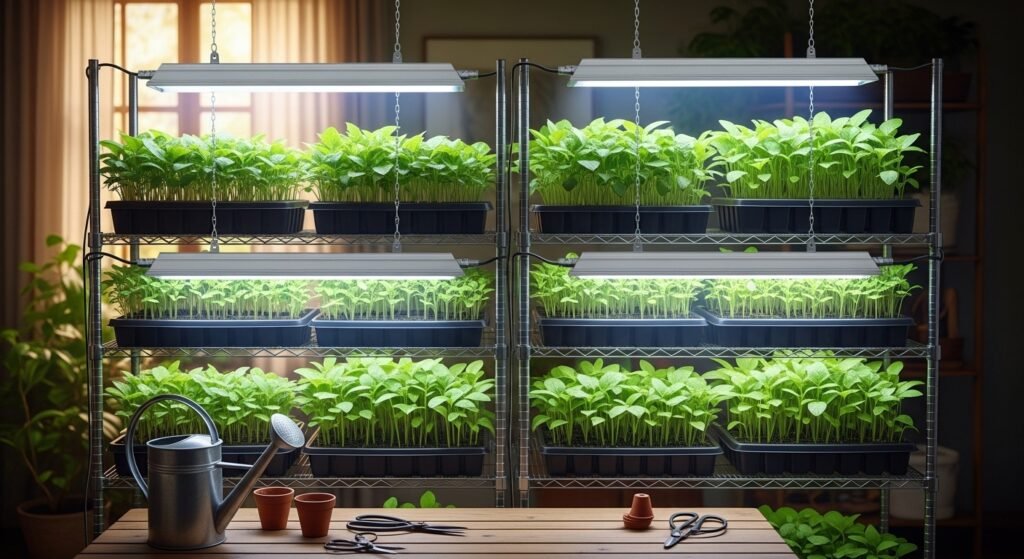
This guide will help your seedlings grow strong using pro tips and simple shop lights. We cover everything from soil recipes to hardening off your plants. You can save a lot of cash by using inexpensive lights from a hardware store instead of buying fancy, expensive gear.
Introduction to Successful Indoor Seed Starting
Learning how to start seeds inside is a total game-changer for your home gardening. It gives you control over the weather and the soil before the spring sun hits. You can grow unique flower garden plants or heirloom vegetables that shops do not carry. It takes some trial and error to learn how to grow healthy transplants. But once you nail the basics, you will have a greenhouse feel right in your spare room. Using the right tools like a DIY setup can make this easy and fun for everyone.
The Benefits of Starting Indoors
Starting seeds inside gives your plants a massive head start on the season. You get to control the heat, light, and water from day one. This is super helpful if you live somewhere with a short summer. It lets you grow crops that take a long time to mature like peppers or big tomatoes. You also save money because a packet of seeds is cheaper than buying big plants. It is a cost-effective way to fill up your garden beds.
Overcoming Common Failures
Many beginners struggle with plants that become extremely tall, leggy, and weak. This usually happens when the plants are searching for more light. Another common issue is when they die suddenly in their containers. This is often caused by a fungal disease called damping off. We will show you how to avoid these traps with better air circulation. You will learn to manage moisture so your plants stay happy and healthy.
The Cost-Effective Advantage
You do not need to spend a fortune on professional botanical equipment. Standard shop lights with T5 or T8 fluorescent bulbs work wonders for plant growth. These lights are way cheaper and easier to find than high-end grow lights. You can set up a seed starting station on a simple rack or shelf. This DIY approach is great for home gardening on a budget. It allows you to produce strong seedlings without breaking the bank.
Selecting and Preparing High-Quality Seeds
The first step to make a seedling grow well is choosing the right starting point. You want to pick seeds that have a lot of energy tucked inside. Think of the seed as a tiny battery that needs to power a whole plant. If the battery is old or weak, the plant will struggle to thrive. Spending a little extra on good seeds pays off during harvest time.
Use Vigorous Seeds
It is very important to use strong and vigorous seed from the start. High-quality seeds have better germination rates and grow much faster. They produce transplants that can fight off pests and disease more easily. Look for reputable sellers that specialize in horticulture or heirloom plants. Good seeds are the foundation of a productive and healthy garden.
The Danger of Old Seeds
Using old or poor-quality seeds is a recipe for frustration in the garden. They often fail to germinate well or take a very long time to sprout. If they do grow, they often produce weak seedlings that never catch up. It is better to buy fresh stock each year for your main crops. This ensures you are not wasting your time or shelf space on duds. Your garden deserves the best start possible to reach its full potential.
Understanding Seed Requirements
Different plants have different rules for how they like to wake up. Some seeds are easy, while others need a bit of a push to sprout. You should always read the back of the seed packet for specific instructions. Every plant has its own unique needs for photosynthesis and early development.
- Cold Stratification: This is a fancy way of saying some seeds need a “winter” nap. You put them in the fridge for a few weeks to mimic cold ground.
- Light vs. Dark Germination: Some seeds need light to sprout and should stay on top of the soil. Others need total darkness and must be buried deep to start growing.
Planning the Timing
Timing is everything when you want to make a seedling grow into a huge plant. You have to work backward from the date of the last frost in your area. If you start too early, your house will be overrun with giant plants. If you start too late, you miss out on early summer harvests.
- Avoid Starting Too Early: Holding plants too long in small pots can make them root bound. They might never recover once they finally get moved into the garden.
- Using Seed Starting Calculators: Tools like the Johnny’s Seed Starting Date Calculator help you find the best dates. It is often better to plant a bit later than to start way too early.
Creating the Ideal Growing Medium
The dirt you use matters just as much as the seeds you pick. Standard garden soil from outside is way too heavy for tiny roots. It might also have bugs or diseases that could kill your young plants. You need a sterile mix that is light and full of air. This helps the roots spread out quickly and stay healthy.
Why Quality Soil Mix Matters
A good seed starting mix provides the perfect balance of water and air. It allows the tiny roots to breathe while holding enough moisture to stay wet. High-quality mixes from places like Johnny’s or Gardener’s Supply are excellent choices. They are specifically designed to help every seedling grow without any early struggles. Cheap potting soil can sometimes be too dense or lack the right nutrients.
The Importance of Pre-Moistening
Most potting soils are very dry when you first buy them in the bag. Dry peat moss actually repels water like a raincoat at first. You must thoroughly moisten the soil before you put it into containers. If you plant in dry soil, the water might just run off the top. This leaves the seeds dry and prevents them from ever sprouting.
- Techniques for hydration: Put the dry mix into a large bucket or tray before adding water. Turn the soil over repeatedly so the moisture gets all the way through the mix.
- The “Wrung-out Sponge” test: The soil should feel like a moist, rung-out sponge when it is ready. It should not be dripping wet or dusty and dry.
DIY Soil Mix Recipe

You can save money by making your own specialized soil mix at home. This lets you control exactly what goes into your plants from the beginning. A simple formula can be mixed in a large wheelbarrow or plastic bin.
- 3 parts peat moss or coir: This provides the main structure and holds onto moisture.
- 1 part perlite or vermiculite: These white or gold bits help with drainage and keep the soil airy.
- 2 parts compost: This adds natural nutrients to help the plants grow strong.
- Organic fertilizer blends: Add about 2 cups of fertilizer for every 15 gallons of mix.
Compost Safety and Warnings
Using compost is great, but you have to be careful with where it comes from. It must be fully mature so it does not burn the sensitive young roots. Unfinished compost can actually prevent seeds from germinating at all. You also need to make sure it is not contaminated with harmful herbicides.
- Avoiding herbicides: Some farm compost can have chemicals that kill garden plants. Always check your source to keep your garden beds safe and healthy.
- The 10% limit rule: If you use vermicompost (earthworm castings), limit it to 1/10th of the total mix. Using too much can actually stunt the growth of your young plants.
Selecting Containers and Trays
Choosing the right home for your plants is a big part of the job. You have many options, from plastic trays to recycled household items. The main goal is to give the roots enough room to stretch out. Small pots are okay for a while, but larger ones usually produce better results.
Choosing the Right Pot Size
The size of the pot determines how big the plant can get before it needs to go outside. Plants in larger pots often grow nearly twice as large as those in tiny cells. Give your transplants enough elbow room so they do not have to fight for space. This helps them build a strong base for when they move to the farm journal garden.
- Standard sizes: Use 3-inch wide by 4-inch tall containers for most vegetable seeds.
- Larger containers: Use 4-inch wide pots for big plants like tomatoes, squash, and peppers.
Alternative Container Options
You do not have to buy fancy plastic pots if you are on a budget. You can use 8-ounce paper cups if you punch drainage holes in the bottom. Some people like to use “cute” items like eggshells, but these are often too small. Peat pots can also be tricky because they can dry out too fast or fail to break down. Stick to things that give the roots plenty of soil to work with.
Drainage Requirements
Every container you use must have holes in the bottom for extra water to escape. If water sits at the bottom, the roots will rot and the plant will die. Drainage is the key to preventing “wet feet” which kills many indoor plants. Always check that your DIY setup allows water to flow out freely. This keeps the soil fresh and the oxygen levels high for the roots.
The Sowing Process
Now it is time to actually put the seeds in the ground and start the clock. Sowing seeds correctly ensures they have the best chance to break the surface. You want to be gentle but firm to make sure the seed has good contact with the soil. This is the moment your indoor gardening journey truly begins.
Proper Filling Technique

Fill your containers to about a quarter-inch below the rim. You should gently firm the soil down so there are no big air pockets. If the soil level is too low, the young plants will not get enough air. Poor air circulation makes them more likely to get sick from fungal diseases. Keeping the soil level high helps the seedling grow straight and strong.
Seed Placement and Spacing
Spacing is important because plants hate being crowded by their neighbors. If seeds are too close, they will start competing for light and food immediately. This makes them get tall and skinny very quickly as they try to outgrow each other.
- Quantity per pot: Plant 2-3 small seeds or 1-2 large seeds in each individual pot.
- Spacing: Space each seed at least a half-inch to one inch apart in the container.
Covering the Seeds
Most seeds need to be covered with a little bit of soil or mix to stay moist. Some gardeners prefer to use vermiculite or shredded sphagnum moss for the top layer. This helps reduce problems with damping off which is a common fungal disease. It keeps the surface light and airy while the seed tries to push through. Always check your seed packet to see exactly how deep the seed should go.
Managing Germination Conditions
Germination is the process where the seed wakes up and starts to grow. This phase requires the right balance of warmth and moisture to work. If it is too cold, the seeds might just sit there and eventually rot. If it is too dry, the tiny sprout will die before it ever sees the light.
Temperature Requirements
Different crops like different levels of warmth to get started. Most seeds will sprout eventually in a cool room, but it takes much longer. Warmth helps them germinate quickly, which reduces the chance of disease. Once they have sprouted, you can lower the temperature a little bit.
- Cool-Season Crops: Plants like lettuce and cabbage sprout best around 70°F.
- Warm-Season Crops: Tomatoes and peppers prefer much warmer soil, closer to 80°F.
Using Heat Mats
A seedling heat mat is a great tool for providing extra warmth in cool rooms. You place these mats under your trays to warm the soil from the bottom up. This can make seeds sprout in 4 days instead of 10 days. If you do not have a mat, you can place trays on top of a warm shelf or light stand. Just be careful not to cook the seeds if the surface gets too hot.
Humidity Control
Seeds need high humidity to break through their hard outer shells. You can use a humidity dome or clear plastic wrap to trap moisture in the tray. This keeps the soil from drying out while you wait for the green tips to show up. Once about 80% of the seeds have sprouted, you should remove the dome. This allows fresh air to reach the plants and prevents mold from growing.
Mastering Indoor Lighting with Shop Lights
Lighting is the most important part of making an indoor seedling grow strong. Without enough light, your plants will become tall, pale, and weak. Most windows do not provide enough bright light for enough hours in the day. Using artificial shop lights is the best way to ensure your plants get what they need. You want a setup that mimics the full sun of a summer day.
Why Windows Fail
Windows often have cold drafts that can stress out your young plants. Even a bright southern window usually provides light from only one side. This makes the plants bend and stretch toward the glass, becoming “leggy”. The intensity of winter sun is also much lower than what a growing plant requires. Artificial lights provide a consistent light spectrum for better plant health.
The Shop Light Solution
You do not need to buy expensive lights from a specialty greenhouse store. Simple shop lights from a local hardware store work just as well for starting seeds. Look for lights that hold long tubes rather than small compact bulbs. These are much more efficient and cover a larger bench space or rack. This is the most cost-effective way to set up a big seed starting station.
- T5 and T8 Tubes: These fluorescent bulbs are brighter and use less power than old T12 tubes. T5 bulbs are generally the most powerful and efficient for growth.
- LED Tube Lights: Many newer shop lights use LED technology which lasts a long time. They are great for saving on the electric bill while helping your seedling grow.
Light Placement and Proximity

The distance between the light and the plant is the secret to stocky growth. If the lights are too far away, the plants will stretch and get skinny. If they are too close, the heat might burn the leaves. You have to adjust the height of the lights as the plants get taller.
- The Sweet Spot: Keep your seedlings only 2 to 3 inches directly underneath the bulbs.
- Adjusting Height: Use chains or a PVC light stand to easily move the lights up and down.
The Light/Dark Cycle
Plants need a rest period just like people do to stay healthy. You should not leave your lights on for 24 hours a day. Seedlings need a period of darkness during the night to process their energy. This balance is crucial for photosynthesis and overall plant growth.
- Light Duration: Provide 14 to 16 hours of bright light every single day.
- Use a Timer: A simple plug-in timer makes this easy so you do not have to remember to flip the switch.
DIY Light Stands
Building your own light stand is a fun and cheap project for the weekend. You can create a stand out of inexpensive PVC pipe that can be taken apart later. This allows you to tuck the seed starting station away when the gardening season ends. A good stand should be sturdy enough to hold several shop lights safely. You can find many videos and guides online to help you build one for your shelf or rack.
Seedling Maintenance and Thinning
Once your seeds have sprouted, the real work of keeping them alive begins. You have to watch them every day to make sure they have enough water and space. This middle stage is where you turn tiny sprouts into tough transplants. Consistency is the most important part of this daily routine.
Watering Wisely
The goal is to keep the soil moist but never soggy and dripping wet. Over-watering is one of the fastest ways to kill a young seedling. If you see water pooling at the bottom of your tray, it is way too much. If the soil starts to pull away from the edges of the pot, it is too dry. Try to water from the bottom by pouring water into the tray so the pots soak it up.
Thinning for Strength
If you planted multiple seeds per pot, you will likely have a crowd soon. You cannot leave them all in there or they will stunt each other’s growth. You must pick the strongest one and remove the others to give it elbow room. This feels mean, but it is necessary for a healthy garden.
- The Selection: Look for the plant with the thickest stem and the greenest leaves.
- The Technique: Cut the extra seedlings down to the soil level with scissors. Do not pull them out, as this can damage the roots of the plant you want to keep.
Fertilization Schedule
Your plants will eventually run out of food in the small amount of soil they have. Most sterile seed starting mixes do not have any nutrients in them at all. You need to start feeding them once they have their first set of true leaves. These are the leaves that come after the initial small sprout leaves.
- When to Start: Start feeding as soon as the first true leaves appear.
- Liquid Fertilizer: Use a liquid organic fertilizer at half strength once a week. This provides the nutrients needed for stocky growth and deep green color.
Preparing for the Outdoors (Hardening Off)
Moving a plant from a cozy house to the wild outdoors is a huge shock. Plants grown indoors are not used to wind, direct sun, or cold nights. If you just toss them outside, they can get sunburned and die quickly. You must go through a process called “hardening off” to get them ready. This takes about a week of slow changes to build up their strength.
Physical Conditioning
You can start toughening up your plants even before they go outside. Once they are about 2 inches high, you can lightly brush them with your hand. Do this about 10 times once a day to mimic a gentle breeze. This physical stress encourages the plant to grow a thicker and more stocky stem. It prepares them for the wind they will face on the farm or in the garden.
The Hardening Process

Hardening off involves gradually exposing your plants to the real world. You start with a little bit of shade and wind for a few hours. By the end of the week, they should be able to handle a full day of sun. This slow transition prevents temperature shock and helps them survive.
- Day 1-2: Put them outside in a protected spot with a row cover for an hour or two.
- Day 3-4: Open the row cover to give them a half-day of direct morning sun.
- Day 5-7: Gradually increase the time until they are out all day and night.
- Protection: Use hoops and row covers to protect them from strong winds during this time.
Final Transplanting to the Garden
The finish line is finally in sight when it is time to plant in your garden beds. You want to make sure the soil outside is warm enough for the specific crop. Moving them at the right time ensures they take off and grow fast. A healthy transplant should look strong and ready to conquer the garden.
Identifying the Ideal Stage

Most plants are ready for the garden when they have at least four adult leaves. The roots should fill the pot enough to hold the soil together when you pull it out. However, you don’t want to see a solid wall of roots circling the container. If the plant looks healthy and dark green, it is usually good to go.
The Danger of Root Binding
If you wait too long, the plant will become root bound in its small pot. This means the roots have nowhere to go and start to choke the plant. A root bound plant might never grow well once it is in the garden. It can stay stunted for the rest of the summer and produce less food. Always try to plant before the roots start wrapping around the inside of the pot.
Transplanting Best Practices
Try to transplant on a cloudy day or in the late afternoon. This gives the plants a chance to settle in without the hot sun beating down. Make sure to water them deeply immediately after they are in the ground. This helps the roots make contact with the new soil and prevents wilting. With these steps, your seedling growth journey will lead to a massive harvest.
| Plant Type | Germination Temp | Light Hours | Best Pot Size |
| Lettuce | 70°F | 14-16 | 3″ x 4″ |
| Cabbage | 70°F | 14-16 | 3″ x 4″ |
| Tomatoes | 80°F | 14-16 | 4″ wide |
| Peppers | 80°F | 14-16 | 4″ wide |
| Squash | 80°F | 14-16 | 4″ wide |
Summary of Success Factors
Growing your own plants is a rewarding way to spend the spring. By following these simple tips, you can grow strong and vigorous transplants. Healthy seedlings will grow quickly, produce more food, and resist pests better. Remember to use good soil, plenty of light, and a slow hardening process. Your garden will thank you with a huge harvest of fresh vegetables and flowers. Starting seeds is a skill that gets better every year you do it.
FAQs
Can I use a regular desk lamp to make my seedling grow?
A standard desk lamp usually lacks the intensity and the specific light spectrum required for healthy plant development. While it might help a plant survive for a few days, it generally leads to weak, spindly growth because the light does not mimic natural sunlight effectively. Shop lights or dedicated grow lights are a much better investment for long-term success.
Why are the leaves on my seedlings turning yellow?
Yellow leaves often signal a problem with nutrients or watering habits. If the bottom leaves turn yellow first, the plant likely needs a light dose of nitrogen-rich fertilizer. However, if the soil is constantly soaking wet, the yellowing could be a sign of root rot caused by a lack of oxygen in the soil.
How do I stop my seedlings from leaning toward the window?
This movement is called phototropism, where the plant stretches toward its only light source. To fix this, you should rotate your trays 180 degrees every single day. Ideally, you should move the plants under an overhead shop light so the light hits them from directly above, encouraging them to grow straight up.
Is it okay to use garden soil in seed starting trays?
Using soil from your backyard is generally a bad idea for indoor seed starting. Outdoor soil is very heavy, which can crush tiny roots, and it often contains weed seeds, fungi, and pests. A sterile, soil-less seed starting mix is the safest way to ensure your plants stay healthy during their first few weeks of life.
What should I do if mold starts growing on the soil surface?
White fuzzy mold on the soil is usually caused by high humidity and poor air circulation. You should immediately remove the humidity dome and place a small fan nearby to move the air. You can also lightly sprinkle cinnamon on the soil surface, as it acts as a natural fungicide to stop the mold from spreading.
Do I need to fertilize seedlings before they get their true leaves?
No, you should wait until the first set of true leaves appears. The seed itself contains enough energy and nutrients to power the plant through the initial sprouting phase. Adding fertilizer too early can actually burn the sensitive baby roots and do more harm than good.
Can I grow different types of vegetables under the same light?
Yes, you can grow a variety of plants together, but you must group them by height. Since the shop lights need to be 2-3 inches away from the leaves, a tall tomato plant next to a short lettuce plant will cause problems. Use blocks or books to prop up the shorter trays so every seedling is the same distance from the bulbs.
What is the best way to water tiny seedlings without washing them away?
The best method is bottom-watering. Place your pots or cell trays into a larger tray filled with an inch of water. Let the soil soak up the moisture through the drainage holes for about 20 minutes, then pour out the excess. This keeps the stems dry and ensures the roots get plenty of hydration.
Why are my seeds taking so long to sprout?
Low soil temperature is the most common reason for slow germination. If your room is cool, the seeds might take twice as long to wake up. Using a heat mat to bring the soil temperature up to 75-80°F will usually trigger them to sprout within just a few days.
Should I keep the lights on 24 hours a day to speed up growth?
You should avoid leaving the lights on all night. Plants need a period of darkness to complete their metabolic processes and “rest.” Constant light can stress the plant and lead to weird growth patterns. Stick to a schedule of 14 to 16 hours of light for the best results.
How can I tell if my seedlings are getting too much heat?
If the leaves start to curl at the edges or look scorched, they might be too close to the light or the heat mat. You might also notice the soil drying out incredibly fast, requiring you to water multiple times a day. If this happens, move the heat source further away or increase the distance between the bulbs and the plants.
Can I reuse my plastic seed trays next year?
You can definitely reuse them, but you must sanitize them first. Wash the trays in a mixture of ten parts water and one part bleach to kill any lingering bacteria or fungi. This prevents “damping off” from previous years from infecting your new batch of plants.
What do I do if my seedlings grow too tall for the indoor setup?
If your plants are hitting the lights and it is still too cold to move them outside, you may need to “pot up.” Move them into larger, deeper containers to give the roots more room. You can also pinch back the tops of certain plants, like peppers or herbs, to encourage them to grow wider instead of taller.
Does the color of the light bulb matter for starting seeds?
For starting seeds, “cool white” or “daylight” bulbs (around 5000-6500 Kelvin) are best because they mimic the blue-heavy light of spring. This spectrum encourages compact, leafy growth rather than tall, leggy stems. Standard “warm” bulbs are better for flowering but aren’t ideal for young transplants.
How many seeds should I actually put in each hole?
It is a good rule of thumb to plant 2 to 3 seeds per cell. Not every seed is guaranteed to germinate, and this ensures you don’t end up with empty pots. If all of them sprout, you can simply snip the extras with scissors to leave the strongest one behind.
Is tap water safe for young seedlings?
Most tap water is fine, but if your water is heavily chlorinated, it can sometimes sensitive plants. You can let a container of tap water sit out overnight to allow the chlorine to evaporate before using it. Avoid using softened water, as the salt content can build up in the soil and damage the roots.
What are “true leaves” and how do I recognize them?
The first two leaves that sprout are called cotyledons, and they usually look like simple ovals. The “true leaves” are the second set of leaves that grow, and they will actually look like the leaves of the adult plant (for example, they will look like tiny tomato leaves). This is the signal that the plant is ready for fertilizer.
Can I start root vegetables like carrots or radishes indoors?
It is generally not recommended to start root crops indoors. These plants have a sensitive taproot that does not like to be moved. If the root is disturbed during transplanting, the vegetable will grow crooked or stunted. It is better to sow these seeds directly into the garden soil outside.
My seedlings look purple on the underside of the leaves, is this bad?
Purple leaves often indicate a phosphorus deficiency, which usually happens when the soil is too cold. The plant cannot absorb phosphorus properly if the roots are chilled. Try moving the plants to a warmer spot or using a heat mat, and the color should return to green as the soil warms up.
When is the best time of day to move plants outside permanently?
The best time to transplant into the garden is on a cloudy, overcast day or in the late afternoon. This prevents the “sun shock” that happens when a plant is moved from a basement into the harsh midday sun. Watering them well right after planting helps them settle into their new home without wilting.