Skip to content
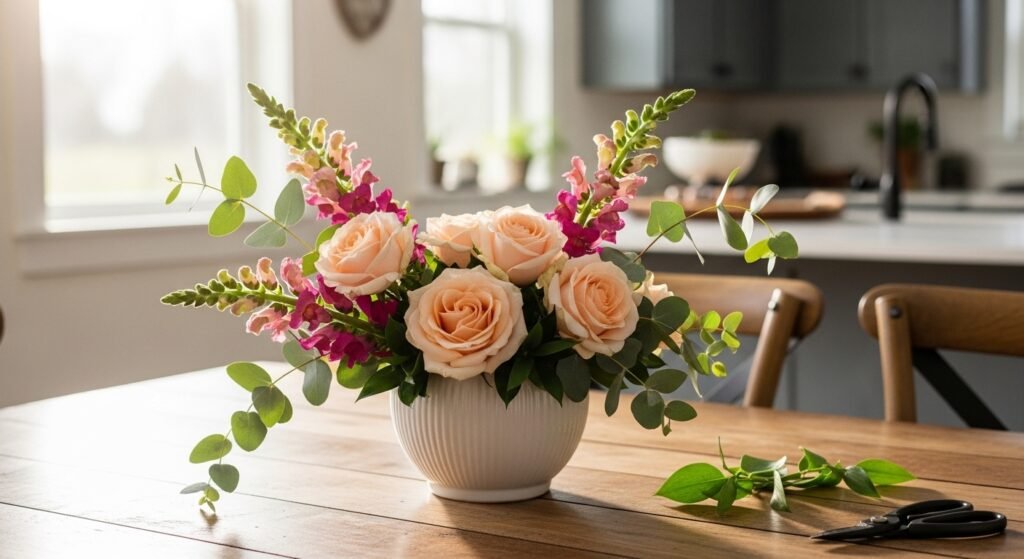
Arranging flowers is like a magic trick for your home that anyone can learn. You do not need to be a pro florist to make something that looks totally killer on your dining table. Many people feel scared when they first pick up a bunch of fresh blooms from the store. They worry about doing it wrong or making a mess of the stems. This guide is here to show you that there are no mistakes, only vibes. We are going to break down the creative process so you can rock your next DIY floral project.
Introduction to Modern Floral Design
Modern floral design is all about letting the flowers do their own thing. In the old days, everyone wanted perfectly round and stiff bunches. Now, we love a look that feels more like a wild garden. This means embracing things that are a little bit messy or uneven. It is a much more relaxed way of hanging out with nature.
The Philosophy of Modern Arranging
The main goal here is to keep things looking organic and loose. You want to find a balance that feels romantic and bohemian. Instead of a tight ball of petals, aim for something asymmetrical. This style makes your home feel cozy and lived-in. It is all about capturing a mood rather than following a strict set of rules.
Overcoming Flower Intimidation
It is totally normal to feel a bit nervous before you start arranging flowers. Just remember that flowers are meant to bring joy to your day. They are a simple way to celebrate the magic of the changing seasons. If you like how it looks, then you did it right. There is no “floral police” coming to check your work.
The Goal of Personalization
When you make your own bouquet, you get to show off your personality. You can pick colors that make you happy or scents that remind you of home. This project is a chance to create something you truly love. You are not just following a template from a big shop. You are making a piece of art that fits your unique space.
Essential Floral Design Tools and Supplies

Having the right gear makes a huge difference in how your flowers look. You do not need a whole shed full of stuff, but a few basics are key. High-quality tools help keep your stems healthy so they last longer. It also makes the whole process much easier on your hands. Invest in these few items to level up your game.
The Right Cutting Tools
Stop using those dull kitchen scissors to cut your flowers right now. Regular scissors often crush the stem instead of slicing it. This makes it hard for the flower to drink up water. You really want to get a pair of floral snips or garden snips.
- Floral snips provide a super clean cut that keeps the stem open for hydration.
- Sharp blades prevent the growth of bacteria that can kill your blooms early.
- Comfortable grips help you work through a whole bunch of thick stems without getting tired.
Water Management
Clean water is the most important thing for keeping flowers fresh. If your vase is dirty, your flowers will wilt in no time. Always start by scrubbing your vessel with soap and hot water. This gets rid of any old gunk that might be hiding inside. It sounds simple, but it is a total game changer for vase life.
Optional Enhancements
There are a few extra things you can use to make the job better. Flower food is a great way to give your stems some extra nutrients. You can buy it in packets or even find recipes to make it at home. If you are working with thorny roses or rough wire, wear protective gloves. This keeps your hands safe while you focus on the art.
Choosing the Perfect Vessel
The container you choose sets the stage for your whole arrangement. It is not just about holding water; it is about the shape. Some vases make it easy to arrange, while others are a struggle. You can find cool vessels almost anywhere if you look closely. Just make sure it fits the vibe of the room.
The Size vs. Impact Rule
Many beginners think they need a giant vase to make a statement. This is actually a bit of a trap because big vases need tons of flowers. If you do not have enough stems, the arrangement looks thin and sad. A smaller vase allows you to make a big impact with just a few blooms. It is much easier to manage for your first few tries.
Vessel Variety
You can use almost anything that holds water as a vase. Look around your kitchen or local thrift store for hidden gems. Unique containers add a lot of character to your floral design.
- Ceramic pitchers give a classic, farmhouse feel to any bunch of blooms.
- Antique soup tureens are perfect for wide, low centerpieces on a table.
- Small urns and compote bowls provide an elegant, elevated look for special events.
Proportion and Scale
The width of the opening is the most important measurement to check. A vase with a 3 to 4 inch opening is usually the sweet spot. If the mouth is too wide, the stems will just fall over the sides. You want a container that helps support the flowers while they sit there. Always think about where the arrangement will live before you pick the size.
Adding Internal Structure and Support

Structure is the secret sauce that pro florists use every day. It acts like a skeleton that holds every stem in its place. Without it, your flowers will just do whatever they want. With good support, you can place a stem at a weird angle and it stays. It makes the whole process of arranging flowers way less frustrating.
The Purpose of Structure
Good structure stops your stems from flopping around the vase. It gives you total control over the height and direction of each bloom. This is how you get those cool, airy looks you see on social media. It helps the arrangement look full even if you do not have many stems. It is the best way to ensure your design doesn’t fall apart.
Support for Clear Glass
When you can see through the vase, you have to be sneaky with support. You do not want a bunch of wire showing through the glass.
- Floral pin frogs are heavy metal plates with spikes that sit at the bottom.
- Tape grids involve putting clear waterproof tape across the top in a hashtag pattern.
- Hidden mechanics allow the flowers to look like they are floating in the water.
Sustainable Support (The Chicken Wire Method)
Chicken wire is the gold standard for eco-friendly floral design. Many people used to use green floral foam, but it is bad for the planet. Chicken wire is a much better choice because you can reuse it forever. It is cheap, easy to find, and works like a charm.
- Reusability means you can pull it out, wash it, and use it in your next vase.
- Recyclable materials like uncoated wire can be tossed in the bin when you are done.
- Snug fitting balls of wire provide two layers of netting for the stems to grip.
Color Theory and Palette Selection

Colors are what catch the eye first in any arrangement. Picking a good palette can make a simple bunch of flowers look high-end. You do not need to be an expert to choose colors that look great. Just think about the mood you want to create in your room. A little bit of planning goes a long way here.
Selecting a Color Scheme
There are a few classic ways to mix colors that always work. You can go for high drama or something very soft.
- Monochromatic palettes use different shades of the same color for a chic look.
- Complementary colors like orange and blue create a bright and bold energy.
- Analogous schemes use colors that are neighbors on the wheel, like pink and red.
The Role of Neutrals
Neutral colors are the unsung heroes of floral design. They help blend everything together so the colors do not clash.
- Muddy tones like taupe or coffee colors act as a bridge between bright shades.
- White and cream flowers give the eye a place to rest in a busy bouquet.
- Greenery is the ultimate neutral that works with every single flower color.
The Floral Design Formula: The Four Key Categories
Arranging flowers is much easier when you follow a specific order. Most pro designers use a simple formula to build their work. This helps you stay organized and ensures the arrangement looks balanced. You just need to learn which category each of your stems belongs in. It is like building a house from the ground up.
Foliage (The Foundation)

Foliage is the green stuff that provides the base for your flowers. Do not ignore it because it is not a “pretty” bloom. Foliage gives your arrangement its shape and covers up the wire or tape. It provides a lush, natural backdrop for the stars of the show. Use a few different types to add more texture and interest.
Focal Flowers (The Stars)

Focal flowers are the big, showy blooms that everyone notices first. Think of things like peonies, dahlias, or big roses. These are the flowers that set the theme for your bouquet. You do not need many of these to make a huge impact. They are usually the most expensive part of your flower shop haul.
Filler Flowers (The Bridge)
Filler flowers do exactly what the name says: they fill the gaps. They are usually smaller stems with multiple blooms on them. They help connect the focal flowers to the greenery. Filler makes the arrangement feel dense and full of life. It is the “glue” that holds the design together visually.
Flair and Airy Accents (The Movement)
Flair flowers are the whimsical pieces that add movement. These are often thin, delicate stems that poke out further than the rest. They give the arrangement that “just picked” garden feeling. These airy accents should look like they are dancing above the other blooms. They add a touch of magic that makes the design feel professional.
Sourcing and Foraging for Blooms
You can find beautiful flowers in many different places. You do not always have to spend a ton of money at a fancy shop. Sometimes the best stuff is right in your own backyard. Learning how to pick the best stems is a great skill to have. It ensures your arrangement starts off as fresh as possible.
Shopping at the Flower Market or Grocery Store
The grocery store is a great place to find affordable flowers. You just have to know what to look for so you don’t get duds.
- Check the necks of roses to make sure they are firm and not soft.
- Look at the petals for any brown spots or wilting edges.
- Pick tight buds so they can open up slowly at home for a longer life.
Ethical and Responsible Foraging
Foraging is a fun way to get unique textures for free. Just be sure you are allowed to pick where you are looking.
- Garden raiding is perfect for finding flowering branches or leafy shrubs.
- Roadside finds like wild grasses can add a cool, bohemian vibe.
- Seasonal blooms from your own yard are always the freshest option.
Step-by-Step Execution: Building Your Arrangement
Now it is time to actually start arranging flowers. Take a deep breath and have fun with it. This is the part where you see your vision come to life. Follow these steps to build a design that looks like it came from a shop. Remember to keep an eye on your water level as you work.
Stem Preparation
Before any stem goes in the vase, it needs some love. This preparation ensures the flowers can drink effectively.
- Cut at an angle to give the stem more surface area for water.
- Strip lower leaves so they do not sit in the water and rot.
- Slit woody stems vertically at the bottom to help them take up more moisture.
The Order of Operations
The order you place your stems matters for the final look. Working in stages keeps you from getting overwhelmed.
- Start with foliage to set the size and shape of the design.
- Add focal flowers in odd numbers to create a main center of interest.
- Tuck in fillers to close any holes and hide your support structure.
- Finish with flair by adding those tall, whimsical stems last.
Advanced Design Techniques
Once you have the basics down, you can try some pro moves. These techniques add depth and sophistication to your work. They help your arrangements look more like art and less like a bunch of stems. It is all about how the eye moves through the design. Practice these to really impress your friends.
The Concept of Negative Space
You do not need to fill every single inch of the vase. Leaving some empty space is actually a good thing. Negative space lets the individual flowers shine. It keeps the arrangement from looking like a giant, heavy blob. Think of it as “breathing room” for your blooms.
Creating Depth and Layering
A flat arrangement looks boring and two-dimensional. You want to create layers that lead the eye into the design.
- The push-pull technique involves nesting some flowers deep while others sit forward.
- Varying heights prevents the “haircut” look where everything is even.
- Layering textures makes the whole piece feel more complex and interesting.
Professional Tips for Style and Aesthetics
Developing your own style takes time and practice. Do not be afraid to copy designs you love while you learn. Over time, you will start to see your own unique flair emerge. Pay attention to the small details that make a big difference. Here are some ways to keep your designs looking fresh and modern.
- Find inspiration on Pinterest or Instagram from florists you admire.
- Embrace wonky stems that have natural curves and personality.
- Liveseasonally by using flowers that are actually growing right now.
- Design on a budget by mixing expensive focal flowers with foraged finds.
Post-Arrangement Flower Care and Maintenance

Your work is not done once the last flower is in the vase. You need to take care of the arrangement so it lasts as long as possible. A little bit of daily maintenance goes a long way. If you treat them right, your flowers can look great for a week or more. Do not just set them and forget them.
- Replace water every two to three days to keep things fresh and clean.
- Add food to give the flowers the energy they need to stay bright.
- Avoid heat and fruit because they can cause flowers to wilt much faster.
Troubleshooting Common Floral Issues
Sometimes things go wrong even when you try your best. Do not panic if a flower starts to look a bit sad. There are usually simple fixes for the most common problems. Knowing these tricks can save a dying arrangement from the trash.
Reviving Droopy Stems
If a stem wilts, it might have an air bubble blocking the water.
- The boiling water trick involves dipping the ends of woody stems in hot water to clear blocks.
- The overnight soak can save water-loving flowers like hydrangeas.
- Re-cutting stems under water can also help them start drinking again.
Fixes and Adjustments
If your arrangement looks a bit “off,” you can usually fix it without starting over.
- Rebalance a lopsided look by adding more weight to the lighter side.
- Extend short stems using floral water tubes if you cut them too far.
- Rotate the vase to make sure the design looks good from every angle.
Conclusion: The Joy of the Process
At the end of the day, arranging flowers should be fun and relaxing. Do not get too caught up in being perfect. The real win is creating something that makes you smile when you walk by it. Once you get the hang of it, you can start sharing the love. Gifting a handmade bouquet is one of the best ways to brighten someone’s day.
Frequently Asked Questions
What is the best time of day to cut flowers from a garden?
The absolute best time to cut your blooms is in the early morning while the dew is still on them. At this time, the stems are full of moisture and carbohydrates, which helps them stay strong. If you miss the morning window, late evening is your second-best bet when the sun is going down.
Should I use warm or cold water for my fresh blooms?
Most flowers prefer lukewarm water because it is easier for the stems to soak up than ice-cold water. However, bulb flowers like tulips or daffodils actually enjoy cold water. For most store-bought bunches, room temperature water is a safe and solid choice.
How do I stop lilies from staining my furniture?
Lilies have heavy pollen centers called anthers that can drop yellow dust everywhere. The pro move is to gently pinch or snip those anthers off as soon as the flower opens. If you do get pollen on your clothes, use sticky tape to lift it off instead of rubbing it in.
Is it okay to put my flowers near a window?
While flowers love light when they are growing, cut arrangements actually hate direct sunlight. The sun acts like a heater and dries out the petals way too fast. Keep your vase in a cool, shaded spot to make sure the blooms stay fresh for as long as possible.
Why do my hydrangeas always wilt so fast?
Hydrangeas are very thirsty and actually drink water through their petals as well as their stems. If they start to look sad, you can submerge the entire flower head in a bowl of cool water for about forty-five minutes. This usually perks them right back up like magic.
Can I use hairspray to make my flowers last longer?
Some people swear by this, but it is generally a bad idea for fresh flowers. Hairspray seals the petals and prevents them from breathing naturally. It might keep a dried arrangement together, but it will usually cause fresh petals to turn brown and crispy.
What should I do if my tulip stems are drooping?
Tulips are famous for “stretching” even after they are put in a vase. If they are bending too much, wrap the upper stems in damp newspaper for a few hours to straighten them. Some people also put a copper penny in the bottom of the vase, though the science on that is a bit of a mystery.
How do I handle flowers with milky sap?
Flowers like poppies or poinsettias have a milky white sap that can block other flowers from drinking. To stop the leak, you should sear the end of the stem with a lighter or dip it in boiling water for ten seconds. This seals the sap in so it does not mess up the rest of the vase.
Is it safe to have certain flowers around my pets?
Many popular flowers like lilies, azaleas, and tulips can be toxic to cats and dogs. Always check a safety list before bringing a new type of bloom into a house with furry friends. Lilies are especially dangerous for cats and should be avoided entirely in those homes.
Can I use apple cider vinegar as a DIY flower food?
Yes, a mix of apple cider vinegar and sugar can work in a pinch. The sugar provides energy while the vinegar helps kill off any nasty bacteria in the water. Use about two tablespoons of each for every quart of water in your vessel.
How often should I trim the stems of my arrangement?
You should give your stems a fresh tiny trim every time you change the water. This opens up new pathways for the water to travel up to the flower head. Just a quarter-inch snip is enough to keep the hydration flowing smoothly.
What is the trick to using sunflowers in a small vase?
Sunflowers have very heavy heads that like to top over. To keep them upright, use a taller vase or a very strong structure like a thick chicken wire ball. Cutting the stems shorter also helps lower the center of gravity so the vase doesn’t flip over.
Should I remove the thorns from my roses?
Removing thorns makes the roses easier to handle, but be careful not to tear the “skin” of the stem. If you scrape the stem too hard, you create a wound where bacteria can grow. Use a dedicated thorn stripper or just carefully snip the tips off with your snips.
Why do some flowers come with a plastic net around them?
Those nets are usually on “mums” or proteas to keep the petals from bruising during shipping. You should leave them on until you are ready to place the flower in the vase. Once the flower is supported by other stems, you can carefully snip the net away.
Can I mix fruit and flowers on my dining table?
It looks pretty, but ripening fruit releases ethylene gas which is like poison to flowers. Apples and bananas are the biggest offenders and will cause your flowers to drop their petals early. Keep your fruit bowl on the counter and your flowers on the table.
How do I make a hand-tied bouquet look professional?
The secret to a hand-tied look is the “spiral” technique. You place each stem at an angle, always turning the bunch in the same direction. This creates a beautiful flared shape at the top and a neat handle at the bottom.
What do I do with flowers that have multiple blooms on one branch?
These are called spray flowers, like spray roses or mini carnations. You can use the whole branch as a filler, or snip off the individual tiny stems to use in bud vases. They are a great way to get more bang for your buck.
How can I tell if a flower is too old to buy?
Check the very bottom of the stems at the store. If they look slimy, brown, or smell bad, the flowers have been sitting in old water for too long. Look for stems that are green and firm for the best chance at a long vase life.
Is it okay to use floral foam for every arrangement?
While it is easy to use, floral foam is essentially plastic and does not break down in landfills. It also contains chemicals that aren’t great for you to breathe in. Try to stick to sustainable methods like chicken wire or frogs whenever you can.
Can I dry my arrangement after the flowers start to fade?
Many flowers like hydrangeas, roses, and lavender dry beautifully. Hang them upside down in a dark, dry closet for a few weeks. This preserves the shape and color so you can enjoy them even after the fresh blooms are gone.