 Skip to content
Are you ready to dive into the wild world of exotic snacks? If you have ever seen a lychee like fruit at the market, you know how cool they look. These little guys have a mysterious vibe that makes everyone want a taste. Lychees are famous for being the fruit of love in China. They have a soft pink or warm tawny color that catches your eye instantly. Once you peel them, you find a juicy, white flesh that tastes like a dream.
I remember the first time I tried a real lychee. It was a sensory experience that I will never forget. The flesh is super juicy and has a sweet and slightly tart balance. It even smells like a delicate jelly-type aroma. But here is the thing about these treats. You cannot just find them at every local grocery store whenever you want. Their availability depends on the season and where you live in the world.
These fruits grow best in subtropical regions like India, South Africa, and the United States. Because they are so special, you need to know how to pick the right ones. Some fruits look just like them but are totally different species. I want to help you separate the wheat from the chaff. This guide covers every lychee like fruit you might find on your next food adventure.
Understanding the True Lychee

Before we look at the doubles, let’s talk about the real deal. The true lychee comes from the Sapindaceae family. It has a very specific structure that makes it stand out once you know it. The skin is usually reddish and has a bumpy texture that feels a bit rough. Inside, the flesh is translucent and surrounds a single dark seed or pip.
The taste of a lychee is what makes people go crazy for it. It is not just sweet; it has a floral fragrance that fills the room. This fruit is a big deal in Asian nomenclature and history. People have been enjoying these clusters of goodness for thousands of years. If you find them fresh, you are in for a real treat.
The Wild Twin Called Rambutan

If you see a lychee like fruit that looks like it needs a haircut, you found a rambutan. This tropical fruit is like a wild version of the lychee. It has the same round shape and white flesh inside. However, the skin is covered in soft, hair-like spines. These wispy hairs make it look pretty crazy on the shelf.
When you peel a rambutan, the interior looks almost exactly like a lychee. It is translucent and very juicy. Most people find that rambutans are actually larger than lychees. The taste is sweet and creamy, but it lacks that specific floral scent. Here are some quick facts about rambutans:
- Appearance is round with long, soft spines.
- White flesh is firm and very sweet.
- Availability is usually highest in Southeast Asia.
- Skin color stays bright red or sometimes yellow.
The Spiky Cousin Pulasan
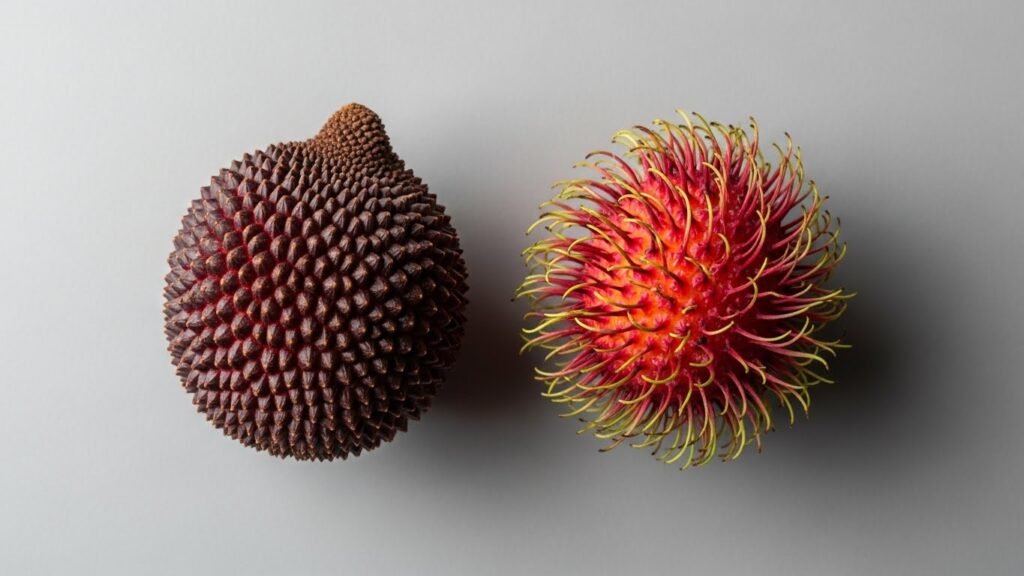
Next up is the pulasan, which is a very close relative of the rambutan. Many people get these two mixed up all the time. But if you look closely, you can see the differences easily. The pulasan has a thick shell with blunt spines instead of hairs. It looks a bit tougher and more rugged than a lychee or rambutan.
The interior of the pulasan mirrors the lychee perfectly. It has that same juicy, translucent-white flesh. One cool thing about the pulasan is the seed. The flesh separates from the seed very easily. This makes it a lot less messy to eat than some other types.
- Thick shell protects the juicy aril inside.
- Blunt spines are short and do not feel like hair.
- Easy peeling makes it a favorite for fresh consumption.
- Reddish color is very deep and dark.
The Dragon Eye Fruit Known as Longan
The longan is another famous lychee like fruit you should know. In China, they call it the dragon eye because of how it looks. When you peel it, the white flesh and dark seed look like an eye staring back. The skin of a longan is tan and smooth, not red or bumpy. This is the biggest way to tell them apart from the outside.
Once the tan skin is gone, you might think you are looking at a lychee. The pulp is translucent and very juicy. However, longan flesh is usually firmer and a bit more translucent. It also has a musky or earthy sweetness that is unique. It is not as aromatic as the floral lychee.
- Tan skin is thin and easy to crack open.
- Firm texture gives it a nice bite.
- Musky flavor is great for teas and soups.
- Smaller size compared to the average lychee.
The Closest Doppelganger Korlan
If you want to find the hardest lychee like fruit to identify, look for the korlan. Telling these two apart is honestly a huge challenge. The korlan has almost the same physical traits as a lychee. It has reddish, bumpy skin and soft, white flesh inside. Most people would just assume it is a small lychee.
The main clues are the size and the taste. Korlan fruits are usually a bit smaller than standard lychees. They also taste more sour and have less of that famous fragrance. You usually find these growing wild in forests rather than on big farms.
- Reddish skin mimics the lychee almost perfectly.
- Sour taste is the biggest giveaway.
- Wild fruit often found in Southeast Asian jungles.
- Bumpy texture feels just like the real deal.
The European Strawberry Tree Fruit
The strawberry tree fruit is a very interesting lychee like fruit from Europe. It is small and round with a red, bumpy surface. This rough skin gives it a vibe that is very similar to a lychee. But don’t let the looks fool you because they are totally different. You can actually eat the skin of this fruit just like a regular strawberry.
Inside, it does not have the white jelly flesh of the lychee. Instead, it has a sweet and slightly sour taste with a sandy texture. This sandiness comes from the tiny seeds inside the fruit. It is a cool find if you are hiking in the Mediterranean region.
- Edible skin means you do not have to peel it.
- Sandy texture is very different from juicy lychees.
- Small size makes it look like a little berry.
- Bumpy skin is the only real similarity.
The Chinese Bayberry or Yangmei

The bayberry, also called yangmei, is another lychee like fruit from China. It is round and has a deep red or even purple color. The surface is very textured and bumpy, just like a lychee skin. From a distance, you could easily get them confused at a fruit stand.
The big difference is on the inside of the fruit. A lychee has that smooth, white flesh we all love. The bayberry has flesh that is a bit more fibrous. It is also usually red all the way through, not white. It has a unique tartness that people in Asia really enjoy.
- Purple color can be very dark and rich.
- Fibrous flesh is different from the jelly-type aril.
- Bumpy surface looks very similar to lychee clusters.
- Native to China where it is highly prized.
The Giant Gac Fruit

The gac fruit is a lychee like fruit that is way bigger than the others. It has a bright orange-red skin that is covered in small spines. This spiky look is what makes people compare it to a lychee. But once you see it next to a lychee, you will see it is massive. It is often the size of a small melon.
The inside is also a total surprise compared to the white lychee. Gac fruit has a bright crimson-red, oily pulp. This pulp surrounds several large, flat seeds in the middle. People usually use this fruit for health reasons or for coloring rice. It is not usually eaten as a fresh sweet snack.
- Orange-red skin is very bright and noticeable.
- Oily pulp is packed with nutrients.
- Spiky exterior feels rough to the touch.
- Large size makes it stand out from tiny lychees.
Mamoncillo or Spanish Lime
The mamoncillo is a green lychee like fruit often found in the Caribbean. It grows in clusters that look like grapes from a distance. The skin is smooth and green, which is different from the red lychee. But when you crack the thin shell, you find a pulp that feels very familiar. It has a creamy, salmon-colored aril that you have to suck off the seed.
The texture is very similar to the “sucking” experience of eating a lychee. It is juicy and sticks to the large seed in the center. The flavor is a mix of lime and lychee sweetness. People often eat them with a bit of salt or lime juice.
- Green skin is thin but firm.
- Sucking texture is just like eating a lychee.
- Salmon pulp has a unique tropical look.
- Growing clusters make them easy to harvest.
Pitangatuba the Star Cherry
The pitangatuba is a rare lychee like fruit that comes from Brazil. It has a bumpy yellow skin that looks a bit like a star or a ribbed lemon. The texture of the skin is rough, which reminds some people of the lychee’s exterior. It is quite small and fits easily in the palm of your hand.
The taste is very intense and tropical. It is much more acidic than a lychee, so it might make your face pucker. Most people use it to make amazing juices or jams rather than eating it plain. It adds a huge punch of flavor to anything it touches.
- Yellow skin is very bright and ribbed.
- Acidic flavor is great for mixed drinks.
- Tropical aroma fills up the whole room.
- Bumpy texture gives it a unique feel.
Marang the Giant Relative
The marang is a big fruit from the Philippines that acts as a lychee like fruit on a larger scale. It has a thick skin covered in soft, blunt spines. When it is ripe, you can pull the skin apart with your hands. Inside, you find dozens of white, bulbous segments. Each segment looks like a tiny, translucent lychee aril.
The flavor of marang is often described as a mix of banana, pear, and strawberry. It is incredibly sweet and has a creamy texture. Even though it is much bigger, the individual pieces inside feel very much like eating a small lychee. It is a must-try if you ever visit Southeast Asia.
- Soft spines cover the entire green exterior.
- White segments look like mini lychees.
- Creamy taste is very rich and satisfying.
- Pull-apart skin makes it fun to share.
Nutritional Science Comparison
When you eat a lychee like fruit, you are getting more than just a sweet treat. These fruits are packed with good stuff for your body. Lychees are famous for having a ton of Vitamin C. In fact, just a few of them can give you most of what you need for the day. Most of its lookalikes share this high vitamin content.
Rambutans and longans also have a lot of antioxidants. These help keep your cells healthy and strong. Gac fruit is especially famous for having high levels of lycopene and beta-carotene. This is why the pulp is so bright red. Here is how they generally compare in terms of nutrition:
- Vitamin C is highest in lychees and rambutans.
- Antioxidants are found in the red skins of these fruits.
- Fiber is good in bayberries and strawberry tree fruits.
- Natural sugars provide a quick energy boost.
Botanical Anatomy and Evolution
Why are there so many fruits that look like the lychee? It often comes down to where they grow and how they survive. Many of these fruits belong to the same Sapindaceae family. This means they share a common ancestor from a long time ago. They evolved to have tough, bumpy, or spiky skins to protect the juicy seeds inside.
The bumpy skin helps protect the fruit from bugs and birds. The translucent flesh, called an aril, is designed to be eaten by animals. This helps the plant spread its seeds to new places. It is a smart move by nature to make the fruit so tasty. Understanding this botanical anatomy helps you appreciate how special these plants really are.
Consumer Guide for Shopping
Shopping for a lychee like fruit can be a bit tricky if you are new to it. You want to make sure you get the freshest ones possible. For lychees and rambutans, look for bright colors. If the skin looks brown or dull, the fruit might be getting old. You also want the skin to be firm but have a little give when you press it.
Be careful when buying from markets that might use sulfur to keep the fruits looking red. If you smell something like a matchstick, they might have been treated. Always give your fruit a quick sniff. It should smell sweet and floral, not vinegary. Here are some shopping tips:
- Vibrant colors indicate the fruit is fresh and ripe.
- Check the stems to see if they are still green and flexible.
- Avoid leaks because juice on the outside means it is overripe.
- Heavier fruits usually have more juice inside.
Culinary Arts and Preparation
Once you get your lychee like fruit home, you need to know how to eat it. For most of these, you just need to crack the skin with your fingernail or a small knife. Be careful not to squash the juicy flesh inside. For rambutans, you can just twist the skin until it pops open. It is a very satisfying process.
You can use these fruits in many different ways in the kitchen. They are great fresh, but they also work in fancy dishes. Many people love putting lychees in cocktails or martinis. You can also make amazing sorbets and jellies. In some cultures, rambutans are even used in savory curries to add a sweet pop.
- Fresh eating is the best way to enjoy the flavor.
- Tropical salads look great with these white arils.
- Dessert toppings add an exotic touch to ice cream.
- Infused water with longan is very refreshing.
Global Cultivation and Sustainability
Growing a lychee like fruit requires a very specific climate. They love humid, subtropical areas where it does not get too cold. Most of our favorites come from Asia, but farms are popping up in Florida and California too. This is great because it means more people can try them without them flying across the ocean.
However, climate change is making it harder to grow these fruits in some places. Shifting weather can mess up the flowering season. Sustainable farming is becoming more important. Farmers are working hard to use less water and keep the soil healthy. Supporting local exotic fruit farmers helps keep these delicious treats around for the future.
Final Verdict on Identification

By now, you should be a pro at spotting a lychee like fruit. Remember that the skin is the biggest clue. If it has hair, it is a rambutan. If it has blunt spikes, it is probably a pulasan. If the skin is tan and smooth, you are looking at a longan. And if it looks just like a lychee but tastes sour, it might be a korlan.
| Fruit Name | Skin Type | Flesh Color | Flavor Profile |
| Lychee | Bumpy, Red | Translucent White | Sweet, Floral |
| Rambutan | Hairy, Red | Opaque White | Sweet, Creamy |
| Longan | Smooth, Tan | Translucent White | Musky, Earthy |
| Pulasan | Spiky, Dark Red | Translucent White | Sweet, Clean |
| Korlan | Bumpy, Red | Translucent White | Sour, Tart |
Conclusion on Tropical Discovery
Nature is amazing for giving us so many cool varieties of fruit. Trying a new lychee like fruit is a fun way to explore the world from your kitchen. Each one has its own personality and story. Whether you love the floral lychee or the wild rambutan, there is a tropical twin out there for everyone. So next time you see a weird, bumpy fruit at the market, grab a few and enjoy the adventure.
Frequently Asked Questions About Lychee Like Fruit
Is there a difference between lychee and litchi?
These two names actually refer to the exact same fruit. Litchi is the formal botanical name while lychee is the most common spelling used in stores and recipes. You might see both versions on menus depending on if you are in Asia or the United States.
Can you grow a lychee like fruit from a store-bought seed?
You can definitely plant the seed, but it might not grow up to be exactly like the parent plant. Tropical trees grown from seeds take a long time to produce fruit, sometimes up to ten years. Most farmers use a method called air-layering to make sure the new tree makes tasty fruit quickly.
Are lychees and their lookalikes safe for dogs to eat?
It is best to keep these fruits away from your furry friends. While the white flesh might be okay in tiny amounts, the skins and seeds can be toxic or cause choking. Always check with a vet before sharing any exotic snacks with your pets.
Which lychee like fruit is the most expensive to buy?
True lychees are usually the most expensive because they have a very short shelf life. They have to be flown in quickly to stay fresh, which adds to the price tag. Rare varieties like the pulasan can also be pricey because they are not grown on a large commercial scale yet.
Do these fruits have any hidden medicinal uses?
In many cultures, the seeds and skins are used in traditional herbal medicine. Some people believe that longan tea can help with sleep and relaxation. However, you should always talk to a doctor before using fruit for medicinal purposes.
Can you find canned versions of these tropical doubles?
You can find canned lychees and longans in the international aisle of most grocery stores. They are usually packed in a heavy syrup which makes them even sweeter. While the texture is softer than fresh fruit, they are great for making quick desserts or drinks.
Why do some lychees have a very tiny seed inside?
Those tiny, shriveled seeds are often called chicken tongue seeds. Many people look for these specifically because it means there is more juicy flesh to eat. This is usually a trait of high-quality varieties that have been bred for the best eating experience.
What is the best way to freeze a lychee like fruit?
You can freeze them whole right in their skins. Just pop them into a freezer bag and they will stay good for several months. When you are ready to eat them, the flesh will have a texture like a cool sorbet.
Are there any hybrid fruits in the lychee family?
Scientists and farmers are always trying to create new hybrids to make trees tougher. There are some crosses between different varieties of lychee, but true hybrids between a lychee and a rambutan are not common. Most of the lookalikes you see are distinct species created by nature.
How do you get the smell of tropical fruit off your hands?
Some of these fruits, especially the longan, can leave a sticky or musky scent on your skin. Washing your hands with a bit of lemon juice or stainless steel soap usually does the trick. It breaks down the natural oils and sugars quickly.
Can you cook with the seeds of these fruits?
In some parts of the world, seeds from fruits like the rambutan are roasted and eaten like nuts. They have a bitter taste and are not common in American cooking. Most people prefer to stick to the sweet white flesh and discard the pips.
Is the juice of the gac fruit really used as a dye?
The deep red pulp of the gac fruit is so bright that it is used to color traditional rice dishes. It gives the food a beautiful orange tint and adds a boost of vitamins. It is a natural way to make food look vibrant without using chemicals.
Which of these fruits is the most drought-tolerant?
Most members of the Sapindaceae family love water, but the longan is known for being a bit tougher. It can handle dry spells better than the lychee or rambutan. This makes it a popular choice for home gardeners in drier subtropical areas.
Does the skin of a lychee like fruit change color after picking?
Once these fruits are harvested, the skin can turn brown very quickly as it dries out. This does not always mean the fruit is bad, but it means it is losing moisture. Keeping them cold and humid is the only way to save that bright red color.
Are there any blue or green lychee lookalikes?
While most are red, orange, or tan, there are wild relatives that stay green even when they are ripe. You will not usually find these in a standard supermarket. A blue version does not exist in nature, so be careful of fake seeds sold online.
Can you make wine out of a lychee like fruit?
Lychee wine and longan wine are very popular in parts of Asia. The high sugar content in the fruit makes it perfect for fermentation. It results in a sweet, floral drink that is often served chilled with dinner.
Why do some people experience an itchy throat after eating them?
Some people have a mild allergy to the proteins in tropical fruits. If you feel a tingle or itch, it might be a sign to stop eating them. Always try a small piece first if you have never had exotic fruits before.
Is it hard to peel a pulasan compared to a rambutan?
The pulasan actually has a thicker skin that cracks open easily when you squeeze it. It is often considered less messy than the rambutan because the hairs do not get in the way. It is the perfect snack for someone who wants a quick treat.
Do these trees produce fruit all year round?
Most of these trees only have one big harvest season per year. This usually happens in the late spring or summer months. That is why you only see them in stores for a few weeks or months at a time.
What is the best drink pairing for these fruits?
The sweet and floral notes of a lychee like fruit go perfectly with green tea or sparkling water. If you want something fancy, they pair well with light spirits like gin or vodka. The juice is also a great addition to a tropical fruit punch.