 Skip to content
Tissue culture is a scientific method used to propagate plants in a controlled, sterile environment. This technique has revolutionized plant cultivation, allowing for the mass production of disease-free plants and the preservation of endangered species. By using small pieces of plant tissue, like leaves, stems, or roots, tissue culture enables the regeneration of plants through the process of cell multiplication. These plantlets, once acclimated to regular growing conditions, can be sold to growers, hobbyists, and experts. The growing demand for rare plants, ornamental houseplants, and hybrid species has further increased the popularity of tissue culture as a propagation method.
The Basics of Tissue Culture
What is Tissue Culture?
Tissue culture is the practice of growing plant cells or tissues in a sterile, nutrient-rich medium. This method is different from traditional soil-based propagation, as it allows for the growth of entire plants from small pieces of tissue, called explants. These explants are typically taken from young, meristematic tissues such as shoot tips or nodal segments. When placed in a controlled environment with proper light, temperature, and humidity, these cells multiply rapidly and form plantlets. The process is also called micropropagation, and it is widely used for producing disease-free plants on a large scale.
Process Overview
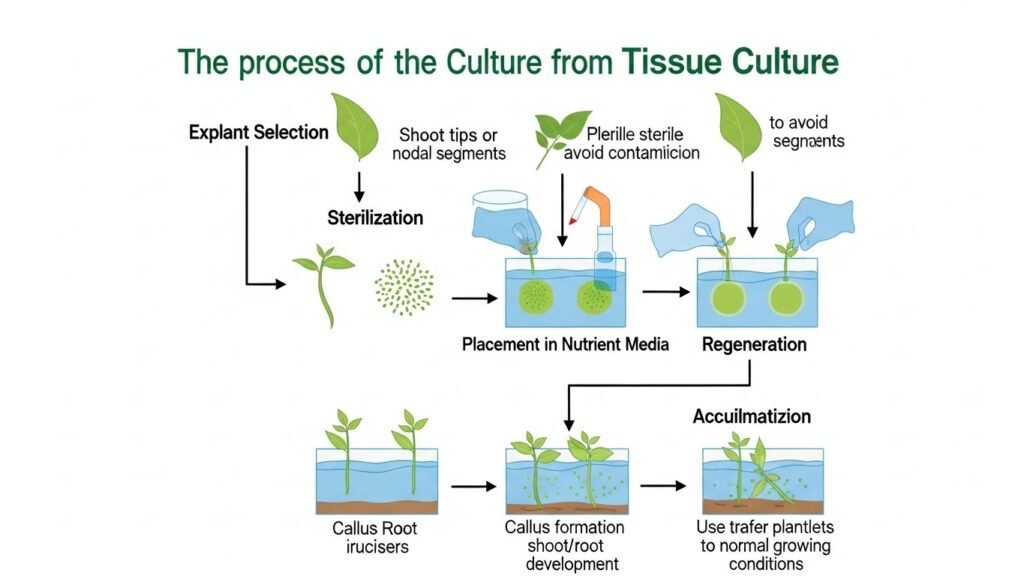
- Explant Selection: The first step in tissue culture is selecting the right explant. This could be a shoot tip, a leaf, or a piece of stem.
- Sterilization: The explant is sterilized to prevent contamination from bacteria and fungi.
- Placement in Nutrient Media: The sterilized explant is placed in a sterile container with nutrient media. This media contains essential nutrients, hormones, and growth regulators.
- Regeneration: In the nutrient-rich media, the explants start multiplying, forming a mass of cells known as callus. From this callus, shoots and roots will form.
- Acclimatization: Once the plantlets are formed, they are transferred to a regular growing environment to adapt to soil conditions.
Why Tissue Culture Matters
Preservation of Rare and Endangered Plants
Tissue culture plays a crucial role in the conservation of rare and endangered plants. By cloning valuable specimens, tissue culture helps reduce the threat of overharvesting, habitat destruction, and poaching. For example, the iconic ghost orchid has been successfully propagated using tissue culture to ensure its survival. This method allows conservationists to create genetically identical copies of endangered plants and distribute them in controlled environments to maintain biodiversity.
Disease-Free Plants
One of the major benefits of tissue culture is the ability to produce disease-free plants. In traditional methods of propagation, plants are often exposed to pests and pathogens, leading to weakened specimens. Tissue culture eliminates this problem by growing plants in a sterile environment. Since the plants are grown in aseptic conditions, the risk of pest infestations and plant diseases is minimized, making tissue culture plants ideal for commercial propagation.
Affordable and Wide Availability
Tissue culture also makes rare and expensive plants more affordable. By using this method, growers can produce large quantities of plants from a single specimen. This is especially useful for plants that are in high demand or have limited availability, such as tropical plants and houseplants. With tissue culture, plants can be produced at scale, making them more accessible to a broader market, and reducing the pressure on wild populations.
Supporting Commercial Propagation and Hybrid Development
Tissue culture is a valuable tool for large-scale commercial propagation. It enables growers to quickly multiply plants and meet growing demand. Additionally, tissue culture is instrumental in hybrid development. By experimenting with different plant varieties, growers can use tissue culture to produce new hybrids with desired traits, such as disease resistance, improved yield, or unique aesthetic qualities.
The Key Factors Affecting Tissue Culture Success
Explant Source and Type
The type of tissue selected for tissue culture is one of the most critical factors determining success. Shoot tips and nodal segments are ideal explants for plant propagation, as they contain active cells that can regenerate into new plants. Young, healthy tissues generally provide better results than older, dormant tissues. Surface sterilization is essential to prevent contamination during the process.
Regeneration Capacity

The regeneration capacity of a plant is a major factor in its success in tissue culture. Some plants regenerate more readily from small tissue samples, while others require special conditions or growth regulators. For instance, plants like African violets and chrysanthemums have excellent regeneration capacity, making them ideal candidates for tissue culture.
Contamination Susceptibility
Contamination is a common issue in tissue culture. It occurs when unwanted microorganisms (bacteria or fungi) enter the sterile culture environment, leading to failed cultures. Proper sterilization of explants and equipment is crucial to preventing contamination. The susceptibility of different plant species to contamination varies, and some plants are more resistant to microbial growth than others.
Genetic Stability
Genetic stability is essential for maintaining the desired characteristics of tissue culture plants. Some plants, particularly those that undergo multiple subcultures, may experience genetic changes over time. It is essential to monitor the plants for stability to ensure that they retain their original traits. Plants with high genetic stability are preferred for commercial propagation.
Adaptability to In Vitro Conditions
Plants must be able to adapt to the controlled in vitro environment. This involves adjusting to nutrient media, controlled temperature, and artificial light. Not all plants thrive in these conditions, so selecting species that have a high adaptability to in vitro conditions is key to successful tissue culture.
Tissue Culture Plants for Beginners
Popular and Easy-to-Culture Plants
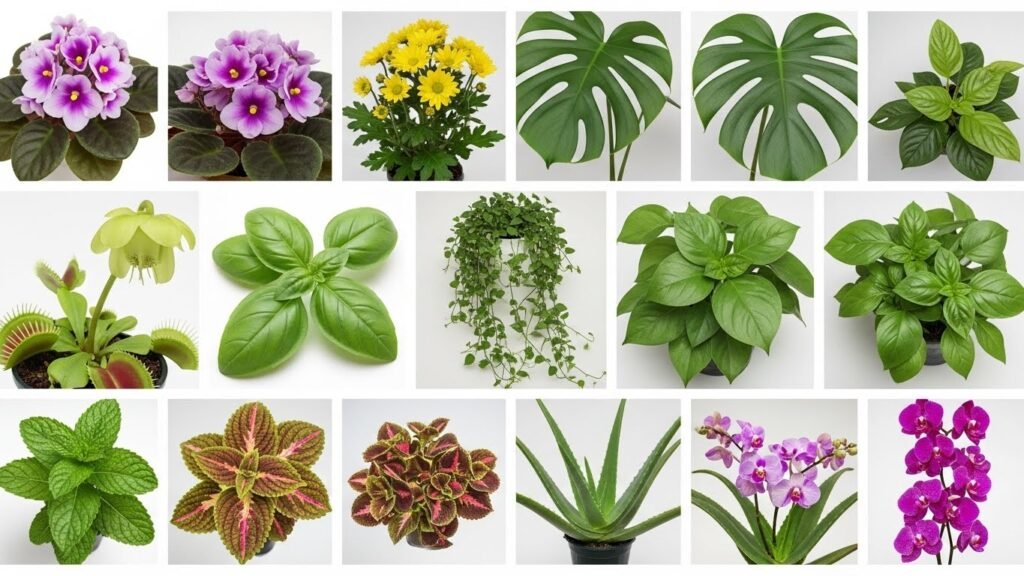
For beginners, some plants are easier to culture due to their fast growth, high regeneration capacity, and low contamination susceptibility. Here is a list of the easiest tissue culture plants for beginners:
- African Violet
- Chrysanthemum
- Monstera deliciosa
- Venus flytrap
- Basil
- Philodendron
- Peppermint
- Coleus
- Aloe Vera
- Orchids
Why These Plants Are Suitable for Beginners
These plants respond well to standard tissue culture protocols. They regenerate quickly and easily from small tissue samples and have established protocols for growth. Additionally, these plants are less prone to contamination and can adapt well to in vitro conditions. Starting with these beginner-friendly plants will provide a higher success rate for newcomers to tissue culture.
Tissue Culture in Conservation and Commercial Production
The Role of Tissue Culture in Plant Conservation
Tissue culture is essential in the conservation of endangered species. By using this method, conservationists can clone rare and endangered plants, thus maintaining genetic diversity and preventing extinction. It allows the mass propagation of plants that are otherwise difficult to cultivate using traditional methods.
Commercial Applications and Large-Scale Propagation
The commercial benefits of tissue culture are immense. It allows for the mass production of disease-free, genetically identical plants, which can be sold to nurseries, greenhouses, and retailers. Large-scale commercial growers can use tissue culture to meet the high demand for ornamental plants, medicinal herbs, and houseplants. Moreover, tissue culture can be used for hybrid development, producing plants with improved traits such as higher yields, better pest resistance, and unique colors.
Ethical Considerations in Plant Cloning
While tissue culture provides significant benefits, ethical concerns remain, especially when it comes to cloning plants for commercial use. The pressure to create genetically identical plants for profit can lead to overproduction, which may strain natural plant populations. It is important for tissue culturists to balance the demands of the market with the need for sustainable cultivation practices.
The Future of Tissue Culture in the Plant Industry
Advancements in Tissue Culture Technology
The future of tissue culture looks promising, with advancements in technology making it more efficient and accessible. New techniques, including automation and gene editing, are improving tissue culture procedures. These innovations are increasing the speed and accuracy of plant propagation, making tissue culture an even more valuable tool for growers.
The Role of Tissue Culture in Climate Change Mitigation
As climate change affects agriculture, tissue culture can play a role in developing plants that are more resilient to extreme weather conditions. By creating drought-resistant or heat-tolerant plants, tissue culture helps ensure food security and sustainable agriculture in the face of environmental challenges.
Expanding Access to Rare Plants
Tissue culture allows the mass production of rare and exotic plants, making them more accessible to hobbyists, gardeners, and researchers. This expansion of availability helps reduce the exploitation of wild plant populations and promotes biodiversity conservation.
Tips for Success in Tissue Culture
Selecting the Right Plants for Your Lab
- Choose plants with high regeneration capacity and adaptability to in vitro conditions.
- Start with herbaceous plants like basil, coleus, or African violets.
- Ensure the explants are healthy and free of disease to prevent contamination.
Lab Setup and Equipment
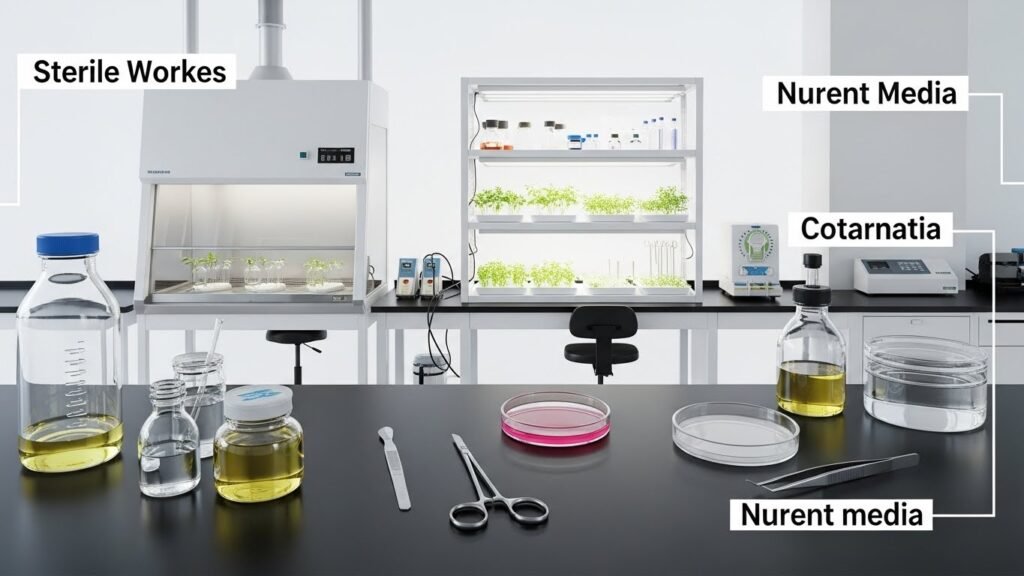
- Maintain a sterile environment with proper sterilization techniques.
- Use nutrient-rich media with appropriate growth regulators, such as auxins and cytokinins.
- Ensure proper lighting, temperature, and humidity control in the culture room.
Common Challenges and Solutions
- Contamination: Keep the culture environment sterile and regularly monitor for microbial growth.
- Slow Growth: Adjust nutrient media and growth conditions to promote faster regeneration.
- Poor Root Formation: Add rooting hormones or adjust the nutrient mix to encourage root development.
Understanding the Types of Tissue Culture
Micropropagation
- Definition: Micropropagation is the process of propagating plants from a small tissue sample under sterile conditions, enabling the large-scale multiplication of plants.
- Methods:
- Somatic embryogenesis: Creating embryos from somatic cells.
- Shoot-tip culture: Growing plantlets from the shoot tips of plants.
- Meristem culture: Using meristematic tissue to produce virus-free plants.
- Somatic embryogenesis: Creating embryos from somatic cells.
- Applications: Micropropagation is commonly used for commercial production, especially in fruit, ornamental, and medicinal plants.
Callus Culture
- Definition: Callus culture involves growing plant tissues into a mass of undifferentiated cells, which can later differentiate into roots and shoots.
- Advantages:
- Allows the regeneration of new plants from small, damaged plant parts.
- Helps in the propagation of plants that are difficult to grow from seeds.
- Allows the regeneration of new plants from small, damaged plant parts.
- Challenges:
- Callus formation can be slow.
- Regeneration from callus tissue is not always guaranteed, as it requires careful manipulation of growth hormones.
- Callus formation can be slow.
Organogenesis
- Definition: Organogenesis is the process of forming new organs, such as roots or shoots, from tissue cultures.
- Applications: Widely used for propagating woody plants and enhancing plant regeneration capacity.
Growth Regulators in Tissue Culture
Auxins
- Function: Auxins are plant hormones that promote root development in tissue cultures.
- Common Uses: Often used in rooting media to stimulate root formation and prevent callus formation.
- Examples: Indole-3-acetic acid (IAA) and naphthaleneacetic acid (NAA).
Cytokinins
- Function: Cytokinins promote cell division and shoot proliferation in tissue culture.
- Common Uses: Used in combination with auxins to produce balanced growth of shoots and roots.
- Examples: Benzylaminopurine (BAP) and Kinetin.
Gibberellins
- Function: Gibberellins are involved in promoting elongation and flowering in plants.
- Applications: Can be used in tissue culture to induce growth in plantlets that need to develop quickly.
Selecting the Best Tissue Culture Media
Composition of Nutrient Media
- Macro-nutrients: Nitrogen, phosphorus, potassium, calcium, magnesium, and sulfur are essential for plant growth and are found in various concentrations in nutrient media.
- Micro-nutrients: Iron, zinc, manganese, copper, molybdenum, and boron, required in trace amounts to maintain growth.
- Vitamins and Amino Acids: Promote cell division and growth, especially in the early stages of tissue culture.
Hormone-Free Media
- Function: Some plants, particularly those with high regeneration potential, grow better in hormone-free media.
- Benefits: Prevents excess shoot or root growth, ensuring that the plantlet remains healthy and strong.
Challenges in Tissue Culture
Contamination
- Sources of Contamination:
- Fungi, bacteria, and viruses can easily infect tissue cultures if the lab environment is not properly sterilized.
- Fungi, bacteria, and viruses can easily infect tissue cultures if the lab environment is not properly sterilized.
- Prevention Methods:
- Use of sterile tools, containers, and media.
- Surface sterilization of explants using disinfectants like bleach or alcohol.
- Regular sterilization of lab equipment and workspace.
- Use of sterile tools, containers, and media.
Low Regeneration Rates
- Factors Affecting Regeneration:
- Age and quality of the explant.
- Inadequate growth medium or improper hormone balance.
- Lack of sufficient light or improper temperature settings.
- Age and quality of the explant.
- Solutions:
- Adjusting nutrient medium and hormones.
- Ensuring proper environmental conditions (light, temperature, and humidity).
- Using explants from healthy, young plants.
- Adjusting nutrient medium and hormones.
Genetic Instability
- Problem: After multiple subcultures, some plants may undergo genetic changes, leading to undesirable traits.
- Solution: Regularly monitoring cultures for signs of genetic variation, using markers to track genetic stability.
The Role of Tissue Culture in Hybrid Development
Creating New Plant Varieties
- Technique: Tissue culture is often used to create new hybrid plants by crossing different species or varieties and propagating them through tissue culture. This allows for the rapid development of plants with desired traits, such as pest resistance or improved yield.
- Examples:
- Hybrid tomato plants resistant to specific diseases.
- New varieties of ornamental plants with unique colors or shapes.
- Hybrid tomato plants resistant to specific diseases.
Advantages for Growers
- Faster Development: Hybrids produced through tissue culture can be grown and tested much faster than through traditional breeding methods.
- Increased Yield: By selecting traits such as disease resistance, growers can significantly improve crop yields and reduce losses due to pests and environmental stress.
Commercial Tissue Culture Propagation
Large-Scale Plant Production
- Industrial Scale: Tissue culture allows for the propagation of thousands of identical plants from a single specimen, which can be sold to nurseries, garden centers, and commercial growers.
- Plants Commonly Produced:
- Orchids, roses, and other ornamental plants.
- Fruit trees, such as apple and citrus.
- Medicinal plants, like aloe vera and ginseng.
- Orchids, roses, and other ornamental plants.
Cost-Efficiency
- Benefits:
- High initial costs for setting up a tissue culture lab can be offset by the large-scale, consistent production of plants.
- It reduces the need for land, labor, and time typically associated with conventional propagation methods like cuttings or seed planting.
- High initial costs for setting up a tissue culture lab can be offset by the large-scale, consistent production of plants.
Protocol Availability
- Pre-established Protocols: Many commonly propagated plants have well-established tissue culture protocols, which make large-scale production easier for new growers.
- Challenges for New Growers: Some plants may not have standardized tissue culture protocols available, requiring tissue culturists to experiment and create new protocols.
The Importance of Aseptic Environments
Maintaining Sterility
- Controlled Conditions: Tissue culture requires an aseptic environment to avoid contamination. This includes using sterile air filters, laminar flow hoods, and sterilizing all tools and equipment.
- Environment Monitoring: The use of sterilized media, tools, and containers helps maintain the aseptic conditions necessary for successful plant growth.
Role of Clean Rooms
- Purpose: Clean rooms are specially designed to maintain a sterile, controlled environment in which tissue culture operations can be carried out without the risk of contamination from airborne pathogens.
- Features:
- High-efficiency particulate air (HEPA) filters.
- Temperature and humidity control.
- Regular monitoring for contamination.
- High-efficiency particulate air (HEPA) filters.
Tissue Culture for Specific Plant Types
Herbaceous Plants
- Regeneration: Herbaceous plants such as basil, mint, and chrysanthemums are ideal for tissue culture as they have high regenerative capacity and respond well to sterile conditions.
- Common Applications: Used in both ornamental and medicinal plant propagation.
Woody Plants
- Challenges: Woody plants, such as trees and shrubs, are more difficult to propagate through tissue culture due to their slower growth and harder tissues.
- Solutions:
- Using specific hormones and nutrient media.
- Selecting younger, softer tissues for tissue culture.
- Using specific hormones and nutrient media.
Medicinal Plants
- Importance: Tissue culture is vital for the propagation of medicinal plants like ginseng, echinacea, and lavender, which are often in high demand for their therapeutic properties.
- Benefits: Ensures consistent quality, disease-free production, and the ability to grow plants in controlled environments.
Future Prospects of Tissue Culture
Role in Climate Change Adaptation
- Drought Resistance: Tissue culture is instrumental in developing drought-resistant crops by selecting for traits that allow plants to survive in arid conditions.
- Pest Resistance: Tissue culture allows for the rapid introduction of pest-resistant genes into crops, reducing the need for chemical pesticides.
Expanding Opportunities for Global Agriculture
- Tropical Plants: Tissue culture allows for the mass production of tropical plants in regions where they might not naturally thrive, making them accessible for global markets.
- Increased Access to Exotic Plants: As tissue culture technology advances, more rare and exotic plants can be cultivated on a larger scale, benefiting both commercial growers and plant enthusiasts.
Conclusion
Tissue culture is an essential method for plant propagation, conservation, and hybrid development. By using sterile conditions and nutrient-rich media, this method allows for the cloning of plants on a large scale, making it an indispensable tool for growers, researchers, and conservationists. As technology advances, tissue culture will continue to play a vital role in ensuring the availability of disease-free plants and the preservation of endangered species for future generations.
FAQs
What is the difference between tissue culture and traditional plant propagation methods?
Tissue culture involves growing plants from small pieces of tissue, such as shoot tips or stems, in a sterile environment with nutrient-rich media. Unlike traditional methods like planting seeds or cuttings, tissue culture allows for mass propagation of disease-free plants and is more efficient in producing identical plants.
Can tissue culture be used to propagate woody plants?
While tissue culture is more commonly used for herbaceous (soft) plants, it can also be used for woody plants. However, the process is more challenging, as woody plants have slower regeneration rates and may require special conditions or growth regulators to stimulate successful tissue culture.
How long does it take for tissue culture plants to grow into full-sized plants?
The time it takes for tissue culture plants to mature depends on the plant species and growth conditions. On average, it may take a few weeks to a few months for plantlets to form, but it can take several months to a year before the plants are acclimated and ready for planting in soil.
Is tissue culture safe for the environment?
Tissue culture is considered environmentally friendly as it reduces the need for wild plant collection, preventing overharvesting and habitat destruction. It also allows for the propagation of disease-free plants, which can reduce the need for harmful pesticides and chemicals in traditional farming.
Can tissue culture be used to clone rare or endangered plants?
Yes, tissue culture is widely used to clone rare and endangered plants. It allows conservationists to produce large quantities of genetically identical plants from a single specimen, helping preserve genetic diversity and ensure the survival of endangered species.
Are there any risks or challenges associated with tissue culture?
The main challenges in tissue culture include contamination, slow growth, and genetic instability. Proper sterilization and controlled environmental conditions are necessary to mitigate these risks. Additionally, some plants may not respond well to tissue culture or may require specialized protocols.
Can I perform tissue culture at home?
While it is possible to perform small-scale tissue culture at home, it requires specialized equipment, sterile techniques, and a controlled environment. For beginners, it’s recommended to start with small plants and explore DIY tissue culture kits before attempting more advanced procedures.
What are the benefits of using tissue culture for large-scale plant production?
Tissue culture allows for the mass production of disease-free plants, which are essential for commercial growers. It ensures consistency in plant quality and traits, and it is much faster than traditional propagation methods, allowing growers to meet market demand quickly.
Can tissue culture be used for medicinal plants?
Yes, tissue culture is often used to propagate medicinal plants. It ensures that the plants are disease-free and maintains the chemical composition of the plants, which is essential for producing medicinal properties. Additionally, tissue culture can help preserve endangered medicinal species.
How does tissue culture help in hybrid plant development?
Tissue culture is a powerful tool for hybrid plant development as it allows researchers to manipulate plant tissues and create hybrids with desired traits. By using tissue culture, hybrid plants can be rapidly produced and tested, leading to new varieties with improved qualities such as disease resistance or higher yield.
Is tissue culture expensive to set up?
Setting up a tissue culture lab can be expensive due to the need for specialized equipment such as sterile workspaces, growth chambers, and nutrient media. However, for large-scale propagation, the investment can be cost-effective over time, as it allows for mass production of plants from a single specimen.