 Skip to content
Snapdragons are basically the rockstars of any flower garden. These cool plants are known as the unsung hero of the cutting garden. They are some of my favorite flowers because they bring so much to the table. Most people go for round flowers like daisies or roses. But these spike-type flowers take your bouquets to a whole new level. Learning about antirrhinum care is the best way to get those tall, beautiful spikes.
Introduction to Snapdragons
If you want a garden that looks like it belongs on a postcard, you need these beauties. They are a staple in cottage garden plants and work great in borders or containers. These flowers are not just pretty to look at; they are hard workers. They provide a unique shape that most other plants just cannot match.
The Unsung Hero of the Garden
A lot of folks forget about snapdragons when they start their spring planting. That is a big mistake because they are so reliable. They fill in the gaps in your garden beds perfectly. Professional florists love them because they add height and drama to any arrangement. They are truly the secret sauce for a professional-looking garden.
A Unique Floral Silhouette

Most gardens have a lot of round or flat shapes. Snapdragons provide that essential spike shape that catches the eye. It is super important to have different lines and shapes in your bouquets. These spikes create a sense of movement and vertical interest. Your garden will look way more dynamic with these tall towers of color.
Pollinator Magnet
If you love bees, you are going to love these flowers. They are highly attractive to bumblebees and other cool pollinators. The bees have to work a bit to get inside the flower, which is fun to watch. Having them around helps your whole garden stay healthy and productive. They turn your backyard into a buzzing paradise for wildlife.
Etymology and History
The name snapdragon comes from how the flower looks like a dragon’s face. If you squeeze the sides, the “mouth” actually snaps open and shut. This cool mechanism is why kids and adults both find them so fascinating. They have been a favorite in gardens for centuries because of this playful nature.
Snapdragon Plant Profile and Facts
Before you start digging, you should know what you are dealing with. These plants have a few quirks that make them unique. They are generally considered short-lived perennials, but most folks grow them as annuals. This means they usually finish their life cycle in one growing season.
- Plant type: Short-lived perennial usually grown as an annual.
- Common Name: Snapdragon.
- Botanical Name: Antirrhinum majus.
- Hardiness: They range from tender to half-hardy depending on the variety.
Botanical Classification
While they are technically perennials, they often struggle in super cold winters. In many places, they are treated as bedding plants that you replace every year. They belong to the Scrophulariaceae family, which includes many other popular garden flowers. Understanding their biology helps you give them the best antirrhinum care possible.
Flower Diversity
You can find these flowers in almost every color you can imagine. They come in red, pink, orange, yellow, and even cool bicolors. Some have solid colors, while others have soft pastel gradients. The variety is truly endless, making it easy to match any garden theme. You can mix and match them to create a vibrant rainbow in your yard.
Bloom Period
One of the best things about these plants is how long they bloom. They typically flower from June all the way through October. Some even keep going until the first hard frost hits in November. This long season gives you plenty of time to enjoy their beauty. They provide consistent color when other plants might be fading away.
Hardiness Levels
Snapdragons are surprisingly tough when it comes to the cold. They are frost-hardy and can handle a light chill without much trouble. However, they are still considered half-hardy, so a deep freeze might take them out. If you live in a mild climate, they might even overwinter and come back next year.
Fragrance Profiles
Not all snapdragons smell the same, which is a neat surprise. Some varieties have a classic sweet scent that reminds people of bubblegum. Others might have a light citrus or spicy aroma that drifts through the air. Planting them near a walkway allows you to enjoy these scents every time you pass by.
Pros and Cons of Growing Snapdragons
Every plant has its good and bad sides. Knowing what to expect helps you plan your garden better. Snapdragons are mostly awesome, but they do require a little bit of patience.
Advantages for the Gardener
- Color Variety: They come in a massive range of colors for any palette.
- Perfect for Bouquets: Their spike shape is a must-have for floral design.
- Vase Life: They can last up to 2 weeks in a vase if you harvest them right.
- Cold Tolerance: They can withstand early spring and late fall frosts.
Potential Challenges
- Tricky Seeds: They can be a bit difficult to start from seed if you are a beginner.
- Heat Sensitivity: They tend to slow down or stop blooming when it gets too hot.
- Finding Varieties: It can be hard to find the tall cut-flower types at local nurseries.
Choosing the Right Seeds and Varieties
Picking the right seeds is the first step to success. You need to know if you want short plants for a border or tall ones for cutting. Proper antirrhinum care starts with selecting the right genetics for your specific goals.
Selecting by Height and Purpose
If you want flowers for your kitchen table, look for tall varieties. These are often called cut-flower types and should reach at least 18 inches tall. Landscape varieties are much shorter and are bred to stay bushy in garden beds. Choosing the wrong one might leave you with short stems that are hard to use in vases.
Popular Cultivars to Consider

There are so many cool varieties out there to try. Here are some of the best ones for cut flower use:
- Madame Butterfly Series: These have beautiful double blooms that look like azaleas.
- Rocket Series: Very tall and vigorous spikes that come in many colors.
- Potomac Series: A professional-grade series that performs well in many climates.
- Heat-Tolerant Cultivars: Look for ‘Snappy’ or ‘Snapshot’ if you live somewhere hot.
Open-Faced Varieties
Most people know the classic “snapping” face, but there are others. Open-faced varieties like the Chantilly series have a more bell-like shape. They are very elegant and often have a softer look in bouquets. These are great if you want something a little different from the traditional look.
Propagation and Sowing Techniques
Getting your plants started right is a huge part of antirrhinum care. You can start them from seeds or take cuttings from existing plants. Both ways work great if you follow the right steps.
Starting from Seed Indoors

Snapdragons take a long time to grow, so starting them indoors is best. You should start them about 8 to 10 weeks before your last frost. This gives them enough time to get big and strong before they go outside.
- The Cold Treatment: Keep your seeds in the freezer until you are ready to plant. This mimics the cold winter they would face in the wild.
- Managing Dust-Like Seeds: The seeds are tiny and look like dust. Use the toothpick method to pick up exactly two seeds at a time.
- Light and Soil Requirements: Sow them on the surface of peat-free compost. Do not cover them completely because they need light to germinate.
Propagation via Cuttings
If you have a plant you really love, you can make more for free. Take softwood cuttings in the summer for the best results. Cut a small piece of the stem and remove the lower leaves. Stick them in some moist compost, and they should start growing roots in a few weeks.
Collecting Seeds
You can also save seeds from your own plants for next year. Look for the seedheads that look like tiny little skulls. Once they are dry and brown, you can shake the seeds out into a container. Just remember that hybrids might not look the same as the parent plant.
Site Selection and Soil Preparation
Where you put your plants matters just as much as how you plant them. They need the right environment to thrive and produce lots of flowers.
Ideal Growing Conditions
Snapdragons love the sun. They need at least 6 hours of full sun every day to grow strong. The soil should be well-drained and full of nutrients. If your soil stays too wet, the roots might rot, which is bad news for your plants.
- Soil Composition: Use light, fertile soil for the best growth.
- pH Balancing: They prefer a soil pH between 6.2 and 7.0.
Strategic Placement for Heat Management
In really hot places like Sacramento, you have to be careful with the sun. Giving them some afternoon shade can keep them from wilting in the heat. An eastern exposure is perfect because they get the cool morning sun but stay protected later in the day.
Companion Planting
You can plant snapdragons next to other cool flowers. They look great with sweet peas or sunflowers in a cutting garden. Planting them with herbs can also help keep pests away. Mixing them with different plants makes your garden look more natural and healthy.
Planting and Spacing Strategies
Once your seedlings are big enough, it is time to move them outside. You have to be gentle during this transition to avoid transplant shock.
Hardening Off and Timing
Do not just throw your plants outside all at once. You need to acclimatize them to the outdoor air for about two weeks. Start by putting them out for an hour a day and slowly increase the time. Make sure all risk of frost has passed before you leave them out for good.
Proper Spacing for Growth

How close you plant them depends on what you want. For cut flowers, space them about 6 to 9 inches apart. This close spacing forces them to grow tall, straight stems. For a garden border, you can space them about 12 inches apart to give them room to spread out.
Essential Care and Maintenance
Good antirrhinum care involves keeping an eye on your plants every day. They need regular water and food to keep those blooms coming.
Watering Requirements
Watering is key, but you have to do it right. Always water at the base of the plant to keep the leaves dry. This helps prevent fungal diseases from starting.
- Deep Watering: Water deeply 2 to 3 times a week instead of light daily sprinkles.
- Frequency: Container plants might need water more often than those in the ground.
- Winter Watering: If you live in a warm zone, keep the roots hydrated even in winter.
Fertilization and Feeding
Snapdragons are hungry plants. They need plenty of nutrients to produce those big flower spikes.
- Nutrient Balance: Use a high-potash fertilizer like tomato feed every two weeks.
- Application Cycles: Liquid fertilizer works great for a quick boost.
- Heat Wave Adjustments: Stop feeding them when it gets super hot so they can rest.
Physical Support
The tall varieties can get a bit top-heavy when they are full of flowers. You might need to use bamboo canes or netting to keep them from falling over. This is especially important if your garden is in a windy spot.
Maximizing Bloom Production
If you want the most flowers possible, you have to be a little aggressive. Pruning and pinching are your best friends here.
The Art of Pinching

Pinching feels wrong, but it is so right for snapdragons. When they are about 4 to 6 inches tall, snip off the top inch of the plant. This tells the plant to stop growing up and start growing out. You will end up with way more branches and way more flowers.
Deadheading and Mid-Season Refresh
Don’t let your plants go to seed if you want more flowers. Regularly remove the dead flower spikes as soon as they fade. If they slow down in the summer heat, cut them back by about a third. This helps them bounce back for a massive flush of blooms in the fall.
Mastering Heat Tolerance for Continuous Blooms
Heat is the biggest enemy of antirrhinum care. But you can help your plants survive the summer with a few tricks.
- Mulching: Put a thick layer of mulch around the base of your plants. This keeps the soil cool and holds onto moisture.
- Shade Cloths: If it gets over 90 degrees, use a shade cloth to protect them.
- Humidity Microclimates: Group your plants together to create a cooler, more humid area.
- Mobile Containers: If your plants are in pots, move them to the shade during the hottest part of the day.
Pest and Disease Management
Sometimes bugs or diseases might try to ruin your fun. Staying on top of these issues is a big part of antirrhinum care.
Identifying Fungal Issues
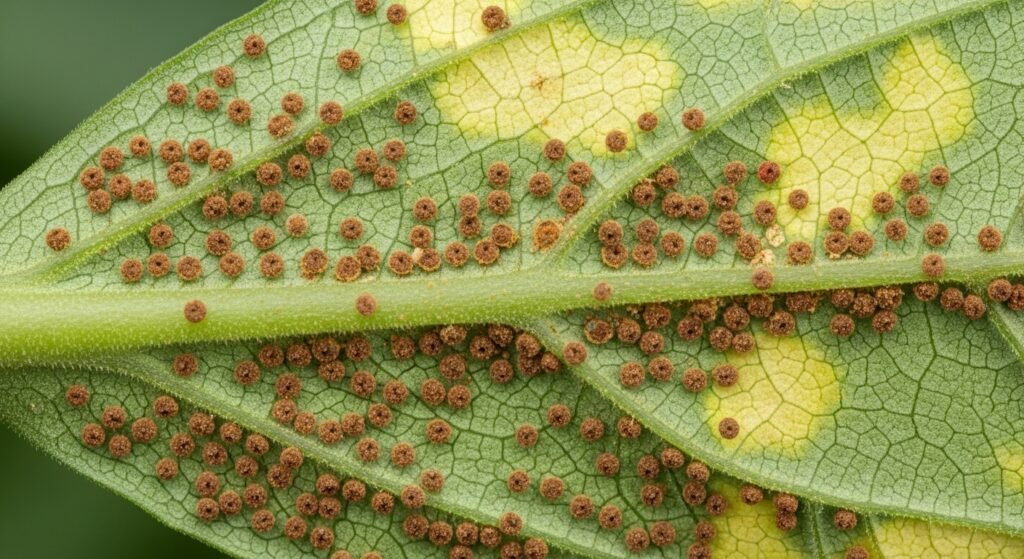
The most common problem is antirrhinum rust. It looks like dark brown spots on the bottom of the leaves. If you see it, take off the infected leaves right away. Make sure your plants have plenty of air moving around them to prevent this.
Common Garden Pests
Aphids are another common visitor. These tiny green bugs love to suck the sap out of new growth. Usually, natural predators like ladybirds will show up to eat them. If things get bad, you can blast them off with a hose or use a gentle soap spray.
Harvesting and Post-Harvest Care
Harvesting is the most rewarding part of growing snapdragons. Getting them at the right time ensures they stay fresh for a long time.
The Ideal Harvest Stage

Wait until the bottom 1 or 2 flowers on the spike are open. The rest should still be closed tight. This gives the stem the longest possible life in a vase. Always cut your flowers in the cool of the morning or evening.
Post-Harvest Handling
Once you cut them, put them in water immediately. One weird thing about snapdragons is that they are sensitive to gravity. If you lay them down, the tips will start to bend upwards. Always keep them standing up straight to keep the stems nice and vertical.
Creative Uses for Snapdragons
Don’t just leave them in the garden; bring them into your life. There are so many ways to use these versatile flowers.
- Floral Design: Use them as “line flowers” to create height in arrangements.
- Edibility: The petals are actually edible! They taste a bit bitter but look great as a garnish.
- Drying Flowers: You can hang them upside down in a dark room to dry them for crafts.
Post-Heat Recovery and Fall Maintenance
As the weather cools down, your snapdragons will get a second wind. This is often when they look their best.
- Deep Rehydration: Give them a good long drink after a heat wave.
- Cleaning Damaged Foliage: Remove any leaves that got scorched by the sun.
- Fall Longevity: They will keep blooming through light frosts, so don’t pull them out too early.
Troubleshooting Common Problems

If your plants look sad, don’t panic. Most problems have a simple fix. If they aren’t blooming, they might need more sun or less nitrogen. If they look leggy, they probably need to be pinched back. Always check the soil moisture first, as that is the most common cause of wilting.
Conclusion
Snapdragons are truly a joy to grow. With the right antirrhinum care, you can have beautiful spikes of color from spring until late fall. They are tough, beautiful, and perfect for anyone who loves fresh flowers. Just remember to pinch them early, water them at the base, and keep them cool in the summer. Your garden—and your kitchen table—will thank you!
| Requirement | Value / Quantity | Key Benefits |
| Sunlight Exposure | 6 to 8 hours of direct sun daily | Ensures strong stems and vibrant flower colors. |
| Soil pH Level | 6.2 to 7.0 (Slightly acidic to neutral) | Optimizes nutrient uptake for healthier growth. |
| Indoor Sowing Time | 8 to 10 weeks before last frost | Provides a head start for a longer blooming season. |
| Seed Sowing Depth | Surface sow (0 inches) | Light is required for seeds to break dormancy. |
| Germination Temp | 60°F to 70°F (15°C to 21°C) | Faster sprout rates and reduced risk of seed rot. |
| Plant Spacing | 6 to 12 inches apart | Balances airflow with stem length and support. |
| Watering Frequency | 1 inch of water per week | Keeps roots hydrated without causing fungal rot. |
| Fertilizer Type | 10-30-10 or 5-10-10 (High Potash) | Boosts flower production over leaf growth. |
| Feeding Schedule | Every 14 days during growth | Maintains energy for continuous flower spikes. |
| Pinching Height | When plant reaches 4 to 6 inches | Doubles or triples the number of flower branches. |
| Heat Threshold | 85°F and above | Signals when to provide shade to prevent wilting. |
| Mulch Depth | 2 to 3 inches of organic matter | Keeps soil cool and prevents moisture evaporation. |
| Harvest Stage | Bottom 1/3 of florets open | Provides the longest possible vase life (up to 2 weeks). |
| Support Height | Staking for varieties over 18 inches | Prevents stems from snapping during wind or rain. |
| Pest Monitoring | Check leaf undersides weekly | Early detection of aphids and rust saves the plant. |
Frequently Asked Questions
Can snapdragons be grown indoors as houseplants?
Snapdragons are generally not suited for long-term indoor growth because they require high light intensity and cool night temperatures to thrive. Without professional-grade grow lights and temperature control, they often become weak and fail to bloom indoors.
Are snapdragons toxic to cats, dogs, or horses?
According to the ASPCA, snapdragons are considered non-toxic to cats, dogs, and horses. This makes them a safe choice for pet owners looking to add vertical interest to their gardens without risking their animals’ health.
Why are my snapdragons turning yellow?
Yellowing leaves often indicate overwatering or poor drainage leading to root stress. It can also signify a nitrogen deficiency or the early stages of downy mildew if the yellowing is accompanied by fuzzy growth on the leaf undersides.
Can you grow snapdragons in hanging baskets?
Yes, trailing or “pendula” varieties like the Lampion or Candy Showers series are specifically bred for hanging baskets. These varieties have a cascading habit rather than the traditional upright spike.
Do snapdragons come back every year?
In USDA zones 7 through 10, snapdragons often behave as short-lived perennials and may return for a second or third year. In colder climates, they usually die back completely and are treated as annuals.
How do I stop my snapdragons from falling over?
Tall varieties require support through staking or floral netting. Planting them closely together also allows them to lean on one another for stability, though this requires excellent air circulation to prevent rot.
Are snapdragon seeds easy to save?
They are easy to collect, but because most garden snapdragons are F1 hybrids, the seeds you save will not produce plants identical to the parent. You will likely get a mix of different colors and heights.
Why do my snapdragons have “rusty” brown dust on them?
This is likely Antirrhinum Rust, a specific fungal disease. It spreads rapidly in moist conditions; infected plants should be removed and destroyed (not composted) to prevent the fungus from overwintering in the soil.
Do snapdragons need a lot of fertilizer?
They are moderate feeders that prefer a balanced diet. Too much nitrogen will result in lush green leaves but very few flowers, so switching to a phosphorus-rich “bloom booster” is better once the plant is established.
Can I plant snapdragons in the fall?
In mild winter regions, fall planting is ideal as it allows the plants to establish a strong root system during the cool months for an explosion of early spring color.
What is the best companion plant for snapdragons?
They pair well with other cool-season favorites like pansies, violas, and dusty miller. For a summer-long display, plant them near taller perennials that can provide them with afternoon shade.
How many seeds are in a snapdragon pod?
A single seed pod can contain dozens of tiny, black, dust-like seeds. This high seed production is why they often self-sow in the garden if the spent blooms are not removed.
Why are my snapdragon flowers closing up?
Once a snapdragon flower is pollinated by a bee, it naturally begins to wilt and close to focus its energy on seed production. Regular harvesting prevents this and keeps the plant focused on new buds.
Can snapdragons grow in clay soil?
They can grow in clay if it has been heavily amended with organic matter like compost or fine bark. They will fail in heavy, compacted clay that holds water for too long.
Do deer eat snapdragons?
Snapdragons are generally considered deer-resistant because of their bitter taste. While no plant is 100% “deer-proof” if the animals are starving, they are usually low on the list of preferred forage.
How long does it take for snapdragon seeds to germinate?
Under the right conditions (light and moisture), they typically germinate in 10 to 21 days. Using a heat mat can speed up this process, but they should be moved to a cooler spot immediately after sprouting.
Can I grow snapdragons from store-bought bouquets?
No, cut flowers from a florist are usually treated to prevent rooting. It is much more effective to start from fresh seed or softwood cuttings taken from a living garden plant.
What happens if I don’t pinch my snapdragons?
The plant will produce one very large, central flower spike early in the season but will likely remain thin and produce fewer total flowers over the course of the year.
Are snapdragons affected by air pollution?
Snapdragons are relatively sensitive to ozone and sulfur dioxide. In highly urbanized areas with poor air quality, they may show signs of leaf spotting or reduced vigor.
Do snapdragons attract butterflies?
While they are mostly pollinated by bees, butterflies like the Common Buckeye use snapdragons as a nectar source and occasionally as a host plant for their larvae.