 Skip to content
Growing a huge broccoli head is the dream of every backyard gardener. Most folks end up with tiny, sad florets that look like something from a dollhouse. This guide will show you how to grow a broccoli head that rivals the grocery store. We will cover everything from the best seeds to the secret of proper spacing. By following these steps, you can turn your home garden into a broccoli powerhouse.
Introduction to Growing Giant Broccoli
Many gardeners feel a bit bummed out when their plants produce small heads. It takes a long time to grow these plants, so you want a good payoff. Harvesting a massive broccoli head feels like winning a gold medal in the garden world. It is not just about bragging rights, as it also saves you a ton of money. You can feed your whole family with just a few well-grown plants.
The secret to success is not just luck or having a green thumb. It comes down to four core pillars that every gardener needs to master. These pillars include picking the right genetics and taking care of your seedlings. You also need to provide the best soil and give them plenty of room. If you nail these four things, you will see a huge difference in your harvest.
Selecting the Right Genetics for Size
You cannot grow a giant broccoli head if you start with bad seeds. Genetics play a huge role in how big your plants will eventually get. Some types are just naturally better at making big central heads than others. You need to do a little homework before you buy your seed packets. This preparation ensures you are not wasting your time on small varieties.
Researching High-Yield Varieties
- Variety selection is the very first step toward a successful garden.
- Arcadia is a famous variety known for producing very large, consistent heads.
- Fiesta is another great choice that handles different weather conditions well.
- Check the days to maturity to make sure the plant has time to grow big.
The Value of Side-Shoot Production
A great broccoli plant does not stop after you cut the main broccoli head. Many varieties will sprout smaller side-shoots from the stem for several weeks. This gives you a much higher total yield over the whole season. You want to find a balance between a giant central head and plenty of side-shoots. This way, your garden keeps providing food long after the first harvest.
Conducting Garden Trials
Every garden has a different microclimate that affects how a broccoli head grows. What works for your neighbor might not work perfectly for you. It is a smart move to plant two or three different varieties each year. Keep a small notebook to track which one grew the biggest heads. Over time, you will find the perfect “champion” variety for your specific soil.
Heirloom vs. Hybrid Varieties
Hybrid varieties, often labeled as F1, are usually the kings of size. They are bred specifically to be very vigorous and produce uniform results. Heirlooms are great because you can save the seeds for next year. However, heirlooms can sometimes be more finicky about the weather and soil. If your main goal is a massive broccoli head, hybrids are often the safest bet.
Starting with Strong Seedlings
The way you treat a young plant determines its future size. A healthy seedling will grow fast and strong once it hits the ground. If a seedling struggles early on, it might never recover its full potential. You need to give them the best start possible to ensure a large harvest. This starts with the right container and careful attention to the roots.
Proper Starting Containers

Many stores sell seedlings in tiny 4-packs or small cells. These containers are often way too small for a fast-growing broccoli plant. It is much better to use pots that are at least 3 inches wide. Depth is also important, so aim for a pot that is 4 inches deep. This extra space allows the root system to spread out and stay healthy.
Avoiding the Root-Bound Trap
When a plant stays in a small pot too long, the roots start to circle. This condition is called being root-bound or pot-bound. Being root-bound can actually stunt a plant for its entire life. A stunted plant will often produce a tiny 1-inch broccoli head and then stop. You must ensure the roots have plenty of room to grow straight and strong.
- Check the bottom of the pot for roots poking out of the holes.
- Gently squeeze the sides to see if the root ball feels too tight.
- Avoid buying plants that look yellow or have roots winding around the stem.
- Transplant early to keep the growth momentum going without any interruptions.
Timing the Transplant
Knowing when to move your plants to the garden is a big deal. You should wait until the plant has at least four adult leaves. These are the true leaves that look like actual broccoli leaves. Make sure you harden off your plants by putting them outside slowly. This prevents transplant shock and helps the plant settle into its new home.
Indoor Lighting and Seedling Strength
If you start seeds indoors, they need a lot of bright light. Without enough light, the stems become tall, skinny, and very weak. We call this being “leggy,” and it is bad for your broccoli head. Use a good LED or fluorescent grow light to keep them short and stocky. Keep the light close to the plants so they don’t have to stretch.
Optimizing Soil and Nutrition
Broccoli belongs to the cabbage family and they are heavy feeders. They need a lot of food to build those big, heavy stalks and heads. You cannot just stick them in poor soil and expect amazing results. Your soil needs to be rich, loose, and full of organic goodness. Preparing the soil correctly is like building a strong foundation for a house.
Broccoli as Heavy Feeders
Because they grow so fast, broccoli plants use up nutrients very quickly. You should mix in plenty of compost or aged manure before planting. This organic matter provides a steady stream of food for the roots. It also helps the soil hold onto moisture, which broccoli loves. Think of compost as the ultimate fuel for a giant broccoli head.
Essential Nutrients for Head Development
- Nitrogen is crucial for growing the large green leaves that power the plant.
- Phosphorus helps develop a strong root system and a dense head.
- Potassium keeps the plant healthy and helps it resist diseases.
- Boron is a tiny nutrient that prevents the stem from becoming hollow.
Fertilization Schedules
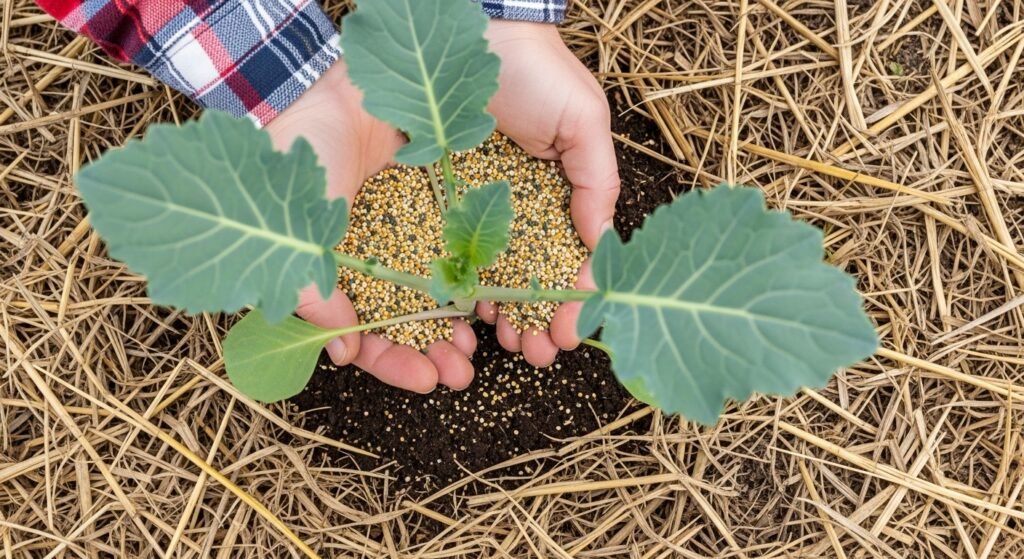
A one-time feeding is usually not enough for the whole season. It is best to use a slow-release organic fertilizer at planting time. Every four weeks, you should add a little more fertilizer near the plant. This is called side-dressing, and it keeps the plant’s energy levels high. Consistent feeding ensures the broccoli head never stops growing larger.
Soil pH and Mineral Availability
The pH level of your soil tells you how acidic or alkaline it is. Broccoli grows best when the pH is between 6.0 and 7.0. If the pH is off, the plant cannot “eat” the nutrients in the soil. You can get a cheap soil test kit at most garden centers. Adjust the pH with lime or sulfur if you need to fix it.
Climate and Temperature Management
Broccoli is a cool-weather crop that hates the sweltering heat. It grows best when the air is crisp and the sun is not too intense. If it gets too hot, the plant will freak out and start to flower. Timing your planting with the weather is key to a massive broccoli head. You want to aim for those “Goldilocks” temperatures that are just right.
Ideal Growing Windows
The best time to grow broccoli is when temps stay below 80°F. For many people, this means planting in the early spring or late summer. Fall crops are often the most successful because the air gets cooler. As the weather cools down, the broccoli head grows slower and denser. This often results in a much better flavor and a bigger size.
Managing Heat Stress
If a heat wave hits, your broccoli plants might start to suffer. High heat can cause the plant to “bolt,” which means it grows flowers fast. Once it bolts, the broccoli head becomes loose and tastes very bitter. You can use shade cloth to keep the plants a bit cooler. Deep mulching also helps keep the roots from getting too hot in the sun.
Frost Protection and Cold Sweetening
- Young transplants should be protected from a hard freeze with row covers.
- Mature plants are actually very tough and can handle a light frost.
- Cold weather causes the plant to turn starches into sugars for protection.
- Frost-kissed broccoli often tastes much sweeter than broccoli grown in summer.
The Critical Importance of Plant Spacing
Giving your plants enough “elbow room” is the biggest secret of all. Many people try to squeeze too many plants into a small space. This competition for light and food makes every plant smaller. If you want a giant broccoli head, you have to let them spread out. Proper spacing is the difference between a snack and a full meal.
The 12-inch vs. 18-inch Experiment

Debra Graff from Abundant Mini Gardens did a cool test on spacing. She planted some broccoli 12 inches apart and some 18 inches apart. The plants at 12 inches only grew heads that weighed about 8.5 ounces. The plants at 18 inches produced heads that weighed 1.3 pounds. That is a massive difference just from giving them 6 more inches.
Understanding Plant Architecture
A happy broccoli plant is much bigger than most people realize. These plants can grow to be 3 feet wide if they have the room. The big leaves act like solar panels to collect energy from the sun. If the plants are too close, they shade each other out and lose power. To grow a big broccoli head, the plant needs all the sun it can get.
Benefits of Wide Spacing
- Better airflow prevents mold and diseases from growing on the leaves.
- Less competition means more water and nutrients for each individual plant.
- Easier harvest because you can actually see what you are doing between rows.
- Bigger side-shoots happen because the lower part of the stem gets more light.
Advanced Water Management Techniques
Water is the lifeblood of any vegetable garden, especially for broccoli. These plants are mostly made of water, so they need a lot of it. However, you have to water the right way to get the best results. Keeping the soil moist but not soggy is a tricky balancing act. Good watering habits will help your broccoli head stay crisp and juicy.
Deep Root Irrigation
Instead of watering a little bit every day, try watering deeply twice a week. This encourages the roots to grow deep down into the cool soil. Deep roots help the plant stay stable and find nutrients lower down. If the surface soil dries out, the deep roots will keep the plant hydrated. This prevents the plant from wilting during a hot afternoon.
Drip Irrigation vs. Overhead Watering
Using a drip system or a soaker hose is the best way to water. It puts the water right at the roots where the plant needs it most. Overhead watering with a sprinkler can get the leaves and heads wet. Wet leaves often lead to diseases like downy mildew or rot. Keeping the foliage dry is a simple way to keep your plants healthy.
Maintenance and Care Throughout the Season
Your job isn’t done once the plants are in the ground. You need to keep an eye on them every day to catch problems early. A little bit of care each week goes a long way toward success. You need to manage water, pests, and weeds to protect your harvest. This consistent effort is what separates master gardeners from everyone else.
Consistent Moisture Requirements
Broccoli plants hate being thirsty even for a single day. If the soil dries out completely, the plant might stop growing for a bit. These “growth checks” can lead to smaller heads or tough stems. Using a layer of straw or leaf mulch helps keep the moisture in the soil. It also keeps the soil from splashing onto the leaves when it rains.
Pest and Disease Management

- Cabbage worms are green caterpillars that love to eat broccoli leaves.
- Aphids are tiny bugs that suck the sap and can turn leaves yellow.
- Check the undersides of leaves frequently for any eggs or small bugs.
- Use organic sprays like Bt if you see worms starting to munch.
Weed Control
Weeds are like thieves that steal food and water from your broccoli. Broccoli plants are not very good at fighting off aggressive weeds. You should pull weeds while they are still tiny so they don’t grow big. Be careful not to dig too deep near the broccoli roots. Their roots are near the surface and can be easily damaged by a hoe.
Troubleshooting Common Growth Issues
Even with the best care, things can sometimes go a little sideways. It is important to know what common problems look like so you can react. Most issues have a cause that you can fix for the next round. Understanding these problems makes you a much smarter gardener over time. Here are a few things to watch out for during the season.
Identifying Buttoning
Buttoning is when a plant produces a tiny broccoli head that never grows bigger. This usually happens because the plant was stressed when it was young. Cold snaps or being root-bound in a pot are the most common causes. Once a plant starts buttoning, you cannot fix it to make the head larger. The best move is to harvest the tiny head and hope for side-shoots.
Dealing with Hollow Stem
Sometimes you cut open a broccoli stalk and find a big hole in the middle. This is called “hollow stem,” and it is usually not a disease. It often happens when a plant grows too fast because of too much nitrogen. It can also be a sign that your soil is missing the nutrient boron. The broccoli is still safe to eat, but it might not store as well.
Preventing Premature Bolting
Bolting is when the broccoli head turns into a bunch of yellow flowers. This happens when the plant thinks its life is ending because of the heat. To prevent this, make sure you plant early enough in the spring. You can also try “mist cooling” with a hose on very hot days. Once you see the florets starting to separate, harvest it immediately.
Harvest Strategies for Maximum Size
The timing of your harvest is the final step to a perfect broccoli head. If you cut too early, the head will be small. If you wait too long, it will start to bloom and taste gross. You have to watch the plant closely as it reaches its full size. There is a specific window of time where the size and flavor are perfect.
Identifying Peak Maturity

Look at the individual green bumps, which are actually tiny flower buds. You want to harvest when these buds are still very tight and closed. If you can push your finger into the head and the buds move easily, it’s time. If they stay super tight, you might be able to wait a few more days. Never wait until you see any hint of yellow showing in the head.
Proper Cutting Techniques
- Use a sharp knife to make a clean cut across the main stem.
- Cut at an angle so that rainwater can slide off the remaining stump.
- Leave several inches of stem and plenty of leaves on the plant.
- Watch for side-shoots to grow from the leaf joints after the main cut.
Post-Harvest Handling
As soon as you cut the broccoli head, it starts to lose moisture. You should bring it inside and cool it down right away. Rinsing it in cold water and putting it in the fridge works great. This keeps the broccoli crunchy and prevents it from wilting. If you store it in a loose plastic bag, it will stay fresh for a week.
Comprehensive Broccoli Growth Management
To achieve massive broccoli heads, you need to provide consistent care throughout the life cycle of the plant. This table summarizes the critical requirements, the specific values or quantities needed, and the exact timing for each action to ensure your garden remains productive and efficient.
| Requirement | Quantity / Value | Timing | Frequency |
| Starting Pot Size | 3″ wide x 4″ deep | At seed sowing | Once per seedling |
| Transplant Age | 4 true adult leaves | 6-8 weeks after sowing | Once |
| Plant Spacing | 18 inches apart | At transplanting | Once |
| Soil pH Level | 6.0 to 7.0 pH | 2 weeks before planting | Test once per season |
| Sunlight | 6 to 8 hours daily | Throughout growth | Continuous |
| Watering Depth | 6 inches deep into soil | During active growth | 2 to 3 times per week |
| Organic Fertilizer | Follow package rates | At planting / Side-dress | Every 4 weeks |
| Mulch Layer | 2 to 3 inches thick | After transplanting | Refresh as needed |
| Shade Cloth | 30% to 50% density | When temps exceed 80°F | Daily during heatwaves |
| Pest Inspection | Visual check (leaf undersides) | From transplant to harvest | 2 to 3 times per week |
| Compost Addition | 2-inch layer over bed | Before planting | Once per season |
| Boron Supplement | 1 tbsp per 100 sq. ft. | Pre-planting (if deficient) | Once per year |
| Hardening Off | 1 to 10 hours outside | 1 week before transplant | Daily (increasing time) |
| Harvest Window | Firm, tight florets | Before yellow flowers open | Check daily at maturity |
| Side-Shoot Harvest | 2 to 4 inches long | After main head is cut | Every 3 to 5 days |
Economic and Garden Efficiency
Growing a large broccoli head is actually very efficient for your garden. It might seem like 18-inch spacing wastes space, but it’s the opposite. You get more food from fewer plants if those plants are healthy. This saves you time on planting, weeding, and buying expensive seeds. It is all about working smarter, not harder, in your backyard.
Calculating Yield per Square Foot
Debra Graff found that 18-inch spacing uses 60% fewer plants than 12-inch spacing. Even with fewer plants, the total weight of broccoli was about the same. However, the heads from the 18-inch plants were much higher quality. One big head is much easier to cook and clean than three tiny ones. This makes your garden more productive with less physical effort.
Minimizing Labor
Managing a few large plants is way easier than managing a crowded mess. You have more room to walk and pull weeds without hitting your crops. There is also less chance of pests hiding in a crowded, tangled area. By focusing your energy on fewer plants, you can give them better care. This leads to a much more relaxing and fun gardening experience.
Strategic Planting Calendar for Your Broccoli Head Success
A well-timed planting calendar is the secret weapon for any gardener wanting to grow a massive broccoli head. Because these plants are so sensitive to temperature, you cannot just guess when to put them in the ground. You need a plan that works with the seasons in your specific area. A good calendar helps you avoid the summer heat that ruins crops and the deep winter freezes that kill young starts.
Spring Planting for Early Summer Harvests
- Start seeds indoors about 6 to 8 weeks before the last expected frost date in your town.
- Move seedlings to larger pots once they have their first set of true leaves to prevent them from getting root-bound.
- Begin hardening off your plants two weeks before you plan to put them in the garden.
- Transplant into the garden roughly 2 to 3 weeks before the last frost date, as broccoli can handle a little chill.
- Target your harvest for late spring or early summer before the daytime temperatures consistently stay above 80 degrees.
Fall Planting for Maximum Size and Flavor

- Start seeds in mid-summer usually around July or August depending on how hot your local climate stays.
- Keep young seedlings shaded and very well-watered during the high heat of August to prevent stress.
- Transplant into the garden in late summer so the plants have time to grow large leaves before the days get short.
- Watch the broccoli head form as the autumn air turns crisp, which helps the head stay tight and sweet.
- Harvest through the first few frosts because a bit of cold weather actually improves the sugar content in the stalks.
Regional Timing Adjustments
- In Northern climates focus mostly on the spring crop since the growing season is much shorter.
- In Southern climates the fall and winter months are often the best time to grow a high-quality broccoli head.
- Use local extension offices to find the exact frost dates for your specific zip code or county.
- Keep a garden journal to note when you planted each year so you can adjust your calendar for better results next time.
Conclusion: Summarizing the Path to Success
Growing a massive broccoli head is a skill that anyone can learn. It all starts with choosing the right seeds and avoiding the root-bound trap. You must feed your plants well and give them plenty of cool water. Most importantly, you must give them 18 inches of space to grow big. If you follow these simple rules, your harvest will be the talk of the town.
Frequently Asked Questions
Can I grow broccoli in containers?
Yes, use a pot at least 5 gallons in size and 12 inches deep per plant to ensure roots have enough room to support a large head.
Why is my broccoli purple?
Purpling is often a sign of phosphorus deficiency or stress from cold temperatures. It is safe to eat and sometimes indicates higher antioxidant levels.
Does broccoli need full sun?
Broccoli produces the largest heads in full sun (at least 6-8 hours). It can grow in partial shade, but the heads will be smaller and take longer to mature.
Can I grow broccoli from store-bought heads?
No, broccoli is grown from seeds or transplants. The heads are immature flower buds and cannot be used to grow new plants.
What causes yellow flowers on my broccoli?
This is bolting. It happens when the plant reaches the end of its life cycle or is stressed by heat. Harvest immediately once yellow appears.
Is the broccoli stalk edible?
Yes, the stalk is highly nutritious. Peel the woody outer skin to reach the tender, sweet core which tastes similar to the head.
How do I stop birds from eating my seedlings?
Use bird netting or hardware cloth cages over young plants. Birds often target the tender green leaves of young brassicas.
Why are the leaves on my broccoli plant turning yellow?
This is usually a nitrogen deficiency or overwatering. Ensure well-draining soil and apply a high-nitrogen organic fertilizer.
Can I save broccoli seeds?
Yes, but broccoli cross-pollinates easily with kale, cabbage, and cauliflower. To get true seeds, only one type of brassica should be flowering nearby.
How long does broccoli take to grow?
Most varieties take 70 to 100 days from seed to harvest, or 50 to 70 days from the time they are transplanted into the garden.
What is the best mulch for broccoli?
Straw, shredded leaves, or grass clippings (free of herbicides) are excellent for retaining moisture and keeping soil temperatures cool.
Why are my broccoli leaves curling?
Curling leaves often indicate an aphid infestation. Check the undersides for small insects and treat with neem oil or insecticidal soap.
Can I plant broccoli near tomatoes?
It is generally discouraged. Broccoli and tomatoes compete for the same nutrients, and broccoli can inhibit the growth of nightshades.
How do I get rid of cabbage loopers?
Hand-pick the green caterpillars or apply Bacillus thuringiensis (Bt), a natural bacteria that targets caterpillars without harming beneficial insects.
Does broccoli grow back every year?
No, broccoli is typically grown as an annual. In very mild climates, some “sprouting” varieties can act as short-lived perennials.
What are the best companion plants for broccoli?
Onions, celery, and aromatic herbs like rosemary or dill are great companions as they help deter pests like the cabbage fly.
Why is my broccoli head fuzzy?
A “fuzzy” appearance occurs when the flower buds (florets) start to open. This means the broccoli is over-mature and should be harvested immediately.
How do I prevent clubroot disease?
Practice crop rotation and ensure your soil pH is slightly alkaline (around 7.2), as the fungus that causes clubroot struggles in high-pH soil.
Should I remove the large bottom leaves?
Only remove leaves if they are yellowed or touching the ground to prevent disease. The large green leaves are necessary for photosynthesis and head growth.
How do I store harvested broccoli for the long term?
Broccoli can be blanched in boiling water for three minutes, cooled in an ice bath, and then frozen for up to a year.