 Skip to content
Monstera Deliciosa, often known as the Swiss Cheese Plant, is one of the most popular indoor plants due to its unique, striking appearance and easy maintenance. Native to the jungles of Central America, this epiphytic vine can grow to impressive heights, reaching up to 70 feet in the wild, though it tends to remain more manageable in a typical home environment. Monstera is known for its large, fenestrated (hole-filled) leaves, which only develop as the plant matures. If you’re looking for a low-maintenance, beginner-friendly plant to add a tropical touch to your home decor, Monstera Deliciosa is the perfect choice.
In this guide, we’ll walk you through everything you need to know to ensure your Monstera thrives, from understanding its light and water requirements to repotting and troubleshooting common issues. Whether you’re new to plant care or an experienced plant lover, you’ll find actionable tips to keep your Monstera plant happy and healthy.
Ideal Growing Conditions for Monstera Deliciosa

To ensure your Monstera thrives, it’s essential to understand its ideal growing conditions. This plant prefers warm, tropical environments with certain light, temperature, and humidity conditions. Let’s dive into the specifics of what your Monstera needs to grow well.
Light Requirements
Monstera Deliciosa thrives in bright, indirect light. It’s important to find a spot in your home where the plant receives plenty of light but is not exposed to direct sunlight, which can scorch its leaves. The best place for your Monstera is near a northwest-facing window, where it can bask in bright light without the risk of overexposure.
- Ideal light: Bright, indirect light is best for this plant.
- Avoid: Direct sunlight, especially during the afternoon, which can cause crispy, yellowed leaves.
- Pro tip: If your Monstera isn’t producing its characteristic fenestrations (holes in the leaves), it may be lacking sufficient light. Consider moving it closer to a light source.
Temperature and Humidity
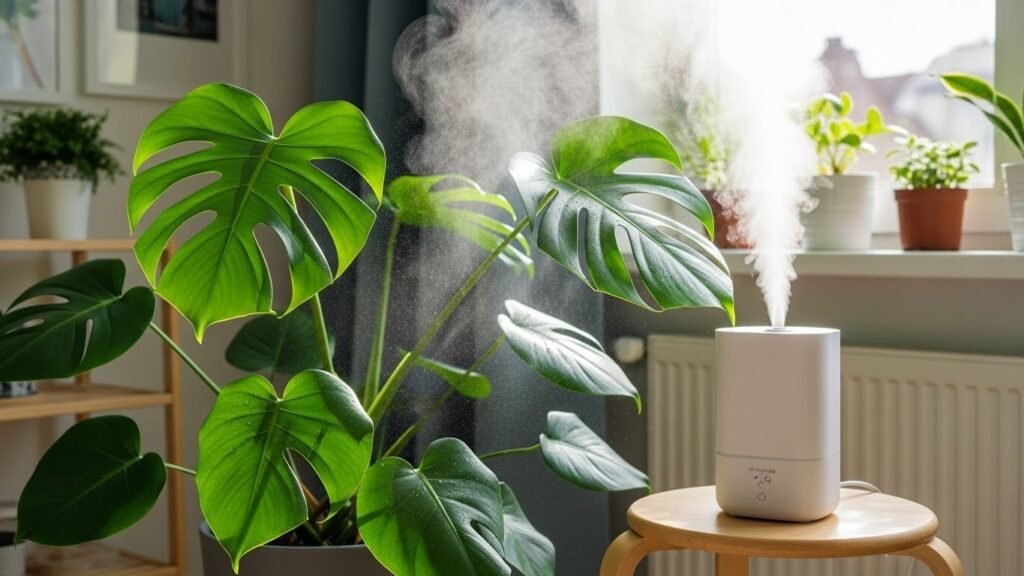
Monstera Deliciosa is a tropical plant, and it prefers a warm environment to thrive. The ideal temperature range is between 65°F and 85°F (18°C to 29°C). It is sensitive to cold temperatures, so avoid placing your plant near cold drafts, air conditioners, or heaters.
- Temperature: Keep your Monstera in a warm room (65°F-85°F) to mimic its native tropical environment.
- Humidity: Monstera plants love humidity, so they thrive in spaces with moderate to high humidity. You can increase humidity by placing the plant in a bathroom (if there’s adequate light), using a humidifier, or misting the leaves regularly.
- Tip: In winter, the dry indoor air can affect your Monstera’s health, so consider spritzing the leaves or using a humidifier to keep it happy.
- Tip: In winter, the dry indoor air can affect your Monstera’s health, so consider spritzing the leaves or using a humidifier to keep it happy.
Watering and Soil Care
Watering is one of the most crucial aspects of Monstera plant care. Overwatering can lead to root rot, while underwatering can cause the plant to become stressed. It’s important to strike a balance and understand when and how to water your Monstera.
Watering Guidelines
Monstera Deliciosa doesn’t require constant watering. The key is to allow the top 2-3 inches of soil to dry out between waterings. The plant is more tolerant of underwatering than overwatering, so it’s always safer to wait a bit longer before watering than to water too frequently.
- Watering schedule: Water when the top 2-3 inches of soil feel dry to the touch.
- Amount of water: Water the plant thoroughly until water begins to drain from the bottom of the pot.
- Avoid: Standing water in the saucer, as this can cause root rot and attract fungus gnats.
- Tip: Reduce watering in the winter months when the plant’s growth slows down.
Best Soil for Monstera Deliciosa
Monstera plants need well-draining soil to thrive. A good potting mix will help prevent water from accumulating around the roots, which can lead to rot. The ideal soil mix for Monstera should be rich in organic matter but also light and airy.
- Soil mix: Use a well-draining potting mix that retains some moisture but doesn’t stay soggy. A mix of peat, pine bark, and perlite or orchid bark works well for Monstera.
- Drainage: Ensure the pot has drainage holes to prevent waterlogging and allow excess moisture to escape.
Fertilization
Fertilization is key to helping your Monstera grow strong and healthy. The right nutrients will support robust leaf growth and ensure your plant maintains its vibrant appearance.
Fertilizing Guidelines
Monstera plants are not heavy feeders, but regular fertilization during the growing season will keep your plant healthy and promote new growth. Use a balanced liquid fertilizer diluted to half strength, and apply it once every two weeks during the growing season (spring and summer). You can stop fertilizing in fall and winter when the plant’s growth slows down.
- Fertilizer type: Use a balanced liquid fertilizer or organic liquid fertilizer.
- Application: Apply every two weeks during the growing season (spring and summer).
- Tip: Avoid fertilizing during the dormant season to prevent fertilizer burn.
Benefits of Fertilizing
Proper fertilization encourages healthy growth, large leaves, and the development of fenestrations (holes). It also supports the overall health of the plant, helping it stay vibrant and resilient against pests and diseases.
- Healthy growth: Fertilizing ensures that your Monstera has the nutrients it needs for strong, vibrant growth.
- Fenestrations: With proper feeding, your Monstera will develop its distinctive hole-filled leaves.
Repotting and Container Care

As your Monstera grows, it will eventually outgrow its pot. Repotting ensures that the plant has enough room for its expanding root system and allows it to continue thriving.
Repotting Instructions
Monstera plants typically need to be repotted every 1-2 years, depending on how quickly they grow. Repotting is best done in the spring or summer when the plant is actively growing. When repotting, choose a pot that is 2 inches larger in diameter than the previous one to give the roots ample room to grow.
- When to repot: Repot every 1-2 years, or when you notice the plant has outgrown its pot.
- Pot size: Choose a pot that is 2 inches larger in diameter than the current pot.
- Tip: Use the same potting mix when repotting to avoid shocking the plant.
Container and Drainage
Ensure that the pot you choose has drainage holes. Monstera plants are sensitive to standing water, so it’s essential to choose a container that allows excess moisture to escape. A glazed ceramic or heavy plastic pot works well, as it provides stability to support the plant’s size.
- Container size: Choose a container that allows the roots to spread comfortably but isn’t too large.
- Drainage: Use a container with drainage holes to prevent waterlogging and root rot.
Training and Support for Monstera Deliciosa
As your Monstera Deliciosa grows, it may need some support to help it thrive. Monstera plants naturally climb and trail in the wild, using their aerial roots to latch onto trees and other surfaces. By providing the right kind of support, you can encourage your plant to grow vertically and help it maintain a healthy shape.
Aerial Roots and Support Structures
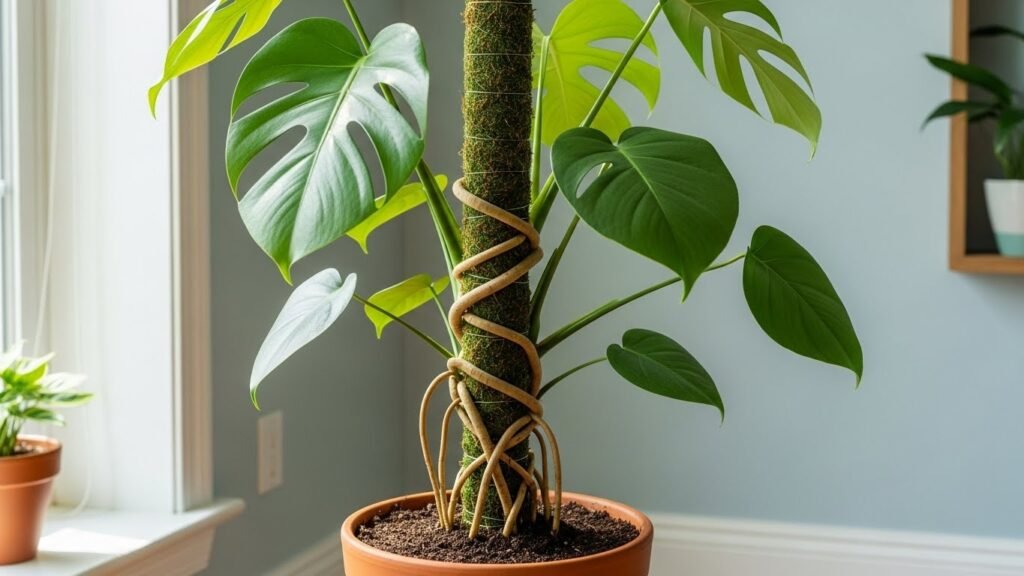
Monstera Deliciosa produces aerial roots that help the plant climb and stabilize as it grows. These roots can be redirected back into the soil or allowed to climb on a support structure. Providing a moss pole or trellis can help guide the plant’s growth, making it stronger and more visually appealing.
- Aerial roots: These are roots that grow above the soil, typically used for climbing and support.
- Support structures: Use a moss pole, bamboo stake, or trellis to help your Monstera climb. This will encourage vertical growth and prevent the plant from becoming too leggy.
- Tip: Attach the aerial roots to a support structure using Velcro plant tape to help them latch on and grow vertically.
- Tip: Attach the aerial roots to a support structure using Velcro plant tape to help them latch on and grow vertically.
- Redirecting roots: You can also allow the aerial roots to grow into the soil or place them in water, which can help provide additional stability for the plant.
Pruning and Shaping
Pruning your Monstera is essential for maintaining its shape and size, especially as it grows larger. Regular trimming encourages bushier growth and prevents the plant from becoming too unruly. Additionally, removing yellow or dead leaves will keep the plant looking healthy and vibrant.
- Pruning: Cut back any long or leggy vines to encourage new growth. Be sure to use sharp, clean scissors to avoid damaging the plant.
- Removing dead leaves: Regularly check for yellow or brown leaves and remove them to improve the plant’s overall appearance and health.
- Shaping: If your Monstera is becoming too large or uneven, trim back the longest vines to help maintain a balanced shape. This will also encourage the growth of new branches, creating a fuller plant.
Cleaning and Dusting
Cleaning your Monstera’s leaves is an essential part of plant care. Dust can accumulate on the leaves, blocking sunlight and affecting the plant’s ability to photosynthesize. By keeping the leaves clean, you can ensure your Monstera gets all the light it needs to thrive.
- Dusting: Wipe down the leaves with a soft, damp cloth every few weeks to remove dust and dirt. This will keep the plant looking fresh and also allow it to absorb more light.
- Leaf health: Regular cleaning can help prevent pests like spider mites or aphids, which often live on the underside of leaves.
- Tip: Avoid using chemical leaf shine products as they can clog the pores of the leaves and hinder the plant’s ability to breathe.
- Tip: Avoid using chemical leaf shine products as they can clog the pores of the leaves and hinder the plant’s ability to breathe.
Troubleshooting and Common Issues
Monstera plants are relatively easy to care for, but like all plants, they can encounter a few common issues. In this section, we’ll discuss some of the most frequent problems you might encounter with your Monstera and how to address them.
Yellowing or Brown Leaves
One of the most common problems with Monstera plants is yellowing or browning leaves. This can be caused by several factors, including overwatering, underwatering, or exposure to too much direct sunlight.
- Overwatering: Monstera Deliciosa is sensitive to root rot, which can occur if the plant is watered too frequently. Ensure that the top 2-3 inches of soil dry out before watering again.
- Underwatering: If the leaves are turning yellow or crispy, it may be a sign that the plant is not getting enough water.
- Too much sunlight: If your Monstera is exposed to direct sunlight for long periods, the leaves can become scorched, causing them to turn brown or yellow.
- Solution: Move the plant to a spot with bright, indirect light, adjust your watering schedule, and remove any yellow or dead leaves.
Leggy Growth and Stunted Leaves
If your Monstera isn’t producing the large, beautiful leaves with holes that it’s known for, it could be a sign of insufficient light. Monstera plants need plenty of bright, indirect light to thrive and produce their signature fenestrated leaves.
- Solution: Move the plant closer to a brighter light source, but avoid placing it in direct sunlight, which can cause the leaves to burn.
- Stunted growth: If your Monstera’s growth seems stunted, it could also be a sign that the plant is root-bound or needs a larger pot. Repot your Monstera to ensure it has enough space for its roots to grow.
Pests and Diseases
Monstera plants are relatively pest-resistant, but they can still fall victim to common houseplant pests like aphids, spider mites, and mealybugs. These pests can damage the leaves and stunt growth if left unchecked.
- Pest identification: Look for small webs (spider mites), sticky residue (aphids), or tiny cotton-like spots (mealybugs) on the leaves.
- Solution: Treat pest infestations with insecticidal soap, neem oil, or a mixture of water and dish soap. Wipe down the leaves regularly to help keep pests at bay.
- Root rot: If the roots are mushy or have a foul smell, your Monstera may be suffering from root rot. This is usually caused by overwatering and poor drainage. To fix this, trim away any affected roots and repot the plant in fresh, well-draining soil.
Leaf Splitting and Yellowing
Leaf splitting is normal for Monstera Deliciosa as it matures, but if it occurs too early or in young plants, it could indicate poor growing conditions. Also, yellowing leaves can result from a number of factors such as nutrient deficiency, overwatering, or too much sunlight.
- Leaf splitting: If splitting occurs on older leaves, it’s perfectly natural. If young leaves are splitting prematurely, try moving the plant to a brighter area to promote proper growth.
- Yellowing: Regularly check your Monstera’s watering schedule. Overwatered or underwatered plants are more likely to have yellowing leaves. Adjust the watering frequency to avoid stressing the plant.
Maintaining a Healthy Monstera Deliciosa
To ensure your Monstera Deliciosa continues to thrive, it’s essential to establish a routine of maintenance and monitoring. Regular care, pest management, and occasional tweaks to your growing conditions will keep your plant in top shape. Let’s dive into the final steps for optimal Monstera plant care.
Monitoring Plant Health
Regularly checking on your Monstera’s health is key to keeping it vibrant and free of issues. Observing changes in leaf color, growth patterns, and overall appearance can provide early indicators of any potential problems. Here’s how to monitor your plant effectively:
- Check for changes in leaf color: Yellowing leaves, brown spots, or curling edges could indicate a problem with watering, light exposure, or pests.
- Solution: If the leaves are yellow and drooping, it’s likely due to overwatering. If the edges are brown and crispy, this could indicate underwatering or too much direct sunlight.
- Solution: If the leaves are yellow and drooping, it’s likely due to overwatering. If the edges are brown and crispy, this could indicate underwatering or too much direct sunlight.
- Monitor growth: If your Monstera isn’t growing as expected, assess its light and humidity conditions. Insufficient light can stunt growth, while the wrong humidity levels can cause stress.
- Solution: Ensure the plant receives adequate bright, indirect light and consider increasing the humidity during winter months.
Benefits of Monstera Deliciosa in Your Home

In addition to being a beautiful addition to your home decor, Monstera Deliciosa offers several practical benefits. From improving indoor air quality to providing psychological comfort, Monstera is a plant worth adding to your collection.
Air Purification
One of the most valuable aspects of Monstera Deliciosa is its ability to improve indoor air quality. Like many other houseplants, Monstera absorbs carbon dioxide and releases oxygen. It also helps remove toxins like formaldehyde and benzene from the air, making your home healthier.
- Air quality: The Swiss Cheese Plant is known for its air-purifying properties. It is particularly effective at improving indoor air quality by filtering out harmful pollutants.
- Tip: Place your Monstera in a central location of your home to help purify the air you breathe.
Aesthetic Appeal
Monstera Deliciosa is an eye-catching plant with its unique, glossy leaves and striking fenestrations. It can easily be the focal point in any room and complements a variety of interior design styles.
- Tropical appeal: The large, hole-filled leaves give the plant a dramatic, tropical look, perfect for adding a touch of greenery and a modern feel to your home decor.
- Flexible placement: Monstera works well in living rooms, bedrooms, and offices, enhancing both small and large spaces with its bold and attractive appearance.
Psychological Benefits
Having plants like Monstera Deliciosa in your home can promote mental well-being. Studies have shown that houseplants contribute to a reduction in stress, anxiety, and overall mood improvement.
- Stress reduction: The presence of indoor plants has been linked to improved mood and stress relief. Monstera’s vibrant green leaves bring a sense of calm to your space.
- Connection to nature: Monstera creates a sense of connection to nature, which can improve your mental clarity and overall health.
Enhancing Indoor Decor
Monstera is a popular choice for home decor due to its bold, tropical appearance. Its large, hole-filled leaves make it a standout feature in any room. Whether placed near a sunny window or in a corner, Monstera can add life and a touch of elegance to any space.
- Ideal locations: Monstera looks great in living rooms, offices, and bedrooms. Its trailing vines can fill corners, while the large, shiny leaves can brighten up darker spaces.
- Plant stands or decorative pots: Use a stylish plant stand or decorative pot to enhance the aesthetic appeal. Monstera can fit into both modern and traditional home styles with the right pot and placement.
Monstera and Pet Safety
If you have pets, it’s important to note that Monstera Deliciosa is toxic to cats and dogs. The plant contains calcium oxalate crystals, which can cause discomfort, such as mouth irritation, drooling, and stomach upset if ingested. However, if you keep your plant in an area that your pets cannot reach, you can enjoy its beauty without worry.
- Pet safety: Keep Monstera out of reach of pets, or place it in an area where pets can’t easily access it.
- Symptoms of toxicity: If your pet consumes part of the plant, they may experience irritation in the mouth, tongue, and throat, along with excessive drooling or vomiting. Contact a vet if you suspect your pet has eaten part of the plant.
Conclusion: Mastering Monstera Deliciosa Care
Monstera Deliciosa is a beautiful, hardy plant that thrives in indoor environments with the right care. By understanding the basics of Monstera plant care—light, watering, temperature, and humidity—you can provide a comfortable home for this tropical beauty. Regular pruning, repotting, and pest management will ensure that your Monstera remains healthy and vibrant for years to come.
Whether you’re an experienced plant lover or a beginner, Monstera Deliciosa is a fantastic addition to your plant collection. It will not only improve your home’s decor but also purify the air and enhance your mental well-being. Keep following these guidelines for Monstera plant care, and you’ll enjoy a thriving, healthy plant that’s sure to become the centerpiece of your indoor garden.
Frequently Asked Questions (FAQs)
1. How often should I water my Monstera Deliciosa?
Water your Monstera when the top 2-3 inches of soil feel dry to the touch. Typically, this means watering once a week during the growing season (spring and summer) and less frequently in the winter months when the plant is dormant. Ensure you don’t let the soil stay soggy for too long, as it can lead to root rot.
2. Can I grow a Monstera in low light?
Monstera Deliciosa can survive in low light, but it won’t thrive as well. The leaves may become smaller and lack the signature holes or fenestrations. To encourage healthy growth and larger leaves, place the plant in bright, indirect light. If natural light is insufficient, consider using a grow light to supplement.
3. What should I do if my Monstera’s leaves turn yellow?
Yellow leaves on Monstera can be caused by overwatering, underwatering, or insufficient light. The first step is to check your watering habits—ensure the soil dries out between waterings. Also, check if the plant is getting enough light; yellow leaves often indicate the plant is not receiving enough. If overwatering is the issue, make sure the pot has proper drainage and reduce the watering frequency.
4. Why is my Monstera’s growth slow?
Slow growth in Monstera can result from several factors:
- Insufficient light: Monstera needs bright, indirect light to grow fast and produce its signature fenestrated leaves.
- Inadequate watering: Overwatering or underwatering can stress the plant and slow its growth. Ensure the soil is well-drained and follows proper watering schedules.
- Nutrient deficiencies: Lack of fertilization can also stunt growth. Feed your plant every two weeks during the growing season with a diluted, balanced fertilizer.
5. Is Monstera Deliciosa toxic to pets?
Yes, Monstera Deliciosa is toxic to both cats and dogs. It contains calcium oxalate crystals, which can cause oral irritation, drooling, and digestive upset if ingested. Keep your Monstera out of reach of pets, or place it in areas where pets cannot access it. If your pet has ingested any part of the plant, contact your veterinarian immediately.
6. Can I prune my Monstera Deliciosa, and if so, how?
Yes, you can prune your Monstera to control its size and shape. Pruning encourages bushier growth and prevents the plant from becoming too leggy. Use clean, sharp scissors or pruning shears to remove any dead, yellowing, or unwanted stems. Always cut just above a node (the small bump where a leaf or root grows), as this will encourage new growth.
7. Why are the edges of my Monstera’s leaves turning brown?
Browning edges on Monstera leaves can occur for several reasons:
- Low humidity: Monstera loves humidity, and dry indoor air, especially in winter, can cause the leaf edges to dry out.
- Underwatering: If the plant isn’t getting enough water, the leaf edges may begin to brown. Make sure to water the plant when the top layer of soil is dry.
- Too much direct sunlight: Exposure to direct sunlight can scorch the leaves, causing brown spots and edges.
8. How can I make my Monstera grow bigger leaves?
To encourage larger leaves, provide your Monstera with:
- Adequate light: Ensure the plant receives bright, indirect light. Without enough light, the leaves may stay small and lack fenestrations (holes).
- Proper humidity: Monstera grows best in a humid environment. Using a humidifier or misting the leaves can help increase the size of the leaves.
- Fertilization: Use a balanced liquid fertilizer during the growing season to provide the plant with essential nutrients for larger leaf growth.
9. How can I encourage my Monstera to climb?
Monstera Deliciosa is a climbing plant in its natural habitat, and you can encourage this growth by providing a support structure, such as a moss pole or bamboo stake. As the plant grows, its aerial roots will attach to the pole and help it climb. Secure the stems to the pole using plant tape to guide the plant’s growth vertically.
10. What kind of soil does Monstera Deliciosa prefer?
Monstera Deliciosa prefers well-draining soil that retains some moisture but isn’t too heavy or compact. A mix of peat, pine bark, and perlite is ideal. This ensures that water flows freely through the soil, preventing root rot while still holding enough moisture for the plant. Ensure your pot has drainage holes to allow excess water to escape.
11. How do I know if my Monstera has root rot?
Root rot occurs when the plant’s roots stay too wet for too long, leading to a breakdown of the root system. Signs of root rot include:
- Foul odor: The soil may smell sour or like decaying matter.
- Yellowing leaves: Even with proper watering, leaves may turn yellow and droop.
- Mushy roots: If you remove the plant from its pot and the roots feel mushy, brown, or black, they’re likely rotting.
- Solution: Trim away the affected roots and repot the plant in fresh, well-draining soil.
- Solution: Trim away the affected roots and repot the plant in fresh, well-draining soil.
12. Can Monstera Deliciosa flower indoors?
Monstera Deliciosa can flower under the right conditions, but it’s rare for indoor plants. In its natural habitat, it can produce a large, spadix-like flower, similar to the peace lily. However, to flower indoors, Monstera requires ideal conditions: ample space, plenty of light, and the right environmental factors. While flowering isn’t common indoors, your Monstera’s large, fenestrated leaves will still be a stunning feature in your home.