 Skip to content
Seeing a tree with red berries is like finding a hidden treasure in your backyard. These bright fruits pop against green leaves or white snow. You might wonder if you can pick and eat them. Some are super sweet and perfect for a snack. Others are very dangerous and can make you sick. This guide helps you tell the difference so you stay safe. We will look at trees across North America and the United Kingdom. You will learn which ones help birds and which ones fill your kitchen. Let’s explore these colorful plants together.
Understanding the World of Red Berries
Foraging for wild fruit is a fun way to connect with nature. It feels like a fun game to find a tree with red berries while hiking. You must be careful because nature has many tricks. A berry that looks yummy might be quite toxic. Learning about these plants is the best way to enjoy the outdoors. Always take your time to look closely at every detail.
The Forager’s 50/50 Rule
Nature is beautiful but it can also be very tricky. About half of all red berries are safe to eat. The other half can cause bad stomach aches or worse. You cannot guess based on how pretty they look. Many poisonous berries look exactly like the edible ones. This is why the 50/50 rule is so important to remember. Only experts should pick berries they plan to eat.
The Danger of Bird Testing
Many people think birds know which berries are safe. They believe if a bird eats it, humans can too. This is a dangerous myth that you should ignore. Birds have different stomachs than we do. They can eat things like Yew or Honeysuckle without getting hurt. Those same berries could be fatal for a person. Never use animals as a test for your food.
Positive Identification is Mandatory
You must be 100% sure before you touch a wild berry. If you have even a tiny doubt, leave it alone. Positive identification means checking more than just the color. You should look at the leaves, the bark, and the seeds. Bring a field guide or use a trusted app for help. It is better to be safe than to end up in the hospital. Safety is the most important part of any outdoor adventure.
Essential Safety and Identification Markers

Identifying a tree with red berries takes a bit of practice. You need to act like a detective looking for clues. Every plant has a unique “fingerprint” you can learn. Looking at different parts of the tree helps you stay certain. This section explains what to look for when you find a new plant.
Leaf and Stem Structure
The leaves are often the best clue you have. Look at the edges to see if they are smooth or bumpy. Some leaves have a jagged edge called a serrated margin. Others might be lobed like a hand with fingers. Check the stems for sharp thorns or prickles.
- Serrated leaves are common on plants like Raspberries and certain Cherries.
- Three lobed leaves can be seen on the High Bush Cranberry.
- Thorns are a big sign for Hawthorn or Buffaloberry trees.
- Evergreen foliage stays green all year like the Holly or Yew.
Seed Examination
The inside of the berry tells a secret story. You should squish a berry to see what is hiding inside. Some berries have one big hard stone or pit. Others have many tiny seeds or one flat seed. The shape and number of seeds are key markers.
- Pits or stones are found in fruit like Pin Cherries or Wild Plums.
- Flat seeds are a classic sign of the High Bush Cranberry.
- Toxic seeds are found inside the red fruit of the Yew tree.
- Tiny seeds are spread throughout the flesh of a Wild Strawberry.
The Scent Test
Your nose is a great tool for identifying plants. Crushed leaves or berries often have a very strong smell. Some smell like candy and others smell like medicine. This scent can confirm you have the right tree. Always wash your hands after touching plants you don’t know.
- Wintergreen berries have a very clear minty scent when crushed.
- High Bush Cranberries can sometimes smell a bit musky or like gym socks.
- Cherry leaves might smell like almonds when you rub them together.
Seasonal Timing
Knowing when a tree with red berries fruits is helpful. Some berries show up in the hot summer sun. Others wait until the leaves fall in the autumn. A few even stay on the branches during the cold winter. Matching the season to the berry helps you narrow down the list.
- Summer berries include things like Raspberries, Mulberries, and Juneberries.
- Fall berries are common on the Hawthorn and Mountain Ash.
- Winter interest is provided by Holly and Yew berries that stay bright.
Edible Red Berries of the Forest and Prairie
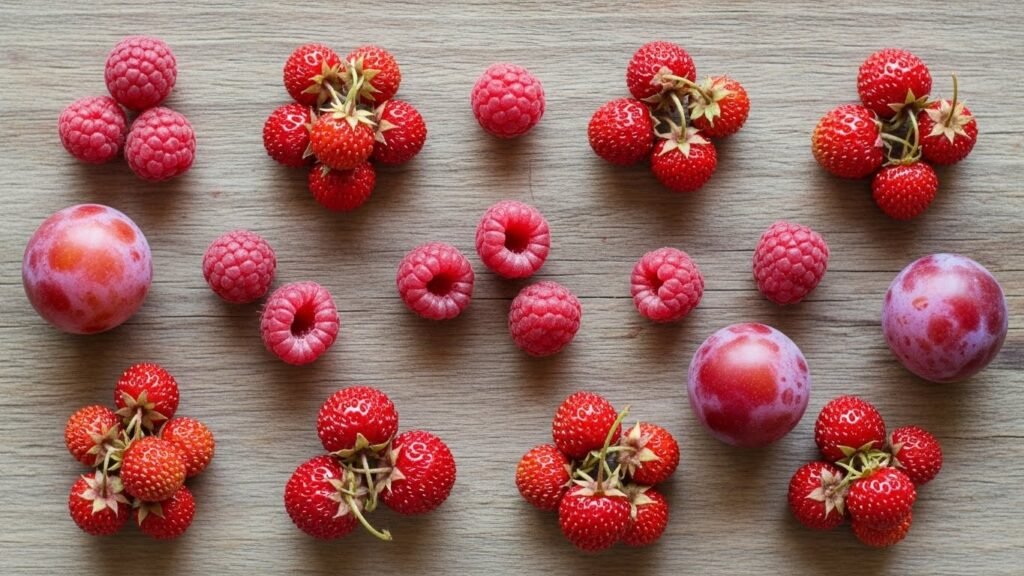
The wild is full of tasty treats if you know where to look. From the open prairie to the dark boreal forests, berries grow everywhere. These plants have been used for food and medicine for a long time. Some are sweet right off the bush. Others need a little work in the kitchen to taste good.
Wild Berries for Fresh Eating
These are the berries you can snack on while walking. They are usually very sweet and full of flavor. You will often find them in sunny spots or along trails. Always make sure they are ripe and clean before you eat them.
- Wild Strawberry is tiny but tastes much better than store-bought ones.
- Raspberries are easy to spot and have a hollow middle when picked.
- Wild Plums can be red or yellow and are very juicy in late summer.
- Wintergreen grows close to the ground and tastes like mint gum.
Tart Berries for Processing and Preserves

Some berries are a bit too sour to eat raw. They are perfect for making jelly, jam, or juice. Adding a little sugar makes their flavor shine. These are great for stocking your pantry for the winter.
- Red Currants are translucent and make a beautiful red jelly.
- Nanking Cherries are small and tart but very productive on the bush.
- Pin Cherries have a large pit and are used mostly for juice.
- High Bush Cranberries have a unique taste that is great in preserves.
- Silver Buffaloberries have tiny scales and a bit of a soapy taste.
- Red Chokeberry is very bitter raw but works in savory recipes.
Mealy or Medicinal Edibles
Not every edible berry is delicious or juicy. Some have a dry or “mealy” texture that feels like flour. These were often used by people in the past for survival or health. They are still important for wildlife today.
- Bunchberries grow in a whorl of leaves and have a bland taste.
- Bearberry is also called Kinnikinnick and is very dry.
- Rowan berries are very bitter and should be frozen before cooking.
- Whitebeam berries are best eaten when they get soft after a frost.
Edible Red Berries from Trees and Large Shrubs
Large trees can provide a huge harvest of red fruit. These are great for backyards or small orchards. They add beauty to your landscaping and food to your table. Many of these are favorites for home gardeners in the USA.
Orchard and Garden Favorites
These trees are grown for their delicious crops. They have been bred to be sweet and easy to pick. You can find them in many nurseries and garden centers.
- Cherry tree varieties like the Sweetheart produce sweet summer fruit.
- Mulberry tree species like Morus rubra are very sweet but can be messy.
- Juneberries are also called Saskatoon or Serviceberry and taste like blueberries.
Unique Edibles
Some trees have berries that you might not expect to be food. These often have special uses in cooking or medicine. They are fun to learn about because they are so unique.
- Peruvian pepper is a California pepper tree with spicy red seeds.
- Dog Rosehips are the fruit of the wild rose and have tons of Vitamin C.
Toxic and Poisonous Red Berries
This is the most important section to study. You must know which berries can hurt you. Some of these look very similar to the ones we just talked about. Never take a risk with these dangerous plants.
Highly Lethal and Dangerous Species

These plants contain toxins that can be very harmful. Even a small amount can be a big problem for children or pets. Learn to spot them from a distance and stay away.
- Red Baneberry has glossy berries and is extremely poisonous.
- Yew trees have seeds that can be fatal if they are chewed.
- Bittersweet Nightshade has berries that look like tiny red tomatoes.
- Woody Nightshade is also called Solanum dulcamara and is very toxic.
- American Bittersweet has orange capsules that are for decoration only.
Severe Irritants and Look Alikes
Some berries won’t kill you but will make you feel very sick. They can cause bad rashes or a lot of vomiting. Many of these grow in the same places as edible berries.
- Black Bryony and White Bryony are climbing plants with toxic red fruit.
- Holly berries from the English holly are not for eating.
- Lords-and-ladies has a cluster of berries that causes burning in the mouth.
- Spindle fruit looks cool but causes a very upset stomach.
Mildly Toxic or Inedible
These berries just don’t taste good or might cause a mild stomach ache. They are usually best left for the birds to enjoy.
- Tartarian Honeysuckle and Bush Honeysuckle are not for humans.
- Wayfaring tree berries are mildly toxic and should be avoided.
- Twisted Stalk berries are debated but often cause digestive issues.
Care and Harvesting for Red Berry Trees

To ensure a healthy harvest and protect the ecosystem, proper care of the trees and respectful harvesting techniques are essential. Following these guidelines helps you maintain your garden while safely enjoying the gifts of nature.
Caring for Your Berry-Bearing Trees
- Climate Matching: Always choose tree species that are compatible with your specific USDA plant hardiness zone to ensure they thrive.
- Sun and Soil Requirements: Ensure your chosen tree matches your soil type and receives the appropriate level of sunlight, whether it requires full sun like Sweetheart Cherries or tolerates partial shade like Holly.
- Maintenance and Space: Check the maximum growth rate and size of the tree before planting to ensure it will not outgrow your yard or front yard space.
- Pollination Needs: Remember that some species, such as Holly, require both a male and female plant to produce berries as they do not self-pollinate.
- Hand Safety: Use gloves when handling or pruning potentially toxic trees, such as the Yew, to prevent skin irritation or accidental ingestion of toxins.
Harvesting Best Practices
- Positive Identification: Before touching or picking any berry, you must be 100% certain of the tree’s identity by checking the leaves, bark, and seeds.
- Sustainable Harvesting: Be a respectful guest in nature and only take what you will actually use for your kitchen.
- Leave for Wildlife: Never strip a tree bare; birds and small mammals rely on these berries as a vital food source to survive the winter.
- Cleanliness: Always make sure berries are ripe and thoroughly cleaned before eating them or using them in recipes.
- Gear for Foraging: Bring a trusted field guide, a basket for collecting, and gloves to protect your hands from thorns or toxins.
- Legal Compliance: Check local laws and regulations to ensure you are allowed to forage or pick berries in a specific park or forest area.
Handling and Processing
- Avoid Messy Locations: Do not plant highly productive but messy trees, like the Red Mulberry, over driveways or walkways because the falling fruit can cause permanent stains.
- Preparation Requirements: Some edible berries, such as Rowan or High Bush Cranberry, are better after being frozen or cooked with sugar to improve their tart or bitter flavor.
- Removing Irritants: When harvesting Dog Rosehips, you must remove the internal seeds before consumption as they can cause stomach irritation.
- Safety First: If you have even a tiny doubt about a berry’s safety or identity during the harvesting process, the best rule is to throw it out.
Soil and Sun Requirements for Edible Red Berry Trees
| Tree Name | Sunlight Requirement | Soil and Environment Needs |
| Cherry Tree | Requires full sun to produce the best fruit. | Must match your specific soil type and USDA plant hardiness zone. |
| High Bush Cranberry | Provides interest in fall and winter; check specific variety for sun needs. | Prefers matching soil types; can thrive in forest or prairie environments. |
| Juneberry | Typically found in sunny spots or along trails. | Compatible with various soil types and hardy climates. |
| Holly | Tolerates partial shade while providing winter interest. | Needs specific soil matching and requires both male and female plants for berries. |
| Mulberry Tree | Highly productive in various settings but produces massive crops. | Tolerates most soils; avoid planting over driveways due to fruit staining. |
| Silver Buffaloberry | Found in open prairie environments. | Hardy and adaptable to the drier soils of the North American prairies. |
| Hawthorn | Thrives in the autumn sun as berries ripen. | Adaptable to most soils; often used in hedgerows or as individual trees. |
Key Environmental Considerations for Planting
- Hardiness Zones: Always select species that are compatible with your specific USDA plant hardiness zone to ensure they survive the local climate.
- Space Management: You must check the maximum growth rate and size of the tree before planting to ensure it will not outgrow your yard.
- Pollination: Some trees, such as the Holly, are not self-pollinating and require both a male and female plant to produce the desired red berries.
- Safe Placement: Avoid planting messy, highly productive trees like the Red Mulberry over walkways or front yard driveways where falling fruit can cause permanent stains.
- Maintenance Safety: When pruning or handling potentially irritating trees like the Yew, always use gloves to prevent skin irritation or accidental ingestion of toxins.
Wildlife-Friendly Harvest Layout by Season

Summer Harvest Group
This section of your garden will be the most active during the warmest months, attracting wildlife looking for high-energy snacks.
- Wild Strawberries: These low-growing plants provide an early summer treat for ground-dwelling creatures and foragers alike.
- Raspberries: Ripening in the hot sun, these hollow-centered berries are a favorite for both humans and garden birds.
- Juneberries: Also known as Saskatoon or Serviceberry, these trees produce blueberry-like fruit that is often the first major crop of the season.
- Mulberry Trees: These trees produce an immense amount of sweet fruit in the summer; ensure they are planted away from walkways to avoid staining.
- Cherry Trees: Varieties like the Sweetheart provide sweet summer fruit that is easily accessible to birds.
Autumn Harvest Group
As the weather cools, these trees provide essential nutrients for wildlife preparing for the winter months.
- Hawthorn: These trees fruit in the fall, providing “haws” that are excellent for jellies once you have left enough for the birds.
- Mountain Ash (Rowan): The bitter berries of this tree are a vital food source; humans should freeze them before cooking to improve the flavor.
- High Bush Cranberry: Known for their unique musky scent, these autumn berries are best used in preserves.
- Wild Plums: These juicy late-summer to autumn fruits can be red or yellow and are highly attractive to local wildlife.
Winter Interest and Survival Group
These species are critical for conservation as they provide “emergency” food when other sources are covered by snow.
- Holly: These evergreen trees provide bright red berries that stay on the branches through the cold winter, offering essential food for birds.
- Yew: While providing winter color and bird food, remember that these are deadly to humans and pets; plant them in low-traffic areas.
- Whitebeam: These berries are best left until they soften after a winter frost, at which point they become a sweet snack for both foragers and wildlife.
Planting and Care Guide for Cherry Trees
Site Selection and Preparation
- Sunlight Requirements: Ensure your cherry tree is planted in a location that receives full sun to produce the best fruit.
- Soil Type: Check that the tree matches your specific soil type to ensure it can thrive.
- Spacing: Verify the maximum growth rate and size of the tree before planting to ensure it will not outgrow your yard space.
- Climate Compatibility: Always choose cherry varieties that are compatible with your specific USDA plant hardiness zone.
Planting Process
- Timing: While specific planting months vary by region, knowing the seasonal timing of your tree is helpful for long-term care.
- Identification: Before planting, confirm the variety’s “fingerprint,” such as checking for the serrated leaf margins common to cherry trees.
- Pollination: If you are planting a variety other than the self-fertile Sweetheart, remember that some species require a second tree to produce fruit.
Ongoing Care and Maintenance
- Scent Check: You can monitor the health of your tree by rubbing the leaves; healthy cherry leaves may smell like almonds.
- Safe Handling: Always wash your hands after performing maintenance or touching plants you are not intimately familiar with.
- Cleanliness: Maintain the area around the tree to ensure that when it is time to harvest, the berries are clean and ready for use.
Harvesting Your Crop
- Summer Harvest: Expect your cherries to be ready for picking during the hot summer sun.
- Seed Awareness: Remember that cherries are identified by their single hard stone or pit inside the fruit.
- Sustainable Practices: When harvesting, only take what you will actually use and leave some for the local wildlife.
Planting and Care Guide for the High Bush Cranberry
The High Bush Cranberry is a hardy and versatile addition to many gardens, known for its distinctive foliage and tart fruit.
Site Selection and Preparation
- Climate Matching: Ensure you select varieties compatible with your specific USDA plant hardiness zone to ensure they thrive.
- Sun and Soil: Verify that your planting site matches the specific soil requirements and sunlight levels needed for this species.
- Space Planning: Always check the maximum growth rate and size of the tree before planting to ensure it will not outgrow your yard or front yard space.
Identification and Maintenance
- Leaf Structure: You can identify this plant by its three-lobed leaves, which resemble a hand with fingers.
- The Scent Test: Crushed High Bush Cranberries may have a unique, musky scent sometimes compared to gym socks.
- Winter Interest: These plants provide colorful interest during the autumn and winter months.
Harvesting and Use
- Seed Identification: When harvesting, confirm the identity by checking for the single flat seed hiding inside the fruit.
- Preparation: Because they have a unique, tart taste, these berries are best used in preserves or cooked with sugar to improve their flavor.
- Sustainable Foraging: Only take what you will actually use for your kitchen and leave enough for wildlife to survive the winter.
Planting and Care Guide for the Juneberry
Also known as Saskatoon or Serviceberry, the Juneberry is a favorite for home gardeners due to its delicious, blueberry-like fruit.
Site Selection and Preparation
- Sunlight Needs: These trees generally perform best in sunny spots, though some varieties may tolerate different light levels.
- Growth and Spacing: Before planting, check the growth rate to ensure the tree has enough room to reach its full size without crowding your yard.
- Environmental Matching: Choose a species that is compatible with your local climate and soil type.
Identification and Maintenance
- Seasonal Timing: These berries typically show up in the hot summer sun, allowing for an early harvest.
- Leaf Markers: Look for serrated leaf margins, which are a key characteristic of these and related plants.
- Cleanliness: Keep the area around your Juneberry tree clean to ensure the fruit is ready for use once it is ripe.
Harvesting and Use
- Flavor Profile: Juneberries are often sweet and flavorful enough to eat right off the plant or use in fresh snacks.
- Best Uses: They are edible and highly sought after for use in pies, jams, or fresh eating.
- Ethical Harvesting: Practice sustainable harvesting by never stripping a tree bare; birds rely on these berries as a vital food source.
Foraging Best Practices and Conservation
When you go out to find a tree with red berries, be a good guest. Nature provides for everyone, so we must be respectful. Follow these rules to keep the outdoors beautiful and safe.
- Sustainable Harvesting means only taking what you will actually use.
- Leave for Wildlife because birds need those berries to survive the winter.
- Bring Gear like a field guide, a basket, and maybe some gloves.
- Check Laws to make sure you are allowed to pick berries in that area.
- When in Doubt, Throw it Out is the best rule for any forager.
Safety Cheat Sheet: Edible Berries vs. Toxic Look-Alikes

This guide highlights common red berries and the dangerous plants that people often mistake them for.
Wild Strawberries vs. Mock Strawberries
- The Edible: Wild Strawberries grow low to the ground, have white flowers, and the fruit hangs downward. They are intensely sweet.
- The Look-Alike: Mock Strawberries have yellow flowers and the fruit points upward. While not deadly, they are tasteless and can cause digestive upset.
Highbush Cranberries vs. Red Baneberry
- The Edible: Highbush Cranberry has three-lobed leaves and a single, large, flat seed inside.
- The Toxic: Red Baneberry is extremely poisonous. You can tell it apart by its jagged, fuzzy leaves and the fact that its berries often have a small black “eye” or dot on the end.
Wild Cherries vs. Bittersweet Nightshade
- The Edible: Wild Cherries (like Pin or Nanking) grow on woody trees or shrubs with simple, serrated leaves and have a single hard pit.
- The Toxic: Bittersweet Nightshade grows as a scrambling vine. The berries look like tiny, shiny Roma tomatoes and hang in loose clusters. They are highly toxic to humans and pets.
Dog Rosehips vs. Bryony
- The Edible: Rosehips grow on thorny bushes and are firm and oval-shaped. They have a gray “tuft” at the end.
- The Toxic: Bryony is a vine that often climbs through rose bushes. Its berries are perfectly round, glossy, and soft. They grow in tight clusters and are extremely poisonous.
Raspberries vs. Mulberry (Unripe)
- The Edible: Raspberries are hollow when picked and have a velvety texture.
- The Caution: Unripe Red Mulberries can look like long raspberries, but they are not hollow. Most importantly, unripe (green or white) mulberries can be mildly toxic and cause hallucinations or stomach upset; wait until they are fully dark red or purple.
Wintergreen vs. Red Berries of the Lily Family
- The Edible: Wintergreen grows very low to the ground and has a distinct minty scent when the leaves or berries are crushed.
- The Toxic: Several forest lilies produce red berries that look similar but lack the minty scent. These are often toxic and should never be eaten.
Quick Safety Reminders for Your Pocket
- Check the Stem: Vines are more likely to be toxic (like Bryony or Nightshade) than woody trees.
- Look at the Leaf: Edible berries often grow on plants with serrated or lobed leaves. Be very wary of berries on plants with smooth, heart-shaped leaves.
- Squish the Fruit: Check for the seed count. A single flat seed often indicates a Highbush Cranberry, while multiple seeds or toxic pits require closer inspection.
- Trust Your Nose: If it doesn’t smell like food (like mint or almond), don’t treat it like food.
- The Golden Rule: If you are not 100% certain, do not taste it.
Comparison of Common Red Berries
| Name | Type | Edibility | Best Use |
| Wild Strawberry | Ground cover | Edible | Fresh eating |
| Hawthorn | Tree | Edible | Jelly |
| Holly | Tree/Shrub | Poisonous | Decoration |
| Raspberry | Shrub | Edible | Fresh/Jam |
| Yew | Tree | Deadly | None |
| Juneberry | Tree | Edible | Pies/Fresh |
First Aid and Emergency Action Plan

Immediate Response Steps
If you suspect someone has eaten a poisonous berry, follow these steps immediately. Do not wait for symptoms to appear, as some toxins take hours to show effects.
- Remove Remaining Fruit: Carefully take any leftover berries or plant parts out of the person’s mouth.
- Do Not Induce Vomiting: Unless specifically told to do so by a medical professional, do not try to make the person throw up, as this can sometimes cause more harm depending on the toxin.
- Identify the Plant: If possible, take a clear photo of the berries, the leaves, and the overall plant. If it is safe to do so, bring a small sample of the branch with berries to the hospital in a sealed bag.
- Check for Symptoms: Note if the person is experiencing any immediate reactions like burning in the mouth, swelling, dizziness, or nausea.
Who to Contact
Keep these numbers saved in your phone or posted in your kitchen if you live in an area with wild berries.
- Poison Control Center: In the United States, call 1-800-222-1222. This is a free, 24-hour service that connects you to experts.
- Emergency Services: Call 911 (or your local emergency number) immediately if the person is having trouble breathing, loses consciousness, or is having a seizure.
- Veterinary Emergency: If a pet ingests unknown berries, contact your local emergency vet or the ASPCA Animal Poison Control Center at (888) 426-4435.
Information the Experts Will Need
When you call for help, try to have the following information ready to help the medical team provide the best care.
- Age and Weight: Provide the approximate age and weight of the person who ate the berry.
- Amount Consumed: Estimate how many berries were eaten and how long ago it happened.
- Physical Description: Describe the berry (size, color, skin texture) and the plant it came from (tree, shrub, or vine).
- Current Condition: Describe any symptoms the person is showing right now.
Monitoring After Potential Exposure
Even if Poison Control suggests the berry was likely harmless, keep a close watch for delayed reactions.
- Delayed Symptoms: Some toxins, such as those in the Spindle fruit, can take up to 24 hours to cause an upset stomach or vomiting.
- Hydration: If minor stomach upset occurs, focus on keeping the person hydrated with water or electrolyte drinks.
- Follow-Up: If symptoms worsen or do not go away, seek professional medical attention at an urgent care center or emergency room.
Prevention for the Future
- Education: Teach children never to eat any berry from a tree or bush without showing an adult first.
- Garden Planning: If you have small children or pets, consider removing highly toxic plants like Yew or Bittersweet Nightshade from your immediate yard.
- Identification Practice: Use your “Safety Cheat Sheet” regularly so that identifying a tree with red berries becomes second nature.
Conclusion
Exploring the world of trees with red berries offers a rewarding way to connect with the local landscape and the changing seasons. Whether you are a backyard gardener looking to add winter interest or a forager searching for a wild snack, understanding these plants is the best way to safely enjoy the outdoors. Nature provides a bounty of hidden treasures, but it also demands a high level of respect and careful attention to detail.
Safety must remain the primary focus of every outdoor adventure. Because roughly half of all red berries are toxic, you must act like a detective and use every available clue—from leaf shape and seed type to seasonal timing—to ensure a positive identification. Never rely on myths like the “bird-testing” rule, as many berries that are safe for animals can be fatal to humans. Always remember that if you have even a tiny doubt about a plant’s identity, the best practice is to leave it alone.
When you do find a tree with edible fruit, remember to be a respectful guest in nature. Practice sustainable harvesting by taking only what you need and leaving plenty of fruit behind for the wildlife that depends on it for winter survival. By following these rules of safety and conservation, you can continue to explore and enjoy the colorful and diverse world of red berries for years to come.
Frequently Asked Questions
Can I eat red berries if they taste sweet?
No, taste is not a safe or reliable way to determine if a berry is safe to consume. Some poisonous berries can actually have a sweet flavor at first, but they remain dangerous. You must always identify the plant with 100% certainty before tasting any part of it.
Are all red berries safe for dogs?
No, many berries that are safe for humans can be toxic to dogs. Species like Holly and Nightshade are specifically cited as being very dangerous for pets. It is recommended to keep dogs on a leash when walking in areas where wild berries are present to prevent accidental ingestion.
Why are some berries called chokeberries?
They earned this name because they are extremely tart and have an astringent quality that makes the mouth feel dry. While they are not usually dangerous, they are unpleasant to eat raw and are much better when cooked with sugar.
Where can I find a tree with red berries?
These trees are common in many environments, including deep forests, local parks, and residential backyards. They are often found along the sunny edges of woods or growing near fences.
Is it safe to assume a berry is edible if birds are eating it?
This is a dangerous myth that should be ignored. Birds have different digestive systems than humans and can eat berries like Yew or Honeysuckle that could be fatal to a person. Never use animal behavior as a guide for what is safe for human consumption.
What is the 50/50 rule in foraging?
The 50/50 rule is a reminder that roughly half of all red berries found in nature are safe, while the other half are toxic or can cause severe illness. Because many poisonous berries look nearly identical to edible ones, you should never guess their identity.
Why is positive identification mandatory before foraging?
Positive identification is required to avoid potential poisoning that could lead to hospitalization or death. You must be 100% sure of the plant’s identity by checking multiple markers like leaves, bark, and seeds before touching or eating the fruit.
How do serrated leaves help with identification?
Serrated leaves have jagged edges and are a key characteristic of specific plants like Raspberries and certain types of Cherries. Identifying these leaf margins helps foragers act like detectives to find the plant’s unique “fingerprint”.
What can the seeds of a berry reveal about its identity?
The shape, number, and type of seeds provide critical clues. For example, Pin Cherries contain hard pits, High Bush Cranberries have flat seeds, and Wild Strawberries have many tiny seeds spread throughout the flesh.
How can the scent test be used to identify berries?
Crushing the leaves or berries of a plant often releases a distinct smell that can confirm an identification. Wintergreen berries smell like mint, while High Bush Cranberries may smell musky, and Cherry leaves might smell like almonds.
Why does seasonal timing matter for berry identification?
Different species fruit at different times of the year, which helps foragers narrow down their list of possibilities. Raspberries and Mulberries appear in summer, Hawthorn and Mountain Ash fruit in the fall, and Holly and Yew provide bright red berries during the winter.
What are some common berries for fresh eating in the wild?
Wild Strawberries, Raspberries, Wild Plums, and Wintergreen are all examples of berries that are often sweet and flavorful enough to eat right off the plant.
Which berries are best for making jellies and preserves?
Tart berries like Red Currants, Nanking Cherries, and High Bush Cranberries are ideal for processing. Adding sugar to these sour fruits allows their flavor to shine in jams and juices.
What are mealy berries?
Mealy berries, such as Bunchberries or Bearberries, have a dry, flour-like texture rather than being juicy. While they may not be the most delicious, they have historically been used for survival or medicinal purposes.
How should Rowan berries be prepared?
Rowan berries are very bitter and are best used after they have been frozen and then cooked.
What makes the Yew tree berries so dangerous?
While the red fruit itself looks attractive, the seeds inside are highly toxic and can be fatal if they are chewed.
How do I identify Bittersweet Nightshade?
This toxic plant produces red berries that look like tiny tomatoes. It is very poisonous and should be avoided entirely.
What is the characteristic of the Spindle fruit?
The Spindle fruit has a very unique, cool appearance, but eating it can cause a severely upset stomach.
What is sustainable harvesting in foraging?
Sustainable harvesting means being a respectful guest in nature by only taking what you will actually use and leaving enough for wildlife. Birds and other animals rely on these berries to survive the winter months.
What should I do if I have any doubt about a berry’s identity?
The best rule for any forager is “When in Doubt, Throw it Out”. It is never worth taking a risk with a plant that could be dangerous.