 Skip to content
Understanding the Natural Habitat and Light Needs of Begonias
Begonias are cool plants that mostly come from tropical and subtropical spots. In their home, they live on the floor of thick forests. This makes them understory plants that rarely see the direct sun. They stay cool under the big trees that block the heat.
These plants use light to make food through a process called photosynthesis. Without enough light, they cannot grow strong or stay healthy. Light gives them the energy they need to push out new leaves. It also helps them create those bright flowers people love.
Most begonias need at least 3 to 4 hours of light every day. This light should be bright but filtered so it does not burn them. Think of it like the light that peeks through a thin curtain. It is strong enough to see by but not hot on your skin.
The Biology of Begonia Leaves
The leaves of these plants are built to catch light in dark places. They have special cells that act like tiny magnifying glasses. These cells help the plant use every bit of light it finds. This is why they do well in places where other flowers might fail.
However, this design makes them very sensitive to the harsh UV rays. If the sun is too strong, it can cook the leaf cells fast. The plant cannot easily fix this kind of damage once it happens. You have to be the one to protect them from the sky.
Do Begonias Do Better in Sun or Shade?

Whether begonias sun or shade is better depends on your specific plant type. These plants are super adaptable and can live in many different spots. Some love the morning glow while others want a darker corner. You have to watch how they react to find the best place.
The climate where you live plays a huge role in this choice. In northern areas where it stays cool, they can handle more sun. The sun up north is not as intense as it is down south. In these spots, a bit of direct light might even be good.
In the south, the afternoon sun is way too hot for most begonias. It will dry them out and crisp the leaves in one day. Gardeners in warm spots should keep their plants in the shade. Protecting them from that 2 PM heat is the secret to success.
The Afternoon Sun Rule
The time of day is more important than the total hours. Morning sun is usually much gentler on the delicate foliage. It provides energy without the high heat of the midday hours. Most begonias will thrive if they get sun before noon.
Afternoon sun is the biggest threat to your plant’s health. Even a few hours can be too much when the temperature peaks. If your porch faces west, you might need a sun shield. Always aim for eastern light if you want the safest results.
Foliage Indicators
You can tell how much light a begonia wants by its leaves. Plants with dark, bronze, or reddish leaves can take more sun. The dark color acts like a natural sunscreen for the plant. These types are great for spots with a little more glow.
Begonias with plain green leaves are much more sensitive to light. They lack the extra pigment that protects them from burning. These green varieties belong in the shady parts of your garden. Keeping them out of the glare will keep them looking fresh.
Can Begonias Grow in the Shade?
Many people wonder if begonias sun or shade is the only way. You can definitely grow them in the shade. In fact, many varieties prefer a nice break from the sun. It keeps their roots cool and their soil nice and moist.
However, you have to know the difference between shade types. Dappled shade is when light flickers through tree leaves. This is actually the best environment for a healthy begonia. It mimics their natural home in the tropical wild.
Full shade is a bit different and can be much tougher. This means the plant never sees the sky directly at all. While they might survive, they usually won’t look their best. They need at least a little indirect light to keep going.
Risks of Constant Full Shade
- Stunted growth patterns can happen if the plant is too dark.
- Poor blooming cycles often occur because flowers require extra energy.
- Pale lackluster foliage is a sign the plant is struggling.
- Decreased flower count means you won’t get that big color pop.
Can Begonias Tolerate Low Light?

Tolerating low light is not the same as thriving in it. A begonia can sit in a dark room for a while. It might stay alive, but it will stop growing. Eventually, the plant will get weak and lose its shape.
If you keep your plant in a dark hallway, watch it closely. It will start to look sad and tired after a few weeks. Low light often leads to problems with pests and diseases too. A healthy plant needs some light to fight off these issues.
Symptoms of Low Light Stress
- Leggy sparse stems grow as the plant stretches for light.
- Reduced leaf size happens when the plant tries to save energy.
- Phototropism causes the plant to lean hard toward any window.
- Chlorosis shows up as yellowing leaves that eventually drop off.
The Dangers of Excessive Sunlight

Direct sun is the enemy for almost every begonia variety. It can cause irreversible damage in just a single afternoon. The leaves are thin and do not hold much water. This makes them burn much faster than thick-leaved plants.
Sun damage does not just look bad on the plant. It also makes the plant work harder to survive the day. It has to use its food to heal instead of growing. This can stop your plant from flowering for the whole season.
Physical Signs of Sunburn and Heat Stress
- Wilting leaves occur when the plant loses water too fast.
- Scorched tips look like brown crispy edges on the foliage.
- Bleached blooms lose their bright color and look washed out.
- Rapid soil dehydration forces you to water much more often.
Strategic Protection: How to Shield Your Begonias from Sunlight Damage
If you notice your plant is struggling, you must act fast. The first step is to change where the plant sits. Moving a pot just a few feet can save its life. Look for spots where the light is bright but soft.
Protecting your begonias sun or shade balance is a daily task. You might need to move them as the seasons change. What was a shady spot in May might be sunny in July. Always keep an eye on how the shadows move.
Strategic Relocation
Finding the perfect spot is the most important care step. North-facing windows provide the most consistent indirect light indoors. Outside, look for areas under a porch or a tall tree. These spots stay bright without the heat of direct rays.
If you are planting them in the ground, choose the east side. This gives them the soft morning light they really enjoy. The house will then block the harsh sun later in the day. This is the safest way to grow them outdoors.
Light Filtration Techniques
You can create shade even in a sunny room or garden. Sheer curtains are a great way to soften window light. They let the brightness through but block the burning heat. This lets you keep plants near windows without any risk.
In the garden, you can use lattice or shade cloth. These tools create a dappled light effect that plants love. It breaks up the sun and keeps the air much cooler. This is a pro move for serious begonia lovers.
Microclimate Management
The area around your plant affects how it handles the light. Dry air makes the sun feel even more intense to them. You can use a pebble tray to add moisture to the air. This helps the leaves stay hydrated even on bright days.
A humidifier is another great tool for indoor begonia care. Tropical plants love humid air because it helps them breathe. It makes the light less stressful for the delicate leaf tissue. Your plants will look much lusher with some extra humidity.
Recovery Maintenance
- Pruning damaged leaves helps the plant focus on new growth.
- Pot rotation ensures every side of the plant gets light.
- Regular watering is needed more when the light is high.
- Frequent checking lets you catch sun damage before it spreads.
Optimizing Care for Maximum Flowering
To get the best flowers, the begonias sun or shade balance must be perfect. Flowers take a lot of energy to produce and maintain. If the light is too low, the plant will save its energy. It will keep the leaves green but won’t grow buds.
Bright indirect light is the key to a flowery begonia. You want enough light that you can see a faint shadow. This level of light tells the plant it has plenty of food. Then it will start showing off those beautiful colored blooms.
Light Requirements for Blooming
Aim for that 3 to 4 hour window of bright light. If you see no flowers, try moving it slightly closer to light. Sometimes just a few inches makes a huge difference in bloom count. Patience is important while the plant adjusts to a new spot.
If the plant gets too much light, the flowers will die. They will turn brown and drop off before they even open. High heat can also make the flower colors look very pale. Keep things bright but cool for the best color.
Soil and Nutrition
The right soil helps the plant manage the light it gets. Use a well-draining mix so the roots don’t stay too wet. This helps the plant take up water to cool its leaves. Good soil is the foundation for a healthy, sun-ready plant.
Feeding your begonia with liquid fertilizer is a good idea. Do this during the growing season to support the flowering. A balanced fertilizer gives the plant the minerals it needs. This helps it build strong cells that resist light stress.
Moisture Consistency
Watering is a big part of the begonias sun or shade debate. Plants in more light will need water more often. You should check the soil every day with your finger. If the top inch is dry, it is time to water.
Be careful not to overwater your plants in the shade. Since the sun isn’t drying them out, they stay wet longer. Soggy soil can lead to root rot and kill the plant. Always match your watering to the light levels you provide.
Variety-Specific Light Considerations
Wax Begonias
Wax begonias are the tough guys of the family. They have thick, waxy leaves that hold water very well. This allows them to handle more sun than other types. Many people plant these in flower beds that get full sun.
They come in green or bronze leaf varieties. If you want them in the sun, pick the bronze ones. They will stay compact and full of flowers all summer. Just make sure they don’t dry out completely in the heat.
Tuberous Begonias
Tuberous begonias are much more delicate and love the shade. They have massive, colorful flowers that look like roses. These flowers will wilt instantly if the sun hits them. They prefer cool, breezy spots with very little direct light.
The tubers can rot if they get too hot and wet. This is why shade is so important for their survival. Keep them in a spot with good air movement to prevent mold. They are the stars of the shady porch garden.
Rex Begonias
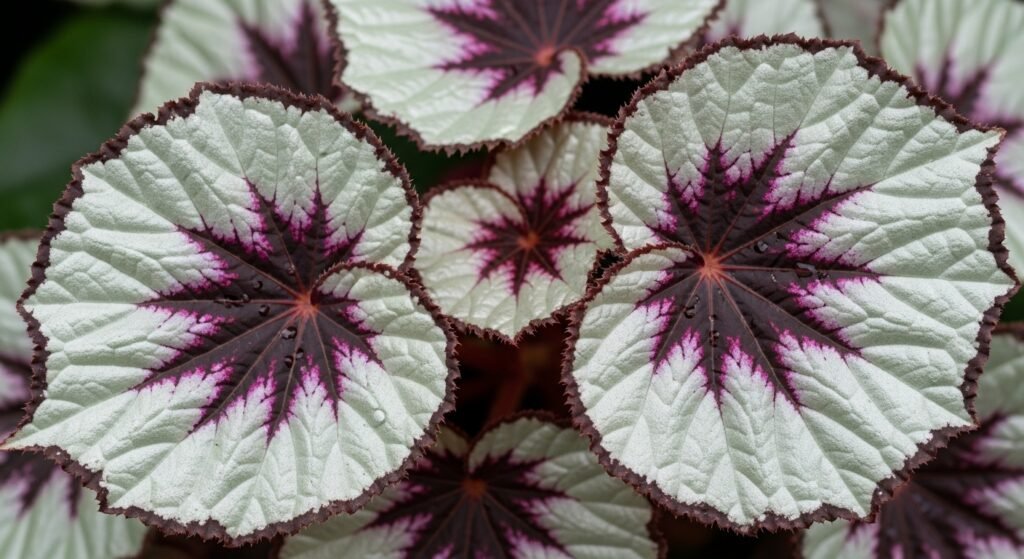
Rex begonias are grown for their amazing, colorful leaves. They have swirls of purple, silver, pink, and green. To keep these colors bright, they need indirect light. Too much sun will make the metallic colors look dull.
They are very sensitive to light changes in the home. If you move them too fast, they might drop their leaves. Keep them in a stable spot with consistent, soft light. They are perfect for an office or a bright bathroom.
Angel Wing (Cane) Begonias
Angel wing begonias grow on tall, bamboo-like canes. They have long leaves that look like wings and clusters of flowers. They like a good amount of light to stay strong. If the light is too low, the canes get floppy.
They can handle a little bit of morning sun quite well. This helps them produce more of those hanging flower clusters. Just be sure to support the tall stems with a stake. They are impressive plants when they get the right light.
Rhizomatous Begonias
Rhizomatous begonias are unique plants that grow from thick stems crawling along the surface of the soil. They are highly valued by indoor gardeners for their unusual leaf shapes and fuzzy, hairy textures. If you have a home with limited sunlight or fewer windows, these are the best choice for you. They are slow growers and very easy to please, making them perfect for low-light spots where other plants might struggle.
To keep these begonias healthy, it is important to pick a permanent spot and leave them be, as they do not like to be moved. Simply find a quiet, shady corner where they can settle in and grow at their own pace. Over time, they will gradually fill their pot with stunning foliage and deep textures. Because they thrive in stable, dimmer environments, they are ideal for adding a touch of nature to the darker areas of your home.
Seasonal Light Adjustments and Overwintering
Light levels change throughout the year and so should your care. The winter sun is much weaker and lower in the sky. You might need to move your plants to a sunnier window. This keeps them from going dormant or getting too weak.
In the summer, the sun is high and very powerful. You will likely need to move plants back from the glass. Heat can build up behind a window and cook your plant. Always adjust your begonias sun or shade plan every few months.
Summer Care
During the hottest months, shade is your best friend. Even sun-tolerant begonias might need a break during a heatwave. If the temps go above 90 degrees, bring them inside. The combination of sun and high heat is very dangerous.
Watering becomes a daily chore when the sun is out. Check your plants in the morning before the heat hits. This gives the plant a drink to help it through the day. Mulch can also help keep the soil cool in the garden.
Winter Transitions
When the days get short, your begonias will grow slower. They don’t need as much water or food during this time. However, they still need some light to keep their leaves. A south-facing window is often best during the winter months.
If you live where it freezes, you must bring them inside. Begonias are tropical and will die in the first frost. Give them a bright spot away from cold drafts. They will wait patiently for the spring sun to return.
The Hardening Off Process
You cannot just move a begonia from inside to outside. The change in light intensity will shock the plant’s system. You have to do it slowly over a week or two. This is called hardening off and it is very important.
Start by putting the plant in full shade for an hour. Then bring it back inside for the rest of the day. Slowly increase the time it spends outside each day. This lets the leaves build up strength for the outdoor light.
Dormancy Light Requirements
Some begonias, like the tuberous ones, go to sleep in winter. They will lose all their leaves and the stems will fall off. During this time, the tubers don’t need any light at all. You can store them in a cool, dark, and dry place.
Check on the tubers once a month to make sure they are firm. In the spring, you can bring them back into the light. Once they see the sun and get water, they will sprout. Then you can start the light cycle all over again.
Advanced Lighting Science for Begonias
If you want to be a pro, you can measure your light. You can use a light meter or even a phone app. This takes the guessing out of the begonias sun or shade question. It helps you find the exact spot where your plant will thrive.
Most begonias like light between 1000 and 2000 foot-candles. This is a measurement of how bright the light actually is. Anything over 3000 is getting into the danger zone for them. Knowing these numbers can save you a lot of plant deaths.
Measuring Light Intensity
Foot-candles and Lux are the two main units people use. Lux is more common in Europe, but both work the same way. A bright sunny day can be over 10,000 foot-candles. This shows you just how much shade a begonia really needs.
If your spot is below 500 foot-candles, it is likely too dark. The plant might live, but it won’t grow any new leaves. Use a meter to check different corners of your house. You might be surprised at where the best light is hiding.
The Importance of PAR
PAR stands for Photosynthetically Active Radiation. This is the specific type of light that plants use for food. Some lights look bright to us but don’t help the plant. Begonias need light in the blue and red parts of the spectrum.
If you use artificial lights, make sure they are full-spectrum. This ensures the plant gets all the colors it needs. Without the right PAR, your begonia will get thin and weak. Good light quality is just as important as the quantity.
Artificial Lighting Solutions

Sometimes you just don’t have enough windows for your plants. LED grow lights are a perfect solution for dark homes. They are cheap to run and don’t get hot like old bulbs. You can place them right above your begonias for perfect light.
- LED grow lights offer the best spectrum for indoor growth.
- Blue light helps the plant grow strong stems and leaves.
- Red light is what triggers the plant to make flowers.
- Light timers keep the schedule consistent for the plant.
Designing Your Garden Around Begonia Light Needs
When planning a garden, think about where the shadows fall. You can use your house or big trees to create shade. This lets you grow begonias sun or shade varieties together. It’s all about putting the right plant in the right spot.
You can also use other plants to help your begonias. This is called companion planting and it works great. Taller plants can act as a natural umbrella for the smaller ones. It creates a layered look that is very beautiful to see.
Companion Planting for Natural Shade
Hostas and ferns are great friends for begonias. They also love the shade and have big, broad leaves. You can plant begonias right underneath them for protection. This mimics the forest floor where they naturally grow.
Bleeding hearts and astilbe are other good choices. They provide different textures and colors to the garden. By grouping these plants, you create a humid microclimate. This keeps everyone happy and healthy through the summer.
The North-Facing Wall Advantage
The north side of your house is a begonia’s paradise. It rarely gets direct sun but stays bright all day. This is the safest place to plant your most delicate flowers. You won’t have to worry about them burning in the afternoon.
North-facing spots also tend to stay much cooler. Since the sun isn’t hitting the wall, the air stays fresh. This helps prevent the soil from drying out too fast. It is the low-maintenance way to have a gorgeous garden.
Container Gardening
Growing begonias in pots gives you the most control. If the sun moves, you can just pick up the pot. This is great for people with changing light throughout the year. You can chase the shade and keep your plants perfect.
Containers also let you control the soil and moisture. You can use a lighter mix that drains well for the shade. Or a heavier mix for plants that get a bit more sun. It is the best way for beginners to start with begonias.
Troubleshooting Common Begonia Light Problems
Even experts have trouble with begonias sun or shade sometimes. The plant will usually tell you if it is unhappy. You just have to learn how to read the signs it gives. Catching problems early is the key to a long plant life.
Don’t panic if your plant looks a little bit sad. Usually, a small change in light will fix the problem. Begonias are tough and want to live if you help them. Just be patient and watch for the new leaves to grow.
Light Stress vs. Overwatering
It can be hard to tell these two problems apart. Both can cause yellow leaves and wilting. If the soil is wet and the plant wilts, it is overwatering. If the soil is dry and the plant wilts, it is light stress.
Check the roots if you aren’t sure what is wrong. Healthy roots are white and firm to the touch. Rotten roots are brown, mushy, and smell bad. Keeping the light right helps the plant use water properly.
Remedying Legginess
Legginess happens when the plant stretches too far for light. The stems get thin and can’t hold up the leaves. To fix this, you should first move the plant to a brighter spot. Then, you can pinch back the long, ugly stems.
Pinching tells the plant to grow bushier and lower. It will push out new growth from the sides of the stem. With better light, the new growth will be strong. Your begonia will look full and healthy again in no time.
Summary of Best Practices for Begonia Placement
To keep your begonias happy, remember the bright indirect light rule. Avoid that harsh afternoon sun at all costs. Provide some humidity and keep the soil consistently moist. These simple steps will solve most of your plant’s problems.
- Watch for signs of burn or light stretching every day.
- Use filtered light through curtains or trees whenever possible.
- Rotate the pot weekly so it doesn’t grow to one side.
- Match the variety to the light you have in your home.
Frequently Asked Questions
How to encourage begonias to bloom?
Give them 3 to 4 hours of bright, indirect sunlight. Use a balanced liquid fertilizer every few weeks. Keep the soil moist but never let the roots sit in water.
Do begonias like sun or shade?
They love bright, indirect light the most. Morning sun is okay, but full afternoon sun will burn them. Dappled shade is their favorite place to be.
Can begonias survive indoors year-round with artificial light?
Yes, they do great under LED grow lights. Keep the light on for about 12 to 14 hours a day. This mimics a long tropical day for them.
Why are my begonia flowers falling off before they open?
This is usually caused by too much heat or light. It can also happen if the soil gets way too dry. Move the plant to a cooler, shadier spot to help it.
Do different flower colors require different light levels?
Usually, plants with darker flowers can handle slightly more light. Very pale or white flowers are the most sensitive to burning. Keep the light soft for the best color results.
Can I grow begonias in a windowless bathroom?
You can only grow them there if you use a grow light. These plants need some light to stay alive and won’t survive in total darkness. A small LED light on a timer can help them thrive in a room with no windows.
Do begonias need more water in the sun or shade?
Plants in the sun dry out much faster and need water more often. You might water sun-exposed plants every day while shaded ones only need it twice a week. Always feel the soil before adding water to prevent root rot.
Why are my begonia leaves turning silver?
Silver patches can be a sign of powdery mildew or too much light. If the leaf feels dry and crispy, it is likely sun damage from the afternoon glare. Move the plant further from the window to see if the new leaves look better.
Can begonias grow under oak trees?
Oak trees provide the perfect dappled shade for most begonia varieties. The leaves block the hot rays but let enough light through for the plant to eat. Just watch out for the tree roots competing for water in the soil.
Are yellow flowers more sun-sensitive than red ones?
Yellow and white begonia flowers tend to burn or turn brown much faster. Red and dark pink blooms have more pigment to handle light. Keep your light-colored flowers in deep shade to keep them looking fresh.
Do begonias like morning or evening sun better?
Morning sun is much cooler and safer for the delicate leaves. Evening sun can still be quite hot and may cause wilting before sunset. Aim for light that hits before 10 AM for the best results.
How do I know if my patio is too shady for begonias?
If your begonias grow long, skinny stems and never bloom, the spot is too dark. They might also get a “leggy” look where they stretch toward the edge of the porch. Try moving them to a spot that gets more reflected light.
Can I use a regular light bulb as a grow light?
Old-style light bulbs get too hot and can actually burn the plant leaves. It is better to use a cool LED bulb designed for plants. These provide the right light colors without the dangerous heat.
Does the pot color affect how begonias handle the sun?
Dark pots absorb heat and can cook the plant roots in direct sunlight. Light-colored or ceramic pots stay much cooler in the summer heat. Use light pots if your begonias sit in a bright area.
Why do my begonias stop blooming in August?
High heat can cause the plant to go into a mini-dormancy to save water. Even if they have light, the temperature might be too high for flower production. Keep them cool and shaded to help them start blooming again.
Can begonias survive near a heater in the winter?
Heaters dry out the air and can crisp the leaves even in low light. Keep your plants away from vents to prevent them from drying out. Use a tray of water nearby to keep the air humid.
Should I mist my begonias if they are in the sun?
Never mist the leaves when the sun is hitting them directly. The water drops can act like tiny magnifying glasses and burn holes in the leaves. Only mist in the early morning or late evening.
Do begonias need a rest period from light?
Like people, plants need a dark period every night to process their food. Do not leave grow lights on for 24 hours a day. Give them at least 8 hours of total darkness every night.
Can I put begonias in a south-facing window?
A south window is usually too hot and bright for most begonias. If you use this spot, pull the plant back several feet from the glass. You can also use a thick curtain to block the harshest rays.
Why are the stems on my begonia turning red?
Some begonias naturally have red stems when they get the right amount of light. If the plant looks healthy, this is a sign it is very happy. It shows the plant is getting enough energy to produce its natural pigments.
Do begonias grow better in plastic or clay pots?
Clay pots breathe better and stay cooler in the sun, but they dry out fast. Plastic pots hold moisture longer which is good for thirsty plants in bright spots. Choose the pot based on how often you want to water.
Can begonias handle wind if they are in the shade?
Strong wind can dry out the leaves just as fast as the hot sun. Even in the shade, keep them in a protected spot to prevent windburn. This also stops the tall stems from snapping off.
Why are my begonia leaves small and crowded?
This is often a sign of too much light for that specific variety. The plant keeps the leaves small and close together to protect itself. Move it to a shadier spot to see if the leaves grow larger.
Do begonias like to be moved around?
Begonias hate sudden changes in light and temperature. If you move them, do it slowly over several days to avoid leaf drop. They prefer to stay in one stable spot for the whole season.
Can I grow begonias in a hanging basket in the sun?
Hanging baskets dry out very fast because air hits them from all sides. Only put sun-hardy wax begonias in baskets if they get a lot of light. For other types, keep the basket in a shady corner of the porch.