 Skip to content
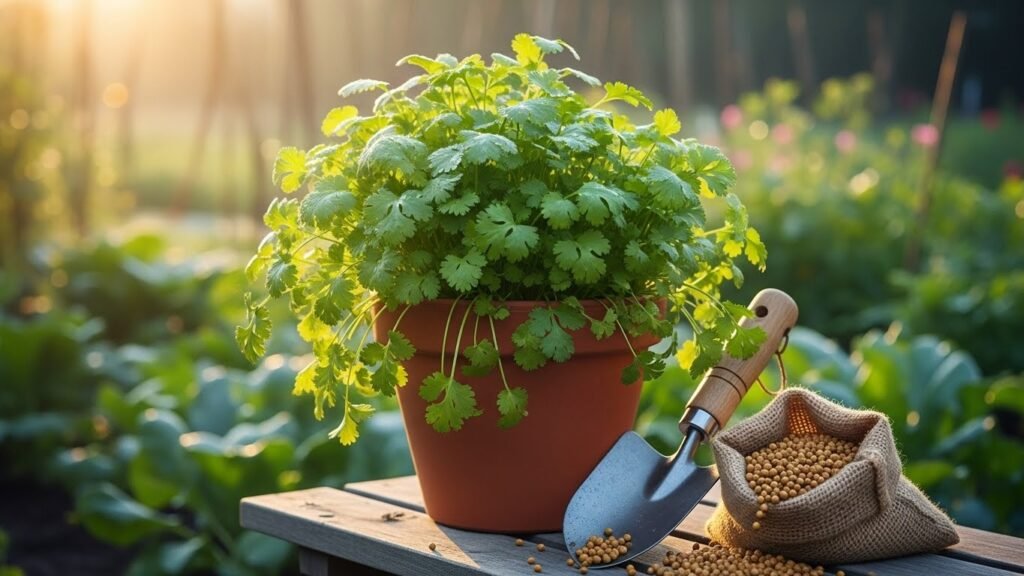
Growing your own herbs is a total game-changer for your kitchen. If you want to know how do you grow cilantro plants, you are in the right place. Cilantro is a cool-season herb that gives you fresh leaves and tasty seeds. It is super easy to grow even if you are just starting out. You can grow it in big gardens or tiny pots on your porch. This guide will show you every single step to get it right.
Introduction to Cilantro
Cilantro is a famous herb used in many yummy dishes. Scientists call this plant Coriandrum sativum. It is special because you get two different flavors from one plant. The green leaves are called cilantro. The dried seeds are known as coriander. This makes it a dual-purpose plant for your garden.
Beginners love this plant because it is not picky. You can plant it, watch it grow, and pick it fast. It also helps your garden stay healthy. When it grows flowers, bees and butterflies come flying in. These pollinators are great for your other vegetables too. Having cilantro around makes your whole backyard better.
Selecting the Right Cultivars
Picking the right type of cilantro is a smart move. Not all cilantro plants are exactly the same. Some handle the heat better than others. If you live in a hot place, look for slow-bolt types. These stay green longer before they start growing flowers.
Best Varieties for Leaf Production (Slow-Bolt)
If you want tons of leaves for salsa, choose these types. They are bred to stay leafy even when it gets a bit warm.
- Slo-Bolt is a classic choice for gardeners who want a long harvest. It is famous for resisting the urge to flower when the sun gets intense.
- Calypso grows very thick and takes a long time to flower. This variety is perfect for those who want a dense, bushy plant in a pot.
- Santo is what the pros use because it grows straight and tastes great. It offers a very consistent flavor profile that chefs really love.
- Confetti has funny leaves that look like ferns and looks cool in pots. It is much more delicate in appearance than standard cilantro.
- Cruiser is another great pick that grows in big, lush clumps. It has very strong stems that stay upright even in the wind.
Best Varieties for Seed Production (Coriander)
Sometimes you want the seeds more than the leaves. Coriander seeds are great for curries and baking.
- Leisure grows fast and gives you a huge amount of big seeds. It is a very reliable producer for home spice cabinets.
- Moroccan is perfect if you want that mild, citrus smell for your spice rack. These seeds are often lighter in color and very aromatic.
Garden Planning and Site Selection
Before you dig, you need a good plan. Cilantro likes specific things to grow its best. If you pick the right spot, the plant does most of the work. You just have to sit back and watch it turn green.
Optimal Growing Conditions
Cilantro loves the sun but hates being too hot. It is a cool-weather fan through and through.
- Sunlight is key, so give it full sun in the morning. This helps the dew dry off the leaves and prevents mold.
- Afternoon shade is a lifesaver if you live somewhere really toasty. It keeps the soil temperature down and prevents wilting.
- Cool weather in early spring and late fall is the best time for planting. The air temperature should ideally be between 50 and 75 degrees.
- Hardiness means it can survive a light frost down to 28 degrees. It actually tastes a bit sweeter after a very light frost.
Soil Composition and Preparation

The dirt you use matters a lot for your herbs. Cilantro wants soil that lets water drain away fast.
- Well-drained soil prevents the roots from getting mushy and gross. If your soil is heavy clay, the plant will struggle to grow.
- pH levels should be between 6.2 and 6.8 for the happiest plants. You can buy a cheap test kit to check your dirt.
- Organic matter like aged compost makes the soil rich and healthy. It provides a slow release of nutrients throughout the season.
- Potting mix is the best choice if you are using containers or pots. Look for mixes that contain perlite or vermiculite for drainage.
Planting Strategies
How do you grow cilantro plants from seeds? It is easier than you might think. You can start them outside or in small pots. Just remember that cilantro has a long root and does not like being moved.
Regional Planting Timelines
Your local weather tells you when to plant. Follow these tips based on where you live.
- Northern states should wait for late spring when the hard freeze is over. Late April or early May is usually the sweet spot.
- Southern states should plant in the fall or very early spring. Planting in October allows for a long winter harvest.
- Warm zones like 8 or 10 find that fall planting works like a charm. The mild winters in these areas are perfect for cilantro.
Planting Methods
You have a few ways to get those seeds in the dirt. Pick the one that fits your garden style.
- Broadcast seeding means you just toss seeds over a small area. This is the best way to grow a “carpet” of cilantro.
- Direct sowing is planting seeds exactly where they will stay for good. It protects the sensitive taproot from transplant shock.
- Seed pre-treatment involves gently cracking the seed husk to help them sprout. Each round husk actually contains two separate seeds.
- Spacing should be about 6 to 8 inches so the plants have room to breathe. Good airflow is the best way to keep the plants healthy.
Succession Planting for Continuous Harvest
Cilantro grows up and finishes its life pretty fast. If you want it all summer, you need a trick. This trick is called succession planting.
- The 2-week rule says you should plant new seeds every fourteen days. This ensures that as one batch finishes, the next is ready.
- Fresh supply is guaranteed because new plants grow as old ones finish. You will never run out of leaves for your tacos.
- Stop planting once the middle of summer hits and it gets way too hot. Wait for the temperatures to drop again in late August.
Growing Cilantro Indoors and in Small Spaces
You do not need a huge farm to grow this herb. It does great in small spaces if you give it love. Many people grow it right in their kitchen.
Indoor Gardening Essentials

Indoor plants need a bit more help since they are not outside. Lighting is the most important part for indoor herbs.
- Light can come from a sunny window or a cheap grow light. If using a window, turn the pot every day so it grows straight.
- Hydroponics are cool water-based systems that grow plants without any dirt. They are very clean and great for modern apartments.
- Vertical gardens are perfect for people with small balconies or patios. You can stack pots to save floor space.
- Deep pots are a must because the plant has a long taproot. A pot that is at least 10 inches deep is ideal.
Companion Planting and Garden Ecosystems
Plants can be friends just like people. Some plants help cilantro grow better. Others can actually cause problems.
Beneficial Companions
Cilantro is a great neighbor for many garden favorites. It helps keep the bad bugs away.
- Tomatoes love having cilantro nearby to shade the soil. The smell of cilantro may also confuse pests that eat tomatoes.
- Peppers grow well with cilantro and share the same watering needs. They make a great “salsa garden” pairing.
- Dill is a good buddy that attracts the same helpful insects. Both plants have similar umbrella-shaped flowers.
- Legumes like beans put extra nitrogen back into the dirt for the herbs. This helps the cilantro stay bright green and lush.
Plants to Avoid
Some plants just do not get along with cilantro. Keep these apart in your garden beds.
- Fennel can actually stunt the growth of your cilantro plants. They compete for the same nutrients and space.
- Lavender likes dry soil while cilantro wants to stay a bit damp. Watering one properly will usually hurt the other.
Care and Maintenance
Once your plants are growing, they need a little upkeep. It does not take much time at all. Just a few minutes a week will keep them happy.
Watering Requirements and Techniques

Water is the lifeblood of your cilantro patch. Never let the soil get bone dry.
- Consistent moisture is needed while the seeds are trying to sprout. If the soil dries out during germination, the seeds might die.
- One inch of water per week is the standard goal for healthy plants. You can measure this with a simple rain gauge.
- Drip irrigation is a fancy way to water the roots directly. It keeps the leaves dry, which prevents fungus.
- Mulching with straw helps keep the roots cool when the sun is out. It also stops weeds from stealing the cilantro’s food.
Feeding and Fertilization
Even in good soil, plants get hungry. A little snack helps them grow more leaves.
- Liquid food that mixes with water is the easiest way to fertilize. Use it every two weeks for the best results.
- Nitrogen is what makes the leaves big and bright green. Look for fertilizer numbers where the first number is the highest.
- Compost tea is an organic way to give your plants a boost. It adds helpful bacteria to the soil along with nutrients.
Troubleshooting Pests and Diseases
Sometimes bugs or germs try to ruin your hard work. Do not worry because you can stop them. Knowing what to look for is half the battle.
Common Pests
Keep an eye out for these tiny troublemakers on your leaves.
- Aphids are tiny bugs that stick to the stems and suck the sap. You can often wash them off with a strong blast of water.
- Leaf miners leave wiggly white lines all over your pretty leaves. They live inside the leaf, so you have to pick those leaves off.
- Neem oil is a natural spray that gets rid of most bad bugs. It is safe for humans and pets but tough on pests.
Fungal and Bacterial Diseases
Wet leaves can sometimes get sick from mold or fungus.
- Leaf spot looks like brown dots and happens when it is too humid. Make sure your plants aren’t crowded too closely.
- Powdery mildew looks like someone spilled white flour on your plants. It thrives when the air is stagnant and warm.
- Airflow is the best way to prevent these gross diseases from starting. Give your plants room to sway in the breeze.
Understanding the Bolting Process

You might see your plant suddenly grow a tall stick. This is called bolting. It means the plant is trying to make seeds and die.
Why Bolting Happens
Bolting is a natural part of the cilantro life cycle. Heat is usually the main reason it starts.
- High heat tells the plant that summer is coming and it is time to seed. Once it starts, you can’t really stop it.
- Long days can also trigger the plant to flower. Cilantro reacts to the amount of sunlight it gets each day.
- Small pots make the roots feel cramped and stressed out. This stress forces the plant to reproduce quickly.
Managing the Transition
You can slow down bolting if you are careful. This gives you more time to pick leaves.
- Shade cloth keeps the plants cooler during the hot afternoon hours. It can buy you an extra week or two of harvest.
- Harvest early if you hear a heatwave is coming on the news. It is better to have small leaves than bitter ones.
- Cold water can help lower the soil temperature on hot days. It acts like a little air conditioner for the roots.
Harvesting Techniques
Now for the best part of the job. It is time to eat what you grew. Harvesting correctly keeps the plant growing longer.
Harvesting Fresh Leaves

You can start picking leaves quite early. They taste best when they are young and tender.
- Six weeks is usually when the plant is big enough to harvest. At this point, it should be about 6 inches tall.
- Pinching the top of the plant makes it grow more side branches. This creates a much bushier plant with more leaves.
- The one-third rule means you should never take too much at once. The plant needs some leaves left to make energy.
- Frequent cuts encourage the plant to keep making new green growth. The more you pick, the more it grows.
Harvesting Cilantro (Seeds)

If your plant does bolt, do not throw it away. Those seeds are valuable spice rack treasures.
- Wait for brown seeds before you try to pick them. If they are still green, they won’t have the right flavor.
- Green seeds are not ready yet and will not taste right. They can actually taste a bit like soap if picked too early.
- Whole seeds can be stored for a long time in a jar. Grind them fresh for the absolute best taste in your cooking.
Preservation and Post-Harvest Handling
Sometimes you have more cilantro than you can eat today. You can save it for later using these simple steps.
Preserving Cilantro Leaves
Fresh cilantro does not last forever in the fridge. You have to be smart about storage.
- Freezing chopped leaves in oil is a great way to save the flavor. The oil protects the leaves from freezer burn.
- Ice cube trays make perfect little portions for soups or stews. Just pop a cube into the pot while you cook.
- Herb butter is a fancy way to store cilantro in your freezer. It is amazing on grilled corn or steak.
Storing Coriander Seeds
Seeds need to be totally dry before you put them away. Moisture will make them rot.
- Curing means hanging the stems upside down in a paper bag. This lets the seeds fall into the bag as they dry.
- Glass jars are the best containers to keep your seeds fresh. Plastic can sometimes let odors in or out.
- Dark spots like a pantry help the seeds keep their strong smell. Heat and light are the enemies of dried spices.
Sustainability and Seed Saving
You can be a pro gardener by saving your own seeds. This means you never have to buy seeds again. It is a great way to save money.
Self-Sowing for Future Seasons
Cilantro is great at taking care of itself. If you let it go, it will do the work for you.
- Drop seeds on the ground and they will grow back next year. This is how you get a “permanent” cilantro patch.
- Natural cycle means the plants will pop up when the weather is right. They usually sprout just as the spring garden starts.
Selecting Seeds for Saving
Pick the very best plants to get seeds from. This makes your garden stronger every year.
- Late bloomers are the plants you want to keep for seeds. They have the best genetics for staying leafy.
- Slow-bolt traits get passed down to the next generation of plants. Over time, your garden will adapt to your specific weather.
Final Summary and Success Tips
Growing cilantro is one of the most rewarding projects you can start in your home garden. Whether you are planting in a large backyard plot or a small pot on your kitchen windowsill, the key to success is working with the plant’s natural love for cool weather. By choosing the right variety, keeping the soil moist, and practicing succession planting, you can enjoy a steady supply of fresh, aromatic leaves for months.
As your garden grows, remember these final tips for the best results:
- Watch the thermometer and provide extra shade or water when the summer heat begins to rise to prevent early bolting.
- Harvest frequently to keep the plant productive and bushy, always following the one-third rule to keep the plant healthy.
- Embrace the flowers if your plant does bolt, as they support local pollinators and eventually provide you with a harvest of coriander seeds.
- Store your harvest correctly by freezing or curing seeds so that none of your hard work goes to waste.
With these simple steps, you have everything you need to maintain a thriving cilantro patch. Not only will your cooking improve with the addition of fresh-picked herbs, but you will also gain the satisfaction of mastering a plant that provides both fresh greens and dry spices from a single seed. Happy gardening!
Frequently Asked Questions
Can cilantro be grown from the coriander seeds in my spice rack?
Yes, you can often grow cilantro using whole coriander seeds from the grocery store, provided they haven’t been heat-treated or roasted. However, seeds specifically packaged for gardening usually have higher germination rates and are bred for specific traits like heat resistance.
Does cilantro grow well in raised garden beds?
Cilantro thrives in raised beds because the soil warms up faster in the spring and typically offers the excellent drainage the plant requires. Raised beds also make it easier to control the soil quality and pH levels.
Is it possible to grow cilantro from supermarket cuttings?
Unlike some herbs like mint or basil, cilantro is difficult to grow from cuttings. It has a sensitive taproot and does not develop a new root system easily in water. It is almost always better to start from seed.
Why is my cilantro turning purple?
Cilantro leaves may turn purple or reddish if the weather is exceptionally cold or if the soil is lacking in phosphorus. If the plant otherwise looks healthy, it is likely just a reaction to low temperatures.
Can I grow cilantro alongside spicy peppers without affecting the flavor?
Yes, growing cilantro near peppers will not change the taste of either plant. While they are great companions in the garden and in recipes, they do not cross-pollinate in a way that alters the flavor of the current season’s harvest.
What is the best way to wash fresh cilantro?
Fill a bowl with cold water and swish the cilantro around to let any dirt or grit sink to the bottom. Lift the herb out, pat it dry with a clean towel, or use a salad spinner to remove excess moisture.
Does cilantro help deter garden pests like mosquitoes?
While cilantro has a strong scent that can confuse some pests, it is not considered a powerful mosquito repellent. However, it does attract beneficial insects that prey on smaller garden pests.
Can I grow cilantro in a window box?
Cilantro is an excellent candidate for window boxes. Ensure the box is at least eight inches deep to accommodate the roots and that it has plenty of drainage holes to prevent waterlogged soil.
Is cilantro safe for pets like dogs and cats?
Cilantro is generally considered non-toxic to dogs and cats. In small amounts, it is safe if they happen to take a nibble, though most pets are not attracted to the strong scent.
How do I stop my cilantro from tasting like soap?
The “soapy” taste is caused by a genetic trait in some humans that makes them sensitive to aldehydes in the plant. You cannot change the plant to fix this, but cooking or bruising the leaves can sometimes reduce the intensity of that flavor.
Can cilantro be grown as a microgreen?
Cilantro makes an excellent microgreen. You can harvest the tiny seedlings just as the first true leaves appear (usually in about 10 to 14 days) for a concentrated burst of flavor.
Does cilantro need a lot of fertilizer?
Cilantro is a light feeder compared to vegetables like tomatoes. If you start with rich compost, you may only need to fertilize once or twice during its short growing cycle.
What should I do if my cilantro starts to smell bad?
If your cilantro smells “stinky” or like bugs, it may be infested with aphids or stink bugs, or it may have a bacterial rot from too much water. Healthy cilantro should always smell fresh and citrusy.
Can I grow cilantro in the same pot as parsley?
Yes, cilantro and parsley are great pot mates because they enjoy similar cool temperatures and moisture levels. Just ensure the pot is large enough so they don’t crowd each other out.
How long do coriander seeds remain viable for planting?
If stored in a cool, dry, and dark place, coriander seeds usually remain viable for 2 to 3 years. After that, the germination rate will begin to drop significantly.
Does mulch help prevent cilantro from bolting?
Yes, a thick layer of organic mulch like straw or shredded leaves keeps the soil temperature lower. Since bolting is triggered by heat at the root level, mulch can effectively extend your harvest.
Is there a “perennial” version of cilantro?
There is a plant called Culantro (Vietnamese Coriander) that has a similar flavor and is more heat-tolerant, but true cilantro (Coriandrum sativum) is strictly an annual.
Can I use a dehydrator for cilantro?
You can use a dehydrator on the lowest heat setting, but be aware that cilantro loses most of its bright flavor when dried. Air-drying in a cool, dark place is often preferred to preserve what little flavor remains.
Why are the stems of my cilantro so leggy and weak?
Leggy stems are usually a sign that the plant is not getting enough light. If growing indoors, move the plant closer to a window or lower your grow lights to encourage sturdier growth.
Should I remove the flowers if I want more leaves?
You can try to pinch off the flowers to delay the process, but once cilantro decides to bolt, it is very difficult to stop. It is usually more efficient to harvest the remaining leaves and start a new batch of seeds.

Pingback: Cilantro Shortage: Why Prices Are Up & How to Find More