 Skip to content
Maiden grass varieties are some of the coolest plants you can toss into your yard for a massive glow-up. These plants, known as Miscanthus sinensis, are a total staple in the world of ornamental landscaping because they look great and are tough as nails. You get three full seasons of beauty with these low-maintenance maiden grass varieties. They start with fresh green leaves in the spring and end with stunning silhouettes in the winter. Most gardeners pick them because they are durable and super versatile in any space. They handle different weather like a champ and don’t need a lot of babying.
Introduction to Maiden Grasses (Miscanthus sinensis)
Maiden grass varieties are a go-to for anyone who wants a garden that looks high-end without the high-end work. These grasses are legendary for their ability to stay pretty from the moment they sprout until the snow falls. You get a mix of textures and colors that change as the months go by. This botanical family has its roots in places like East Asia but has become a favorite in American backyards. Understanding their natural habitat helps you see why they are so hardy in different zones.
Botanical Background
The Miscanthus family is pretty big and full of different looks. These plants are clumping grasses, which means they stay in a neat group instead of taking over the whole yard. They originally came from marshy or mountain areas in Asia, which makes them very adaptable. This background is why they can handle both wet feet and some dry spells once they are settled. Knowing where they come from helps you pick the right spot for them in your own garden.
The Versatile Role of Maiden Grass in Landscape Design
Maiden grass varieties are like the Swiss Army knife of the plant world. You can use them as a vertical accent in a mixed border to add some height. They also work great as a soft, green, flowing mass of plants that adds movement to the garden. Some people love them as a spiky addition to containers on their porch. No matter the size of your space, there is a maiden grass that fits perfectly.
- Vertical Accents: Use tall varieties to draw the eye upward in a flat garden bed.
- Mass Plantings: Group several together to create a sea of waving green leaves.
- Container Stars: Pick smaller types to be the focal point of your outdoor pots.
- Privacy Screens: Plant them in a row to block out the neighbors naturally.
- Water Features: Place them near a pond where their reflection looks twice as good.
Creative Design Themes with Maiden Grass
If you want a garden that feels like a vibe, try a moonlight garden theme. Use maiden grass varieties with white or silver stripes to catch the moonlight at night. For a modern look, pick upright grasses with clean lines to keep things looking sharp. You can also go for a meadow aesthetic by mixing them with wild-looking flowers. This creates a natural prairie look that is super trendy and easy to manage.
Seasonal Performance and Garden Interest
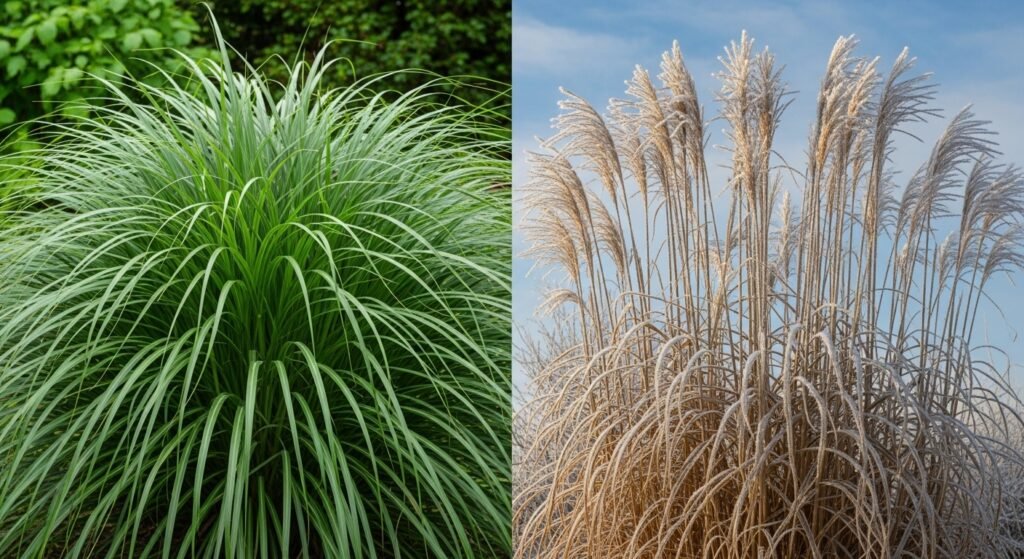
These grasses are not just one-hit wonders that look good for a week. In the spring and summer, they grow fast and give you plenty of lush greenery. By the time late summer rolls around, they start to flower with fuzzy, silky plumes. These flowers stay on the plant well into the fall and even through the winter. They provide great interest in a winter garden when most other plants are totally bare.
- Spring Growth: Watch the green shoots pop up as soon as the ground warms up.
- Summer Lushness: Enjoy the full, arching mounds of leaves during the hottest months.
- Fall Flowers: See the copper and gold blooms emerge as the weather cools down.
- Winter Structure: Let the dried stalks stand tall even under a light coating of snow.
Essential Care and Maintenance Requirements
Taking care of maiden grass varieties is basically a walk in the park. They love the sun, so make sure they get plenty of light to keep their stems strong. If they are in too much shade, they might start to flop over. Most of these plants are cold-hardy and can survive some pretty chilly winters. They also have very few pests and even the deer usually leave them alone.
- Sunlight: Aim for full sun to part shade for the best growth and color.
- Soil Quality: They aren’t picky but prefer soil that drains well.
- Watering: Keep them moist while they are young, but they can handle dry spots later.
- Hardiness: Most varieties do great in USDA zones 4 through 9.
Troubleshooting Common Growth Issues
Even the easiest plants can run into some drama sometimes. If your grass is flopping over, it might be getting too much water or fertilizer. Sometimes, in really humid areas, you might see some spots or rust on the leaves. If the plant is growing really slowly, it might just need another year to get its roots settled. Most of these issues are easy to fix by changing how much you water or where you plant them.
Step-by-Step Guide to Annual Maintenance
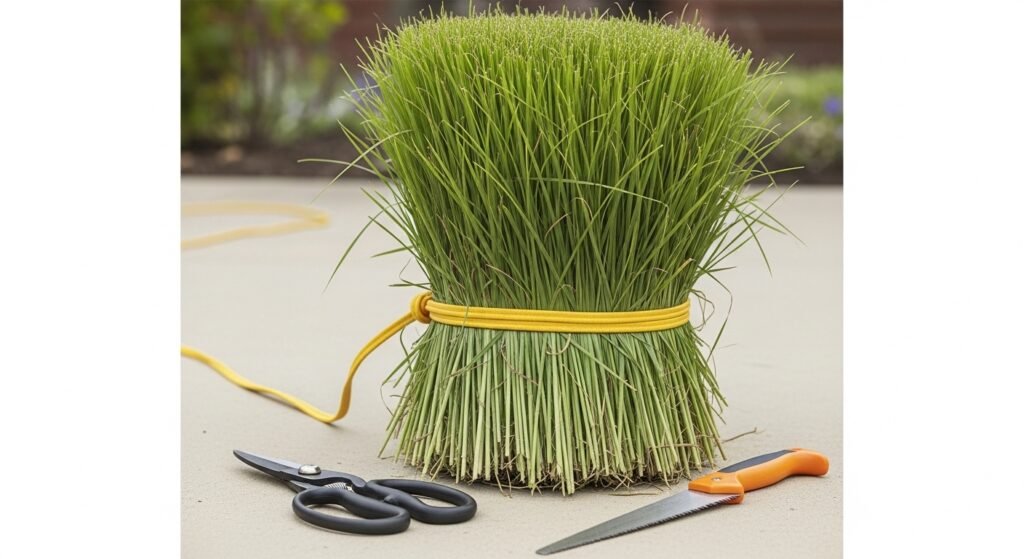
The only big job you have with maiden grass varieties is the annual spring haircut. You want to cut them back before the new green growth starts to show. This keeps the plant looking tidy and prevents the old dead leaves from getting in the way. It only takes a few minutes if you have the right tools. You can use a saw or some big garden shears to get the job done.
- Timing: Do your cutting in early spring just as the ground begins to thaw.
- Bundle Up: Wrap the grass with wire or a bungee cord to keep it from falling everywhere.
- The Cut: Slice through the stems about 6 inches above the ground.
- Clean Up: Toss the old bundle into the compost pile and you are finished.
Longevity and Propagation Through Division
After about four or five years, your maiden grass might start to look a little weird. If the middle of the clump looks dead while the outside stays green, it is time to divide. Dividing the plant helps rejuvenate it and gives it more room to grow. Plus, you get free plants to put in other parts of your garden. It is a win-win for you and your landscape.
- Look for Signs: Check if the center of the grass mound is becoming hollow or bare.
- Dig It Up: Use a sharp shovel to lift the whole root ball out of the dirt.
- Slice It: Cut the clump into smaller pieces with a saw or a spade.
- Replant: Put the new pieces in the ground and water them well to help them settle.
Comprehensive Review of Top Maiden Grass Cultivars
’Morning Light’ Maiden Grass

This is the classic maiden grass that almost everyone recognizes. It has very narrow leaves with a thin white stripe right down the middle. It forms a beautiful, graceful mound that stays looking neat all season. In the fall, it sends up silky burgundy flowers that eventually turn soft and cottony. It is a great pick for a sophisticated garden look.
- Height: Expect this one to reach about 4 to 6 feet tall when in flower.
- Style: Very fine-textured and elegant compared to other varieties.
- Care: Just watch out for the leaf edges, as they can be a bit sharp.
’Gold Bar’ Maiden Grass

If you want a plant that really pops, this is the one for you. It has bright yellow horizontal stripes that make it stand out from across the yard. It has a very upright habit, so it doesn’t take up too much horizontal space. This makes it perfect for smaller garden beds where you still want a big impact. It is a true focal point plant that gets people talking.
- Look: Features dramatic yellow banding that stays bright all summer.
- Flowers: Produces burgundy plumes that appear just above the foliage.
- Size: Stays around 3 to 5 feet tall, making it very manageable.
’Purpurascens’ (Flame Grass)

This variety is the absolute king of fall color among maiden grass varieties. While most grasses turn tan, this one turns a stunning red-orange hue. It is also incredibly cold-hardy, surviving all the way down to zone 4. During the summer, the leaves have a subtle red tint that only gets better as it gets colder. It adds a massive burst of warmth to the autumn landscape.
- Fall Color: Unbeatable red and orange tones that last for weeks.
- Hardiness: One of the best choices for gardeners in very cold climates.
- Size: Can reach up to 9 feet tall when the flower spikes are fully out.
’Little Kitten’ Maiden Grass

For those with limited space, ‘Little Kitten’ is the perfect tiny companion. It only gets about a foot tall, so it fits in even the smallest rock gardens. It also makes an eye-catching container plant for your patio or porch. Even though it is small, it still produces pretty tan flowers in the late summer. It is proof that you don’t need a huge yard to enjoy ornamental grasses.
- Compact: Stays between 12 and 15 inches tall without the flowers.
- Versatile: Great for edging paths or filling in gaps in a small bed.
- Overwintering: If it is in a pot, plant it in the ground before winter to keep it safe.
’Yaku Jima’ Maiden Grass

This mid-sized variety is a great all-rounder for most home gardens. It reaches about 3 to 4 feet tall, which is a very comfortable height for many landscapes. The flowers are a beautiful gold-copper color that perfectly matches the fall foliage. It looks amazing when planted alongside fall bloomers like asters and mums. It remains standing and sturdy throughout the entire winter.
- Size: Perfect for medium-sized gardens that need some texture.
- Color: Coppery tones provide a warm look during the late season.
- Pairs: Combines well with other sun-loving perennials for a layered look.
’Variegatus’ Maiden Grass
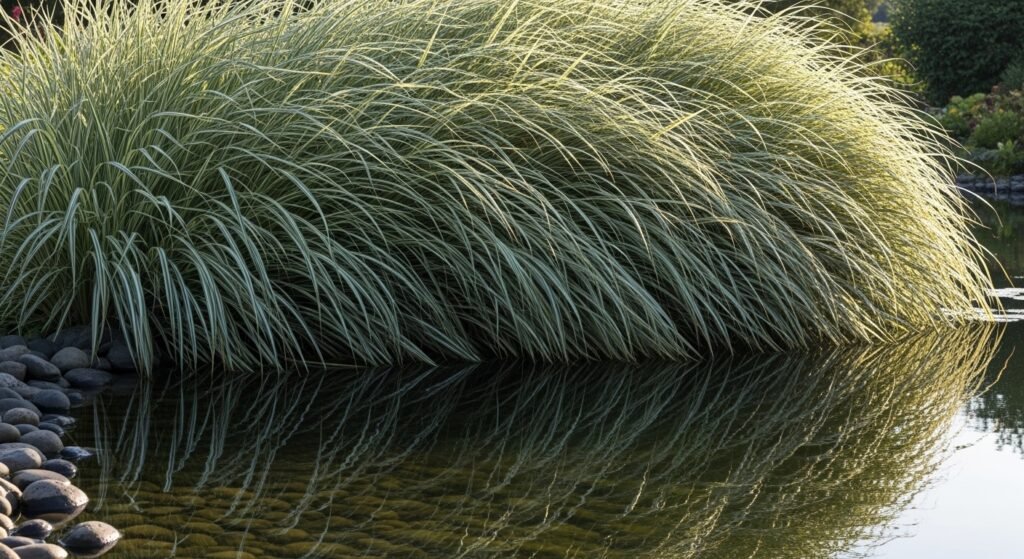
If you have a big space to fill, ‘Variegatus’ is the bold choice you need. It has thick white stripes running the length of the leaves, making it very visible. This grass loves a moist spot, so it is a natural fit near ponds or water features. It is a large, arching plant that creates a dramatic silhouette in the landscape. It is one of the most vibrant variegated grasses you can find.
- Impact: High visibility due to the bold white and green contrast.
- Moisture: Handles damp soil better than some other maiden grass varieties.
- Height: Can reach up to 9 feet tall, so give it plenty of room to grow.
| Variety | Height | Best Use |
| Morning Light | 4-6 ft | Classic borders |
| Gold Bar | 3-5 ft | Small focal points |
| Little Kitten | 1-1.5 ft | Containers/Rocks |
| Purpurascens | 4-9 ft | Fall color |
| Variegatus | 5-9 ft | Near water |
Companion Planting and Ecological Synergy
Maiden grass varieties don’t just sit there looking pretty; they play well with others too. You can plant them next to perennials with broad leaves to create a cool contrast. They also help out the local ecosystem by providing homes for tiny critters. When you mix them with flowers that bloom at the same time, your garden looks like a professional designed it. It is all about creating a balanced and healthy outdoor space.
Best Perennial Pairings
Mixing textures is the secret to a great-looking garden bed. Try planting your grasses next to Hostas or Sedums for a big leaf vs. small leaf look. You can also match the colors of the grass plumes with flowers like Black-Eyed Susans. This creates a color echo that makes the whole garden feel tied together. Don’t forget to add some evergreen shrubs nearby to keep the structure during the winter.
- Sedum: The flat flower heads look great next to the arching grass blades.
- Coneflowers: These provide a pop of color while the grass provides the background.
- Evergreens: Use them to anchor the grass and provide a green backdrop.
Supporting Local Ecosystems
Your garden can be a sanctuary for birds and beneficial insects. The dense clumps of maiden grass varieties are perfect for birds looking for a safe nesting spot. During the winter, the seed heads provide a much-needed snack for foraging birds. Even though they aren’t native, they can still provide shelter and structure for local wildlife. It is a simple way to make your backyard a little more nature-friendly.
Addressing Environmental Concerns and Best Practices
While maiden grass varieties are awesome, it is important to be a responsible gardener. In some parts of the country, certain wild species can become a bit too friendly and spread where they shouldn’t. However, the specific cultivars mentioned in this guide are generally much better behaved. If you are worried about spreading, look for sterile varieties that won’t drop viable seeds. This way, you get the beauty without any of the environmental stress.
- Check Locally: See if there are any restrictions on Miscanthus in your specific area.
- Choose Cultivars: Stick to known varieties like ‘Morning Light’ or ‘Gold Bar’.
- Sterile Options: Some new types are bred specifically not to produce seeds.
Summary of Selection Criteria for Your Garden
Choosing the right maiden grass varieties comes down to your personal style and your yard’s needs. Think about how much room you have and what colors you want to see in the fall. Whether you want a tiny 15-inch plant or a 9-foot giant, there is a perfect match for you. Consider your budget too, as buying smaller plugs is cheaper if you are patient. No matter what you pick, these grasses will bring a ton of joy to your garden for years.
Frequently Asked Questions
Can you grow maiden grass varieties from seeds?
You can definitely grow some types from seeds, but it is a bit of a gamble. Many named cultivars are hybrids, so they might not look like the parent plant if you use seeds. Most pros suggest buying starts or dividing an existing plant to get the exact look you want.
Are maiden grass varieties toxic to dogs or cats?
The good news is that these grasses are generally considered non-toxic to pets like dogs and cats. However, the leaves can be very sharp and might cause small cuts if a pet tries to play in them. If they eat a bunch of it, they might get an upset stomach just from the rough fiber.
Why is my maiden grass turning brown in the middle of summer?
If your grass is browning early, it might be suffering from extreme drought or heat stress. While they are tough, a long stretch of 100-degree days without water can take a toll. Give it a deep soak once a week during heatwaves to keep the foliage looking fresh and green.
Can I grow maiden grass varieties in a shady spot?
These plants really crave the sun to stay strong and produce those beautiful flower plumes. If you put them in full shade, they will grow much slower and the stems will likely flop over. Try to give them at least six hours of direct sunlight every single day.
Do maiden grass varieties attract mosquitoes to the garden?
The grass itself does not attract mosquitoes, but thick clumps can trap moisture and provide a hiding spot for bugs. To keep things breezy, make sure you don’t overwater and keep the area around the base clean. Proper spacing between plants helps air move through and keeps the pests away.
When is the best time of year to plant new maiden grass?
Spring is the absolute best time because it gives the roots a full season to settle in before winter. You can also plant in early fall, but you need to make sure the plant has a few weeks to establish before the ground freezes. Avoid planting in the middle of a scorching summer.
How do I stop my maiden grass from flopping over after a storm?
If your grass keeps falling over, it might be getting too much nitrogen from lawn fertilizer. Avoid feeding the grass directly, as “lean” soil actually helps the stems stay stiff and upright. You can also use a hidden garden stake or a hoop to give tall varieties a little extra support.
Are there any maiden grass varieties that stay green all winter?
Almost all Miscanthus varieties are deciduous, meaning they turn tan or copper and go dormant when it gets cold. They don’t stay green like an evergreen shrub, but they keep their shape and structure. This provides a cool “skeleton” look in the garden until you cut them back in the spring.
Can maiden grass handle salty air near the ocean?
Yes, many maiden grass varieties are actually quite salt-tolerant, which makes them great for coastal gardens. They can handle the salt spray and the wind better than many delicate flowers. Just make sure the soil is well-draining so the salt doesn’t build up too much in the root zone.
How deep do the roots of maiden grass grow?
These plants have a very dense and fibrous root system that can go down several feet. This deep root system is exactly why they are so good at surviving droughts once they are established. It also makes them very effective at holding soil in place on slopes or hillsides.
Do I need to fertilize my maiden grass every year?
Actually, you should probably skip the fertilizer altogether for these plants. They prefer soil that isn’t too rich, as too much food makes them grow too fast and get floppy. A simple layer of organic mulch around the base in the spring is usually all the “food” they ever need.
Can maiden grass varieties grow in heavy clay soil?
They are surprisingly adaptable and can handle some clay as long as the water doesn’t sit in a pool. If your clay is really thick, try mixing in some compost when you first plant it to help with drainage. Once they get their roots through the clay, they are usually fine.
What should I do if my maiden grass gets a fungus?
If you see orange or brown spots, it might be rust, which happens in humid weather. The best fix is to improve the airflow around the plant and avoid watering the leaves directly. If it gets really bad, you can trim off the affected leaves, but it usually clears up when the weather dries out.
Is it okay to burn maiden grass instead of cutting it?
Some people in rural areas do a “controlled burn” on their grasses in the spring to clear out the old growth. However, this is super dangerous in a backyard or residential area and is often against the law. Stick to the “bundle and cut” method with a saw to stay safe.
How much space should I leave between maiden grass plants?
A good rule of thumb is to space them about as far apart as their expected final height. If a variety grows 5 feet wide, give it about 5 feet of space so it doesn’t crowd out its neighbors. This keeps the air moving and lets each plant show off its natural shape.
Can I use the cut stalks of maiden grass for crafts?
The dried stalks are actually great for a bunch of DIY projects around the house. You can use them to make natural-looking wreaths, dried flower arrangements, or even little “bee hotels” for your garden. They are sturdy and have a cool, rustic texture that lasts a long time indoors.
Do maiden grass varieties have a scent?
The foliage itself doesn’t have much of a smell, but the flower plumes can have a very light, hay-like scent. It isn’t a strong fragrance like a rose or jasmine, so it won’t overwhelm your patio. It mostly just adds a nice “outdoorsy” vibe to the breeze.
Will maiden grass grow back if a deer eats it to the ground?
Even though deer usually hate these grasses, they might take a nibble if they are desperate. If the plant gets eaten, don’t panic; it is very resilient and will usually sprout new leaves from the base. Just give it some water and it should bounce back in no time.
How do I remove a large, old maiden grass clump?
Removing a massive, established clump can be a real workout because the roots are so tough. You might need a heavy-duty pointed shovel and maybe even an axe or a saw to break it into pieces. Watering the ground a day before can make the digging a little easier on your back.
Can I grow maiden grass varieties in high-altitude gardens?
As long as your growing season is long enough for them to flower, they can handle the altitude. Many varieties are very hardy against the wind and intense mountain sun. Just check the cold-hardiness zone to make sure they can survive your specific winter temperatures.