 Skip to content
Finding a fruit that looks like a tomato is actually pretty common in the wild. Many people get confused when they see a round red fruit on a vine. It might look like a snack but it could be something totally different. This guide will help you spot the difference between real tomatoes and their lookalikes. You will learn about taste, safety, and how they grow. Let’s dive into the world of these amazing botanical mimics.
Understanding the Visual Anatomy of a Tomato
A classic tomato has a very specific look that we all know. Most have a round or slightly oblong shape with very smooth skin. Some heirloom types might have ribs or bumps on the sides. When they are ripe, they usually have a nice shiny luster. This shine is what often tricks people into thinking another fruit is a tomato.
The reason so many fruits look the same is because of their family tree. Many of these plants belong to the Solanaceae family, also known as nightshades. This group includes potatoes, peppers, and eggplants too. They often share similar flower shapes and fruit structures. Evolution just found a shape that works well for holding seeds and attracting animals.
It is super important to tell the difference between edible fruits and toxic ones. Some mimics can make you very sick if you eat them by mistake. Others are totally delicious and might even taste better than a tomato. Always check the leaves and the inside of the fruit before taking a bite. This guide will show you exactly what to look for to stay safe.
Common Orchard Fruits That Mimic Tomatoes
Persimmons (The Fuyu Variety)
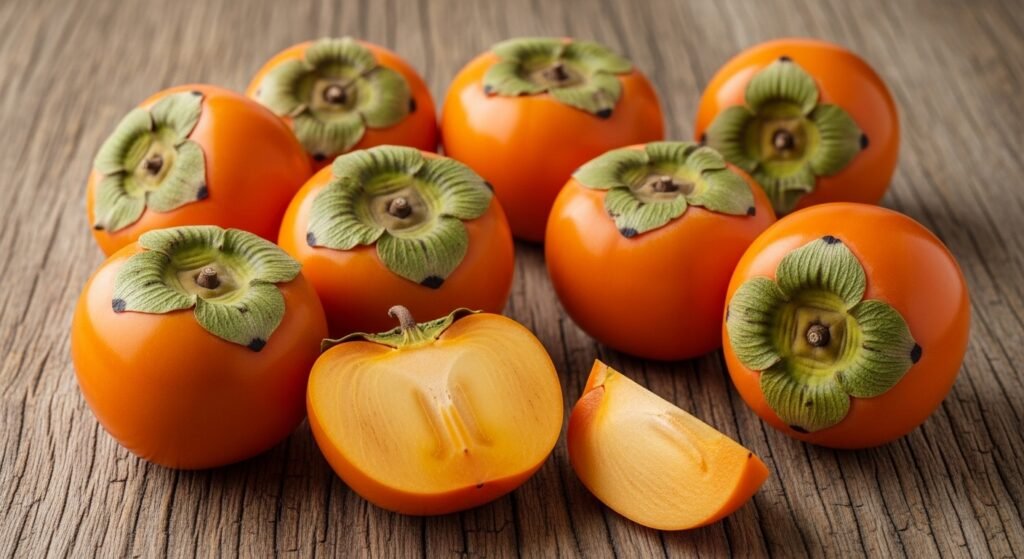
The Fuyu persimmon is a famous fruit that looks like a tomato. It has a squat, round shape and a bright orange color. From the side, it looks just like a firm beefsteak tomato. You can usually find these in grocery stores during the fall months. They are very popular in many cultures for their sweet taste.
- Visual identification involves looking at the top of the fruit.
- The calyx on a persimmon is a flat, leaf-like green cap.
- Skin texture is very smooth and waxy, much like a tomato.
- The interior is gently segmented but lacks the watery seed pockets of a tomato.
When you bite into a Fuyu persimmon, it feels crisp like an apple. It does not have the acidity or saltiness of a tomato. Instead, it tastes like honey and mild spices. This makes it a great snack or a sweet addition to a salad. It is a perfect example of a fruit that looks like a tomato but acts like a dessert.
Tamarillo (The Tree Tomato)

The tamarillo is often called the tree tomato for a good reason. It has an egg-like shape that looks exactly like a plum tomato. You can find them in colors like deep red, golden, or even amber. They grow on small trees rather than vines on the ground. This makes them stand out in a garden setting.
- The skin of a tamarillo is smooth and quite glossy.
- The inside contains a juicy center filled with small seeds.
- The seed structure looks almost identical to a sliced tomato.
- Color patterns can sometimes include faint dark stripes.
Tamarillos have a very complex flavor that mimics the “umami” of a tomato. They are tangy and sweet with a bit of a tart kick. You can use them in savory salsas or boil them with sugar for a treat. Their versatility makes them a favorite for chefs who want a tomato vibe with a tropical twist.
Exotic and Wild Tomato Lookalikes
Naranjilla (Lulo)

The naranjilla is a tropical fruit that looks like a tomato from a distance. It has a round shape and a bright orange exterior. People in South America call it “Lulo,” and it is very popular for making juice. It grows on a shrub that can have big, fuzzy leaves. This plant loves humid and cool mountain air.
- Exterior look is round and orange, similar to a small orange tomato.
- Inside the fruit you will find a soft green pulp.
- Seed clusters are arranged in a way that looks very tomato-like.
- The taste is a big surprise because it is very citrusy.
Even though it looks like a tomato, it tastes like a mix of lime and pineapple. It is very refreshing and bright. You wouldn’t want to use this in a pasta sauce! It is best enjoyed fresh or blended into a cold drink with a bit of sugar.
Litchi Tomato (Morelle de Balbis)

The litchi tomato is a wild fruit that looks like a tomato and a berry mixed together. It is a member of the nightshade family, so the family resemblance is strong. The fruits are the size of a cherry tomato and turn bright red when they are ready. They grow on a plant that is covered in very sharp thorns.
- Fruit shape is perfectly round and small like a cherry tomato.
- The husk is spiny and protects the fruit while it grows.
- Internal flesh is red and very juicy.
- Seed appearance is very similar to what you see in a standard tomato.
The taste is often described as a mix of cherry and tomato. It has a creamy texture that is very unique. Because of the thorns, harvesting them can be a bit of a challenge. Many gardeners grow them just because they look so cool and taste so interesting.
Kangaroo Apple

The kangaroo apple is a unique plant from Australia and New Zealand. It produces small, round fruits that change color as they ripen. They start out green and turn a bright orange or red. At this stage, they look exactly like grape or cherry tomatoes. The plant itself is a large shrub with deeply lobed leaves.
- Size and color closely mimic small tomato varieties.
- Ripening process moves from green to a tomato-red hue.
- Safety warning is critical because the fruit is toxic when green.
- Edibility is only possible when the fruit is fully ripe and soft.
You have to be very careful with this fruit that looks like a tomato. If you eat it too early, it can make you quite ill. Once it is ripe, it has a mild, sweet flavor. It is a great example of why you should always know your plants before foraging.
Ribbed and Textured Lookalikes
Pitanga (Surinam Cherry)

The pitanga is a beautiful fruit that looks like a tiny, fancy tomato. It is famous for having deep ridges or ribs along its sides. This makes it look like a miniature version of a “Mortgage Lifter” heirloom tomato. The skin is very glossy and turns a dark, deep red when it is fully ripe.
- Pronounced ribs give it a unique pumpkin or heirloom tomato shape.
- Glossy skin makes it shine in the sunlight.
- Size is usually about the same as a large cherry tomato.
- The flesh is thin and surrounds a large central seed.
The taste of a pitanga is very distinct and can be a bit polarizing. It has a sweet flavor but also a resinous, almost peppery aftertaste. Some people love it fresh, while others prefer it in jams. It is a stunning fruit to see growing on a hedge or tree.
Red Gooseberry

Red gooseberries are another fruit that looks like a tomato if you don’t look too closely. They are small, round, and have a reddish-purple skin. They often grow in clusters, which reminds people of cherry tomatoes on a vine. The skin is smooth, though some varieties might have tiny hairs.
- Growth habit in clusters mimics the look of tomato branches.
- Internal structure is soft and filled with tiny edible seeds.
- The flavor is very tart and tangy like a berry.
- Skin color can range from light pink to a deep tomato red.
When you cut one open, the seedy interior looks very similar to a tomato. However, the taste will tell you the truth right away. It is much more like a grape or a cranberry than a savory tomato. They are excellent for pies and tart desserts.
The Husk-Covered Lookalikes
Tomatillos (Mexican Husk Tomato)

Tomatillos are probably the most famous fruit that looks like a tomato. They are even called “husk tomatoes” in many places. They grow inside a papery shell that looks like a little lantern. Once you peel that shell off, you find a firm, green fruit that looks just like an unripe tomato.
- Appearance is round with smooth, slightly sticky green skin.
- Interior structure is solid and filled with tiny seeds.
- The flesh is much less watery than a standard tomato.
- Flavor profile is tart, bright, and slightly herbal.
Tomatillos are a staple in Mexican cooking, especially for salsa verde. They have a great crunch and a zesty flavor that stands up well to heat. While they look like green tomatoes, they don’t ripen into red, sweet fruits. They stay tart and firm even when they are ready to eat.
Ground Cherry (Cape Gooseberry)

Ground cherries are like the sweet cousin of the tomatillo. They also grow in a papery husk that falls to the ground when ripe. Inside the husk is a small, golden-orange fruit. This fruit looks exactly like a tiny orange cherry tomato. They are very fun to find and eat straight from the garden.
- Fruit shape is perfectly round and small.
- The husk protects the fruit from pests while it ripens.
- Internal flesh is juicy and looks very tomato-like when sliced.
- The taste is a wild mix of pineapple, tomato, and vanilla.
Many people love ground cherries because they are so sweet and easy to grow. They add a tropical flair to salads or fruit tarts. If you see a small orange fruit that looks like a tomato in a husk, it is likely a ground cherry. They are safe, delicious, and very easy to identify.
Ornamental and Toxic Lookalikes
Jerusalem Cherry

The Jerusalem cherry is a fruit that looks like a tomato but is very dangerous. It is often sold as a houseplant because it looks so pretty. It produces small, glossy red or orange fruits that look like perfect cherry tomatoes. However, this plant is not for eating! It is purely for decoration.
- Visual appeal comes from the bright, round fruits that stay on the plant.
- Toxicity is a major concern because it contains solanocapsine.
- Danger level is high for children and pets who might think it is food.
- Identification involves looking at the woody stems and smooth leaves.
You must never eat a Jerusalem cherry. It can cause severe stomach pain and other health issues. Unlike tomato plants, these have woody stems and do not have that “tomato smell” on the leaves. Always keep these plants out of reach of anyone who might try to taste the fruit.
Comparison Summary: How to Tell the Difference
Telling the difference between a real tomato and a fruit that looks like a tomato is an art. First, check the leaves and the stem. Tomato plants have fuzzy stems and a very strong, earthy smell when you touch them. Most lookalikes have smooth or waxy leaves that don’t smell like anything. This “scent test” is one of the fastest ways to know what you have.
Next, look at the inside of the fruit. Tomatoes have very clear “locules,” which are the chambers that hold the seeds and juice. Many lookalikes have a more solid interior or a single large seed in the middle. The thickness of the skin is also a big clue. Tomatoes have thin, delicate skin, while fruits like persimmons have a much tougher rind.
Finally, consider where and how the fruit is growing. Tomatoes grow on vines that usually need support. Many mimics grow on sturdy trees or woody shrubs. If the fruit is growing on a tree with thick branches, it is definitely not a standard tomato. Paying attention to these small details will keep you safe and help you enjoy new flavors.
Culinary and Practical Applications
You can actually use some of these fruits as tomato substitutes. Tamarillos work great in spicy sauces where you want a deep, savory flavor. Tomatillos are perfect for adding acidity to a dish without making it too watery. If you want a sweet twist, try using ground cherries in a salsa with lime and cilantro. It creates a amazing flavor balance that guests will love.
Gardening enthusiasts often grow these mimics alongside tomatoes for a diverse harvest. Since many are in the same family, they have similar needs for sun and water. Just be sure to label everything clearly so you don’t get confused during harvest. Knowing which fruit that looks like a tomato is edible and which is not is the key to a successful garden.
When harvesting, remember that color isn’t everything. A tomato is usually ready when it turns red, but a kangaroo apple must be very soft before it is safe. Always do your research on the specific plant you are growing. With this guide, you are now an expert on spotting the world’s most interesting tomato lookalikes.
| Fruit Name | Color | Primary Difference | Edible? |
| Persimmon | Orange | Large leaf-like cap on top | Yes |
| Tamarillo | Red/Gold | Egg shape and tough skin | Yes |
| Tomatillo | Green | Grows inside a papery husk | Yes |
| Jerusalem Cherry | Red/Orange | Woody stem; highly toxic | No |
| Naranjilla | Orange | Green pulp inside | Yes |
Frequently Asked Questions About Tomato Lookalikes
Can you grow a fruit that looks like a tomato in a small indoor pot?
Yes, you can grow several lookalikes indoors. The Jerusalem Cherry is a popular houseplant because it stays small. Ground cherries also do well in containers. Just make sure they get plenty of sunlight from a window.
Are there any blue or purple fruits that look like a tomato?
Some varieties of Garden Huckleberries look like small purple tomatoes. They belong to the same nightshade family. They are dark and shiny when they are ready. Never eat them while they are still green or firm.
What is the best fruit that looks like a tomato for making jam?
The Pitanga or Surinam Cherry is a top choice for jam. Its natural tartness helps it set well with sugar. Red gooseberries are also famous for making excellent jellies. They provide a beautiful color and a thick texture.
Do animals get confused by a fruit that looks like a tomato?
Animals often eat these fruits because of the bright colors. Birds are especially attracted to red and orange fruits. Some toxic fruits have evolved to look like tomatoes to spread their seeds. Always watch your pets around ornamental plants like the Jerusalem Cherry.
How do I store a fruit that looks like a tomato to keep it fresh?
Most of these fruits should stay at room temperature until they are ripe. Once they get soft, you can move them to the fridge. Husk fruits like tomatillos stay fresh longer if you leave the husks on. This protects the skin from drying out.
Is the Gopher Apple a fruit that looks like a tomato?
The Gopher Apple is a ground-creeping plant found in sandy soils. Its fruit is oblong and can look like a small roma tomato. It starts out white or pink and turns red. It is an important food source for wildlife in the wild.
Are there any tropical vines with a fruit that looks like a tomato?
The Passion Fruit can sometimes look like a green or red tomato. When it is young, the round shape and smooth skin are very similar. As it ripes, the skin usually becomes wrinkled and tough. This is a big hint that it is not a tomato.
What fruit that looks like a tomato is used in traditional medicine?
The Naranjilla has been used in folk medicine for its high vitamin content. People believe it helps with digestion because of its acidity. Many nightshades are studied for their chemical properties. Always talk to a doctor before using plants for health.
Can you fry a fruit that looks like a tomato like a green tomato?
You can fry slices of firm Persimmons or Tomatillos. They hold their shape well when breaded and cooked in oil. Tomatillos will be tart, while Persimmons will be sweet. It is a fun way to experiment with new flavors in the kitchen.
Is the Balsam Apple considered a fruit that looks like a tomato?
When the Balsam Apple is closed, it looks like a bumpy orange tomato. When it pops open, it reveals bright red seeds. This plant is beautiful but can be very toxic if eaten. It is often seen growing on fences in warm climates.
Which fruit that looks like a tomato grows the fastest from seed?
Ground cherries are very fast growers. You can usually see fruit within seventy days of planting. They are great for kids because they produce a lot of fruit quickly. They basically grow like weeds if you let them.
Are there any wild berries in the woods that look like a tomato?
The Horse Nettle produces yellow berries that look like tiny tomatoes. You should never eat these because they are very poisonous. They grow on thorny weeds in fields and pastures. They are a dangerous mimic for hikers to watch out for.
Why do some people call the Tamarillo a “Poor Man’s Tomato”?
In some regions, the Tamarillo was cheaper and easier to grow than tomatoes. It provided the same savory nutrients during off-seasons. Today, it is considered a gourmet item in many parts of the world. It has moved from a basic food to a specialty fruit.
Can you use the seeds from a fruit that looks like a tomato to grow a new plant?
Yes, you can save the seeds from most of these fruits. Clean the pulp off the seeds and let them dry on a paper towel. Plant them in the spring when the soil is warm. Most nightshades are very easy to start from seed at home.
Does the Buffalo Burr have a fruit that looks like a tomato?
The Buffalo Burr produces a berry that is hidden inside a very prickly husk. If you remove the thorns, the berry inside looks like a small green tomato. The thorns are a defense to keep animals from eating it. It is considered a pesky weed in most gardens.
Is there a desert fruit that looks like a tomato?
The Desert Thorn Apple or Wolfberry can look like a tiny tomato. These plants are very tough and live in dry, sandy areas. The fruits are small, red, and juicy. They are a vital part of the desert ecosystem for birds and insects.
What is the most expensive fruit that looks like a tomato?
High-quality Fuyu Persimmons can be quite pricey during the off-season. Some rare varieties of Tamarillos are also expensive to ship. Specialty markets often charge more for these exotic lookalikes. They are seen as luxury items because of their unique looks.
Can I graft a tomato plant onto a fruit that looks like a tomato?
Since many are in the same family, grafting is sometimes possible. Scientists often graft tomatoes onto hardier rootstocks like the Turkey Berry. This helps the plant resist diseases in the soil. It is a cool trick used in professional farming.
Does the Eggplant ever produce a fruit that looks like a tomato?
Certain varieties of ornamental eggplants, like the “Pumpkin on a Stick,” look like ribbed tomatoes. They turn bright orange and look amazing in fall decorations. While they are related to the edible eggplant, these are mostly for show.
Are there any water-growing fruits that look like a tomato?
There are no common water plants that produce a tomato-like fruit. Most tomato lookalikes prefer well-drained soil and lots of sun. If you see something red in the water, it is likely a type of aquatic berry or seed pod. Always be extra careful with unknown water plants.