Skip to content

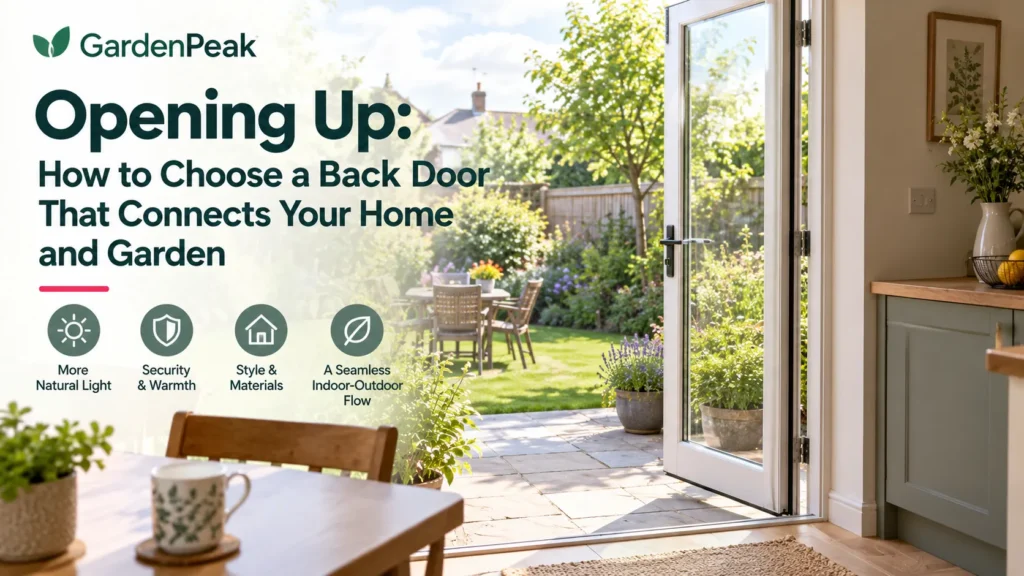
There is a moment every spring when the back door stops being just a way to put the bins out and becomes the most-used door in the house. Muddy boots come in, cups of tea go out, and the line between kitchen and garden gets wonderfully blurry. If your current back door is dark, draughty or awkwardly placed, replacing it can change how you use both spaces.
Here is a practical guide to choosing an external patio or back door that genuinely connects house and garden, without losing sight of warmth, security and everyday practicality.
Start with how you actually use the garden
Before you look at styles, think about traffic. Ask yourself a few honest questions:
- Do you mostly step out to hang washing or reach the bins, or do you entertain outside on summer evenings?
- Is the garden a view you enjoy from the kitchen table, even in winter?
- Do children or pets run in and out all day?
A single, sturdy back door may be perfect for a utility room that opens onto a side path. A kitchen-diner that looks onto a lawn might be better served by a pair of doors or a wider glazed opening.
Let the light in
For most people, the biggest improvement a new back door can make is more daylight. A solid door in a north-facing kitchen can leave the room gloomy even at midday, while a door with generous glass panels lets you see the garden, the weather and the birds on the feeder without stepping outside.
Glazing comes in many forms: a single large pane, several smaller lights in a traditional cottage pattern, or a half-glazed design that keeps some privacy at the bottom. If you want to browse the options, it can help to look through a range of glazed external doors to see how different glass layouts change the character of a door.
A few points to weigh up:
- Privacy: if neighbours overlook your garden, obscured or patterned glass can let light in while blurring the view.
- Safety: glass in doors should be safety glass. Check what any door you are considering uses.
Single doors, pairs and patio-style openings
Single back doors are simple, affordable to fit and suit most standard openings. A half-glazed or fully glazed single door can still transform a room.
French doors, a pair of doors that open outward or inward from the middle, give a wider opening and a classic look. They work beautifully onto a terrace, and when both leaves are open the room feels part of the garden.
Wider patio-style openings maximize the view but usually involve more building work, as they may need a larger structural opening and a new lintel. If you are considering widening an opening, speak to a builder or structural engineer first and check whether you need approval under Building Regulations.
Stable doors, split horizontally, are a lovely option for cottage gardens.
Material and finish
Timber remains a favourite for garden-facing doors because it suits planting, brick and stone so naturally. Oak and other hardwoods have a warm, mellow look, while painted softwood can be finished in any colour you like, from heritage greens that echo the planting to crisp white or bold black.
Composite doors are another popular choice for back entrances, combining a solid core with a tough outer skin. Whichever material you choose, think about maintenance. Timber exposed to rain and sun will need finishing and periodic re-treating, so factor that into your plans, especially on an exposed elevation.
Getting the size right
Older houses are full of surprises, and back doors are rarely the neat standard size you hope for. Measure the opening carefully at several points, top, middle and bottom for width and both sides for height, and note the smallest figures. If your opening is far from standard, a made-to-measure door can save a lot of trimming, packing and frustration on fitting day.
Thresholds and the step outside
The threshold is where house meets garden, quite literally, so give it some thought:
- Level access: a low threshold is easier for buggies, wheelchairs and anyone carrying trays, but it needs good drainage outside so rainwater does not pool at the door.
- Drainage and weather bars: a well-designed sill and weather seal keep driving rain out. This matters even more on exposed, windy sites.
- Matching levels: if you are laying a new patio, plan its height and fall with the door in mind. Patio surfaces should generally sit below the internal floor level and slope away from the house.
Keep it secure and warm
A back door is often out of sight of the street, which makes security important. Look for sturdy construction, a good-quality multi-point or mortice lock and solid hinges.
Warmth matters too. A garden door that leaks heat or whistles in the wind will put you off opening it at all. Good seals, a properly fitted frame and suitable glazing all help, and it is worth checking draught strips once a year as they wear over time.
Final thoughts
The best back door is the one that suits the way you live: enough light to enjoy the garden from indoors, a sensible width for your daily traffic, materials that sit happily with your house and planting, and solid security and weatherproofing. Take your time, measure carefully and get professional advice if you are changing the size of the opening. Do that, and the door between house and garden becomes one you will happily open every day of the year.
About the author: Lila Parker is part of the DoorsDelivered.com team, a UK online retailer of internal, external, fire and glazed doors delivered nationwide. She writes about practical ways to make homes brighter, warmer and easier to live in.