Skip to content
Perennials are the true MVPs of the home garden because they live for more than two years and regrow every single spring. Unlike annuals that die after one season, these plants use the same root system to sprout new life as soon as the weather gets warm.
Because they return year after year, perennials are a cost-effective way to give your yard a steady structure and a splash of color. They are the perfect foundation for any low-maintenance garden since you don’t have to buy and replant them every time the sun comes out.
Understanding the Meaning of Perennials
The term perennial comes from Latin roots that basically mean through the years. In the gardening world, this means a plant that survives for a long time. Most people love them because they don’t need a total reset every spring. They are like that one friend who always shows up to the party. Once they settle in, they become a permanent part of your outdoor space. Understanding the meaning of perennial flowers helps you plan a yard that grows with you.
The Perennial Life Cycle
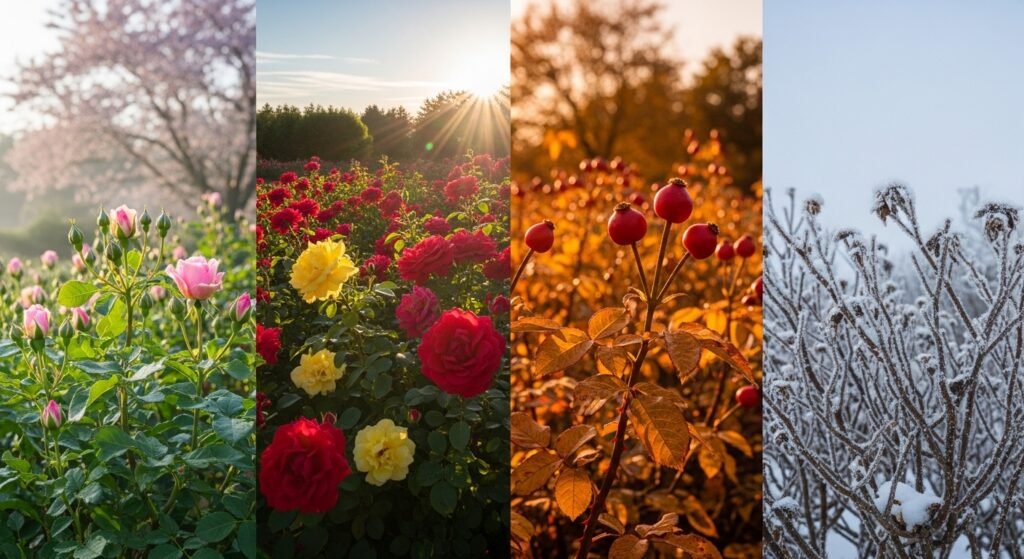
Perennials have a very cool way of dealing with the changing seasons. They spend the warm months growing tall and showing off beautiful flowers. When winter hits, many of them take a long nap underground. Their roots stay alive even when the top part of the plant looks dead. This dormant phase is how they survive the freezing cold and ice. As soon as the soil warms up, they wake up and start growing. This cycle repeats for many years without you needing to do much. It is nature’s way of giving you a break while keeping things pretty.
Investment Value
Buying perennials is like putting money into a high-interest savings account for your yard. You pay for the plant once, and it pays you back every year. Annuals might be cheap at first, but the cost adds up quickly. Perennials often grow larger and fill more space as they get older. Some varieties even produce babies that you can move to other spots. This means you get more plants for free just by being patient. They are the best choice for anyone looking to garden on a budget.
The Distinction Between Herbaceous and Woody Perennials
Not all perennials look or act the same way during the winter months. Herbaceous perennials have soft green stems that usually die back to the ground. They disappear completely in the winter and leave a blank space behind. Woody perennials have hard stems like shrubs or small trees that stay up. These provide bones and structure for your garden even when it is snowing. Knowing which type you have helps you decide where to plant them. You want a mix of both to keep your yard looking good.
Perennials vs. Annuals vs. Biennials: The Key Differences
It is easy to get confused by all the different plant labels at the store. Understanding the perennial flowers meaning is just the first step in your journey. You also need to know about annuals and biennials to be a pro. Each group has a specific job to do in a healthy garden. Mixing them up is the secret to a yard that never looks boring. Here is the lowdown on how these three groups differ from each other.

The One-Season Wonder (Annuals)
Annuals are the sprinters of the plant world because they move very fast. They sprout from a seed, grow big, flower, and die in one season. Because they have a short life, they put all their energy into flowers. This often makes them much brighter and showier than most long-lived perennials. They are perfect for filling pots or gaps in your flower beds. You will have to pull them out and replant them every single year. Think of them as temporary decorations that bring a huge pop of color.
The Two-Year Journey (Biennials)
Biennials are the middle ground between a quick annual and a long-term perennial. They take two full years to finish their entire life cycle and die. In the first year, they only grow leaves and build a strong root. You won’t see any flowers until the second summer arrives in your yard. After they bloom and drop their seeds, the original plant is gone forever. Foxgloves are a famous example of this slow and steady growth habit. They require a bit of patience but the reward is usually worth it.
The Strategy of Self-Seeding
Sometimes a plant looks like a perennial but it is actually just tricky. Some annuals drop a ton of seeds on the ground before they die. These seeds survive the winter and sprout in the same spot next year. It looks like the same plant came back, but it is actually kids. Marigolds and California Poppies are very good at this self-seeding magic trick. It gives you the benefit of a perennial without the actual long life. You just have to be careful not to weed out the babies.
Categories and Classifications of Perennials
The world of perennials is huge and has many different sub-groups to learn. Knowing these categories helps you pick the right plant for your specific climate. Some love the cold while others will melt if it gets too chilly. You need to check the tag for the perennial flowers’ meaning and type. This ensures you don’t waste money on something that won’t survive your winter.
Deciduous Perennials
- Dying Back: These plants lose all their leaves and stems when winter arrives.
- Dormancy: They survive by keeping all their energy in the roots underground.
- Clean Up: You usually have to cut the dead parts away in the spring.
- Regrowth: They pop back up as soon as the ground starts to thaw.
Evergreen Perennials
- Year-Round Color: These plants keep their green leaves even in the middle of winter.
- Garden Structure: They provide a nice shape to your yard when everything else dies.
- Low Pruning: You rarely have to cut these back to the ground like others.
- Winter Interest: They look great covered in a little bit of light snow.
Hardiness and Climate Sensitivity
Hardiness is a fancy word for how much cold a plant can take. Hardy perennials can stay outside in the freezing ground without any big problems. Tender perennials are a bit more sensitive and might die if it freezes. In cold areas, people often treat tender perennials like they are annual plants. You can also try to save them by bringing them inside for winter. Always check your local zone before you spend big bucks at the nursery. It is the best way to make sure your garden stays alive.
Planning Your Perennial Garden
A great garden starts with a solid plan before you ever dig a hole. You want to think about how the meaning of perennial flowers fits your style. A good design looks good in the spring and in the fall. You don’t want all your flowers blooming and dying at the same time. Mixing different heights and colors keeps the viewer’s eyes moving around the space. It takes a little bit of work but the results are totally awesome.
Creating Garden Structure
- Borders: Use perennials to line your walkways or the edges of your grass.
- Anchors: Pick large, bushy perennials to act as the main focus of a bed.
- Paths: Plant low growers along trails so they don’t block your walking path.
- Focal Points: Use bright colors to draw attention to a specific area or gate.
Color Sequencing
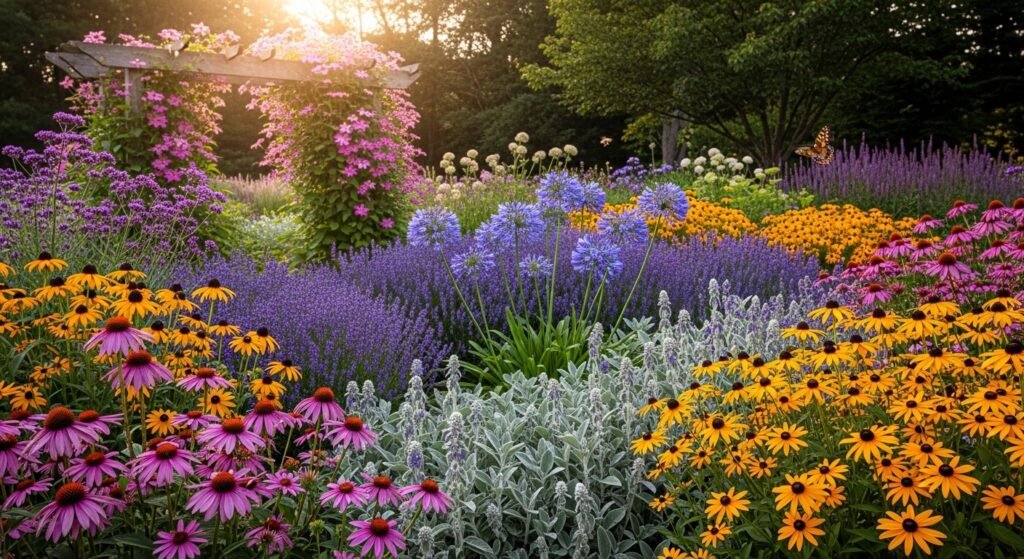
You want your garden to be a show that never ends for the season. Pick some plants that bloom early, like Hellebores, to start the spring right. Then add mid-summer stars like Echinacea to keep the energy high and bright. Finish the year with Rudbeckia to bring in those warm and cozy fall vibes. This keeps your yard vibrant and full of life for many months. It also ensures the local bees have food to eat all year long. Proper timing is the secret to a professional-looking flower bed or yard.
20 Easy-to-Grow Perennial Flowers for Every Garden
If you are new to this, you want plants that are hard to kill. These twenty options are famous for being tough and very beautiful to see. They cover a wide range of styles, from messy cottages to neat borders. Each one brings something special to the table for your home garden. Let’s dive into some of the best perennials you can buy right now.
Varieties for Full Sun and Pollinators

- Echinacea: These are super hardy and have a cool raised cone in the center.
- Agapanthus: They look like fireworks exploding on top of very tall and green stems.
- Achillea: This one is a favorite for hoverflies and comes in many soft colors.
- Rudbeckia: These gold and red flowers look great in a vase inside your house.
- Verbena bonariensis: A very tall plant with tiny purple flowers that bees love.
- Lavender: It smells amazing and creates a nice hedge that keeps its shape well.
- Salvia: These have minty-smelling leaves and bright spikes of pink or purple flowers.
Architectural and Textured Varieties

- Sanguisorba: These look like little red bobbles floating in a wildflower meadow or field.
- Stachys: Often called Lamb’s Ear because the leaves are fuzzy and soft to touch.
- Eryngium: These look like blue thistles and can grow in very dry or poor soil.
- Alliums: These are purple globes that sit on top of straight, tall green stems.
- Lupins: They have beautiful fanned leaves and huge spikes of colorful, dense flowers.
Climbing and Dramatic Blooms

- Dahlias: These come in almost every color and have very complex petal shapes.
- Clematis: A climbing vine that will cover your fence in a blanket of flowers.
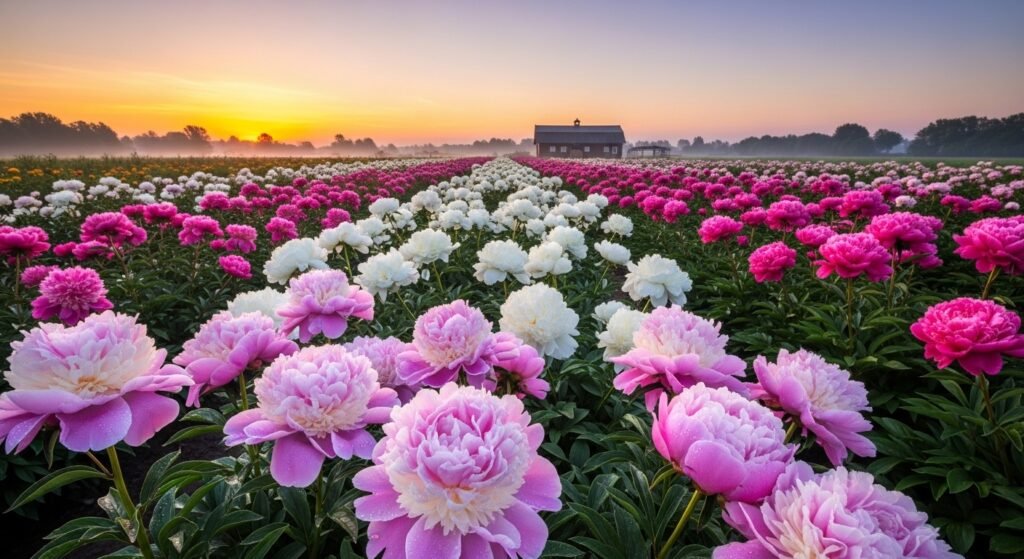
- Peonies: Huge, fragrant blooms that make your garden feel like a fancy estate.
- Hydrangea: These big shrubs can change color depending on what is in your soil.
Options for Shade and Ground Cover

- Erigeron: A low plant that looks like a carpet of tiny pink and white daisies.
- Astrantia: These have unique, delicate flowers that look like tiny pincushions in the shade.
- Hardy Fuchsia: These have hanging flowers that look like little bells or dancing dolls.
- Hellebores: One of the few plants that flowers in the middle of the winter.
Essential Care and Maintenance for Perennials
Even though they are easy, they still need a little bit of love. Proper care makes the perennial flowers come to life in your yard. You don’t have to spend every weekend working, but you should check in. A little maintenance goes a long way in keeping your plants very healthy. Here are the basics you need to know to keep things thriving.

Pruning and Cutting Back
- Spring Clean: Remove the dead brown stems from last year to help new growth.
- Deadheading: Cut off flowers that have wilted to help the plant make more blooms.
- Fall Prep: Some people like to cut things down before the first big snow hits.
- Air Flow: Thinning out thick plants helps prevent bugs and mold from moving in.
Soil Health and Feeding
Perennials stay in the same spot for a long time, so they eat a lot. You need to give them fresh food once in a while to keep them strong. Adding a layer of compost or fertilizer in the spring is a great idea. It gives them the energy they need to grow tall and make bright flowers. If your soil is too sandy or like clay, you might need to fix it. Healthy soil is the foundation for a garden that survives for many decades.
Long-Term Management

After a few years, some perennials might get too big for their own good. You might notice that the middle of the plant starts to look empty or dead. This is a sign that it is time to divide your plants and move them. You can dig them up and split the roots into two or three pieces. Then you can plant the new pieces in different parts of your yard. It is like getting free plants just for being a good gardener. It also helps the original plant stay young and full of energy.
Division of Perennials
- Timing: The best time to split plants is usually early spring or late autumn.
- Tools: Use a sharp spade or a garden fork to lift the heavy root ball.
- Process: Gently pull the roots apart or cut them with a clean garden knife.
- Replanting: Put the new pieces in the ground right away so they don’t dry out.
Summary of the Perennial Garden Philosophy
Choosing perennials is about playing the long game with your outdoor space. It is about watching your garden grow and change as the years go by. You get to enjoy the beauty without the stress of constant replanting every season. By understanding the meaning of perennial flowers, you become a smarter and happier gardener. Start with a few easy varieties and watch your yard transform into a paradise. It is one of the most rewarding things you can do with your own two hands.
| Name of Variety | Visual Look & Appearance | Key Features & Benefits | Ideal Growing Conditions |
| Echinacea | Striking petals with a prominent, raised spiky cone center. | Attracts pollinators; very hardy; great for summer color. | Full sun; well-drained soil. |
| Agapanthus | Tall stems topped with firework-like clusters of blue or white. | Adds elegant height; provides great architectural structure. | Full sun; sheltered spot. |
| Sanguisorba | Delicate, bobble-like flower heads on thin, wiry stems. | Adds airy texture; perfect for naturalistic or meadow styles. | Full sun to partial shade. |
| Achillea | Flat-topped clusters of tiny flowers in pastel or vibrant hues. | Highly attractive to hoverflies; drought-tolerant once set. | Full sun; well-drained soil. |
| Rudbeckia | Robust daisy-like blooms in rich gold and deep red tones. | Long-lasting autumnal color; excellent for cut flowers. | Full sun; moist but well-drained. |
| Verbena bonariensis | Extremely tall, slender stems with tiny clusters of purple flowers. | See-through quality; adds height without blocking views. | Full sun; well-drained soil. |
| Stachys | Thick, silver-grey leaves with a soft, velvet-like “fuzzy” texture. | Excellent ground cover; tactile foliage; drought resistant. | Full sun; poor to average soil. |
| Eryngium | Spiky, thistle-like flowers in metallic blue or silver shades. | Unique architectural look; very tough and hardy. | Full sun; dry, sandy soil. |
| Dahlias | Complex blooms ranging from tiny pompoms to huge plates. | Massive color variety; blooms late into the autumn season. | Full sun; rich, fertile soil. |
| Lupins | Tall, dense spikes of pea-like flowers with fanned leaves. | Classic cottage garden look; fixes nitrogen in the soil. | Full sun; acidic to neutral soil. |
| Alliums | Perfect purple or white spheres sitting on straight green stems. | Structural late-spring interest; deer and rabbit resistant. | Full sun; well-drained soil. |
| Lavender | Shrubby mounds of grey-green foliage with fragrant purple spikes. | Iconic scent; attracts bees; works well for low hedges. | Full sun; gritty, dry soil. |
| Clematis | Vigorous climbing vine with flat or bell-shaped flowers. | Perfect for vertical interest on fences, walls, or arches. | Sun (heads) and Shade (roots). |
| Peonies | Huge, lush, and fragrant bowl-shaped blossoms. | Very long-lived; adds high-end drama to spring gardens. | Full sun; heavy, moist soil. |
| Salvia | Spikes of vibrant pink, blue, or purple with scented leaves. | Fast-growing; blooms for a long time; wildlife friendly. | Full sun; well-drained soil. |
| Erigeron | Low-growing carpet of tiny white and pink daisy flowers. | Great for filling cracks in walls or rockery ground cover. | Full sun; any well-drained spot. |
| Hydrangea | Large, fluffy shrub with massive mophead or lacecap blooms. | Blooms change color with soil pH; provides winter interest. | Partial shade; moist soil. |
| Astrantia | Pincushion-like flowers surrounded by star-shaped bracts. | Loves damp spots; very intricate and delicate looking. | Partial shade; moist soil. |
| Hardy Fuchsia | Graceful, drooping bell-shaped flowers in pink and purple. | Reliable color for shady spots; adds elegant movement. | Partial shade; sheltered spot. |
| Hellebores | Cup-shaped nodding flowers in shades of green, white, or plum. | Flowers in winter and early spring; very shade tolerant. | Partial to full shade. |
Frequently Asked Questions
What is the best time of year to plant perennials?
The best time to plant most perennials is during the spring or fall. These seasons offer cooler temperatures and more rain. This helps the roots settle in before the heat of summer or the ice of winter. Planting in fall gives them a head start for the next year.
How do I know if a plant is hardy in my specific area?
You should check the USDA Plant Hardiness Zone Map to find your local zone. Most plant tags list a range of zones where the plant can survive. If your zone number is within that range, the plant is hardy for you. Always buy plants that match your specific local climate.
Why are my perennial leaves turning yellow in the summer?
Yellow leaves often mean the plant is getting too much or too little water. It can also be a sign of a nutrient deficiency in the soil. Check the moisture level by sticking your finger an inch into the dirt. If it feels soaking wet, let it dry out before watering again.
Can I grow perennials from seeds or should I buy young plants?
You can grow them from seeds, but it takes a lot more time and effort. Many perennials grown from seed won’t flower until their second or third year of life. Buying young plants from a nursery gives you instant results and a stronger start. It is the easier path for most home gardeners.
What does it mean when a perennial is labeled as invasive?
An invasive perennial is one that spreads way too fast and crowds out other plants. These plants can take over your entire garden and even harm the local environment. It is best to avoid these or plant them in buried containers to stop the roots. Always research a plant’s growth habit before putting it in the ground.
How much sunlight do full sun perennials actually need?
Full sun usually means the plant needs at least six to eight hours of direct light. This light should ideally happen during the hottest part of the day. If they get less than that, they might grow leggy or produce fewer flowers. Observe your garden for a day to see where the shadows fall.
Do I need to fertilize my perennials every single month?
No, most perennials do not need monthly feeding like annuals do. One good feeding in the early spring is usually enough for the whole year. Over-fertilizing can actually cause too much leaf growth and very few flowers. It can also make the stems weak and floppy.
What are the best perennials for attracting hummingbirds?
Hummingbirds love bright, tubular flowers that hold a lot of nectar for them. Plants like Bee Balm, Cardinal Flower, and Salvia are absolute magnets for these birds. They are also attracted to the color red more than any other shade. Adding these will bring plenty of action to your backyard.
Can I move a perennial to a different spot in my garden?
Yes, you can move perennials if they aren’t happy in their current location. The best time to transplant them is when they are dormant in early spring. Make sure to dig up a large root ball to keep the plant stable. Water it heavily for a few weeks after the move to help it adjust.
How do I stop my tall perennials from falling over in the wind?
Tall plants like Delphiniums or Peonies often need a little extra support to stay upright. You can use bamboo stakes, metal cages, or plastic hoops to hold them up. It is best to put the supports in early so the plant grows into them. This keeps your garden looking neat even after a big storm.
Why is my perennial plant flowering less than it did last year?
This often happens when a plant becomes overcrowded and needs to be divided. It could also mean the plant is getting too much shade as nearby trees grow. Check the soil quality and see if it needs a boost of organic compost. Regular maintenance keeps the bloom count high and the plant happy.
What is the difference between a cultivar and a native perennial?
A native perennial is a species that has grown naturally in your region for thousands of years. A cultivar is a version that humans have bred for specific colors or sizes. Native plants are usually better for local bugs and require less water once established. Mixing both is a great way to have a beautiful and eco-friendly yard.
How do I protect my perennials from hungry deer and rabbits?
You can use physical fences or spray-on repellents that smell bad to animals. Choosing plants that are naturally resistant, like Lavender or Bleeding Hearts, is even better. Deer usually avoid plants with strong scents or fuzzy, prickly leaves. It is easier to plant things they hate than to fight them off.
Is it okay to mulch right up against the stem of the plant?
You should always leave a small gap between the mulch and the base of the plant. Piling mulch against the stems can trap moisture and cause the plant to rot. Think of it like a donut shape with the plant sitting in the middle. This keeps the roots cool while letting the stems breathe.
What are the best low-maintenance perennials for dry soil?
Plants like Sedum, Coneflowers, and Russian Sage are excellent for dry, sunny spots. These plants have adapted to survive with very little water once they are established. They are perfect for parts of the yard that are hard to reach with a hose. They save you time and lower your water bill too.
How can I tell if a perennial is dead or just dormant?
You can do a scratch test on the stem or look at the roots near the surface. If you scratch a stem and see green underneath, the plant is still alive. If the roots are firm and not mushy, the plant is likely just sleeping for the winter. Be patient and wait for the warm spring sun to wake it up.
Can I cut perennial flowers to use in indoor arrangements?
Most perennials make fantastic cut flowers for your kitchen table or living room. Cutting the flowers can actually encourage the plant to grow more blooms later. Just make sure to use clean scissors and change the water in the vase every day. It brings the beauty of your garden inside your home.
Do all perennials need to be divided every few years?
Not all of them, but many clump-forming varieties will benefit from it every three to five years. Some plants, like Peonies or Hellebores, actually hate being moved or split up. They prefer to stay in the same spot for decades if possible. Always check the specific needs of each plant variety in your garden.
What should I do if my perennials get fungus or white spots?
White powdery spots are usually a sign of powdery mildew, which happens in humid weather. You can treat this by improving the air flow around the plant or using a neem oil spray. Avoid watering the leaves directly and try to water only the base of the plant. Keeping the foliage dry is the best way to prevent fungal issues.
Are there any perennials that bloom in the late fall or winter?
Yes, plants like Autumn Joy Sedum and Japanese Anemones bloom late in the season. Hellebores and Winter Jasmine can even show flowers while there is still snow on the ground. These are essential for keeping interest in your yard during the dark months. They provide a nice surprise when everything else is brown.