Skip to content
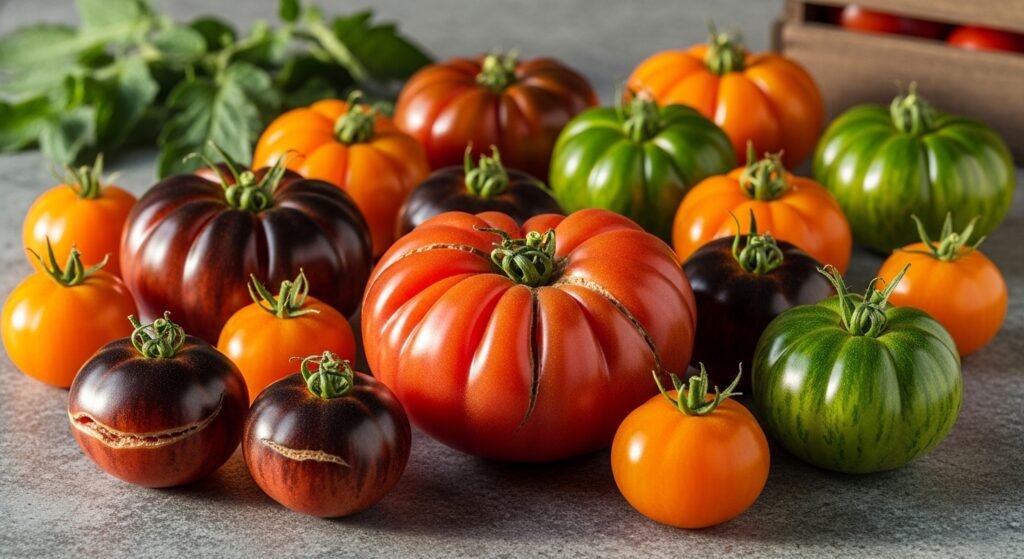
Growing your own food is a wild ride. You spend months pampering a plant only to find a lumpy fruit. Most folks see a weird fruit and think something went wrong. They are used to the perfect red globes at the grocery store. But that store-bought stuff is a total lie. An ugly tomato is usually the best thing you will ever eat. It is time to stop judging a fruit by its skin. Nature does not make perfect circles every single time. This guide will show you why ugly is actually better.
Introduction to the Beauty of Molto Brutto
In Italy they have a saying for these crazy looking fruits. They call it molto brutto which just means very ugly. But they say it with a huge smile. They know that a weird shape means big flavor. Grocery stores want everything to look exactly the same. This makes them easy to ship across the country. It does not make them taste good at all. A real ugly tomato has soul and character.
The Grocery Store Myth
Supermarkets love a tomato that looks like a plastic toy. They pick them when they are hard and green. Then they gas them to turn them red. This process kills the flavor before it even starts. A grocery store tomato is bred for thick skin. It needs to survive a bumpy truck ride. You end up eating something that tastes like water. The ugly tomato you grow at home is different.
Flavor vs. Aesthetics
The best tasting fruits are often the ones with lumps. When a tomato has a weird shape it is often an heirloom. These old varieties focus on sugar and acid balance. They do not care about looking like a perfect ball. Many people find that ugly tomatoes have more nutrients too. They grow in real soil under the hot sun. This helps them develop complex flavors you cannot buy.
The Diversity Gap
Did you know there are over 10,000 tomato types? That is a massive amount of variety for one plant. Yet big stores only sell 4 or 5 kinds. They choose the ones that are easy to grow. They ignore the thousands of colors and shapes out there. By choosing the ugly tomato you support biodiversity. You get to experience flavors that have existed for centuries.
The Philosophy of Homegrown
Growing an ugly tomato is a badge of honor. It shows you are working with nature and not against it. Nature is messy and unpredictable and very beautiful. A lumpy fruit is a sign of a healthy garden. It means you are not using crazy chemicals for looks. You are letting the plant do its own thing. Embrace the cracks and the weird bumps today.
Why Tomatoes Look Ugly: An Overview of Irregularities
Understanding your garden helps you relax as a grower. You might see a scar and panic at first. Most of the time it is just the plant reacting. It could be the weather or just its genes. Not every mark is a sign of a sick plant. In fact most marks are totally harmless to you. You just need to know what you are seeing.
Nature vs. Nurture
Some tomatoes are born to look a little bit strange. Heirlooms have genetics that make them lumpy or ribbed. Other times the environment causes the weird looks. A heat wave or a big rain can change things. If the plant is happy it will produce fruit. The shape is just a side effect of growth. Even a perfect plant can have an ugly tomato.
Safety First
You might wonder if an ugly tomato is safe. Most of the time the answer is a big yes. You just need to check for a few things. As long as the flesh is firm it is fine. If it smells bad or feels mushy then toss it. If there is mold growing in a crack be careful. You can usually just cut that small part off.
The Role of Biodiversity
Heirlooms are like the antique cars of the garden world. They have been passed down for many many generations. They have thin skins which makes them very fragile. This thin skin is also why they taste amazing. It allows the fruit to melt in your mouth. Commercial types have skin like a thick leather jacket. Protecting diversity means loving the ugly tomato as it is.
Cracking and Splitting: The Most Common Imperfection
Every gardener has seen a tomato split open overnight. It usually happens right when they look perfect. You go out in the morning and see a crack. It can be very frustrating to see your prize fruit break. But this is a very common issue with a simple cause. It does not mean you are a bad gardener. It just means the weather was a bit wild.
The Science of the Split
A tomato skin can only stretch so much at once. The fruit inside is mostly made of water. If the plant gets a ton of water it swells. The skin cannot keep up with the fast growth. This causes the skin to pop or pull apart. It is like trying to put a giant balloon in a small box. Eventually something has to give way and crack.
- Internal Pressure: This happens when the roots drink too fast. The cells inside the fruit expand like crazy.
- Environmental Triggers: A huge rainstorm after a dry week is the main cause. The plant goes from thirsty to drowning in minutes.
Identifying Types of Cracks
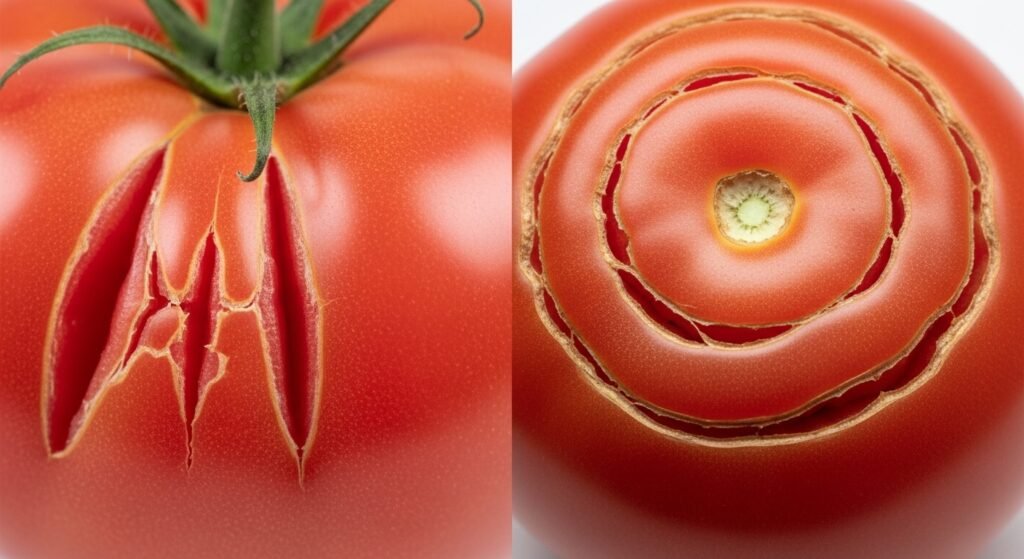
Not all cracks look the same on an ugly tomato. Some go up and down while others go around. Knowing the difference helps you understand the plant stress. Both types are caused by water but in different ways.
- Radial Cracking: These are the long splits from top to bottom. They are the most common type seen in gardens.
- Concentric Cracking: These look like circles or rings around the stem. They often happen when the fruit is almost ripe.
Management and Harvest Tips
You can still save a cracked ugly tomato easily. You just have to be fast about it. Once the skin is open the clock is ticking. Bacteria and bugs love an open door to the sugar.
- Priority Consumption: Eat any cracked fruit as soon as you pick it. Do not let it sit on the counter for days.
- Strategic Harvesting: Check the weather forecast for heavy rain. Pick your ripe tomatoes before the storm hits.
- Mitigation Strategies: Put a thick layer of mulch around your plants. This keeps the soil moisture levels very steady.
Fluting, Ribbing, and Lumpy Silhouettes
Some tomatoes are supposed to have huge deep ridges. These are often called ribbed or fluted tomatoes. They look like a bunch of small tomatoes stuck together. This is not a mistake or a disease at all. It is just how that specific variety is built. These are often the stars of the ugly tomato world.
Understanding Varietal Characteristics
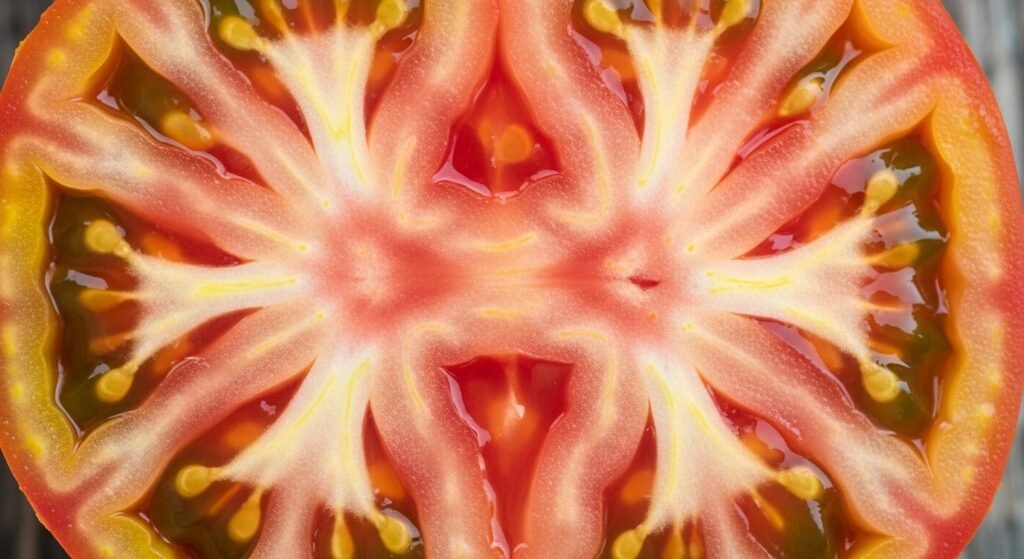
Ribbing is all about the structure of the fruit. The fruit develops in sections called locules. In some types these sections are very distinct. This creates a wavy or lumpy appearance on the outside. It gives the tomato a very rugged and rustic look.
- The Anatomy of Ribbing: The skin follows the shape of the seeds inside. This creates the lobes you see and feel.
- Correlation with Taste: Lumpy tomatoes usually have more meat and less juice. This makes their flavor very intense and concentrated.
Famous Lumpy Varieties
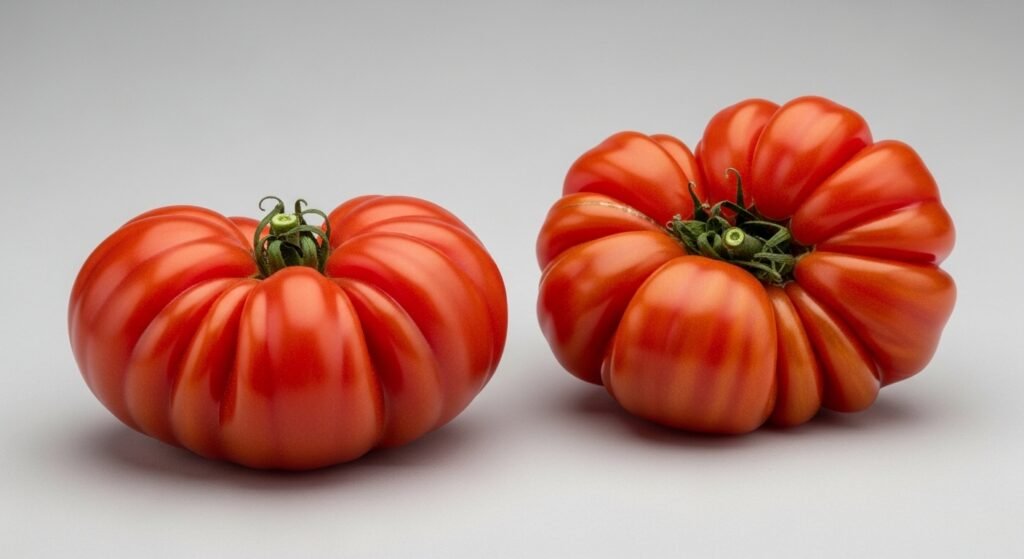
If you want to grow an ugly tomato start here. These varieties are famous for their strange shapes. They are favorites for chefs who want real flavor.
- The Costoluto Genovese: This is a famous Italian heirloom variety. It is very heavily ribbed and great for sauce.
- The Reisetomate: This is the weirdest looking tomato you can find. It looks like a cluster of grapes all fused together.
- Large Beefsteaks: These are the giants of the garden. Because they get so big they often become very lumpy.
The Mystery of Catfacing
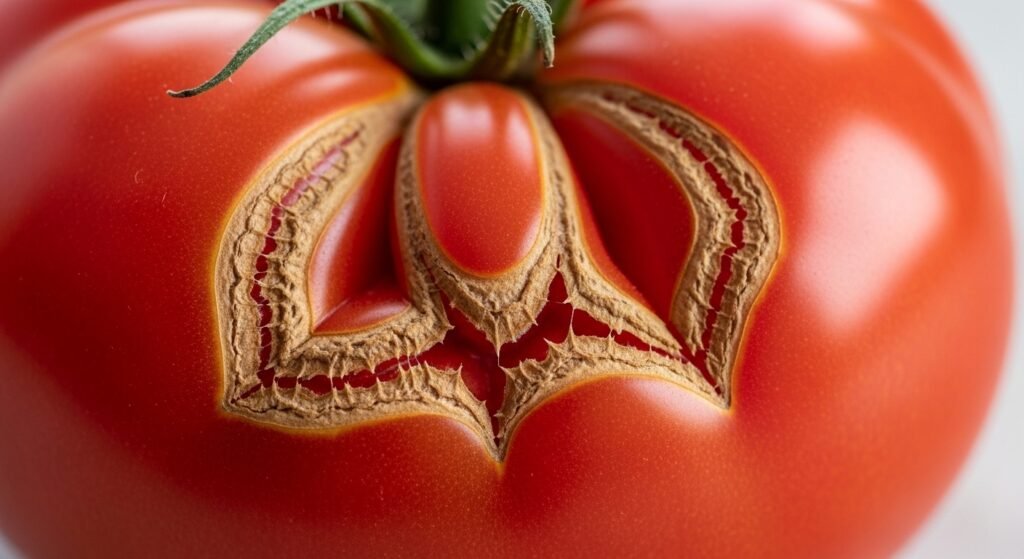
Cat-facing is a very weird name for a common scar. It does not actually involve cats at all. This refers to the puckered look of the fruit bottom. It looks like the tomato survived a tiny battle. While it looks scary it is purely on the surface.
Defining the Deformity
You will find catfacing on the blossom end of the fruit. That is the bottom side away from the stem. It looks like thick brown scars or deep holes. Sometimes the tomato looks like it is folded over. It can make an ugly tomato look very intimidating.
- Appearance: Look for leathery scars that feel quite hard. They are usually dark brown or tan in color.
- The Scarred Look: It happens when the flower is damaged during growth. The fruit grows around the damaged tissue.
Primary Causes of Catfacing
This issue starts way before the fruit is even red. It happens when the plant is just starting to flower. Small mistakes at the start lead to big scars later.
- Temperature Sensitivity: Cold nights can mess up the flower development. If it is below 15 degrees Celsius things get wonky.
- Physical Disturbance: Too much pruning can stress the plant out. Even some bugs can nibble the tiny baby fruits.
- Soil Chemistry: Having too much nitrogen can cause weird growth. It makes the plant focus on leaves instead of fruit.
Edibility and Prevention
Do not throw away a catfaced ugly tomato. It is still full of amazing flavor inside. You just need to do a little bit of prep.
- Salvaging the Fruit: Take a sharp knife and cut the scars away. The rest of the tomato is perfectly fine to eat.
- Timing Your Planting: Do not rush your plants into the garden. Wait for the soil and air to be nice and warm.
A Spectrum of Colors: Beyond the Standard Red
We are taught that a ripe tomato must be red. That is another myth from the grocery store world. Tomatoes come in every color of the rainbow. Some are green even when they are fully ripe. Others are so dark they look like they are black. This color variety is part of the ugly tomato charm.
Natural Pigmentation and Genetics
Colors are caused by different natural compounds in the fruit. These compounds are also very good for your health. They provide antioxidants that help your body stay strong.
- The Heirloom Palette: You can find tomatoes in yellow and orange. Some are even a deep chocolate brown or purple.
- Zebra and Striped Varieties: Some types have built-in stripes. They look like they were painted by an artist.
- Anthocyanins: These are the pigments that make tomatoes blue. They often look like a dark bruise on the skin.
Uneven Ripening and Discoloration
Sometimes an ugly tomato does not change color evenly. You might see spots of green or yellow on a red fruit. This can happen for many different reasons in the garden.
- Green Shoulders: The top of the fruit stays green and hard. This is often a trait of older heirloom varieties.
- Sunscald: This happens when the fruit gets a sunburn. It leaves a white and papery patch on the skin.
- Yellow Shoulders: This is often a sign of a nutrient problem. The plant might need more potassium to ripen correctly.
Blotchy Ripening and Internal Imperfections
Sometimes the outside looks okay but the inside is weird. Or you might see strange spots that look like clouds. These are common issues that every gardener faces eventually. They do not mean your ugly tomato is a total loss.
Identifying Quality Issues
You need to know when a spot is just a spot. Sometimes it is a sign of a pest in the garden. Other times it is just a weird way the fruit grew.
- Cloudy Spot: These are yellow patches that look a bit fuzzy. They are caused by stink bugs sucking on the fruit.
- Internal White Tissue: You might find hard white parts inside the fruit. This is usually caused by too much heat during ripening.
- Hollow Fruit: Sometimes a tomato is empty like a bell pepper. This happens when the weather is too hot for good pollination.
Culinary Uses for Imperfect Tomatoes
The best part of an ugly tomato is eating it. You do not need a perfect fruit to make a great meal. In fact most of the best dishes use the weird ones. Once you chop them up the shape does not matter. All that matters is that incredible homegrown taste.
- The Art of the Rustic Salad: Use lumpy tomatoes for a chunky salad. The different shapes make the plate look very cool.
- Sauces and Salsas: This is where the ugly tomato really shines. You are going to cook them down anyway so use the bruised ones.
- Juicing and Pureeing: If a tomato has a big crack just juice it. You get all the flavor with none of the visual issues.
Conclusion: Embracing the Imperfect Harvest

It is time to change how we look at our food. A perfect red circle is boring and often tasteless. An ugly tomato is a story of a long summer. It is a sign of real soil and real sunshine. Do not let a few cracks or bumps scare you away. These fruits are the true champions of the garden.
- Summary of Benefits: You get better flavor and more variety. You also get to eat food that is truly natural.
- A Shift in Perspective: Stop calling them ugly and start calling them authentic. They are exactly how nature intended them to be.
- The Gardeners Reward: There is nothing like the taste of a sun-warmed tomato. Even if it looks a bit molto brutto it is a win.
| Irregularity | Visual Appearance | Primary Cause | Is it Edible? |
| Radial Cracking | Vertical splits from the stem to the bottom. | Sudden intake of too much water. | Yes, eat immediately. |
| Concentric Cracking | Circular rings around the top of the fruit. | Fast growth during ripening stages. | Yes, cut around cracks. |
| Catfacing | Brown, leathery scars and deep holes at the bottom. | Cold weather during the flowering stage. | Yes, just trim the scar. |
| Fluting/Ribbing | Deep ridges and lumps along the sides. | Natural genetics of heirloom varieties. | Yes, usually very flavorful. |
| Sunscald | Pale, papery, or white patches on the skin. | Direct exposure to intense UV rays. | Yes, cut off the tough skin. |
| Green Shoulders | The top near the stem stays green and hard. | Genetics or high temperatures during ripening. | Yes, trim the hard part. |
| Blotchy Ripening | Yellow or orange patches that never turn red. | Nutrient deficiency or pest damage. | Yes, if the flesh is firm. |
Frequently Asked Questions About the Ugly Tomato
Growing and eating an ugly tomato often brings up a lot of questions. Even though we covered the main issues like cracks and scars, there is still so much to learn. This section dives deep into the extra details you might be wondering about. Here are the most common questions people ask when they find something weird in their garden.
Does an ugly tomato have more seeds than a smooth one?
Usually a lumpy or ribbed tomato will have more seed cavities inside. These are called locules and they give the fruit its shape. Because there are more sections, you often find a higher seed count. This makes them great for gardeners who want to save seeds for next year.
Can I save seeds from a cracked ugly tomato?
Yes you can absolutely save the seeds from a fruit that has split. Just make sure the inside of the fruit has not started to rot or mold. If the seeds look healthy and the fruit is ripe, they will grow just fine. It is a smart way to turn a damaged harvest into a future garden.
Why does my ugly tomato feel much heavier than a store tomato?
Homegrown tomatoes are often more dense because they have less water and more solids. Store-bought types are bred to be light and easy to ship. An ugly tomato grows slowly in the sun which builds up more sugar and fiber. That extra weight is a sign of a very high-quality fruit.
Do pests prefer to eat an ugly tomato over a perfect one?
Bugs do not really care about the shape of the fruit. However, they do love a tomato that is already cracked or split. An open wound on a fruit is like a front door for ants and fruit flies. This is why you should pick your lumpy or cracked fruits as soon as they ripen.
Is an ugly tomato better for making tomato paste?
Lumpy and ribbed varieties are the kings of the sauce world. They have less watery juice and more “meat” inside the walls of the fruit. This means you do not have to cook them down for nearly as long. You get a thicker and richer paste with much less effort.
Why do some ugly tomatoes have a fuzzy skin?
A few rare heirloom varieties actually have a soft and fuzzy skin like a peach. One famous example is called the Wapsipinicon Peach tomato. It is not a disease or a problem with the plant. It is just a cool genetic trait that makes the fruit feel very unique.
Can over-fertilizing cause an ugly tomato?
If you give your plants too much nitrogen, they might grow way too fast. This stress can lead to weird shapes or even a lack of fruit altogether. It is always better to use a balanced food that is made specifically for tomatoes. Slow and steady growth always leads to the best tasting harvest.
Does the soil type affect how an ugly tomato looks?
The texture of your soil plays a big role in how the roots drink water. Sandy soil dries out fast while clay soil stays wet for a long time. If the moisture levels jump up and down, you will see more cracks. Using good compost helps keep the moisture level just right for the plant.
Why do some ugly tomatoes smell stronger than others?
The smell comes from tiny oil glands on the stem and the skin of the fruit. Heirlooms often have more of these oils which gives them that classic “tomato” scent. A strong smell is usually a great hint that the tomato is going to taste amazing.
Will an ugly tomato ripen faster on the vine or on the counter?
Once a tomato starts to change color, it produces its own gas to finish the job. It will ripen at about the same speed whether it is on the plant or in your kitchen. If you have a cracked ugly tomato, it is safer to let it finish ripening on your counter.
Can I grow an ugly tomato in a pot?
You can grow almost any variety in a container if the pot is big enough. Just remember that pots dry out much faster than the ground. This can lead to more splitting if you are not careful with your watering can. Using a large pot helps keep things more stable for the plant.
Why does the bottom of my ugly tomato look black and rotten?
This is a common problem called Blossom End Rot. It is not actually rot, but a lack of calcium in the fruit. It usually happens when the watering is inconsistent. Even though it looks bad, the top half of the tomato is still safe to eat.
Are yellow and orange ugly tomatoes less acidic?
Many people think that lighter colors mean less acid, but that is a myth. Yellow tomatoes usually just have more sugar which masks the sour taste. They are a great choice if you find red tomatoes a bit too sharp for your tongue.
Does sun exposure make an ugly tomato sweeter?
The leaves of the plant need the sun to make sugar through photosynthesis. The fruit itself does not actually need direct sun to get sweet. In fact, too much direct sun on the fruit can cause a sunburn. Keep those leaves healthy to get the sweetest possible flavor.
Why are some ugly tomatoes hollow inside?
This is called “puffiness” and it happens when the seeds do not form correctly. This is usually caused by temperatures being too high or too low during pollination. They are still fine to eat, but they are much better for stuffing than for slicing.
Can I use an ugly tomato for canning?
You can use them, but you have to be extra careful. Never can a tomato that has deep cracks where mold might be hiding. Only use the firm and healthy parts of the fruit for your jars. This ensures your preserved food stays safe and delicious all winter long.
Do different colors of ugly tomatoes have different vitamins?
Yes, the color tells you what nutrients are inside. Red ones are high in lycopene which is good for your heart. Orange ones have lots of beta-carotene for your eyes. Eating a mix of colors is the best way to get all the health benefits.
Why do some ugly tomatoes have a hard white core?
A hard core is usually caused by heat stress or a lack of potassium. When it gets too hot, the fruit cannot ripen properly on the inside. You can just cut the hard core out and enjoy the rest of the soft fruit.
Is it okay to eat the skin of a scarred ugly tomato?
The scars from catfacing or wind damage are often very tough and leathery. While they are not poisonous, they do not taste very good and are hard to chew. It is always best to peel or cut away the scarred areas before you eat.
How long will a harvested ugly tomato stay fresh?
Because they have thinner skins, an ugly tomato will not last as long as a store-bought one. Expect them to stay fresh for about 3 to 5 days on your counter. Never put them in the fridge, as the cold air kills the flavor and makes the texture mealy.