Skip to content
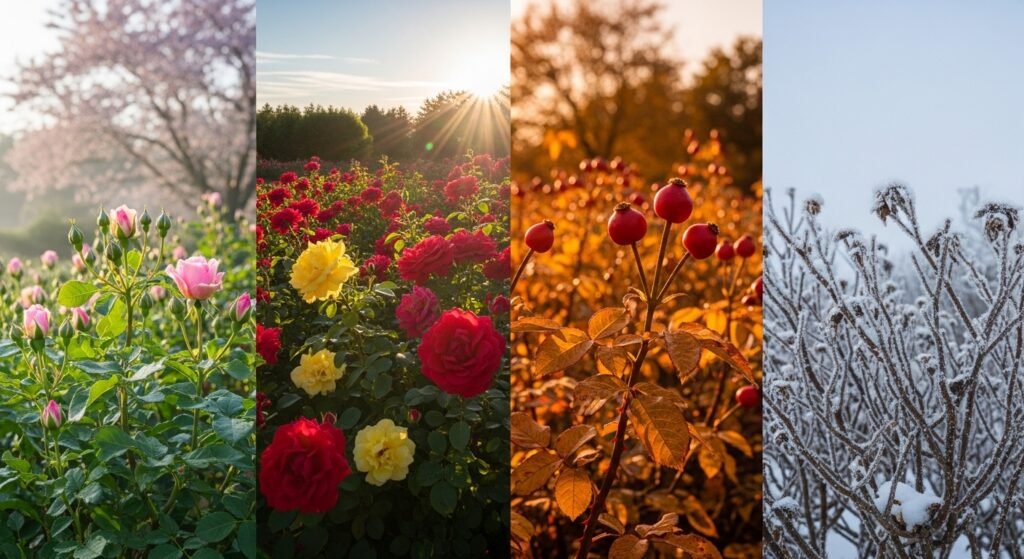
Roses are more than just pretty flowers in your yard. They are living things that change with the weather. To get those heaven-like blooms, you need to know their secrets. Their growth and health are tied to the seasons. Every type of rose needs specific care as the months go by. This guide will show you how to handle every change. You will learn expert tips to keep your garden thriving all year.
Understanding Seasonal Growth Cycles
You have to know how a rose acts before you can fix its problems. These plants follow a natural rhythm that never stops. Each season tells the plant exactly what to do with its energy. If you ignore these signs, your roses will struggle to survive. Let’s look at what happens to them throughout the year.
The Awakening in Spring
Spring is the time when roses finally wake up from their long nap. You will see new buds popping out on the stems. This is the start of the blooming cycle. The plant is full of life and ready to grow fast. It uses this time to build a strong base for the whole year.
The Peak in Summer
Summer is when your roses really start to show off. They put on a vibrant display of colors for everyone to see. However, this is also the hardest time for the plant. Heat waves and dry soil can cause a lot of stress. You have to be careful to keep them hydrated during this peak.
The Transition in Autumn
When fall arrives, the roses start to slow down their growth. They aren’t trying to make huge flowers anymore. Instead, they focus their energy inward to stay strong. The plant begins to harden its wood for the cold days ahead. It is a time of preparation and moving toward rest.
The Rest in Winter
Winter is the season of deep sleep for roses in cold spots. They enter a state called dormancy to save their energy. In warmer places, they might still grow a little bit. They aren’t dead, just resting up for the next spring. This rest is vital for their long-term health and survival.
Spring Care: Laying the Foundation for Growth
Spring is like an alarm clock for your garden beds. The seasonal characteristics of roses show that this is the most active time. You need to be ready to help them hit the ground running. A little work now means a big payoff later in the year. Focus on cleaning up and feeding the soil to get results.

Pruning for Success
- Removing Dead Wood. Look for canes that are black or shriveled from the winter cold. Cut these away until you see healthy white wood inside. This keeps the plant from wasting energy on dead parts.
- Thinning and Shaping. Cut out branches that cross over each other in the middle. This lets more sunlight and air get into the center of the bush. Good airflow stops diseases from starting on the leaves.
- Timing. You must do your pruning early in the spring season. If you wait too long, the plant will waste energy on growth you just cut off. This can lead to fewer flowers when blooming starts.
Soil Preparation and Testing
- pH Balance. Roses really like soil that is a little bit acidic. You should aim for a pH level between 6.0 and 6.5. A simple soil test kit from the store can help you check this.
- Aeration. Use a garden fork to gently poke holes in the dirt. This helps oxygen reach the roots after the winter compaction. It also makes it easier for water to soak in deep.
Fertilization and Nutrient Management
- The Nutrient Mix. Use a balanced fertilizer that has nitrogen, phosphorus, and potassium. Nitrogen makes the leaves green and strong. Phosphorus is the secret to getting a profusion of beautiful blooms.
- Organic Amendments. Mix in some fresh compost or aged manure around the base. This feeds the tiny bugs in the soil that help your roses. It also helps the ground stay moist when things get hot.
Watering Strategies
- Deep Hydration. Give your plants a very long drink once or twice every week. Don’t just spray the surface of the dirt. You want the water to go deep so the roots grow down. Deep roots help the plant survive during dry summer spells.
Summer Care: Managing the Peak Bloom
Summer is when your hard work finally starts to look amazing. But don’t get too comfortable just yet. The heat can be a real killer for even the toughest roses. The seasonal characteristics of roses in summer involve a lot of thirst. You need to be their best friend during these hot months.

Moisture Management and Mulching
- Organic Barriers. Spread a thick layer of wood chips or straw around the plant. This acts like a blanket to keep the soil nice and cool. It also stops weeds from stealing the rose’s water and food.
- Consistent Watering. Check the soil every single day when it gets really hot. Roses usually need about 2 inches of water every week in the summer. Try to water them early in the morning for best results.
- Avoiding Root Rot. Make sure your soil drains well so the roses aren’t sitting in puddles. Soggy roots can’t breathe and will eventually rot and die. If the ground feels like a sponge, you are watering too much.
Heat Protection and Stress Reduction
- Providing Shade. If the sun is scorching the petals, give them some cover. You can use garden umbrellas or special netting to block the worst rays. This keeps the flowers from fading or wilting too fast.
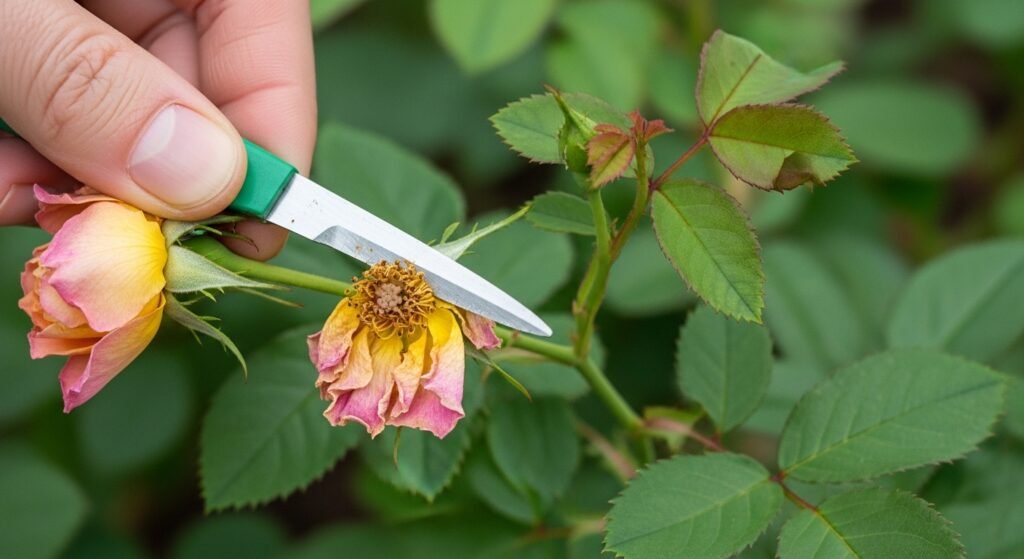
- Deadheading. Cut off the flowers as soon as they start to look ugly. This tells the plant to make new flowers instead of making seeds. It keeps the blooming cycle going all through the summer.
Summer Pest and Disease Vigilance
- Common Culprits. Watch out for tiny bugs like aphids and spider mites. Japanese beetles love to eat the leaves and the flower buds. You can usually spray them off with a strong blast of water.
- Fungal Issues. Look for black spots or white powder on the green leaves. These fungi love it when the air is humid and the leaves stay wet. Always water the ground, not the leaves, to keep them dry.
- Biological Controls. Try using ladybugs to eat the bad pests in your garden. You can also use neem oil as a safe way to kill bugs. These methods are much better for the environment than harsh chemicals.
Autumn Care: Preparing for the Chill
When the air gets crisp, your roses know that winter is coming. They start to change how they grow to stay safe. You need to follow their lead and change your care routine. The seasonal characteristics of roses in autumn are all about getting tough. It’s time to stop the growth and start the protection.

Winding Down Growth
- Halting Fertilization. Stop giving your roses any food in the late summer. You don’t want the plant to make soft new stems right now. Those tender bits will just freeze and die when the first frost hits.
- Hydration Until Frost. Keep watering your roses until the ground actually freezes. They need to be well-hydrated to survive the dry winter air. A thirsty rose is much more likely to die in the cold.
Sanitation and Disease Prevention
- Cleaning the Base. Rake up all the dead leaves that fall around the bush. These leaves can hide diseases that will come back next year. Keeping the ground clean is the best way to prevent future problems.
- Disease Disposal. If your leaves had spots or mildew, put them in the trash. Don’t put them in your compost pile because the heat might not kill the germs. You want those bad spores far away from your garden.
- Applying Winter Mulch. Once the ground is cold, pile up some extra mulch at the bottom. This insulates the most important part of the plant from the ice. It acts like a warm coat for the rose’s roots.
Winter Care: Dormancy and Protection
Winter is the time for your roses to get some much-needed sleep. Even though they look like sticks, they are still alive inside. Your job is to make sure they don’t get too cold or too dry. Care looks different depending on where you live.
Cold Climate Protection
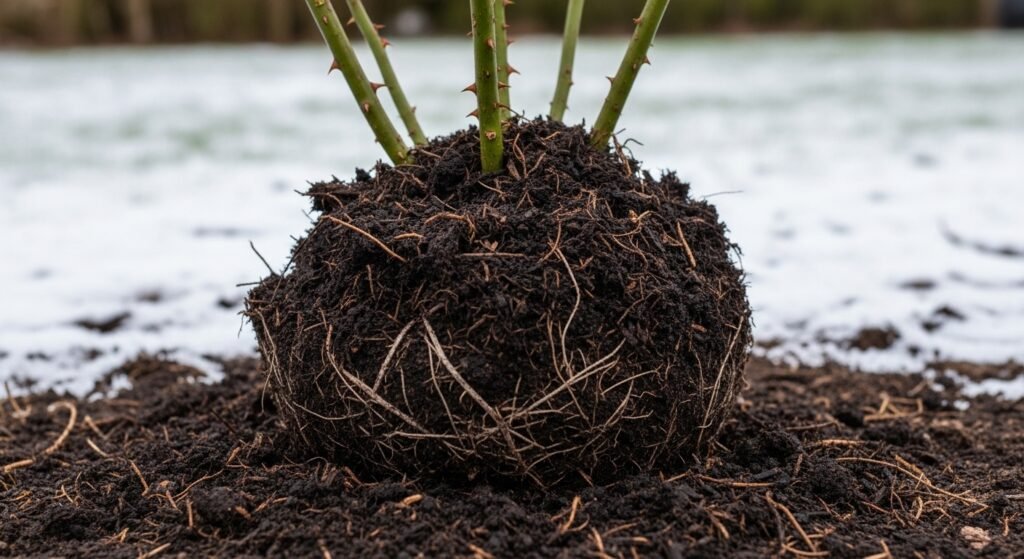
- Mounding. Build a mound of soil or mulch around the rose crown (the graft union). This protects the sensitive area where the stems meet the roots from freezing temperatures.
- Physical Barriers. Wrap your roses in burlap if the wind is very strong and cold. You can also use plastic rose cones to keep the snow off them. This stops the branches from drying out in the winter wind.
Warm Climate Maintenance
- Dormant Monitoring. If you live where it stays warm, your roses won’t sleep as deeply. You still need to water them a little bit so they don’t dry out. But don’t give them too much, or they might try to grow too soon.
- Pest Checks. Even in winter, some bugs like aphids can still be a problem in warm spots. Check the stems occasionally to make sure nothing is eating them. Catching them early makes them much easier to get rid of.
Tool Maintenance and Inventory
- Preparation. Use this quiet time to get your garden tools ready for spring. Sharpen your shears so they make clean cuts on the stems. Clean off any rust or dirt so they don’t spread diseases.
- Planning. Sit down with some tea and look at garden catalogs for new roses. Winter is the perfect time to plan where you want to add more color. You can order bare-root roses now to plant as soon as the ground thaws.
Seasonal Characteristics in Different Rose Varieties
Every rose is different, just like people. Some can handle the cold, while others need a lot of extra love. Knowing what kind of rose you have is a big part of expert care. Here is how some common types behave throughout the year.

High-Maintenance Favorites
- Hybrid Tea Roses. These are the ones you see in flower shops with huge, single blooms. They thrive in spring and summer but require the most vigilant pruning and care.
- Climbing Roses. These are vigorous growers that need summer training and structural support pruning.
Resilient and Low-Maintenance Types
- Shrub Roses. These are the workhorses of the garden; hardy, low-maintenance, and often bloom into late autumn.
- Miniature Roses. These tiny roses are great for pots. If it gets too cold, you can bring them inside to a sunny window to bloom intermittently.
- Winter-Hardy Varieties. Specifically bred for colder regions (like the Explorer series), these varieties require less winter protection and handle frost better.
Strategic Companion Planting by Season
You don’t have to grow roses all by themselves. Other plants can actually help your roses stay healthy and look better. This is called companion planting, and it’s a great trick for any gardener.

Spring and Summer Companions
- Lavender. This purple flower smells amazing and looks great with roses. It also helps keep aphids away because they hate the smell.
- Alliums. These plants act as a natural deterrent for many common garden pests due to their scent.
- Marigolds. These bright flowers help kill bad worms in the soil that can hurt rose roots.
- Salvias. These attract bees and butterflies while harmonizing with the upright growth of roses.
Autumn and Winter Companions
- Sedum. Drought-tolerant and provides late-season texture as the roses prepare for dormancy.
- Japanese Anemones. These provide late-season color without competing for the same nutrients as your roses.
- Evergreen Shrubs. Small bushes like boxwood stay green all winter long, providing structure when roses are bare.
- Winter Heather. This low plant keeps the landscape interesting during the coldest months with subtle foliage and blooms.
Advanced Seasonal Techniques for Maximum Blooms
If you want to be a real rose expert, you can try some fancy tricks. These methods help your roses produce more flowers than ever before. They take a little more effort but the results are worth it.
The Chelsea Chop for Roses
- Staggering Blooms. By cutting back some of the stems in late spring, you can stagger the bloom times. This results in a much longer display of flowers throughout the summer months.
Foliar Feeding in Summer
- Instant Energy. Spraying liquid seaweed or compost tea directly onto the leaves can provide an instant nutrient boost during the heavy flowering period.
Expert Insights and Common Pitfalls
Even the best gardeners make mistakes sometimes. Learning from experts can help you avoid these traps. The seasonal characteristics of roses are easy to manage if you know what to watch for.
Expert Pro Tips
- Spring Focus. Pruning is the single most important task to encourage robust new growth. Shape the plant now to ensure health later.
- Variety Selection. In cold climates, always choose varieties known for winter hardiness to reduce the amount of labor needed each winter.
Common Mistakes to Avoid
- Pruning Too Late. Cutting back after new growth has started wastes the plant’s energy and reduces the number of blooms.
- Overwatering in Dormancy. Excess water in winter leads to root rot, which is a silent killer for dormant plants.
- Skipping Insulation. In cold zones, neglecting to protect the graft union can lead to the entire plant dying back during a harsh frost.
- Watering Foliage. Watering from above in the evening promotes diseases like black spot and mildew; always aim for the base.
Summary of Seasonal Characteristics
Understanding the seasonal characteristics of roses is the key to a gorgeous garden. In spring, you wake them up with pruning and food. Summer is all about keeping them cool and hydrated through the heat. Autumn is for cleaning up and getting them ready for the cold. Finally, winter is for protecting them so they can rest. If you follow these steps, your roses will reward you with stunning blooms year after year.
FAQs About Seasonal Characteristics of Roses
How do humidity levels affect seasonal characteristics of roses?
High humidity during the summer months often leads to fungal issues like black spot or powdery mildew. In dry seasons, roses may lose moisture through their leaves faster than they can drink it. You should ensure good spacing between plants to allow air to move freely when it is muggy outside.
Can seasonal characteristics of roses change if I move them to a new spot?
Yes, a rose might act differently if it moves from a shady spot to a sunny one. The amount of light it gets changes how fast it grows and when it starts to bloom. Moving a rose in late autumn or early spring is best so it can adjust before the heat hits.
Do seasonal characteristics of roses include changes in petal count?
Some roses produce more petals during the cooler days of spring and autumn than they do in the heat of summer. High temperatures can cause flowers to open faster and with fewer petals. This is a natural reaction to heat stress as the plant tries to save energy.
How does late summer rain impact seasonal characteristics of roses?
Heavy rain in late summer can cause a sudden burst of soft, green growth. While this looks good, it can be dangerous if a frost comes early in the autumn. You should avoid pruning this new growth until the plant is fully dormant in late winter.
What are the seasonal characteristics of roses regarding fragrance strength?
Rose scents are usually strongest on warm, humid mornings when the oils in the petals evaporate slowly. In the extreme heat of mid-afternoon, the scent may seem to disappear entirely. Cool autumn mornings can also dampen the fragrance compared to a balmy June day.
Do wild roses have different seasonal characteristics than garden roses?
Wild roses often have a very short, intense blooming season in early summer and then stop completely. Unlike modern garden roses, they focus heavily on producing large red hips in the autumn. They are usually much tougher and can handle winter without any extra help from you.
How do seasonal characteristics of roses vary in high-altitude gardens?
At high altitudes, the growing season is much shorter and the sun is more intense. Roses may start blooming much later in the spring but have very bright colors due to the UV rays. You will need to provide extra winter protection because the ground freezes much deeper.
Are there specific seasonal characteristics of roses that indicate nutrient deficiency?
Yellow leaves in the spring usually mean the plant needs more nitrogen to start its growth. If the leaves turn purple in the autumn, it is often just a sign of the weather cooling down. Always check the soil before adding chemicals to make sure the plant actually needs food.
How does wind affect the seasonal characteristics of roses in winter?
Cold winter winds can suck the moisture right out of the green canes, causing them to turn brown and die. This is called “winter kill” and is a major reason for wrapping roses in burlap. Keeping the plant hydrated in late autumn helps it fight off this wind damage.
Do the seasonal characteristics of roses include changes in leaf color?
Many rose varieties have bronzy or reddish leaves when they first sprout in the spring. As the season goes on, these leaves turn a deep green to soak up more sun. In the autumn, some roses might turn yellow or orange before the leaves finally drop off.
Can I see seasonal characteristics of roses in indoor environments?
Indoor roses don’t feel the change in seasons as strongly because your house stays a steady temperature. However, they still notice the shorter days of winter and may stop blooming for a while. You might need to use a grow light to keep them happy when the sun goes down early.
How does spring frost affect the seasonal characteristics of roses?
A late frost in the spring can “burn” the tender new buds and leaves, turning them black. This usually won’t kill the whole plant, but it will delay your first round of flowers. If a frost is coming, you should cover your plants with a light sheet or bucket.
What are the seasonal characteristics of roses grown in sandy soil?
Roses in sandy soil lose water and nutrients much faster during the hot summer months. You will notice they might wilt more often than roses grown in heavy clay soil. Adding lots of organic mulch is the best way to help sandy soil hold onto what the rose needs.
Do all roses produce hips as part of their seasonal characteristics?
Most roses will produce seed pods called hips if you stop cutting off the dead flowers in late summer. Some modern hybrids are sterile and won’t make hips no matter what you do. Leaving the hips on the plant helps the rose realize it is time to stop growing for the year.
How do seasonal characteristics of roses affect their resistance to pests?
Roses are most vulnerable to aphids during the “soft” growth period of early spring. As the wood hardens in the summer, some bugs find the leaves harder to chew on. Keeping your plant healthy through every season is the best way to help it fight off bugs naturally.
Can light pollution change the seasonal characteristics of roses?
If a rose is planted right under a bright streetlamp, it might get confused about the length of the day. This can cause it to stay active too late into the autumn instead of going to sleep. This makes it much more likely to get hurt by a sudden winter freeze.
What are the seasonal characteristics of roses in a drought year?
During a bad drought, roses may drop all their leaves in the middle of summer to stay alive. This is a survival trick where the plant goes into a “mini-dormancy” to save water. If this happens, keep watering deeply and don’t give up on the plant.
Do seasonal characteristics of roses change as the plant gets older?
Older, established roses have much deeper roots and can handle seasonal changes better than babies. You might notice that a mature rose doesn’t wilt as fast in the summer heat. Young roses need a lot more help with watering and winter protection for the first three years.
How does winter pruning differ from spring pruning in rose care?
Winter pruning is usually done while the plant is fully asleep to remove large amounts of wood. Spring pruning is a lighter “tidy-up” to remove any bits that died over the winter. Doing the heavy work in winter helps the plant explode with growth once the sun comes out.
Why do some roses change color as the season progresses?
The temperature can change the chemical pigments inside the rose petals. A rose that is light pink in the heat of July might turn a deep, dark pink in the cool air of September. This is one of the most beautiful seasonal characteristics of roses that gardeners love.