Skip to content
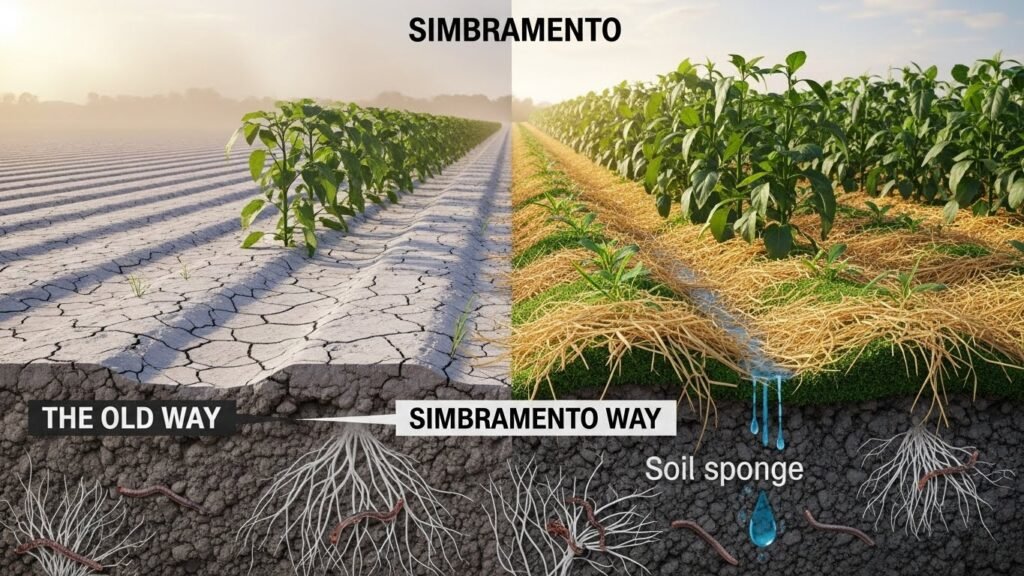
Simbramento is a total game changer for the future of our food. It is a smart way to fix our dirt and grow better crops. Many people call it a regenerative framework for soil health and sustainable agriculture. This system helps farmers work with nature instead of fighting it. It makes the land stronger and keeps the soil alive and healthy.
Understanding the Core Concept of Simbramento
Simbramento is all about making the earth better every single day. Most old farming ways take things away from the ground. This new way puts the good stuff back into the dirt. It is like giving the earth a big hug and a healthy meal. Farmers use this to build a system that lasts for a very long time.
Defining the Simbramento Philosophy
The simbramento philosophy is about being a partner with the land. It focuses on natural systems that help plants grow without using harsh chemicals. This method looks at the whole farm as one big living thing. Every part of the farm helps every other part stay strong. It is a friendly way to treat our planet while growing food.
The Shift from Extractive to Regenerative
Old farming is often extractive because it mines nutrients out of the soil. Simbramento changes this by being regenerative to help the soil heal. It stops the cycle of making the land tired and weak. Instead, it builds up the soil resources so they are better than before. This shift helps the environment and the farmer at the same time.
The Farmer as Steward
In this system, a farmer is much more than just a worker. They are a steward who looks after the life in the ground. A steward listens to what the land needs to stay healthy. They guide the natural processes to make sure everything stays in balance. This role is about caring for the future of our world.
The Biological Imperative
The most important part of this system is the soil biology. Simbramento puts the soil food web at the center of everything. If the tiny bugs in the dirt are happy, the plants will be happy too. These microorganisms are the real workers on the farm. They do the heavy lifting to keep the crops growing tall.
The Pillars of the Simbramento Framework
There are four main legs that hold up the simbramento system. Each pillar is very important for making the farm work well. Without these, the soil would not be able to fix itself. These ideas help keep the ground rich and full of life. They make farming easier and better for everyone.
Zero-Till Soil Management and Minimal Disturbance
Tilling is when big machines flip the dirt over. Simbramento says we should stop doing that to protect the soil. When we leave the dirt alone, it stays strong and healthy. Minimal disturbance is the key to keeping the soil home safe. This helps the ground stay exactly where it belongs.

- The Science of Soil Structure: Soil has a special shape made of fungal hyphae and aggregates.
- Direct Seeding Techniques: Farmers plant seeds right into the old plants without digging holes.
- Preserving Microbial Habitats: Keeping the “underground city” safe from big machines is a top priority.
- Long-term Erosion Control: Healthy soil stays put even when it rains really hard or gets windy.
Continuous Soil Cover and the Power of Mulching
Keeping the ground covered is like giving the soil a warm blanket. Simbramento uses mulching to protect the dirt from the hot sun. This cover keeps the moisture in and the weeds out. It is a simple way to make the farm much more resilient. The soil should never be naked or exposed to the air.

- Dead Mulch vs. Living Mulch: You can use old straw or grow small green plants to cover the dirt.
- Thermal Regulation: The cover keeps the soil from getting too hot in the summer sun.
- Moisture Conservation: Soil cover stops water from drying up so plants can drink it.
- Natural Weed Suppression: Thick mulch blocks the sun so bad weeds cannot grow and spread.
Biodiversity and Polyculture Integration
Growing only one thing is boring and can be very risky. Simbramento likes to mix many different plants together in the field. This biodiversity makes the whole farm much tougher against bugs and disease. It mimics how a forest or a wild meadow grows naturally. Variety is the secret sauce for a successful regenerative farm.
- Moving Beyond Monoculture: Planting many types of crops lowers the risk of losing everything.
- Synergistic Plant Relationships: Some plants are best friends and help each other grow better.
- Biological Pest Management: Good bugs live in the diverse plants and eat the bad bugs.
- Intercropping Strategies: You can grow different plants in the same row to save space.
Biological Nutrient Cycling and Soil Fertility
We do not need to buy expensive fertilizers to grow food. Simbramento uses biological nutrient cycling to feed the plants for free. The tiny life in the dirt turns old leaves into plant food. This creates a natural loop that never runs out of energy. It makes the farm self-sufficient and very profitable for the farmer.
- The Role of Mycorrhizal Fungi: These tiny fungi act like a straw to bring water to plants.
- Transitioning from Synthetic to Biological Inputs: Farmers slowly stop using chemicals and start using natural compost.
- Utilizing Microbial Inoculants: Adding good bacteria to the soil is like giving it a vitamin.
- Green Manures and Compost Teas: Special liquid plant food made from compost helps crops grow fast.
Advanced Soil Microbiology within Simbramento
To really understand simbramento, we have to look at the tiny stuff. There is a whole world living under our feet in the dirt. These tiny creatures are the engine of the entire agricultural system. When we learn how they work, we can farm much better. Science shows us that healthy soil is full of amazing life.
The Soil Food Web Architecture
The soil food web is a busy community of tiny living things. It has many levels where different creatures eat and live together. This architecture is what makes the soil fertile and strong for plants. Simbramento protects this web so it can keep working for us. Every little bug has a very important job to do.

- Trophic Levels in the Soil: There are big bugs and tiny ones that all work together.
- Rhizosphere Dynamics: This is the area around the roots where the most action happens.
- Quorum Sensing in Soil Microbes: Tiny microbes actually talk to each other to finish big tasks.
Fungal-to-Bacterial Ratios
Balance is the key to a happy and healthy soil system. Different types of farms need different amounts of fungi and bacteria. Simbramento helps farmers find the perfect mix for their specific crops. When the ratio is right, the plants grow much stronger and healthier. It is all about creating the perfect home for the microbes.
- Successional Balance: Orchards and pastures need different types of soil life to do well.
- Building Glomalin: Fungi make a special sticky glue that holds the soil together perfectly.
Water Cycle Restoration and Hydrological Resilience
Water is life, and simbramento helps the farm keep every drop. Healthy soil acts like a giant sponge that soaks up the rain. This keeps the plants hydrated even when it does not rain. It also prevents the farm from washing away in a big storm. This resilience is very important for surviving a changing climate.
The Soil Sponge Strategy
A soil sponge is dirt that has lots of tiny holes in it. These holes are made by worms and healthy roots in the ground. This allows the water to go deep down into the earth quickly. Simbramento builds this sponge so the farm stays wet and happy longer. It is the best way to fight against dry weather.

- Increasing Pore Space: Worms and roots make tunnels for water and air to travel through.
- Aggregate Stability: Strong soil does not turn into mud or blow away in the wind.
- Transpiration Efficiency: Healthy plants do not get thirsty as fast because they are stronger.
Landscape-Scale Hydrology
We must look at how water moves across the whole entire farm. Simbramento helps manage water so it does not cause damage to crops. By following the natural shape of the land, we keep water where it helps. This makes the whole neighborhood safer from big floods and dry spells. It is a big-picture way to think about water on the land.
- Keyline Design Integration: We can plant crops in lines that help the water stay put.
- Building Resilience Against Floods: Good soil soaks up rain so the rivers do not overflow fast.
The Economic and Practical Scalability of Simbramento
This way of farming is not just for small gardens at home. Simbramento works on giant farms and small ones too. It is a smart business move because it saves money on supplies. Over time, the farm becomes more stable and makes more money. Any farmer can start using these ideas right now to improve.
From Smallholders to Industrial Operations
Whether you have one acre or thousands, these rules still work great. Simbramento can be adapted to fit any kind of weather or land. Large farms use big machines that do not till the dirt at all. Small farms can use hand tools to keep the ground covered well. It is a flexible system that fits every single farmer’s needs.
- Adaptability Across Climates: You can use these methods in the desert or the rainforest.
- Cost-Benefit Analysis: You spend less on chemicals and fuel, which means more profit remains.
- Equipment Transitions: Farmers can buy or fix tools to plant seeds without digging up dirt.
Yield Stability and Market Resilience
Regenerative farms are much tougher when the weather gets really bad. Simbramento helps keep the harvest steady even during a long drought. This makes the farm a safer business for the family to own. People also want to buy food that is grown in healthy soil. This opens up new ways for farmers to sell their crops.
- Yield Trends Over Time: The harvest might start slow but gets better as soil heals.
- Product Quality and Nutrient Density: Food grown in healthy soil has more vitamins and minerals.
- Climate-Smart Certifications: New labels help farmers get paid more for taking care of soil.
Technical Implementation and Transition Management
Switching to a new way of farming takes a little time. You cannot fix the dirt overnight, but you can start today. Simbramento is a journey that gets better with every passing season. It is important to have a plan and watch the dirt closely. Small steps lead to big changes for the health of the land.
The Five-Year Transition Roadmap
It usually takes about five years to fully heal the soil. The first years are about stopping the things that hurt the dirt. By the fifth year, the farm starts to run mostly by itself. This roadmap helps farmers stay on track during the whole process. Each year brings new life back to the fields and pastures.

- Year 1-2: Detoxification and Disturbance Reduction: Stop tilling and reduce the use of harsh chemicals.
- Year 3-4: Biological Awakening: You will see more worms and birds coming back to farm.
- Year 5+: Systemic Equilibrium: The soil is now healthy enough to feed the plants naturally.
Monitoring and Data Collection
Farmers need to check their progress to see how things improve. You can do simple tests in the field to see soil health. Science labs can also help by looking at the tiny microbes for you. Collecting data helps you make better choices for the next growing season. Knowing what is happening under the dirt is very powerful information.
- Field Indicators of Health: Look for dark soil color and lots of active earthworms.
- Laboratory Analysis: New tests show exactly how many good microbes are in your dirt.
Comparing Conventional Farming and Simbramento
| Feature | Conventional Farming | Simbramento Framework |
| Soil Treatment | Uses intensive tillage to flip the dirt. | Uses zero-till to keep the soil safe. |
| Ground Cover | Often leaves soil naked and exposed. | Uses continuous cover like mulching. |
| Plant Variety | Usually relies on monocropping one plant. | Uses biodiversity and many different plants. |
| Nutrient Source | Depends on synthetic and chemical inputs. | Uses biological nutrient cycling. |
| Water Strategy | Water often runs off or evaporates. | Increases water-holding capacity like a sponge. |
| Main Goal | Extractive agriculture that mines the dirt. | Regenerative farming that builds soil health. |
| Climate Impact | Higher greenhouse gas emissions. | Focuses on carbon sequestration and storage. |
| Resilience | Very risky during droughts or floods. | High agricultural resilience against weather. |
Why the Simbramento Way Wins
The simbramento method is all about the long game for our planet. Conventional farming can wear out the soil resources very quickly. When the soil is tired, it cannot grow healthy food anymore. Simbramento fixes this by focusing on natural processes and living soil.
- Better Soil Biology: This system helps microorganisms thrive in their underground city.
- Stronger Foundations: Fungal networks and soil aggregates keep the ground from washing away.
- Natural Fertility: Using things like compost and green manures keeps the dirt rich for free.
- Weather Protection: Healthy soil can drink more rain, which stops runoff and floods.
- Safe Future: This path leads to better food security for everyone in the world.
Farmers who use this framework become true stewards of the land. They stop fighting nature and start helping it thrive. This makes the farm a beautiful ecosystem instead of just a factory. Over time, the land becomes a legacy that can be passed down for generations.
The Future of Agriculture: A Path Toward Resilience
The future of our food depends on how we treat the soil. Simbramento is a bright path toward a world with plenty of food. It helps us fix the damage done to the earth in the past. This system protects our water, our air, and our health for years. We all have a part to play in this big change.
- Policy and Subsidy Shifts: Governments are starting to help farmers switch to regenerative ways.
- Restoring Degraded Landscapes: This method can turn dry, dead land back into a green paradise.
- A Call to Action for Producers and Consumers: Everyone can support healthy soil by choosing the right food.
Frequently Asked Questions
Is Simbramento the same as permaculture?
While they share similar values, Simbramento focuses specifically on a regenerative framework for soil health and large-scale agricultural resilience. Permaculture is a broader design system that includes home building and social structures, whereas Simbramento is more targeted toward biological nutrient cycling and crop production.
Can this system help with carbon sequestration?
Yes, Simbramento is a powerful tool for climate mitigation because it helps in carbon storage. By avoiding intensive tillage, the carbon stays in the ground as organic matter instead of being released into the air as greenhouse gas emissions.
What exactly is construction engineering in a soil context?
In the Simbramento framework, construction engineering refers to how nature builds structural support systems within the earth. This includes the way fungal networks and roots create a stable foundation that prevents soil erosion during heavy rains.
How does Simbramento improve food security?
By creating agricultural resilience, this framework helps farms survive droughts and floods. Healthy soil ensures that nutrient availability remains high, which means we can grow more food even when the weather is not perfect.
What are the main risks of conventional farming compared to this?
Conventional farming often relies on intensive tillage and monocropping, which can destroy soil resources over time. These old methods lead to extractive agriculture where the soil biology is killed off by heavy chemical inputs.
How do fungal networks work for the plants?
Fungal networks, specifically mycorrhizal networks, act like an underground internet for plants. They connect different root structures and help move minerals and water to where they are needed most.
What is the impact of Simbramento on market volatility?
Because farmers use fewer synthetic inputs like expensive fertilizers, they are less hurt by changing prices in the global market. Building soil fertility on the farm makes the business more stable and less dependent on outside companies.
Can Simbramento help stop soil erosion?
Absolutely, the use of zero-till and continuous soil cover keeps the dirt locked in place. The soil aggregates act like glue, ensuring that wind and water cannot wash away the precious topsoil.
What is a microbial inoculant?
A microbial inoculant is a natural product containing beneficial microorganisms that you add to the soil. It helps kickstart the biological nutrient cycling and improves the overall land health.
How does this framework handle extreme weather?
Simbramento increases the water-holding capacity of the land, which helps during dry times. It also improves water infiltration, so the ground can soak up water during floods instead of letting it run off and cause damage.
Is intercropping a requirement for this system?
Intercropping is a key part of the biodiversity-driven systems used in Simbramento. It helps create microclimates and ensures that the soil is always filled with different types of living roots.
What are the benefits of green manures?
Green manures are specific plants grown to be turned back into the soil to increase organic matter. They help fix nitrogen naturally and improve the soil biology without needing chemical sprays.
How does Simbramento affect greenhouse gas emissions?
By practicing climate-smart agriculture, Simbramento reduces the need for fossil-fuel-based fertilizers. It also keeps carbon locked in the soil aggregates, which helps cool the planet.
What is the difference between dead mulch and living mulch?
Dead mulch includes crop residues like straw or wood chips that cover the ground. Living mulch refers to low-growing cover crops that stay alive and keep the soil food web active all year round.
Can Simbramento be used in agroforestry?
Yes, Simbramento principles work perfectly with agroforestry to create a balanced ecosystem. Trees and crops together help create a better nutrient cycle and protect the soil from the sun.
What is the role of compost teas in this system?
Compost teas are liquid versions of high-quality compost that are full of life. They are used to spray the leaves and soil to add helpful microorganisms that fight disease and boost growth.
How does soil health affect the nutrient density of our food?
Healthy soil that is rich in organic matter allows plants to soak up more minerals. This makes the food we eat more nutritious and better for human health.
Why is monocropping considered harmful in this framework?
Monocropping wears out the soil because the same nutrients are taken every year. It also makes it easier for pests to take over, forcing farmers to use more chemicals.
What are soil aggregates?
Soil aggregates are “clumps” of soil held together by roots and fungal glue. They are a sign of very healthy land and allow air and water to move easily through the dirt.
How do you start moving toward a Simbramento system?
The first step is to stop intensive tillage and start keeping the soil covered. You then focus on adding life back into the dirt through natural processes and biological inputs.